

From Amazon’s 1995 launch to AI shopping agents in 2026. Five eras of online retail, the platforms that defined each, and where the next decade is headed.


WordPress themes for photographers have one job: showcase hundreds of high-resolution images without wrecking load times. After auditing plenty of slow portfolios, here are the five themes that actually deliver (Astra, Blocksy, Kalium, Oshine, Bridge), who each one fits, and the three configuration choices that matter more than the theme itself.

Linkable assets are content other people cite without being asked. Here are the five asset types that reliably earn backlinks, ranked by effort, plus the one to build first if you run a small site, and when they’re not worth the time.

Phablets hit the sweet spot between smartphones and tablets, and India’s market is packed with options under 10,000 rupees. I’ve compared the top ten phablets in this price range based on display quality, processor performance, camera specs, battery life, and overall value. Find the right big-screen device without breaking your budget.

Real defense from cyber threats isn’t one tool, it’s five layers. I share the MFA, backup, firewall, antivirus, and phishing-training stack that blocks the attacks closing small businesses, plus 2026 data on AI-driven threats, ransomware, and breach costs.

Twitter is X now, the algorithm changed again, and reply-first posting quietly beats everything else. Here is the 2026 X growth playbook I run on my own account and for clients: profile, cadence, engagement loops, and the reply window that compounds.

Cloud technology is evolving faster than most professionals can keep up with. From SaaS and IaaS to edge computing and serverless architectures, the landscape has changed dramatically. I break down what you actually need to understand about cloud technologies: the terminology, the business implications, and the trends shaping the next decade.
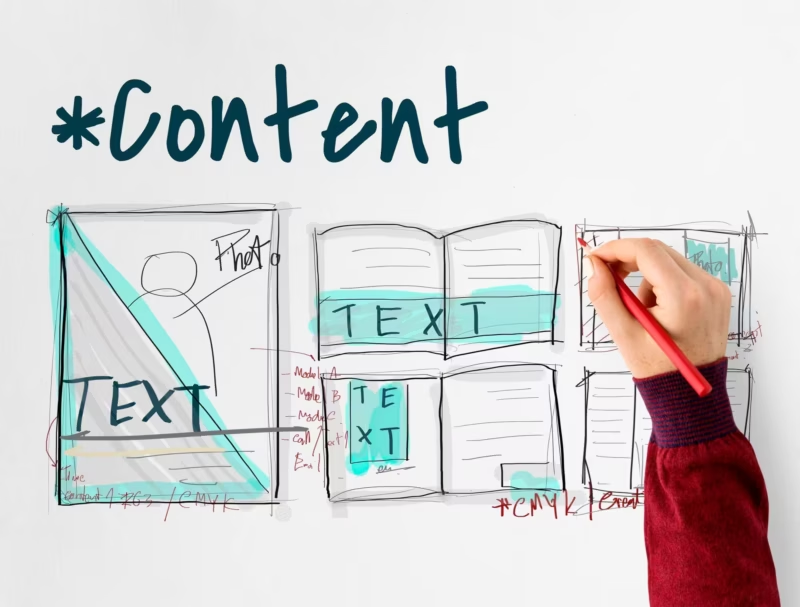
Content marketing is competitive. To stand out, you need a system, not just talent. This eight-point checklist covers everything from audience research and content calendars to distribution strategies and performance tracking. Follow each point consistently, and you’ll build the foundation for content marketing that actually drives results.

Free hosting exists, but you get what you pay for. Premium web hosting offers speed, reliability, security, and support that free hosting simply can’t match. I compare the real-world advantages of paid hosting: better uptime, faster load times, SSL certificates, backups, and dedicated customer support that actually responds when things go wrong.

A practical guide to speeding up a slow Windows computer. Diagnose the bottleneck, use real tools like Task Manager, Sysinternals, WinGet, WizTree, BleachBit, and BCUninstaller, then apply safe hardware, software, and PowerShell fixes.

Every brand needs a logo, from solo creators to billion-dollar companies. But hiring a designer isn’t always feasible when you’re starting out. I’ll walk you through designing your own logo: choosing the right style, typography, colors, and tools. Your logo represents your work philosophy and future vision. Get it right from the start.

Hackers don’t discriminate between world-class websites and simple blogs. Hundreds of sites get compromised daily. I cover practical WordPress security measures: from firewall plugins and login protection to file permissions and database security. These aren’t paranoid precautions. They’re essential defenses every WordPress site owner needs.