Build for WordPress
Custom themes, plugins and publishing systems that load fast and stay maintainable. Performance and accessibility shape the build from the first commit.

WordPress Developer · Publisher · Gatilab Founder
I’m a WordPress developer, publisher, educator, and the founder and CEO of Gatilab. I’ve published online since 2008 and built WordPress software since 2009, starting from Kushinagar in Uttar Pradesh, India. Today I build plugins, themes and books, and help brands and businesses grow their online presence without spending a fortune.
I work where the website, the content, the search strategy and the tools meet. Most teams treat those as separate jobs. I’ve spent 18 years learning they’re one system, and that a fix in one place often moves the problem somewhere else.
My background is mathematics. I hold a master’s degree in it, and the habit stuck: before I pick a tool or write a line of code, I want to know what we’re assuming and when the answer stops working.
Teaching is still part of the work. I started tutoring younger students at 12, taught mathematics to competitive-exam aspirants in college, and now write books and tutorials the same way: one idea at a time, with the reasoning shown.
This is my personal site, where I publish my writing, books and products. Gatilab is the agency I founded in 2014 and still lead, where my team and I deliver client projects. If you’re deciding whom to contact, I’ve explained how my independent work and Gatilab fit together.
The code, the content and the decisions that connect them. Most projects need more than one of these at once.
Custom themes, plugins and publishing systems that load fast and stay maintainable. Performance and accessibility shape the build from the first commit.
Content strategy, technical SEO and internal linking that help the right people find an answer, act on it and come back.
Conversion work, affiliate systems, newsletters and the analytics behind them, sized to what the business can actually afford.
Tutorials, books and study material written the way I used to teach: one idea at a time, with the reasoning shown.
Counted across my own sites and client work. The ones I can stand behind.
Mathematics shapes how I approach a problem. I want to understand the assumptions, the relationships and the conditions under which an answer stops working. That habit follows me into code, content and business.
Before choosing a tool, get clear about the problem. What do we know? What are we assuming? A precise question is often more useful than another feature.
A website’s speed, content and usability affect each other. Improving one part while ignoring the others can move the problem somewhere else.
An idea should hold up against what happens. Measure the result, look for the case that breaks it and revise the explanation when the evidence changes.
The explanation is part of the solution. If someone can’t understand a decision or use what I’ve built, there’s still work to do.
How I'd approach your problem. Pick a starting point:
Which page feels slow, for whom, and when does it happen?
Look at the server response, page assets and third-party code. Find the part causing the wait.
Fix the largest bottleneck, measure again and check that the improvement holds.
Who is this for, and what should they be able to do after reading it?
Compare that need with the existing pages, search intent, content structure and internal links.
Improve the page that should answer the question. Give the reader a useful next step.
Who keeps running into this problem, and how are they dealing with it today?
Research the existing options, find what’s missing and design around the people who will use it.
Plan a focused first version. Build the part that solves the problem well, then learn from its use.
The aim is a useful answer whose reasoning you can follow.
Technology should make someone’s work easier. That’s the point, and everything below follows from it.
A fast website, an accessible interface, an article that answers the question. The work earns its place by helping someone.
Open formats, exportable data and documented systems. You should be able to run the work without depending on me.
Speed, usability and working software give a claim something to stand on. I care about what holds up when you use it.
A tutorial should respect the learner. A product should make its next step clear. Understanding belongs in the finished work.
Content should stay useful. Software should stay maintainable. Today’s shortcut has a cost if somebody has to untangle it later.
I use AI agents every day to automate the copying, checking and sorting. Strategy, editorial taste and accountability stay with a person.
Most of these started as fixes for my own sites. Today that’s 19 WordPress plugins, 8 themes, 51 books and a growing Notion template library.
 Core FormsPaid
  GT PerformanceFree
  Site AgentFree
  GT Link ManagerFree
  GT Page Blocks BuilderFree
  Core BookingsPaid
  GT Extensions for FluentCartPaid
  Alpha ChatFree
  FunctionalitiesFree
  Core TablesPaid
  Core ApprovalsPaid
  GT ACF Blocks PluginFree
  Formatting ExtenderFree
  Dynamic Month & Year into PostsFree
  Beautiful Recent Posts WidgetFree
  Notion Templates LibraryNotion templates with the playbooks built in, from blogging and SEO to freelancing and UPSC prep. $39 a year covers every template in the library, including new ones as they… Browse the library
 Understand the problem. Make the decisions clear. Build carefully.
Understand the people, the problem and the constraints. I work through the research, planning and design before choosing what to build.
A written scope, a fixed quote and clear ownership. You should know what we’re solving, what it costs and how we’ll judge the result.
Performance, accessibility and maintainability guide the implementation. The result needs to work for the person using it.
Show the reasoning, name the tradeoffs and make the system understandable. The person running it needs more than a finished page.
Publishing, teaching, building. Each led to the next.
I started tutoring younger students. It was my first lesson in explaining an idea until it actually lands.
A personal start on the web, and the first version of this site.
Formal training in web development and graphic design, and my first WordPress builds.
Commercial websites for local businesses in Kushinagar, and gauravtiwari.org as a proper home.
While studying, I taught mathematics to students preparing for NDA and other competitive exams.
A home for the connected work: WordPress development, content, search and digital strategy.
Finished the master’s degree that still shapes how I approach a problem.
Digital campaigns for the Ministry of Agriculture & Farmers Welfare, Government of India, which reached more than 300 million people.
The agency became my full-time focus, with a team delivering client projects.
Websites, content systems and study tools for UPSC and CUET education brands.
19 WordPress plugins, 8 themes including Palladium for FluentCart, 51 books and a Notion template library.
Leading Gatilab, shipping products and writing the guides I wish I’d had when I started.
I’m particular about tools. Everything below earns its place by being fast and reliable.
The questions people ask before they get in touch. Not covered here? Ask me directly.
Ask a questionGaurav Tiwari is a WordPress developer, publisher, educator, and the founder and CEO of Gatilab. He has published online since 2008 and built WordPress software since 2009. He builds fast websites, WordPress plugins and themes, content systems and books for founders, agencies, education brands and publishers.
Gaurav works across WordPress development, technical SEO, AI search optimization, performance engineering, content strategy, copywriting, plugin and theme development, digital strategy, email marketing and automation.
Kushinagar, Uttar Pradesh, India. He works with clients around the world, remotely.
Gatilab is the agency Gaurav founded in 2014 and leads as Founder and CEO. His independent writing, products and consulting live under his own name; Gatilab is where he and his team deliver client projects.
Yes. Gaurav takes fixed-scope projects for digital strategy, WordPress builds, speed optimization, plugin fixes, migrations and audits. Several clients also work with him through monthly retainers. See services or get in touch.
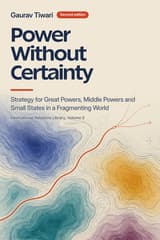
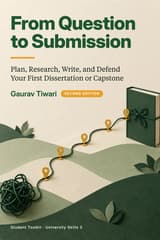
19 WordPress plugins, including Core Forms, GT Performance, Site Agent and GT Link Manager; 8 WordPress themes, including Palladium for FluentCart; 51 books across mathematics, writing, study skills, history and international relations; and a Notion Templates Library. See them all.
WordPress, SEO and AI search, software, blogging, affiliate systems, performance, education, tools, tutorials and deals, written for developers, bloggers, freelancers, marketers, students and solo builders.
No. I am the WordPress developer, publisher, educator, and founder and CEO of Gatilab. The late paranormal investigator was a different person with the same name.
Have a website, a product or a publishing problem in mind? Send me the messy version.
A written scope, a fixed quote and a clear next step.