
 by
by
Strong leadership rarely happens by accident. It builds slowly, through real experience, deliberate training, and a willingness to keep learning long after the job title stops changing. If you manage people, juggle deadlines, and make calls that affect a whole team, the skills that got you here won’t carry you forever. You have to keep adding to them.
That’s exactly where professional development platforms earn their keep. The right one gives you relevant, practical training that sharpens how you communicate, manage your time, handle pressure, and take ownership of outcomes. The hard part isn’t deciding whether to invest in leadership development. It’s choosing the platform that actually fits your career stage, your schedule, and the way you learn best. This guide breaks down what to look for, the top platforms worth your time, and how to pick the one that’s right for you. Choose a proven provider like Amanet, for instance, and you get immediate, relevant training that sharpens how you build relationships, manage your time, and take ownership.
What to Look for in a Professional Development Platform
Not every training provider is built the same. Before you commit time or money, weigh a platform against these four things. They separate the providers that change how you work from the ones that just hand out certificates.

- A balance of practical and theoretical learning. Look for a platform that pairs theory with real examples. Concrete cases help concepts stick. Too much abstract theory on its own gets confusing fast and rarely survives contact with a real Monday morning.
- Programs for both managers and senior leaders. Good platforms offer tracks for new managers and experienced executives alike. Different roles need different skills, and a clear progression lets you grow step by step instead of stalling.
- Flexible formats (online, in-person, hybrid). Flexible delivery makes attendance realistic for busy people. Online, in-person, and hybrid options let you train without taking large blocks of time away from the actual work.
- Current, industry-relevant curriculum with recognized certifications. Choose a platform with updated content and credentials employers respect. Recognized certifications signal that the training meets professional standards and matches what the job market needs right now.
Key Benefits of Leadership and Management Training
Leadership training isn’t a line item you check off for HR. Done right, it changes how a team performs day to day. Here’s what consistent investment in management skills actually delivers.

- Sharper management and decision-making. Training helps you manage both tasks and people with more clarity. Better decisions in daily work make you a calmer, more confident manager.
- Stronger communication and collaboration. Good programs teach you how to listen, give direction, and guide a team. The payoff is fewer misunderstandings and smoother teamwork.
- Readiness for bigger roles. Training prepares you for new responsibilities and leadership expectations before they land, which makes promotions and role changes far less stressful.
- Better productivity and long-term growth. Strong leadership skills help you work more efficiently and manage time better, which lifts performance and opens up new opportunities over a career.
Top Professional Development Platforms for Leadership Skills
These five platforms cover the full range, from structured, instructor-led leadership programs to flexible, self-paced courses you can fit around a full workload. Each one suits a different kind of learner, so match the style to your situation rather than chasing the biggest name.
1. Amanet
Amanet is an international provider of leadership development and management training. Its whole approach centers on practical application, the kind of knowledge you can put to work on the job rather than just file away.

- Features: Corporate and executive leadership programs, available for both individuals and teams, with live and on-demand courses spanning leadership development, strategy, and time management.
- Pros: Decades of track record, and most of the training is grounded in real-world scenarios, so it’s genuinely usable for professionals and organizations.
- Cons: The training is structured and formal. If you want something casual and low-commitment, this won’t feel like a natural fit.
- Best for: Mid-level managers and senior leaders, plus organizations that want a structured leadership and management development program.
2. Dale Carnegie
Dale Carnegie is an established name in personal development, especially around communication and leadership. Its courses focus on building confidence, sharpening how you communicate, and improving how you manage others.
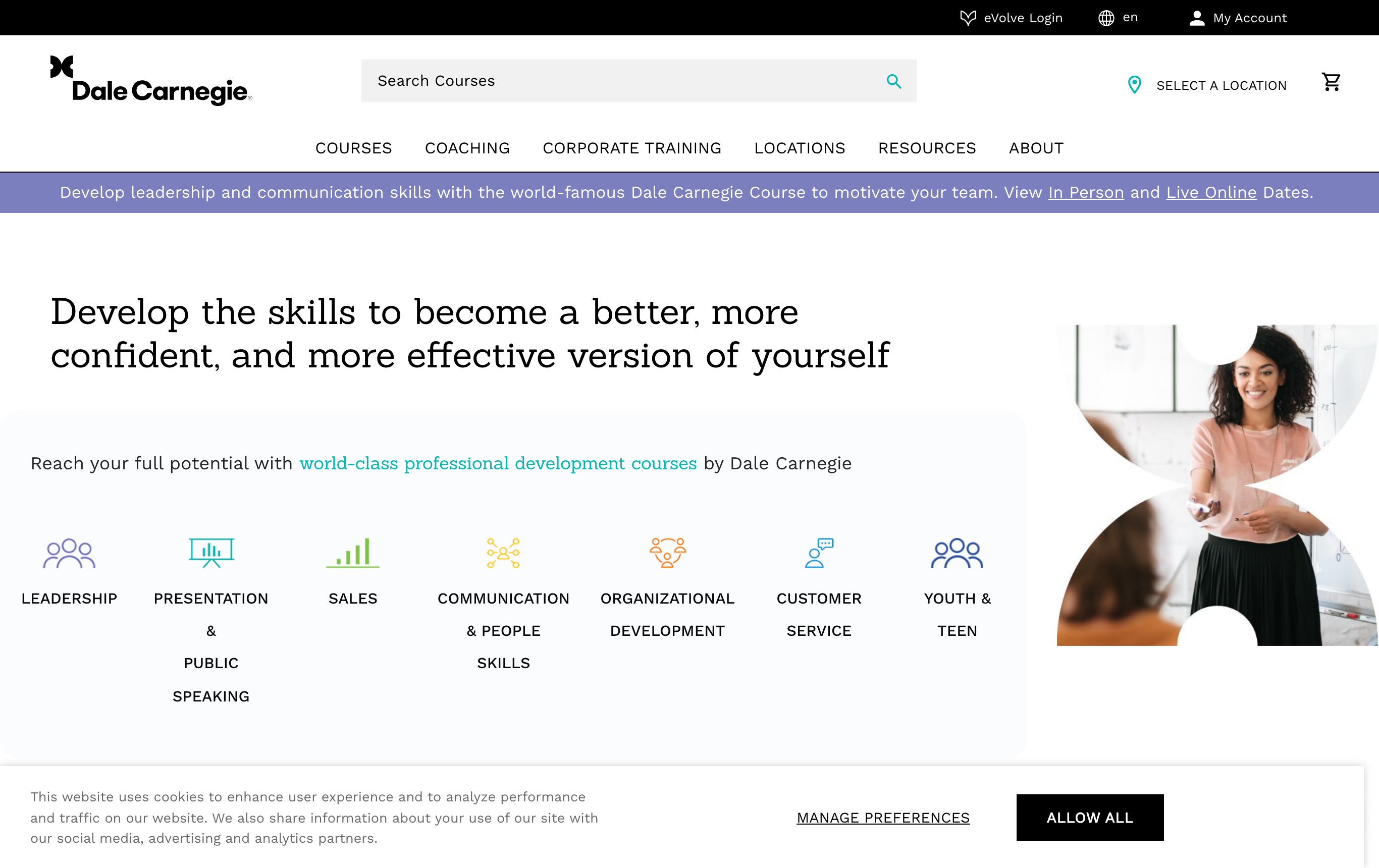
- Features: Mostly instructor-led courses with group discussions and team activities, built around communication, leadership presence, and interpersonal skills.
- Pros: A solid global reputation, and plenty of professionals credit Dale Carnegie programs with real improvements in how they communicate at work.
- Cons: The focus leans heavily toward soft skills rather than technical management areas like finance or operations.
- Best for: Anyone who wants to communicate with more confidence and build stronger team relationships.
3. SkillPath
SkillPath runs seminars and training on a wide range of business topics for working professionals. Its bread and butter is short workshops built around skills you can apply right away.
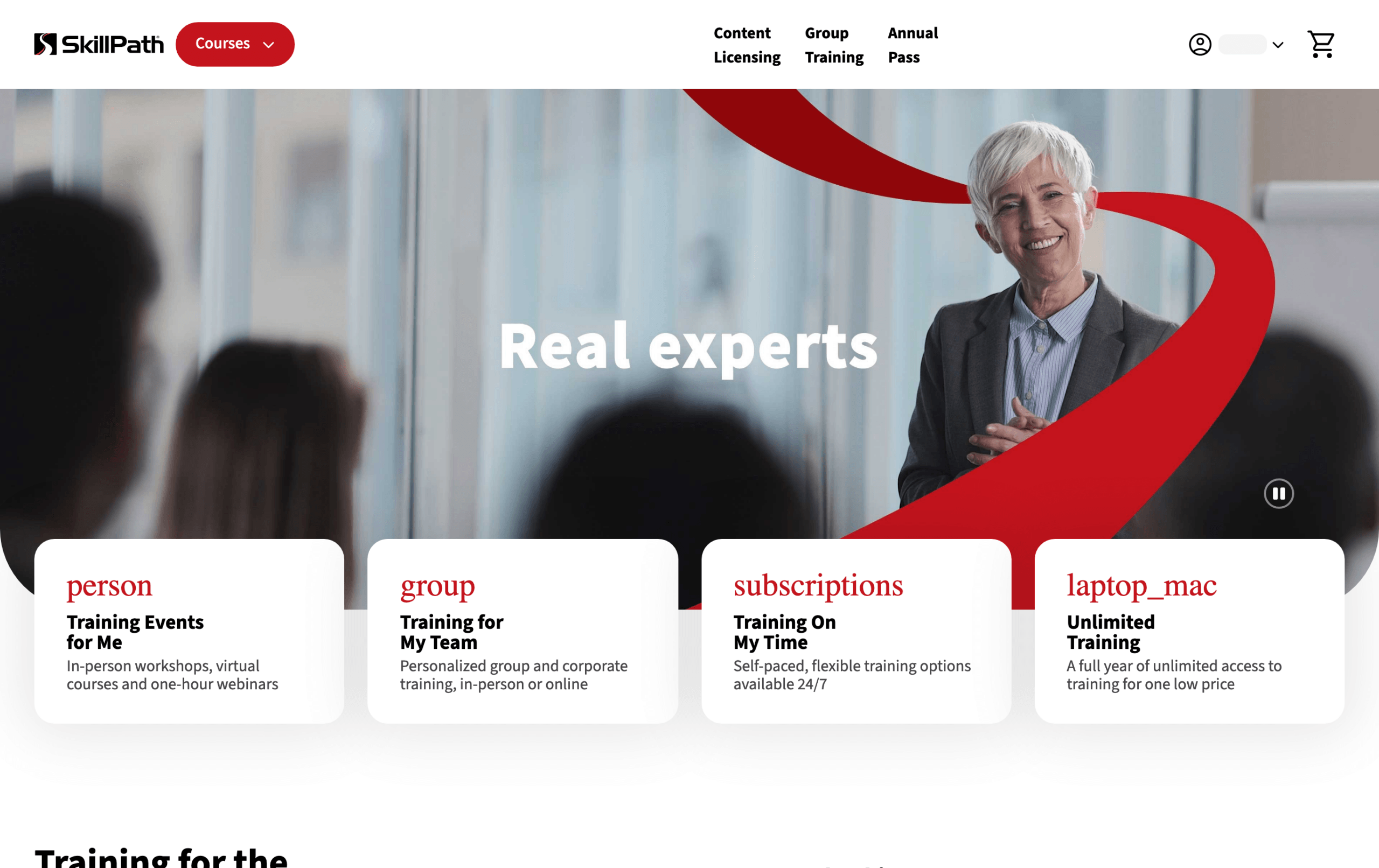
- Features: Instructor-led seminars and workshops covering communication, productivity, foundational leadership, and workplace organization.
- Pros: A short, skill-focused format designed to be attended and put into practice in the workplace almost immediately.
- Cons: Not as comprehensive as a full leadership development curriculum.
- Best for: Working professionals who want to pick up new skills quickly without committing to a long program.
4. Udemy
Udemy is an open online marketplace where instructors create and sell courses across thousands of professional topics. The scale is huge, which is both its strength and its catch.
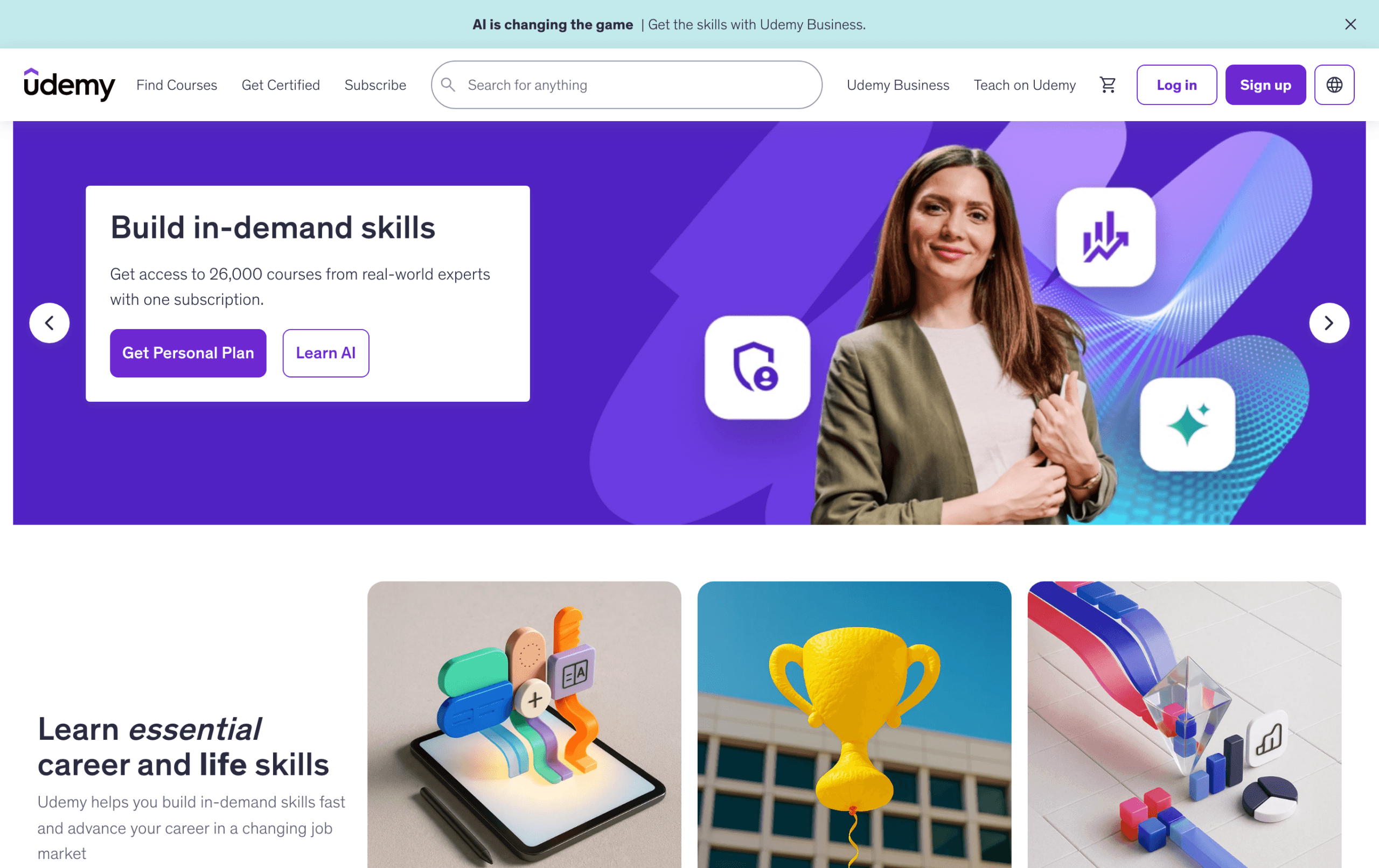
- Features: Affordable, self-paced courses on leadership, management, productivity, and communication that you can complete on your own schedule.
- Pros: Low cost and enormous range, so you can find a course on almost any specific topic you need.
- Cons: Quality varies a lot from one instructor to the next, so course selection matters.
- Best for: Beginners who want to learn the basics of leadership affordably and flexibly.
5. Coursera
Coursera offers thousands of courses from top universities and institutions, blending academic depth with professional development in one platform.
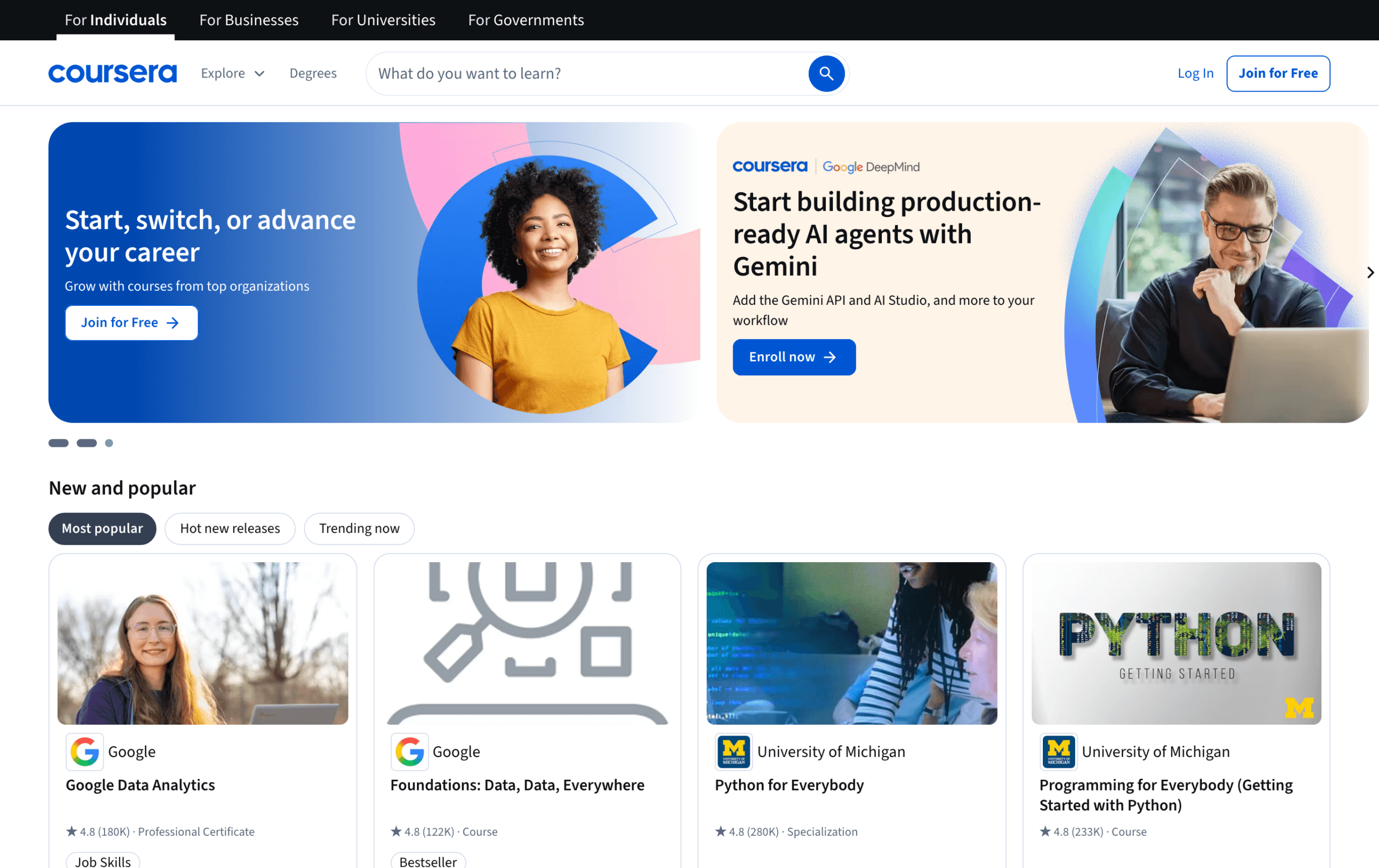
- Features: Self-paced courses across leadership, project management, business strategy, and communication, many built by university faculty and subject-matter experts.
- Pros: Broad reach and accessible pricing, with certificates that many employers recognize and that can genuinely help your career.
- Cons: Less personal interaction than a classroom, which doesn’t suit everyone who prefers hands-on learning.
- Best for: Learners who want flexible but structured leadership training and recognized credentials.
Platform Comparison at a Glance
If you only have a minute, this table sums up where each platform fits. Use it to shortlist, then read the full breakdown above before you commit.
| Platform | Format | Strength | Best For |
|---|---|---|---|
| Amanet | Live + on-demand | Structured, real-world management training | Mid to senior leaders, organizations |
| Dale Carnegie | Instructor-led | Communication and leadership presence | Confidence and people skills |
| SkillPath | Short seminars | Fast, applicable workshops | Quick upskilling |
| Udemy | Self-paced, on-demand | Affordable, huge course range | Beginners on a budget |
| Coursera | Self-paced, academic | University-backed, recognized certificates | Structured, credentialed learning |
How to Choose the Right Platform (and Common Challenges)
The best platform is the one that matches where you are and how you like to learn. Run through these steps before you buy, and go in aware of the traps that trip most people up.

- Define your career stage and skill gaps. Start by being honest about where you are and what’s missing. This is what points you to the right course. Skip it, and you’ll likely pick the wrong program.
- Match the format to your style, budget, and time. Some people thrive in self-paced online courses, others need a classroom. Your schedule and budget matter just as much as the content.
- Favor certifications or executive tracks for growth. Platforms with recognized certificates or executive programs carry more weight on a resume and signal a serious commitment to learning.
- Watch for the common traps. Too many course options can paralyze you. Some content is too theoretical to apply. And fitting study around a full job is a real challenge, so plan for it.
If you’re weighing self-study against guided programs, my take on how to balance self-learning with external academic support goes deeper on getting the mix right.
Why Organizations Invest in Corporate Training
This isn’t only an individual decision. Companies pour money into corporate training for reasons that show up directly on the bottom line.
- Build high-performing teams. Training helps teams work together better and understand their roles, which lifts performance, confidence, and day-to-day results.
- Strengthen the leadership pipeline. Developing future leaders from within closes skill gaps and makes the whole organization more resilient.
- Adapt to change. Business moves fast. Ongoing training keeps teams current and makes it easier to absorb new technology and new ways of working.
The same logic applies to running a team well day to day. If you’re building out your stack, my guides to the best project management tools for teams and top productivity tools for professionals pair nicely with a leadership program. And if you want a faster way to actually retain what you learn, the Feynman technique is the method I keep coming back to.
Frequently Asked Questions
Which platform is best for leadership training?
It depends on your career level and goals. Amanet and Dale Carnegie suit managers and senior leaders who want structured, instructor-led programs, while Coursera and Udemy work well for self-paced learning. Pick the one that matches how you learn and where you are in your career.
Are online leadership courses effective?
Yes, online leadership courses can be effective when the content is practical and you apply it. Many professionals prefer the flexibility, but self-discipline matters more in an online format since no one is holding you accountable.
What is the difference between management training and leadership development?
Management training focuses on processes, planning, and supervising a team. Leadership development focuses on vision, decision-making, and how you guide and influence people. Both matter for long-term career growth, and the strongest programs blend the two.
Do these platforms offer certifications?
Most professional development platforms offer certificates after you complete a course. These credentials add value to your resume and signal a serious commitment to learning, though their weight varies by provider and program.
How much do professional development platforms cost?
Pricing ranges widely. Udemy courses often cost a few dollars during sales, Coursera runs subscription and certificate pricing, and instructor-led programs from Amanet, Dale Carnegie, and SkillPath cost more because they include live training. Match the spend to the depth you actually need.
Final Thoughts: Choosing the Right Platform for Leadership Success
Your goals, your current career stage, and the way you prefer to learn should drive this decision. If you like options and learning at your own pace, flexible platforms like Coursera and Udemy let you practice and build skills on your own time.
If having an instructor matters to you, structured programs from Amanet, Dale Carnegie, and SkillPath will likely serve you better than self-guided courses. They give you guidance, accountability, and a clear path through new material.
In the end, the right choice comes down to which style helps you learn best and how much energy you’re ready to put into developing yourself for what’s next. Pick the one that fits, then actually show up for it. That’s the part no platform can do for you. For a wider look at building skills online, see my roundup of the best online courses worth taking.
Tell Google you want more of this.
Add Gaurav Tiwari as a preferred sourceOne tap, and this site shows up more often in your own Top Stories, AI Overviews and AI Mode. Remove it any time.
Disclaimer: This site is reader-supported. If you buy through some links, I may earn a small commission at no extra cost to you. I only recommend tools I trust and would use myself. Your support helps keep gauravtiwari.org free and focused on real-world advice. Thanks. - Gaurav Tiwari