

Writing a dissertation or research paper is the ultimate test of academic writing skill. I cover the complete process: choosing your topic, structuring your argument, conducting research, citing sources properly, and writing prose that’s both rigorous and readable. Whether it’s your first thesis or your tenth paper, these principles apply.


YouTube’s search system is more powerful than most people realize. Beyond basic keyword searches, there are filters, operators, and tricks that help you find exactly the video you need. I share tips and techniques for searching YouTube like a pro: from using quotation marks and filters to finding unlisted videos and sorting by relevance.
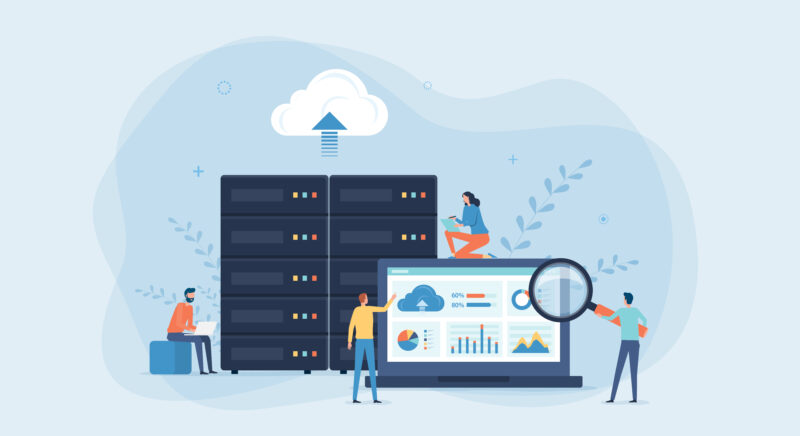
Free web hosting looks like a bargain until the costs land in your time: 3-8 second load times, 95-97% uptime, forced host ads, missing SSL, no backups, a borrowed subdomain, and an account that can be suspended without notice. I break down every disadvantage of free web hosting in 2026, show when free is actually fine (learning and testing), and explain why a ~$3/month paid host removes all of it.
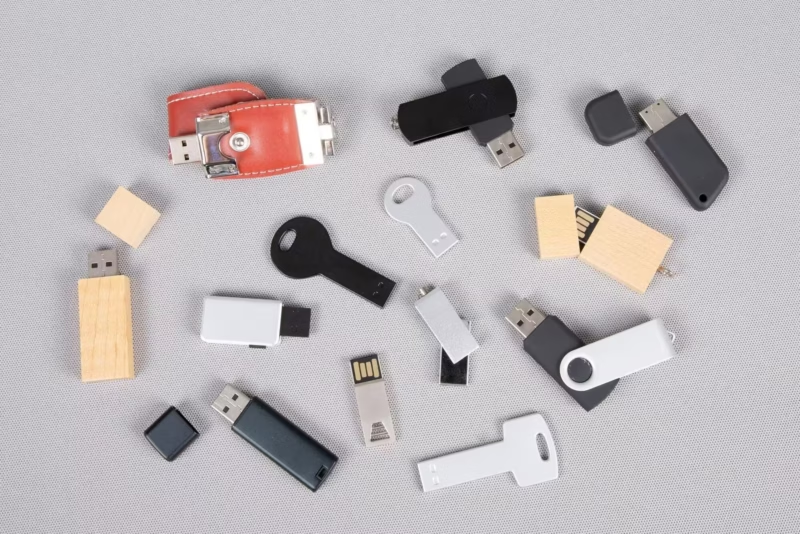
Storage devices have a limited lifespan. Every file modification pushes them closer to failure. When your pen drive or memory card gets corrupted, don’t panic. I’ll walk you through several repair methods: from built-in Windows tools and command prompt fixes to formatting tricks that can recover seemingly dead storage devices.

Hospitality has evolved from a noble tradition into one of the most promising career paths. Hotel management colleges in India range from excellent to mediocre. I’ve curated the best institutions based on curriculum depth, industry partnerships, placement records, and practical training facilities. Your hospitality career starts with choosing the right college.
Mass communication is one of India’s fastest-growing fields. But choosing the right college makes all the difference between a thriving career and wasted years. I’ve ranked the ten best mass communication colleges in India based on curriculum, faculty, industry exposure, internship opportunities, and placement records.

Reading fiction makes you smarter and more empathetic. That’s not opinion. It’s backed by research. Studies show that reading literature improves cognitive function, emotional intelligence, and social skills. I explore the evidence and explain why regular reading should be part of every student’s routine, not just an academic requirement.
I’ve been doing internet marketing since 2009. Back then, a basic WordPress site and some articles could drive real traffic. The game has changed dramatically. AI, algorithm updates, and fierce competition have rewritten the rules. I share what actually works now for starting internet marketing with a single website and limited budget.
Commerce and economics courses have seen rapid growth in India. With thousands of colleges and hundreds of course types, choosing the right one matters enormously. I’ve ranked the best commerce colleges in India based on curriculum quality, faculty expertise, industry connections, and placement records. Your career trajectory starts with this decision.

Some books stick with you for decades. They shape how you think about people, morality, love, and loss. I’ve read hundreds of fiction books, and these eleven aren’t just good reads. They’re the kind of stories that fundamentally change how you see the world. Each one earned its place on this list through lasting impact, not just entertainment.

We’ve covered integral equation basics and the trial method. Now comes the interesting part: going in reverse. Converting integral equations back into differential equations is a powerful technique that often simplifies the solution process. I walk through the methodology with examples, showing when and why this reverse conversion is useful.

Just because your website should work a certain way doesn’t mean it does. Before launching any new site, run these four essential tests: functionality testing, usability testing, performance testing, and security testing. I break down what each test covers and how to run them without expensive tools. Take nothing for granted.