
 by
by
Learning a language used to mean a shelf of textbooks and a weekly class you’d skip half the time. Now the best app does more in 15 minutes a day on your phone than a semester of that ever did, and the right one adapts to whether you want to chat with a real tutor, drill vocabulary on your commute, or just practice speaking without the fear of sounding silly.
I’ve dabbled with most of these trying to keep my languages from rusting, and the honest truth is the best app is the one whose format you’ll actually open every day. Some people thrive on gamified streaks, others need a human on the other end, and a few just want structured grammar that builds properly. So this list is sorted by how you like to learn, not by a single ranking.
Here are the best apps to learn a language in 2026, with who each one suits best. If you’re learning for work or travel, also see my guides to the best online courses and productivity tools.
Best language learning apps at a glance
| App | Best for | Style | Free option |
|---|---|---|---|
| Preply | 1-on-1 tutoring | Live human tutors | Paid (trial lesson) |
| Babbel | Structured courses | Guided lessons | First lesson free |
| Talkpal | Speaking practice | AI conversation | Yes (limited) |
| Rosetta Stone | Immersion | No-translation method | Free demo |
| Duolingo | Casual / free | Gamified bite-size | Yes (full app) |
1. Preply: best for 1-on-1 tutoring
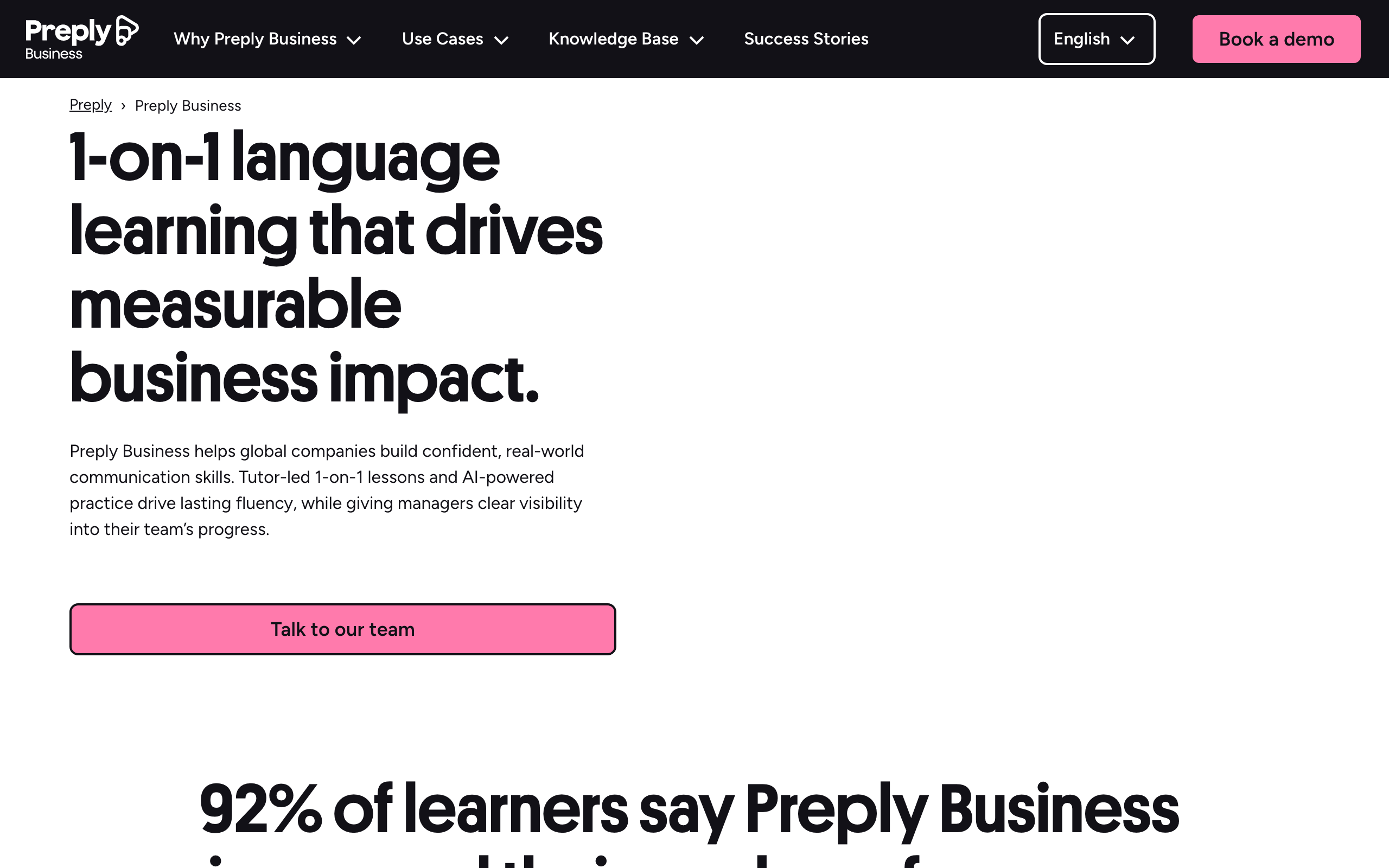
Nothing accelerates a language like talking to a real person, and Preply is the best place to do it. You browse thousands of vetted tutors for any language, filter by price, accent, and specialty, and book lessons that fit your schedule, often for less than a local class. Tutors tailor each session to your goals, whether that’s business fluency, exam prep, or just confident conversation. If you’re serious about speaking and want real accountability, this is the pick.
🗣️ Best for: learners who want real conversation and a personal tutor. Watch for: it’s a per-lesson cost, not a flat subscription.
2. Babbel: best for structured courses
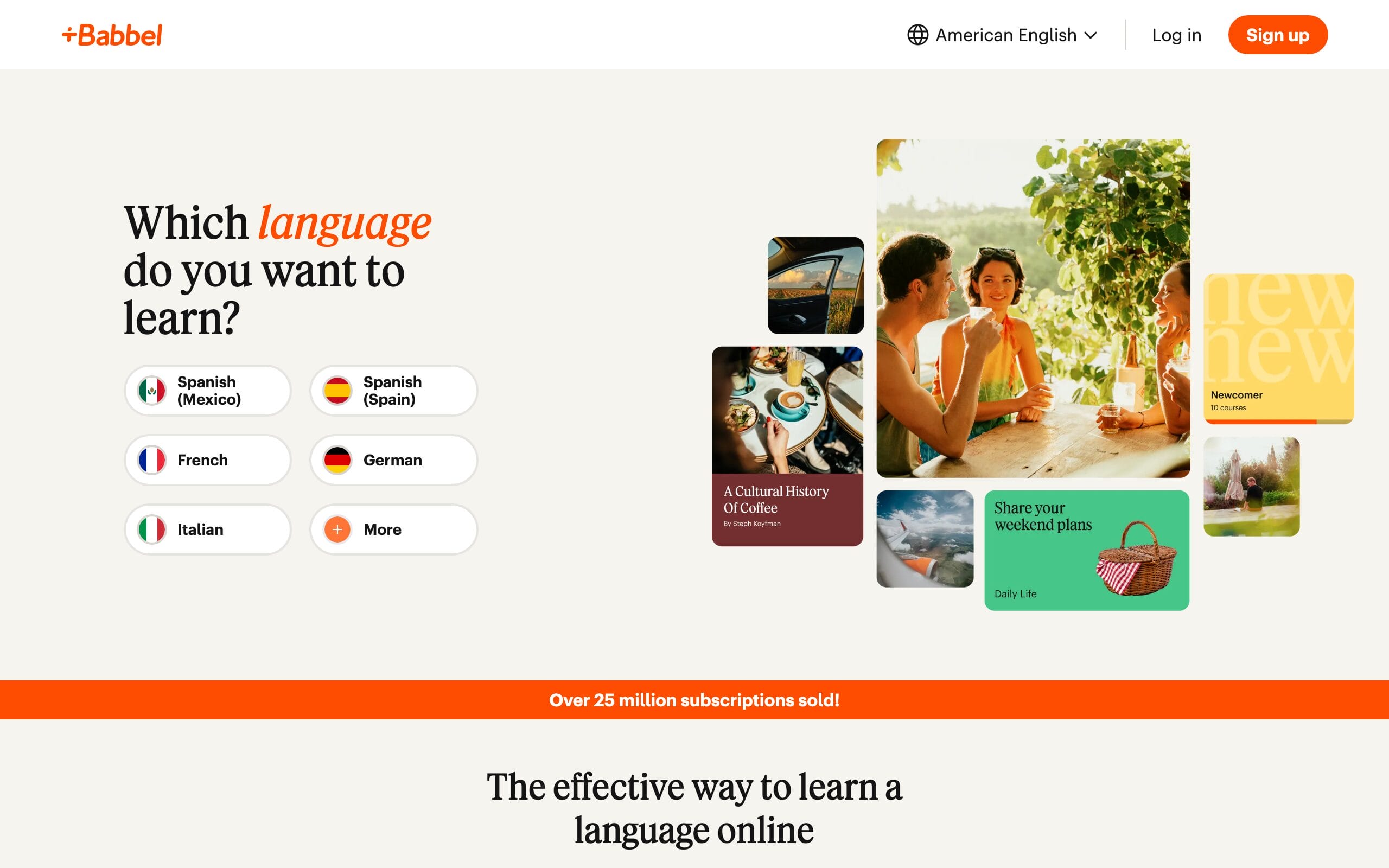
Babbel is the app for people who want to actually build a language properly, not just collect streaks. Its lessons are designed by linguists around real-world conversations, with grammar explained clearly and review built in so things stick. Sessions are short (10-15 minutes) but genuinely substantive, and the speech-recognition practice helps your pronunciation. For structured, no-nonsense progress toward real conversations, Babbel is the standout.
🗣️ Best for: structured learners who want grammar and real-world dialogue. Watch for: fewer languages than Duolingo.
3. Talkpal: best for speaking practice
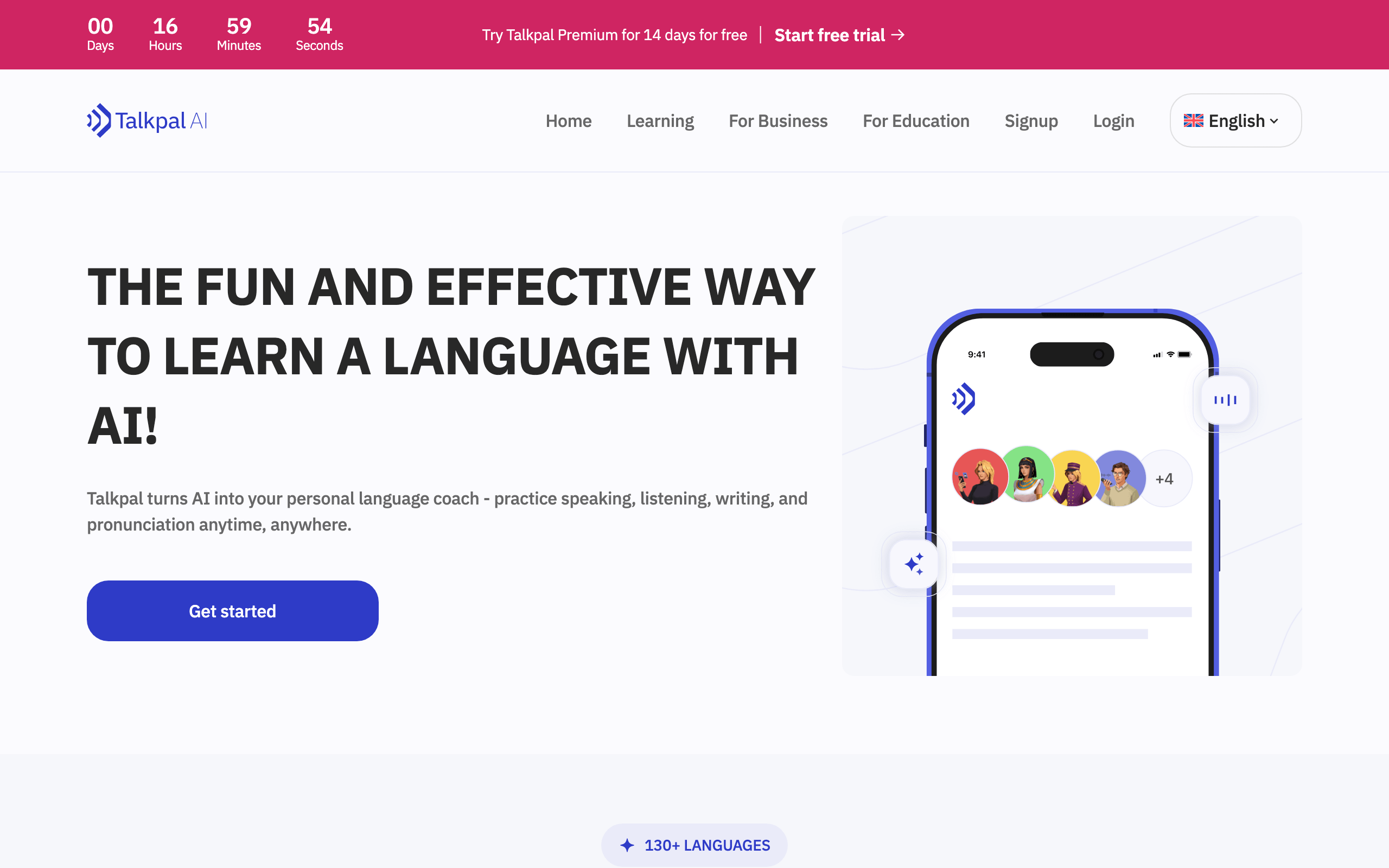
Talkpal uses AI to give you the thing most learners lack: unlimited, judgment-free speaking practice. You hold real-time voice and text conversations with an AI tutor on any topic, get instant feedback on grammar and phrasing, and practice as much as you want without booking a human or feeling self-conscious. It’s the perfect bridge between drilling vocabulary and braving a real conversation, and it’s brilliant for building confidence fast.
🗣️ Best for: practicing conversation without the pressure of a real person. Watch for: AI can’t fully replace a native tutor’s nuance.
4. Rosetta Stone: best for immersion
Rosetta Stone pioneered the immersion method and still does it best. Instead of translating, it teaches you to think in the new language by pairing words and phrases directly with images and audio, the way you learned your first language as a child. Its TruAccent speech engine is excellent for pronunciation, and a lifetime plan for one language is genuinely good value. For building intuition rather than memorizing translations, it’s the classic choice.
🗣️ Best for: learners who want to think in the language, not translate. Watch for: less explicit grammar explanation than Babbel.
5. Duolingo: best free and casual
Duolingo is how most people start, and for good reason: it’s genuinely free, wildly fun, and impossible to feel intimidated by. The gamified streaks, leagues, and bite-size lessons make daily practice a habit, and it covers an enormous range of languages including rare ones. It won’t make you fluent on its own, but as a free daily habit-builder and a complement to the tools above, nothing beats it.
🗣️ Best for: a free, fun daily habit and absolute beginners. Watch for: won’t get you to fluency alone, pair it with speaking practice.
How to choose a language app
The best app depends on your goal, your budget, and how you like to learn. Weigh these before committing.
- Your goal. Conversational fluency for travel needs speaking practice (Preply, Talkpal); passing an exam or building solid foundations suits structured courses (Babbel, Rosetta Stone).
- How you learn. Love gamification and habit streaks? Duolingo. Need a human keeping you accountable? Preply. Prefer self-paced lessons? Babbel or Rosetta Stone.
- Speaking vs reading. If your weak spot is talking, prioritize tools built for it, Preply’s live tutors or Talkpal’s AI conversations, rather than apps that mostly test reading and matching.
- Budget. Duolingo is free, subscription apps run a few dollars a month, and Preply is per-lesson. Many learners pair a free habit app with one paid tool for their weak area.
- Language availability. Check your target language is well supported. Duolingo covers the most; some apps go deep on major languages but skip rarer ones.
- Consistency over intensity. Fifteen focused minutes daily beats a three-hour weekend cram. Pick the app you’ll genuinely open every day, that matters more than any feature.
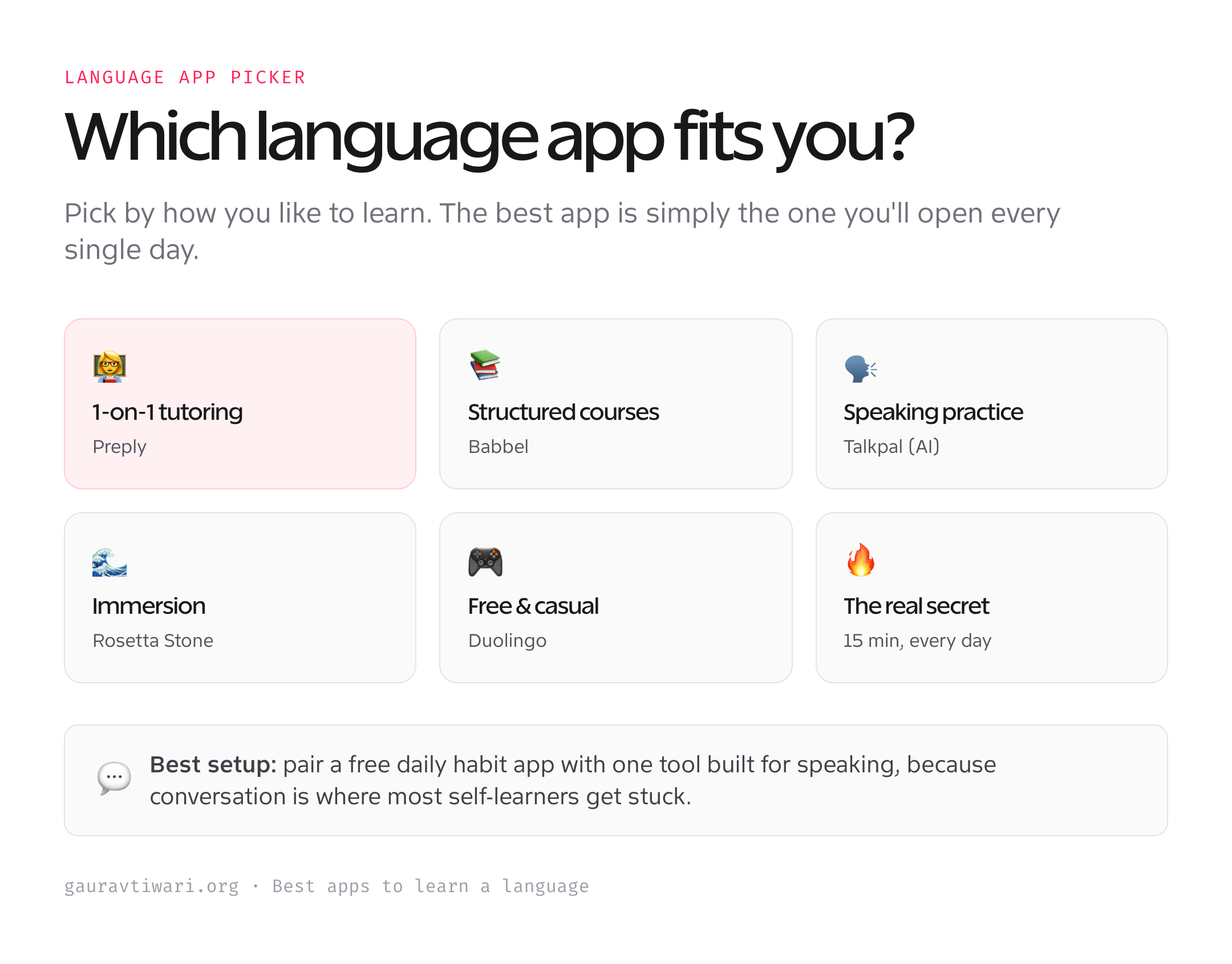
The smartest setup for most people is a free habit app for daily reps plus one tool aimed at speaking, since conversation is where most self-learners stall.
Which language app should you use?
If you want real conversation and accountability, Preply’s one-on-one tutors are the best investment. For structured self-paced courses, Babbel is the standout, while Rosetta Stone wins for pure immersion. To practice speaking without pressure, Talkpal’s AI tutor is brilliant, and Duolingo is the free, fun habit-builder everyone should run alongside whatever else they pick. Combine a daily free app with one paid tool for your weak spot and you’ll progress faster than any single app alone.
Frequently asked questions
Can an app really make me fluent?
An app alone rarely makes you fully fluent, but the right combination gets you remarkably close. Apps excel at vocabulary, grammar, listening, and daily consistency, and tools with live tutors (Preply) or AI conversation (Talkpal) add the crucial speaking practice. True fluency also needs real-world use, watching shows, reading, and talking to native speakers, but a good app builds the foundation and confidence to get there far faster than classes alone.
How much time per day should I practice?
Consistency matters far more than duration. Fifteen to twenty focused minutes every day beats a single long session once a week, because language learning relies on frequent repetition and review. Most apps are built around short daily lessons for exactly this reason. If you can add one or two longer speaking sessions a week with a tutor or AI, even better, but the daily habit is the engine that actually moves you forward.
Is Duolingo enough on its own?
Duolingo is excellent for building a daily habit, vocabulary, and basic grammar, and it’s free, so it’s a great starting point. But it’s light on real conversation and nuanced grammar explanation, so most learners plateau if they use it alone. The best approach is to use Duolingo for daily reps and pair it with a tool focused on speaking, like Preply’s tutors or Talkpal’s AI, once you have the basics down. Together they cover what either misses.
Are paid language apps worth it over free ones?
It depends on your goal. If you’re casually curious, free Duolingo may be all you need. If you have a real deadline, a trip, a job, an exam, paid tools earn their cost through structure (Babbel), immersion (Rosetta Stone), and especially live or AI speaking practice (Preply, Talkpal) that free apps don’t provide. Most paid apps cost only a few dollars a month, and the faster, more confident progress is usually well worth it.
The bottom line
The best way to learn a language is the app you’ll open every day. Preply gives you real tutors, Babbel gives you structure, Talkpal gives you fearless speaking practice, Rosetta Stone gives you immersion, and Duolingo gives you a free, fun daily habit. Pick the one that matches how you learn, pair it with regular speaking practice, and show up daily, that consistency is what turns an app into actual fluency.
Tell Google you want more of this.
Add Gaurav Tiwari as a preferred sourceOne tap, and this site shows up more often in your own Top Stories, AI Overviews and AI Mode. Remove it any time.
Disclaimer: This site is reader-supported. If you buy through some links, I may earn a small commission at no extra cost to you. I only recommend tools I trust and would use myself. Your support helps keep gauravtiwari.org free and focused on real-world advice. Thanks. - Gaurav Tiwari