
 by
byThe way we search for information online has changed quite a bit over the last few years. If you’ve spent any time looking at search results lately, you’ll have noticed that the old tricks of the trade don’t really cut it anymore. We’re living in an era where search engines are smarter, AI is everywhere, and users have absolutely zero patience for a website that doesn’t do exactly what it says on the tin.
Establishing authority in a niche isn’t just about writing a few blog posts and hoping for the best. It’s a technical challenge that requires a solid marriage between search engine optimization (SEO) and user experience (UX). When you’re working in a high-competition vertical, the margins for error are incredibly slim. You aren’t just competing with other businesses; you’re competing with the search engines themselves as they try to answer queries directly on the results page.
The Shift to Niche Authority: How AI is Redefining SERP Competition
I remember when ranking for a keyword was mostly about who could build the most backlinks. Those days are long gone. With the rise of generative AI and more sophisticated search algorithms, the focus has shifted firmly towards “Niche Authority.” Search engines are now much better at figuring out if a website actually knows what it’s talking about or if it’s just repeating what everyone else has said.

The search engine results page (SERP) is no longer just a list of links. It’s a curated experience. For those of us trying to stay visible, this means our content has to be more than just “good.” It has to be authoritative, original, and technically sound. AI-driven search tools are looking for sources they can trust to provide accurate information. If your site architecture is a mess or your content feels like it was written by a robot for a robot, you’ll find yourself buried on page ten.
We’ve seen a massive push towards E-E-A-T (Experience, Expertise, Authoritativeness, and Trustworthiness). This isn’t just a buzzword; it’s the backbone of how modern search works. To compete in 2026, you have to prove that you have real-world experience in your niche. This involves everything from having clear author biographies to ensuring your technical data is cited correctly. It’s about building a digital footprint that says, “We are the experts here.”
Architecting High-Performance Pillars: Moving Beyond Generic Content
Many of us have experienced the frustration of clicking on a guide that promises to explain a complex topic, only to find five hundred words of fluff. That’s exactly what generic content looks like, and it’s the quickest way to lose a visitor. Instead, we should be looking at architecting high-performance pillar pages.

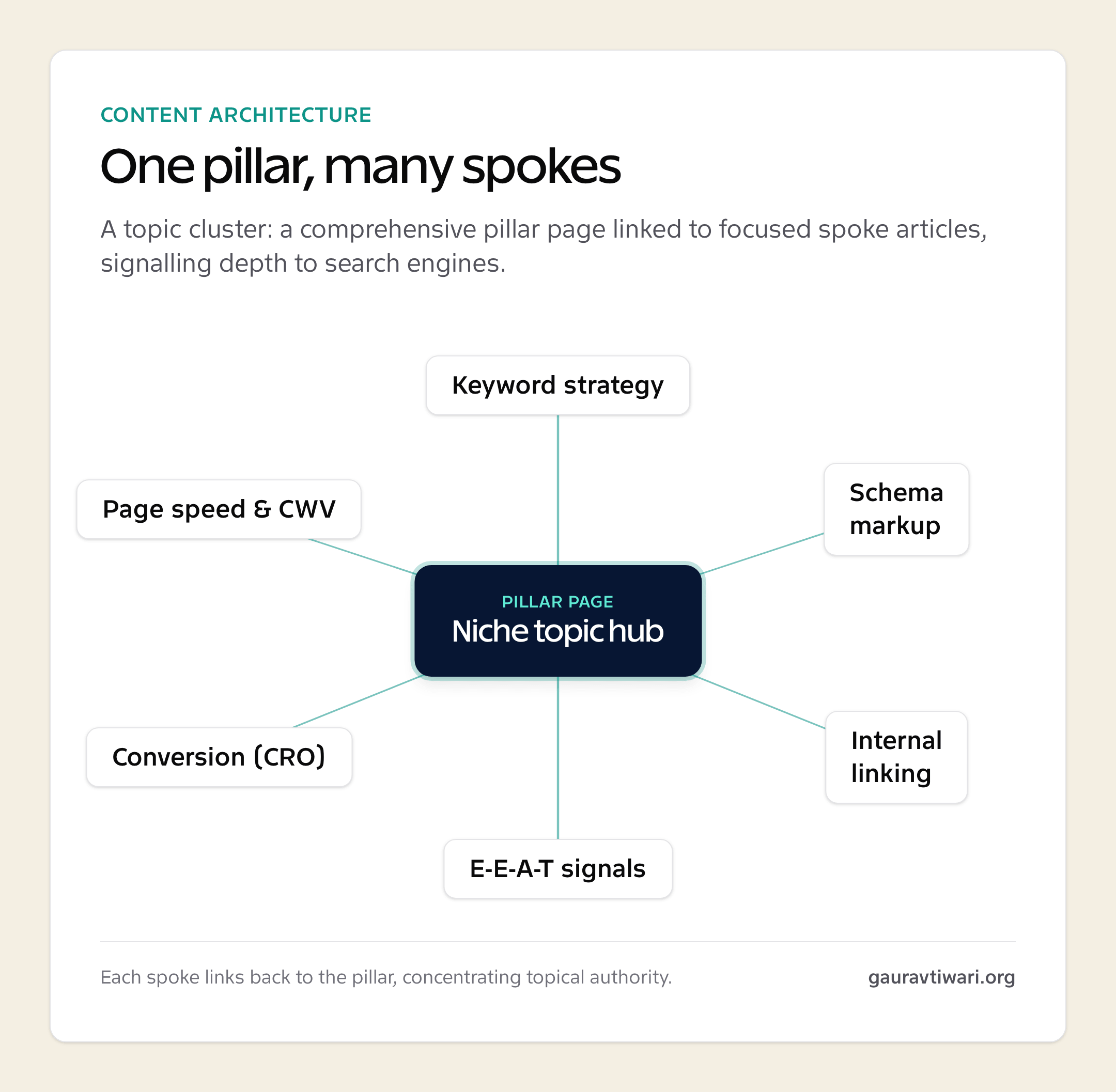
A pillar page is essentially the “hub” for a specific topic on your site. It should be comprehensive, covering the broad strokes of a subject while linking out to more detailed “spoke” articles. This structure does two things: it helps users navigate your site easily, and it tells search engines that you have a deep well of knowledge on the topic.
When I’m putting together a pillar page, I don’t just think about the text. I think about the hierarchy. How do the subheaders flow? Are we answering the questions that people are actually asking? Using schema markup is also vital here. It’s a bit of code that helps search engines understand the context of your content, whether it’s an FAQ section, a product review, or a how-to guide. By giving the search engine these “hints,” you’re far more likely to appear in those coveted rich snippets at the top of the page.
UX/UI Synergy in High-Engagement Verticals: A Focus on Page Speed and Interactive Elements
You can have the best content in the world, but if your site takes five seconds to load on a mobile phone, nobody is going to read it. In high-engagement verticals, UX and UI (User Interface) are just as important as the SEO itself. They’re two sides of the same coin.
Page speed is a massive factor. We’ve moved past the point where “fast enough” is acceptable. Google’s Core Web Vitals have made it very clear that metrics like Largest Contentful Paint (LCP) and Cumulative Layout Shift (CLS) directly impact your rankings. If your images aren’t optimized or your JavaScript is clogging up the works, your search visibility will suffer.
But it’s not just about speed. It’s about how the user interacts with the page. Interactive elements—think calculators, comparison tools, or even well-placed internal links—keep people on the site longer. This “dwell time” is a strong signal to search engines that your page is valuable. When a user finds a site easy to use and visually appealing, they’re much more likely to come back. I find that a clean, minimalist design often beats a cluttered one every time. You want to guide the user’s eye to the most important information without overwhelming them.
Case Study: Competitive Keyword Strategies in the iGaming Sector
To see these principles in action, we only need to look at the iGaming industry. This is perhaps one of the most competitive spaces on the internet. The sheer volume of sites vying for attention is staggering, which makes the technical SEO execution here even more impressive.
A great example of this is how a major brand like Rainbow Riches Casino handles its high-value pages. If you look at their page for online slots, you can see a masterclass in site architecture. This isn’t just a landing page; it’s a technical hub designed to support visibility in a market where every keyword is a battleground.
From a technical perspective, the page is built to be incredibly fast and responsive. But more importantly, the internal linking structure is very deliberate. By using the anchor text “online slots” effectively, they signal to search engines exactly what the page is about without over-optimizing. The content on the page balances the need for information with regulatory requirements, ensuring that it remains helpful to the user while following strict industry guidelines.
For digital marketing professionals, analyzing a site like this provides a blueprint for how to handle competitive keywords. You’ll notice the use of breadcrumbs for easy navigation, the clear categorization of different types of games, and the way they integrate responsible gambling information naturally into the layout. It’s a reminder that in 2026, winning at SEO isn’t about being “clever”; it’s about being thorough and user-centric.
(Please remember that gambling should always be approached responsibly. It is only for those aged 18 and over. For help and support, you can visit BeGambleAware.org.)
Conversion Rate Optimization (CRO) Frameworks for Technical and Marketing Hubs
So, you’ve got the traffic. People are landing on your site, and your SEO is working wonders. Now what? This is where Conversion Rate Optimization, or CRO, comes into play. It’s all well and good having thousands of visitors, but if none of them are taking the action you want them to take, then your “authority” isn’t doing much for your bottom line.
CRO is often thought of as a marketing task, but it’s deeply rooted in technical excellence. It’s about reducing friction. Every extra click a user has to make, or every form field they have to fill out, is an opportunity for them to leave.
I find that the best CRO frameworks are those that rely on data rather than guesswork. A/B testing is your best friend here. You might test two different versions of a call-to-action button—perhaps one is green and one is blue, or one says “Get Started” and the other says “Learn More.” Over time, the data will tell you which one performs better.
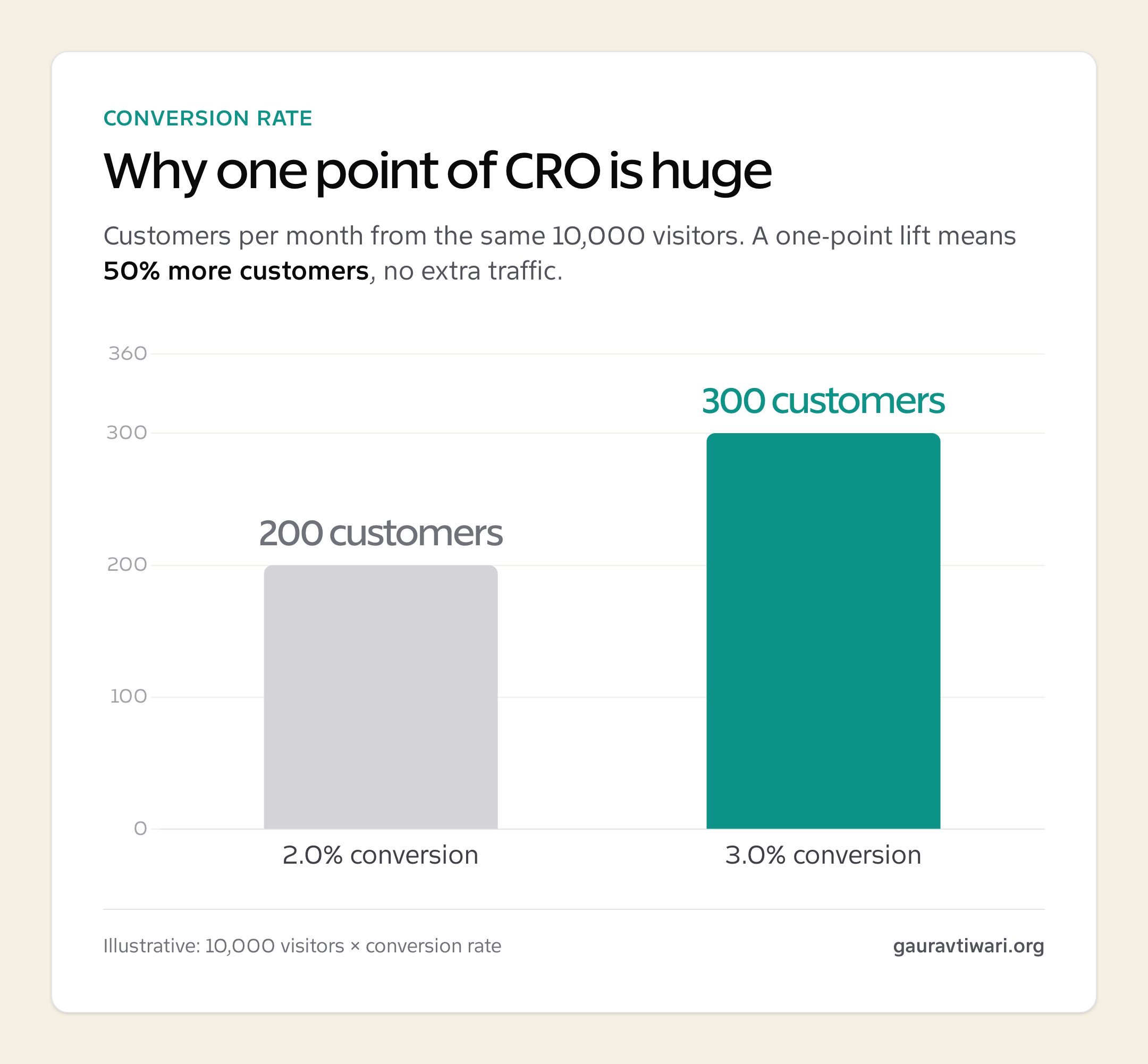
In high-competition verticals, even a 1% increase in conversion rate can mean a huge difference in revenue. We should also look at “heatmaps” to see where people are clicking and where they’re getting stuck. Sometimes, something as simple as moving a piece of important information higher up the page can completely change how users interact with your site.
Building lasting site authority through technical excellence
As we look ahead, it’s clear that the bar for “niche authority” is only going to get higher. The days of cutting corners are behind us. If you want your site to stand the test of time, you have to invest in its technical foundation.
Future-proofing your site means staying on top of the latest algorithm changes, yes, but it also means never losing sight of the human being on the other side of the screen. Are you providing them with real value? Is your site a joy to use, or is it a chore?
By focusing on high-performance pillar content, ensuring your UX is top-notch, and learning from the technical successes of leaders in competitive fields, you can build a site that doesn’t just rank well today, but stays relevant for years to come. It’s a constant process of refining, testing, and improving, but the rewards for getting it right are well worth the effort. In the end, authority isn’t something you can just claim—it’s something you earn by being the most reliable, technical, and user-friendly resource in your field.
Tell Google you want more of this.
Add Gaurav Tiwari as a preferred sourceOne tap, and this site shows up more often in your own Top Stories, AI Overviews and AI Mode. Remove it any time.