
How Crypto Casinos Are Redefining Online Gambling in 2026
Stablecoins, provably fair systems, sub-minute withdrawals, and smarter regulation are rewriting the trust stack of online gambling. Here's what actually changed, which platforms are capturing market share, and what to check before you deposit.
 by
by

Online gambling runs on trust. You bet real money and you trust the platform to pay out, settle the round fairly, and not quietly rig the odds. For two decades that trust came from licenses, eCOGRA certification seals, and support teams that answered in 3-5 business days. Blockchain is quietly rewriting the whole stack.
The shift isn’t really about paying with crypto. It’s about verification. Players can now inspect the game logic, hash the outcome before the spin, and confirm a result wasn’t altered mid-round — without emailing support or waiting for an annual audit report. That’s the part that’s changing the numbers.
Below are the four shifts that matter: market size, stablecoins solving volatility, provably fair going mainstream, and how regulation is starting to separate serious platforms from the rest.
The Numbers You Can’t Ignore
The crypto gambling market is projected to reach billions in revenue by 2026, tracking a 12-15% compound annual growth rate. Five years ago, crypto-native casinos were a rounding error in global iGaming. In 2026 they’re a clearly identifiable slice, growing faster than the fiat segment around them.
Those projections aren’t based on marketing forecasts. They’re drawn from on-chain deposit flows, daily active wallet counts, and new-user cohorts at the top platforms. Three things are driving most of the growth:
- Stablecoins removed the volatility problem that killed early crypto gambling.
- Provably fair systems turned fairness from a certification into a cryptographic check anyone can run.
- Faster withdrawals — minutes, not days — turned cashout from a support ticket into a default expectation.
Stablecoins Solved the Volatility Problem
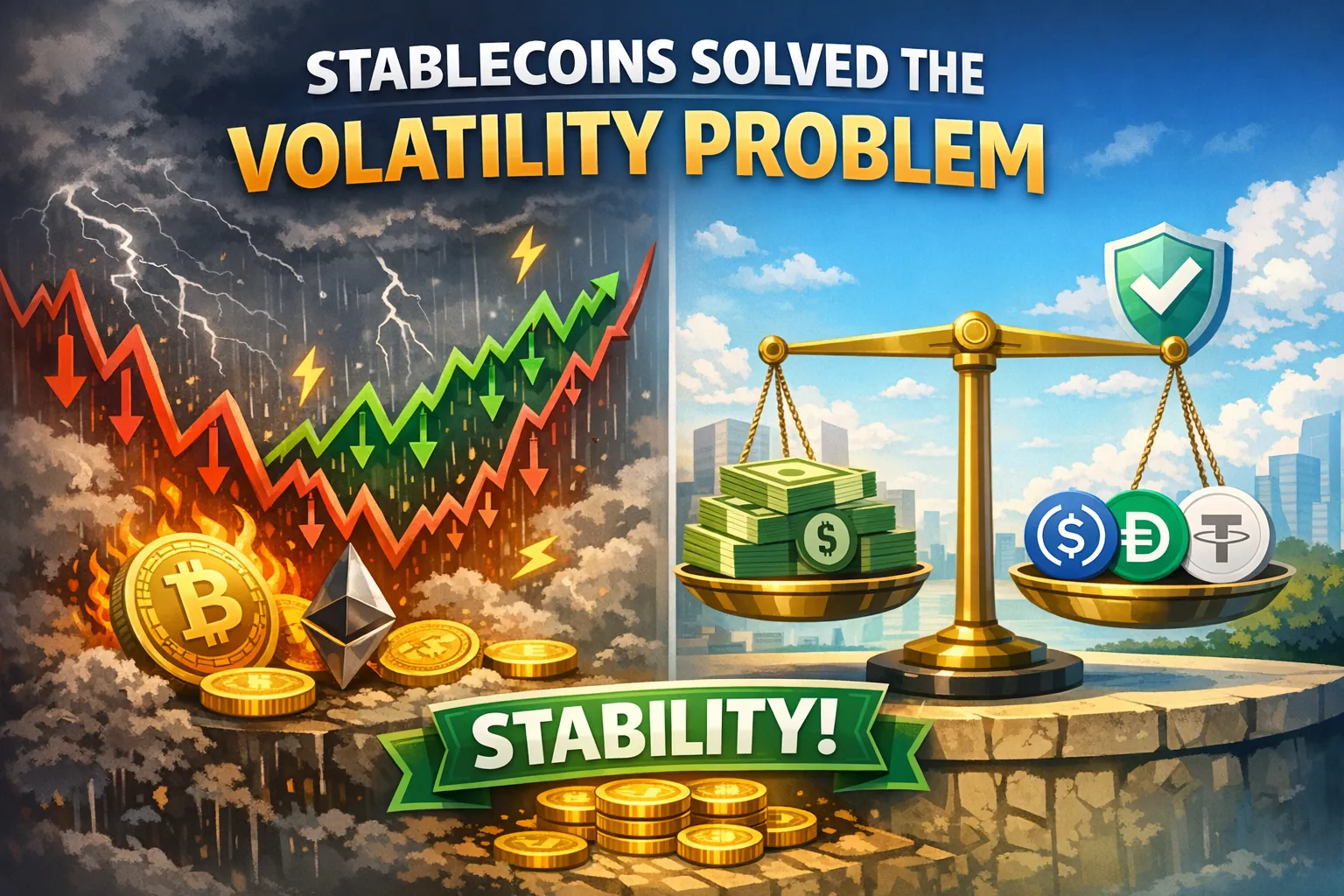
Early crypto gambling had an obvious problem. You deposited 0.01 BTC, Bitcoin dropped 6% during a two-hour session, and your buy-in was smaller before you’d even placed a bet. The experience felt unstable because it was unstable.
USDT and USDC changed that. Both are pegged 1:1 to the US dollar, backed by cash and short-term Treasuries, and transact on the same rails as the rest of crypto. You deposit 100 USDC, you play with 100 USDC worth of buying power, you withdraw 85 USDC after a session, and the balance reflects exactly what happened at the tables. No sleight-of-hand from market moves.
The second half of the fix is withdrawal speed. A stablecoin transfer on Polygon or Arbitrum settles in under a minute for cents in gas. Compare that to the 3-5 business-day ACH/wire timeline most fiat sportsbooks still run. Crypto casinos that pay out in minutes are pulling recreational players off the platforms that still take days.
Stablecoin ≠ risk-free. Depegging events (UST 2022, USDC briefly in March 2023 during the SVB collapse) have happened and will happen again. Keep balances you aren’t actively playing with off the casino and in cold storage. Casinos are not banks.
Provably Fair Is Becoming the Standard
Conventional casinos rely on third-party auditors. eCOGRA, iTech Labs, GLI — they all run periodic audits, issue certificates, and the casino displays a seal in the footer. Most players never verify anything. They trust the brand of the auditor.
Provably fair systems take the auditor out of the trust chain. The casino publishes a cryptographic hash (typically SHA-256) of the round’s seed before the spin happens. After the round resolves, the casino publishes the seed itself. You take the seed, hash it yourself, and compare it to the hash published pre-spin. If they match, the outcome wasn’t tampered with between the two events.
The player seed matters too. In most modern implementations, the final outcome combines the casino seed with a player-supplied seed. You can change your seed at any time. That means even if the casino tried to pre-compute favorable outcomes, they couldn’t — because they don’t know your seed until you send it.
Provably fair isn’t a nice-to-have anymore. Platforms that still rely only on “trust us, we’re licensed in Curaçao” struggle against ones that let you verify every spin. Players who’ve learned to check the hash don’t go back.
How 2026 Platforms Are Different
The newest wave of crypto casinos launching in 2026 doesn’t compete on game variety or 200% welcome bonuses. They compete on infrastructure. The table stakes have moved.
- Multi-chain support. Ethereum mainnet, Polygon, Arbitrum, Base, Solana, BNB Chain, TON. Users deposit from whichever chain they already hold assets on, without bridging.
- Stablecoin-first deposits. USDT and USDC are the primary currencies; BTC and ETH are treated as secondary. Reverses the priority order of 2019-era platforms.
- On-chain features that matter. VIP status tracked on-chain so it’s portable. Referral rewards paid via smart contract. Tournament leaderboards readable by anyone.
- Community-driven growth. Streamers on Kick, Twitch, and Twitter drive deposit volume that rivals paid acquisition. A single mid-tier streamer can push six-figure weekly deposit volume.
The other quiet shift: smart contracts are handling more of the loyalty and bonus logic. The old opaque “turn over your bonus 40x before you can withdraw” rules get replaced with on-chain state that anyone can read. That’s faster to process, clearer for the player, and less prone to the “your bonus was forfeited due to a term you didn’t see” disputes that plagued earlier platforms.
Regulation Is Separating Serious Platforms from the Rest
Not every crypto casino will be around in three years. Regulation is tightening, and that’s actually good news for the category.
Europe’s Markets in Crypto-Assets (MiCA) regulation took effect in stages through 2024-2025. MiCA itself doesn’t directly regulate casinos, but it reshapes how the payment rails underneath them work — stablecoin issuers need EU authorization, on-chain transaction flows need tighter KYC/AML controls, and custody requirements for user funds got stricter. Crypto casinos that process European players now operate inside that framework whether they serve EU markets directly or not.
In the US, the picture is fragmented. Individual states license sports betting and iGaming separately, and most state-licensed sportsbooks don’t accept crypto deposits directly. That’s pushed most crypto-native casinos offshore — Curaçao, Anjouan, Isle of Man, Gibraltar. Anjouan licenses specifically became common in 2024-2025 because they’re cheap and quick, but they come with weaker player-protection requirements than Malta or the Isle of Man.
Compliance has become an edge rather than a cost. Platforms that hold an MGA license (Malta) or UKGC license for their fiat sister-brand — and apply the same standards to their crypto offering — are pulling deposits from the ones running on just a Curaçao or Anjouan shell. Still real challenges remain:
- Uneven offshore licensing. A Curaçao 8048/JAZ license says almost nothing about player-fund segregation or dispute resolution.
- Smart contract audit quality. Not every “audited” contract was audited by CertiK, Trail of Bits, or OpenZeppelin. Check the audit report, not the seal.
- Phishing and wallet drainers. Fake casino domains targeting wallet-connect flows are now a recognized attack vector. Always verify the URL before signing a transaction.
What This Means If You’re Building or Investing
If you’re launching a crypto casino in 2026, the minimum viable product looks very different from 2019’s minimum viable product. The baseline now:
- Native USDT and USDC support on at least three chains (ETH, one L2, one non-EVM chain).
- Provably fair across house games; third-party RNG certification for slots.
- Sub-five-minute median withdrawal time for amounts under $10,000.
- A license stronger than a Curaçao shell — MGA, Isle of Man, Anjouan with proper audits, or a regulated EU/UK fiat brand operating the crypto side under the same standards.
- A public, verifiable proof-of-reserves report or on-chain hot-wallet address.
For investors, the retention curve is the signal that matters. Deposit bonuses and welcome offers acquire users; only fast payouts, clear rules, and verifiable fairness retain them. Cohorts that return in month two and month three are the ones that compound. Platforms optimizing for acquisition-cost-over-LTV usually die between $50M and $200M in lifetime deposits.
Play responsibly. Online gambling is entertainment, not income. Set a budget before you start, use deposit/loss/session limits, and stop if play stops being fun. Crypto casinos move money faster than fiat ones — that speed cuts both ways. BeGambleAware (gamcare.org.uk), GamStop (UK self-exclusion), and the National Council on Problem Gambling (1-800-522-4700 in the US) offer free, confidential help.
The Quiet Rewriting of an Industry
The substantive change isn’t “you can now deposit in Bitcoin.” That’s been possible since 2014. The real shift is that the audit layer, the settlement layer, and the fairness proof can all be inspected by the player in real time, using only a public blockchain and a hash function. Trust moves from the casino’s brand to the math.
Platforms that embrace that shift — stablecoin-first, provably fair, sub-minute withdrawals, real licensing — are the ones quietly capturing market share from the 2015-era fiat incumbents. Platforms that don’t will get commodified out of the market as players learn what to check. The gap is widening. It will keep widening.
Crypto Casino FAQs
What is a provably fair crypto casino?
A provably fair casino publishes a cryptographic hash of each round’s outcome seed before the round happens, then reveals the seed after. You hash the revealed seed yourself and compare it to the pre-round hash. If they match, the outcome wasn’t changed mid-round. Modern implementations also mix in a player-supplied seed so the casino can’t pre-compute results against you.
Are crypto casinos legal?
It depends on your jurisdiction. Crypto casinos are fully legal in some regulated markets (Malta, Isle of Man, many EU states) and operate offshore for most of the rest of the world (Curaçao, Anjouan, Gibraltar). US federal law generally prohibits online casino gambling, though individual states regulate their own markets. Check your country’s rules before signing up, and never use a VPN to circumvent geo-restrictions — that usually voids your winnings.
Which stablecoin is safest for crypto gambling?
USDC (issued by Circle) is generally considered the safest due to monthly attestations of its reserves and US banking relationships. USDT (Tether) has the largest supply and deepest liquidity but less transparent reserves. Both briefly depegged in 2023, so don’t hold balances you aren’t actively playing with. Withdraw winnings to a self-custodial wallet or back to fiat regularly.
How fast should a crypto casino pay out?
Sub-five minutes for withdrawals under $10,000 is the current standard for well-run crypto casinos. Larger cashouts or KYC-triggered reviews can take 24-48 hours. If a casino routinely takes 3+ business days for a small withdrawal, that’s a red flag — they’re likely front-running payouts from deposits, which is how crypto casinos typically collapse.
What’s the difference between a Curaçao and an MGA license?
Curaçao licenses (8048/JAZ and the newer LOK framework) are the cheapest option and are common for crypto casinos. They require minimal player-fund segregation and have weak dispute-resolution mechanisms. The Malta Gaming Authority (MGA) and UK Gambling Commission (UKGC) licenses require segregated player funds, regulated responsible-gambling tools, and independent dispute resolution — but cost six figures and take 6-12 months to obtain. Platforms with MGA/UKGC licensing generally offer stronger player protection.
Can I lose money from stablecoin volatility while playing?
In normal conditions, no — USDC and USDT are pegged 1:1 to the US dollar and fluctuate by fractions of a cent. During rare depeg events (UST 2022, USDC briefly in March 2023 during SVB collapse), values dropped temporarily. The practical advice: don’t hold large stablecoin balances inside a casino wallet when you aren’t actively playing, and prefer platforms that support multiple stablecoins so you can diversify.
Do crypto casinos report to the IRS?
Most offshore crypto casinos don’t issue 1099s or report to any tax authority, but US taxpayers are still legally required to report gambling winnings and capital gains on their tax returns. Keep records of your deposits, withdrawals, and net wins/losses. Form 8949 covers the capital-gains side (any stablecoin you held that changed in value); Schedule 1 covers gambling income. Talk to a CPA familiar with crypto if your activity is meaningful.
What should I check before playing at a new crypto casino?
Verify the license (not just a logo — check the issuing regulator’s public database), read the provably fair documentation and actually hash a test round, check withdrawal times in recent third-party reviews, confirm the smart contracts are audited by a recognized firm (CertiK, Trail of Bits, OpenZeppelin), and start with a small deposit before you scale up. If a platform can’t explain its withdrawal-queue policy clearly, find another one.
Tell Google you want more of this.
Add Gaurav Tiwari as a preferred sourceOne tap, and this site shows up more often in your own Top Stories, AI Overviews and AI Mode. Remove it any time.
Disclaimer: This article is for information only, not legal or financial advice. Online betting and iGaming are regulated, and rules vary by location. Make sure you are allowed to play where you live. Gambling involves real financial risk and can be addictive. Only play with money you can afford to lose, and get help if it stops being fun.