The Digital Evolution of Stakes: A 2026 Perspective on Real Money Gaming
 by
by
For many digital enthusiasts, the transition from classic gaming to real-money platforms can feel like stepping onto a high-speed train without a map.
In 2026, the online casino world is no longer just about flashy interfaces. It’s a sophisticated convergence of fintech, cybersecurity, and immersive UX. The challenge for the modern player isn’t finding a place to play, it’s finding a platform that treats your capital with the same respect as a Swiss bank.
As someone who has spent over a decade analyzing how fast-loading systems and secure architectures drive user trust, I’ve seen the “wild west” of early iGaming transform into a regulated, tech-heavy industry. When you’re looking for expert analysis on real money casinos, the focus must shift from “who has the biggest bonus” to “who has the most transparent infrastructure.”
The iGaming industry is evolving rapidly. This article focuses on the technology and security architecture behind real money casino platforms, not on gambling strategy or specific platform endorsements. Always gamble responsibly and check your local regulations.
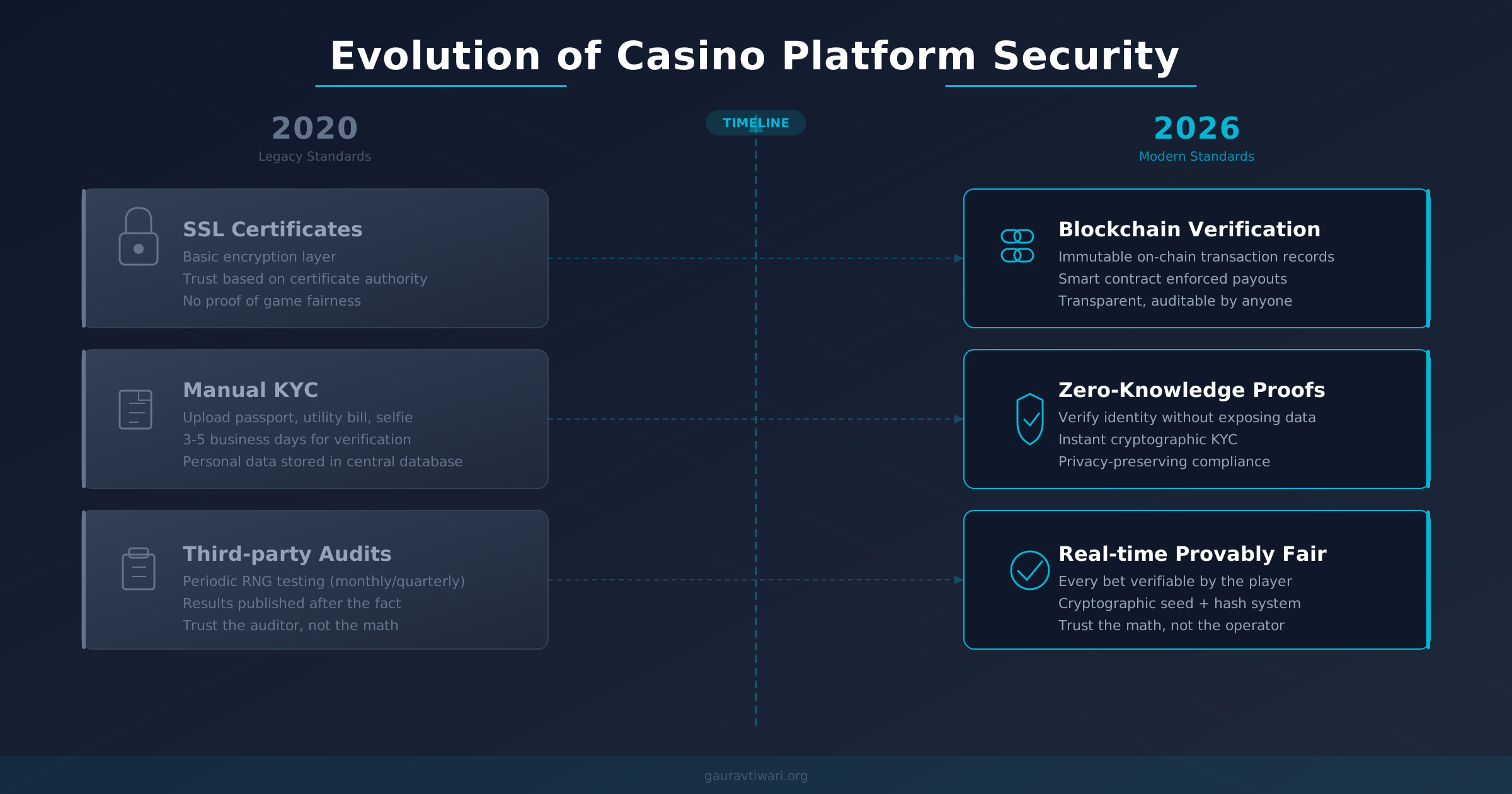
The Pillars of a Reliable 2026 Gaming Platform
The “Color of Money” in the digital age is defined by the technology supporting the transaction. We’ve moved far beyond simple SSL certificates. If you are assessing a site today, these are the non-negotiables.
1. Provably Fair Algorithms
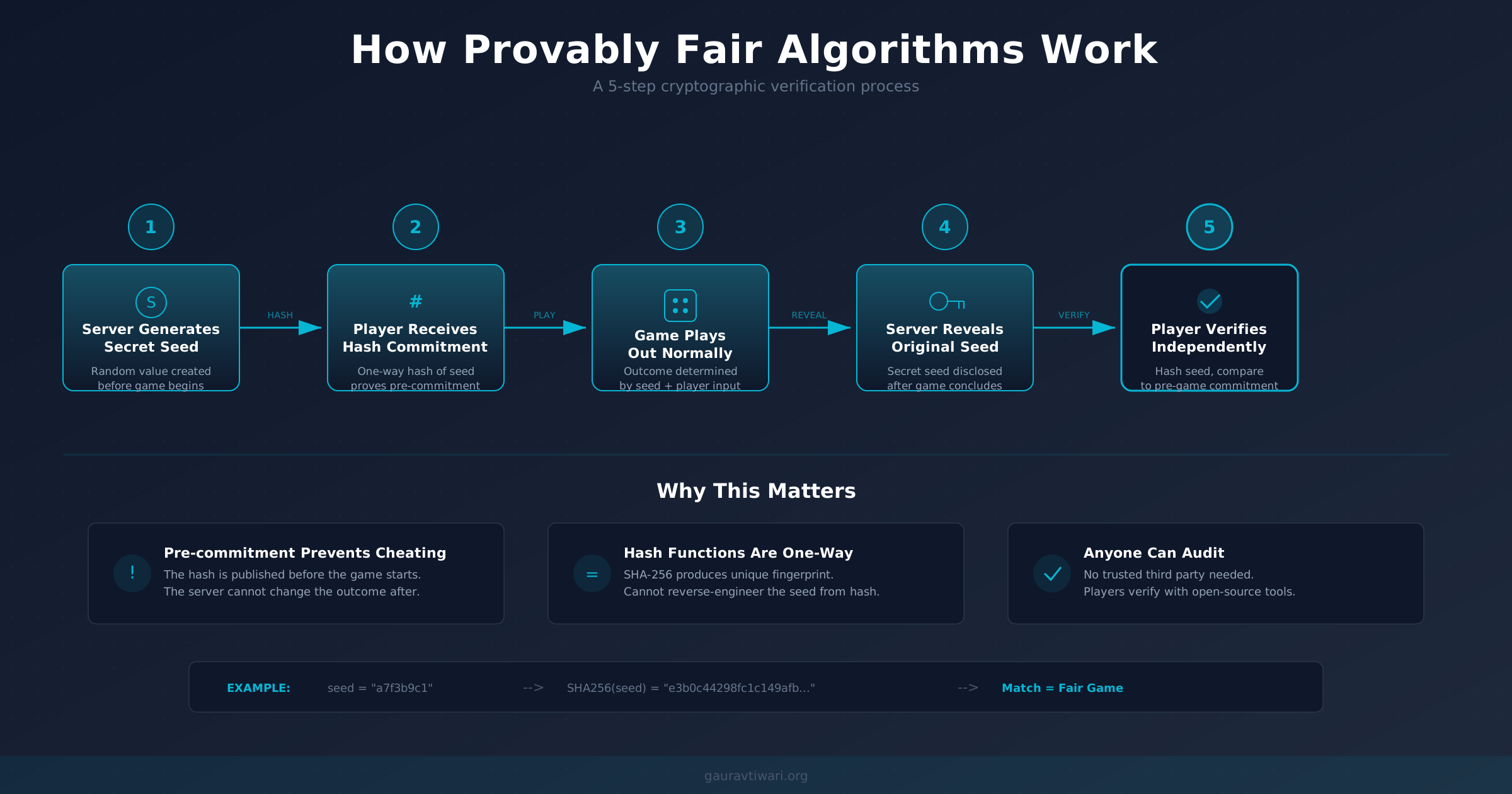
The most significant leap in recent years is the adoption of blockchain-based “Provably Fair” systems. This technology allows you to manually verify that the outcome of a spin or a hand was truly random and hasn’t been tampered with. It moves the trust from a corporate promise to a mathematical certainty.
Here’s how it works: the casino generates a secret seed before each round, hashes it, and shares that hash with you. After the round, the original seed is revealed. You can then independently hash the seed and compare it to the pre-game hash. If they match, the game was fair. No trust required, just math.
2. The Speed of Liquidity
In 2026, a “fast” payout isn’t measured in days. It’s measured in minutes. Top-tier real money casinos now utilize Layer-2 blockchain solutions or instant banking APIs to ensure that when you hit a win, the funds are in your wallet before you’ve even closed the tab.
Layer-2 solutions work by processing transactions off the main blockchain, then settling them in batches. This dramatically reduces fees and confirmation times while maintaining the security guarantees of the underlying blockchain. For players, this means near-instant withdrawals without the 48-72 hour waiting periods that plagued the industry for years.
3. Data Sovereignty and Minimalist KYC
Privacy is the new luxury. The best platforms are moving away from requesting physical copies of your passport for every minor transaction. Instead, they utilize zero-knowledge proofs and instant verification tools that confirm your identity without storing your sensitive documents on vulnerable servers.
Zero-knowledge proofs let a platform verify that you meet age and identity requirements without actually seeing your personal data. The verification happens mathematically, not through document storage. This is a fundamental shift in how online platforms handle compliance, and the iGaming industry is leading adoption.
When evaluating any real money platform, check whether they use provably fair algorithms and what blockchain infrastructure backs their payout system. These two factors tell you more about platform reliability than any marketing claim.
Strategic Thinking: Beyond the Spin
Efficiency is everything, whether you’re optimizing a website or evaluating a gaming platform. The same analytical mindset applies.
Bonus Transparency: Always check the wagering-to-time ratio. A massive bonus is useless if the expiration date makes it mathematically impossible to clear. Look for platforms that publish clear wagering requirements with realistic timelines.
Mobile Architecture: A casino that isn’t optimized for sub-second mobile loading isn’t just annoying, it’s a sign of outdated security and backend tech. If a platform can’t get the frontend right, question what’s happening behind the scenes.
2026 vs 2020: How Casino Tech Standards Have Changed
The gap between where the industry was and where it is now is staggering. Here’s a direct comparison of the metrics that matter.
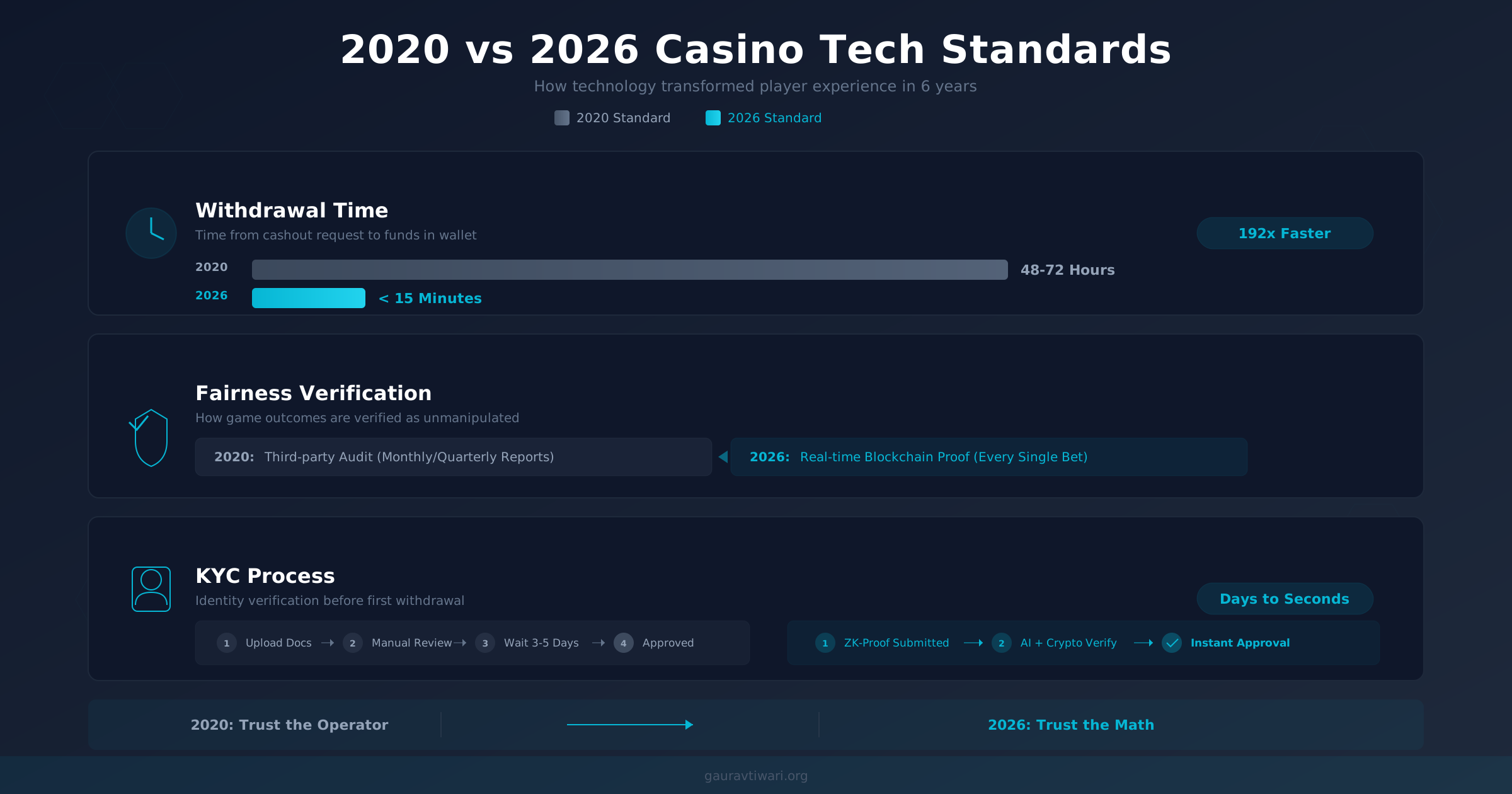
| Metric | Industry Standard (2020) | Expert Standard (2026) |
|---|---|---|
| Withdrawal Time | 48-72 Hours | < 15 Minutes |
| Fairness Check | Third-party Audit | Real-time Blockchain Proof |
| KYC Process | Manual Uploads | Instant/AI-Verified |
The Verdict: Information is the Ultimate Edge
The iGaming industry evolves faster than almost any other tech sector. Success in this space, whether you’re a developer looking at gamification or a player looking for a fair game, comes down to the quality of your information. By relying on data-driven reviews and technical analysis, you ensure that your experience is defined by entertainment rather than frustration.
Real money gaming in 2026 is a tech-first experience. Choose platforms that invest in their architecture as much as they do in their marketing. The technology is there to protect you, but only if you know what to look for.
Frequently Asked Questions
What are provably fair algorithms in online casinos?
Provably fair algorithms use blockchain technology to let players independently verify that game outcomes are truly random. The casino generates a secret seed, shares its hash before the game, then reveals the seed afterward so you can verify the result mathematically.
How do I know if an online casino is safe to use?
Check for a valid gambling license from a recognized authority like the Malta Gaming Authority or UK Gambling Commission. Look for SSL encryption, transparent terms, and independent audit reports from firms like eCOGRA. Legitimate platforms also offer responsible gambling tools.
What payment methods do modern online casinos support?
Most platforms now support traditional methods like credit cards and bank transfers alongside cryptocurrency options like Bitcoin and Ethereum. Crypto transactions typically offer faster withdrawals and lower fees. Look for platforms that process withdrawals within 24 hours.
How has casino technology changed since 2020?
The shift has been massive. We’ve gone from basic SSL certificates to blockchain-verified fairness, from 48-hour withdrawals to near-instant crypto payouts, and from simple random number generators to provably fair systems. Mobile-first design and AI-powered responsible gambling tools are now standard.
What should I look for in a real money gaming platform in 2026?
Prioritize licensing, provably fair gaming, fast withdrawal speeds, and data privacy practices. Look for platforms with minimalist KYC that collects only what’s legally required. Transparent fee structures and responsive customer support are also non-negotiable.
Is cryptocurrency gambling legal?
It varies by jurisdiction. Some countries regulate crypto gambling the same as traditional online gambling. Others have gray areas. Always check your local laws before depositing. Licensed crypto casinos operating under recognized regulatory bodies offer the most legal protection.
Tell Google you want more of this.
Add Gaurav Tiwari as a preferred sourceOne tap, and this site shows up more often in your own Top Stories, AI Overviews and AI Mode. Remove it any time.
Disclaimer: This article is for information only, not legal or financial advice. Online betting and iGaming are regulated, and rules vary by location. Make sure you are allowed to play where you live. Gambling involves real financial risk and can be addictive. Only play with money you can afford to lose, and get help if it stops being fun.