

JEE Main preparation is a marathon, not a sprint. But when you’re stuck on tough topics, you need specific study hacks to break through. I share memory techniques, problem-solving strategies, and revision methods that help you retain complex concepts in physics, chemistry, and mathematics. These methods worked for me and thousands of students I’ve helped.

Why choose engineering in 2026? I lay out the data-backed case after 18 years in the field: about 186,500 BLS openings a year, a $97,310 group median (double the all-jobs median), the best-paying branches (AI ~$206K, hardware $155,020, mechanical $102,320), and an honest look at AI’s impact on entry-level hiring, plus exactly who should and shouldn’t pick engineering as a career.
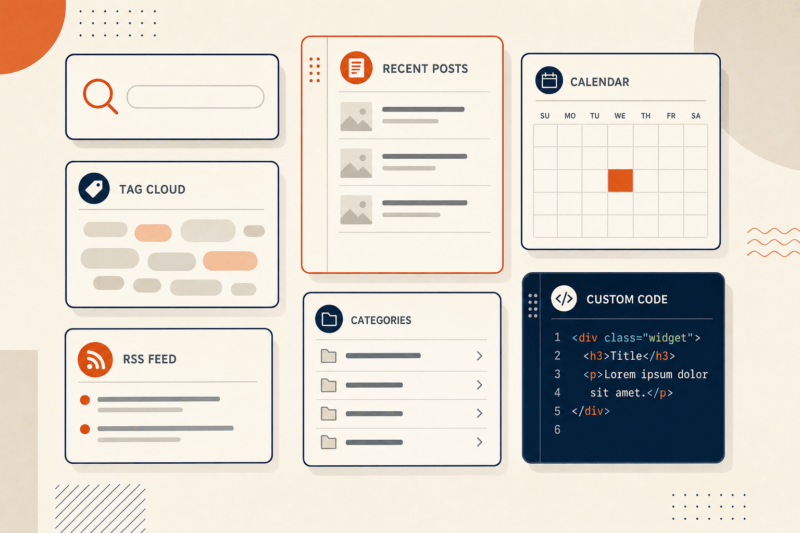
A custom WordPress widget is one PHP class with four methods, and that still works perfectly on classic themes. This updated tutorial ships a complete, copy-paste CTA widget plugin with proper escaping and sanitization, explains the block-based widget screen, and tells you exactly what to build instead if your block theme has no widget areas.
POS systems vary wildly by industry, transaction volume, and feature need. Here’s the analytical decision framework: 5 industries compared, hidden cost analysis, and the providers that fit each business stage.
To sell your old phone for the most money in 2026: run it through a comparison platform like BankMyCell first, then choose Swappa for top cash, a manufacturer trade-in for instant credit, or EcoATM/Gazelle for broken devices. Timing and a full data wipe matter most. Comparison tables, depreciation data, and the two mistakes that tank resale value.
Learn how to write a product review that converts in 2026. Get the 3-part review-writing template, the all-positive trust mistake that kills conversions, what changed with Google’s reviews system and AI search, and a copy-ready structure checklist, from 18 years and 800+ projects.

Driverless cars now run 500,000+ paid robotaxi rides a week across 10 US cities. Here is where autonomous technology actually stands in 2026, and how it reshapes insurance, manufacturing, trucking, rideshare, real estate, and jobs, with the tradeoffs and timeline most coverage skips.

Plagiarism in political speeches keeps making headlines, and the Melania Trump 2016 RNC case is the cleanest example: borrowed passages from Michelle Obama’s 2008 speech, admitted two days later by speechwriter Meredith McIver. I break down what was actually copied, the disputed Michelle Obama-Alinsky echo, and the process habits any writer can use to stay original, plus what AI changed about plagiarism detection in 2026.
Teaching effectiveness isn’t about traditional versus modern tools. It’s about engagement. Students learn when they’re actively involved, not passively listening. I share eLearning strategies that genuinely increase student engagement: interactive content, gamification, collaborative projects, personalized learning paths, and the feedback mechanisms that keep students motivated.

Online MBA degrees have earned equal credibility with traditional programs, and they offer something campus-based programs can’t: flexibility. I explore how an online MBA benefits your career: from scheduling around your current job and saving on relocation costs to building a global network and developing the self-discipline that employers increasingly value.

With 95% of purchases projected to move online by 2040, building a strong online business isn’t optional. But the competition is fierce. I share six practical tips for building a better online business: from customer experience optimization and data-driven marketing to operational efficiency, brand differentiation, and the scalability strategies that separate growing businesses from stagnant ones.
Assessment centres reveal candidate capabilities that resumes and interviews can’t. Instead of relying on assumptions, you see candidates demonstrate skills in real-time through exercises, group discussions, and simulations. I explain why organizations should use assessment centres for recruitment: better hiring accuracy, reduced turnover, and fairer evaluation processes that identify genuine talent.