

Instagram shoutouts from established accounts can rapidly grow your following and sales. But getting them requires strategy. I share five practical tips for earning Instagram shoutouts: from building relationships with influencers and creating shareable content to engagement group strategies and the direct outreach approaches that actually get responses from accounts in your niche.


Content readability directly impacts whether your message reaches your audience. Poor readability means readers bounce, regardless of how good your content is. I share specific techniques for improving readability: sentence structure simplification, paragraph formatting, subheading usage, font selection, and the readability scoring tools that help you measure and improve consistently.

You don’t need $5,000 to launch. I show how to reduce startup costs to $48 upfront and $4/month: the exact free-tier stack, where cutting corners backfires, what AI changed in 2026, and the revenue-first path to your first sale.
SEO basics, explained in the order a beginner should learn them: how search engines crawl, index, and rank, keyword intent, on-page, speed, content quality, links, and Google Search Console. Plus what AI Overviews changed in 2026 (the basics still win) and when to hire SEO out instead of doing it yourself.

Facebook Ads and Google Ads serve different purposes, and the smartest marketers use both. Google captures people actively searching for solutions. Facebook targets people based on interests and behavior. I compare both platforms on cost, targeting, ad formats, conversion patterns, and ROI to help you decide where to invest your advertising budget for maximum returns.

I bought my first Viking drinking horn at a Renaissance fair in 2016. It was poorly sealed and smelled terrible. That experience sent me down a rabbit hole of horn craftsmanship. I explain how Viking drinking horns are actually made: from raw horn selection and cleaning to shaping, sealing, and finishing techniques that produce both functional and decorative pieces.
Balancing NEET preparation with Class 11 and 12 board exams is challenging but manageable with the right strategy. Before boards roll around in February and March, you need a structured academic calendar that serves both goals. I share specific preparation tips for managing both simultaneously without burning out or compromising either set of results.
Blogger outreach is a powerful digital marketing channel when executed properly. It builds backlinks, increases brand awareness, and drives targeted traffic to your business. I explain how blogger outreach works, why it’s effective for online businesses, how to identify the right bloggers to partner with, and the outreach process that leads to genuine relationships rather than ignored emails.

Inventory shrinkage costs businesses billions annually. When your actual stock doesn’t match your records, something has gone wrong: theft, damage, administrative errors, or supplier fraud. I explain how to identify shrinkage sources, implement prevention measures, conduct effective audits, and use technology to maintain accurate inventory counts that protect your profit margins.
In-house designer vs freelancer vs agency in 2026: a full-time in-house designer costs k+ loaded. See the real math, the break-even, and when to hire.
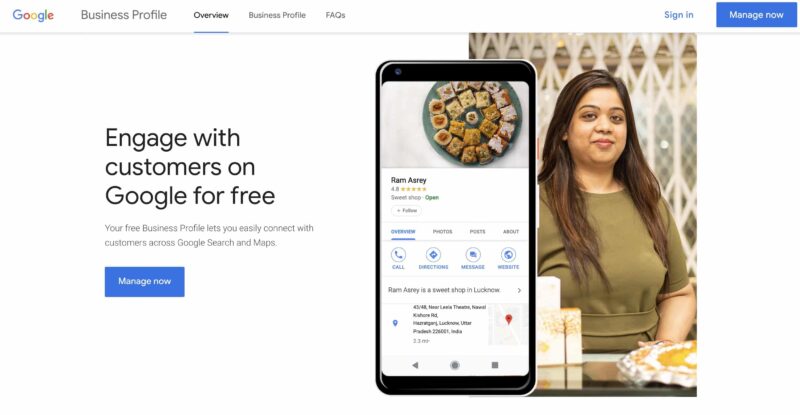
Google Business Profile (formerly Google My Business) is the single most impactful tool for local SEO. When people ‘just Google it,’ your business profile is what they see. I explain how to optimize your listing for maximum local visibility: verification setup, category selection, review management, posting strategy, and the attributes that help you stand out in local search results.

Phone contracts with no upfront cost sound appealing, but the total cost of ownership matters more than the initial price. I explain how to find the best zero-upfront phone contracts: comparing monthly payments, understanding data limits, evaluating network coverage, and calculating whether spreading the cost actually saves you money compared to buying the phone outright.