
 by
by
Most lists of ways to make money online are written by people whose only online income is writing lists about it. That’s why the same 20 entries keep circulating: surveys that pay below minimum wage, trading schemes that regulators keep warning about, and “passive income” ideas that died a decade ago. You’re not failing to find the method; the methods you keep finding aren’t real.
People go wrong here in 2 opposite directions. One group grinds the penny methods, surveys, paid clicks, microtasks, and earns exhaustion at $2 an hour. The other chases the lottery methods, trading signals, crypto flips, secret loopholes, and pays for someone else’s exit. Both groups are avoiding the same truth: online money is earned the way offline money is, by doing something someone would pay for anyway.
The internet didn’t invent new ways to earn. It removed the geography from the old ones.
I’ve earned online since 2008, across most of the rows below: this site, an agency, plugins, books, and courses. What follows is every way I’d actually recommend, what each one honestly pays, and the 7 methods to stop wasting time on, including some an older version of this very article recommended. I was wrong about those, and I’ll show you why.
All the ways to make money online are one of 3 sales
Strip the hype off any legitimate method and you’re selling one of exactly 3 things: your time, your audience’s attention, or a product you built once. That single frame does more filtering than any list, because everything that fits none of the rows, trading “systems”, paid clicks, recruitment schemes, stops pretending to be a method.
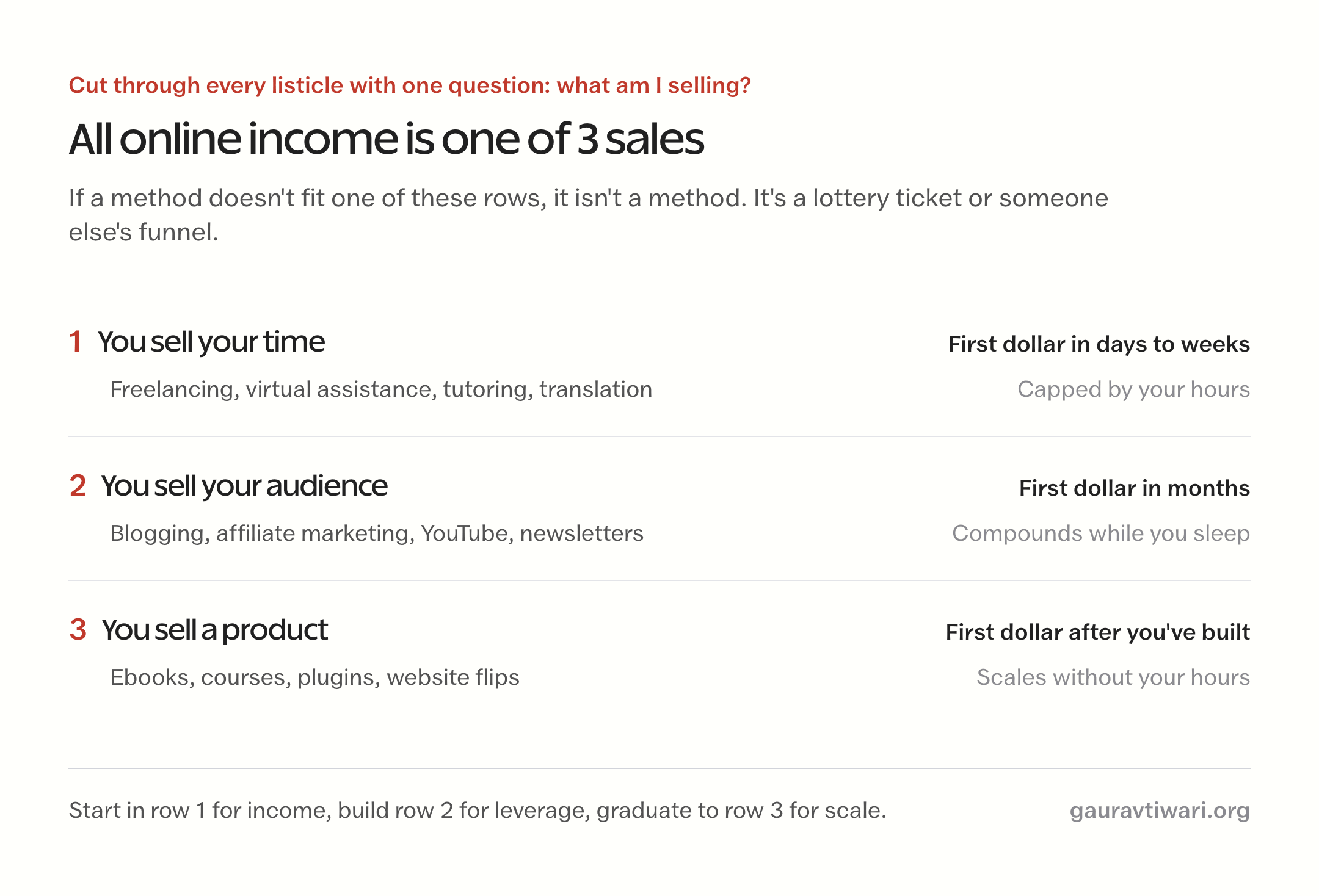
Selling time pays first and caps first. Selling to an audience takes months to start and then compounds. Selling products scales without your hours but needs skills or an audience to launch into. The smart career runs the rows in order: time pays the bills while the audience grows, and the audience becomes the launchpad for products.
Twelve ways, sorted into those rows.
Sell your time first
Fastest to real money, capped by your calendar. Start here if you need income this month, not this year, and none of it needs capital; earning online without investment covers more of these zero-cost starts.
1. Freelancing

Writing, design, development, marketing, editing, data work: if a business does it badly in-house, someone freelances it. This is the highest-floor way to make money online because you’re paid for output, not for an audience you don’t have yet. Realistic rates run from $5-15 an hour for beginners on crowded platforms to $50-150 for specialists with proof, and the jump between those numbers is a portfolio, not a secret.
Marketplaces like Fiverr and Upwork are where you learn to scope, deliver, and collect reviews; direct clients are where the real rates live, and my own agency grew out of exactly that progression. If you write, my roundup of work-from-home writing jobs maps the entry points, and international freelancers get paid smoothest through Payoneer, which I’ve broken down fee by fee in my Payoneer India review.
2. Virtual assistance

Inbox triage, scheduling, research, customer support, store management: virtual assistants run the operational back rooms of thousands of small businesses. Rates start around $5-10 an hour globally and reach $20-40 for VAs who specialize, in podcasts, e-commerce, real estate, or executive support, because specialists are hired for judgment, not just hours.
It’s real work with a real market, and it’s also the best apprenticeship on this list: a VA inside a business sees exactly how online businesses make money, which is worth more than the hourly rate if you’re planning your own move up the rows. It helps to read the buyer’s side too: my roundup of virtual assistant solutions for small businesses is what your future clients are comparing when they hire.
3. Online tutoring and teaching

If you can explain algebra, English, coding, or an instrument, there’s a student online who needs it, and tutoring pays better than most beginners expect: $10-25 an hour on platforms, $30-80 direct once you have results and referrals. Demand is durable because it’s driven by exams and anxiety, neither of which is going anywhere.
I came up through mathematics, and teaching it online is where several of my own projects started. The full breakdown of platforms, subjects, and realistic rates is in my roundup of online tutor jobs for students. The move that changes the economics: group sessions and recorded lessons, which turn one hour into many sales, and quietly graduate you into row 3. One piece of gear genuinely changes the teaching, a digital pen tablet, because it turns a shared screen back into a real whiteboard.
4. Translation and localization

Bilingual? Businesses pay for translation that machines still fumble: marketing copy, legal documents, subtitles, app localization. The honest update for 2026: AI translation has eaten the bottom of this market, the word-by-word commodity work, and raised the value of the top, translators who edit machine output for tone, law, and culture. Post-editing machine translation is now its own paid service. The specialties that resist automation longest are the ones where an error is legally expensive, and certified and apostille translation is a good look at that end of the market.
Entry happens on the freelance platforms; the career happens in language pairs and specialties where mistakes are expensive, medical, legal, financial. If your second language is common, specialize; if it’s rare, the rarity is the specialty.
Build an audience worth selling to
Slower to the first dollar, and the only row where the work compounds. Everything here follows one loop: publish, get found, capture email, offer.
5. Blogging and content sites
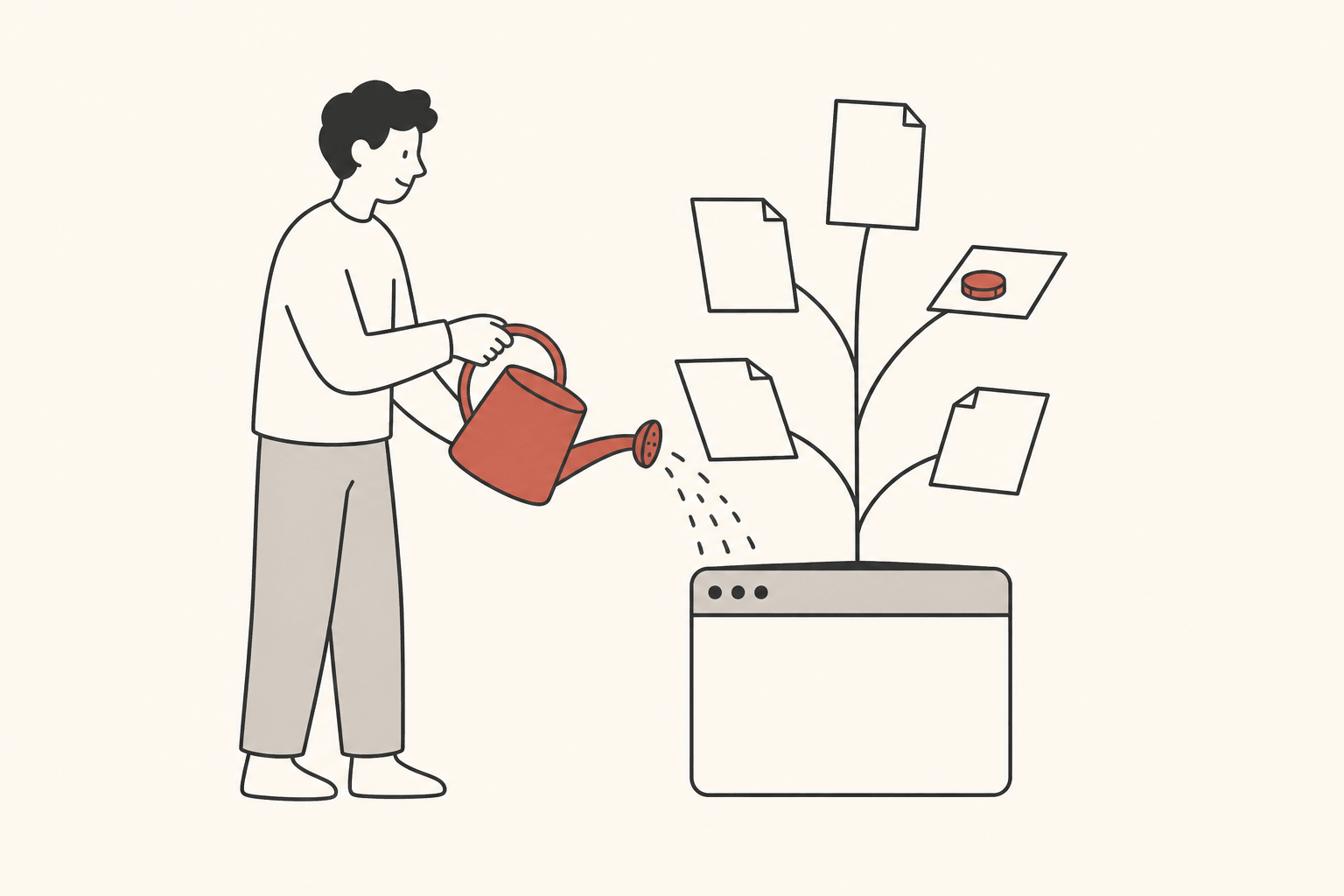
A website that answers real questions in a niche still earns real money: through affiliate recommendations, services, products, and eventually ads at scale. It’s how the site you’re reading works, and it has paid me for over a decade and a half. The honest timeline hasn’t changed: months of publishing before meaningful traffic, 2-3 years to full-time income, and AI answers have made generic content worthless while raising the value of experience and opinion, which is close to what Google’s own helpful content guidance has been asking for all along.
I’ve written the complete playbook separately in how to start internet marketing with one website: the stack, the weekend setup, and the monetization ladder. Start there if this row is your row. If the site doesn’t exist yet, how to start a blog walks the setup in 7 steps, and keyword research is how you decide what to publish once it is live.
6. Affiliate marketing
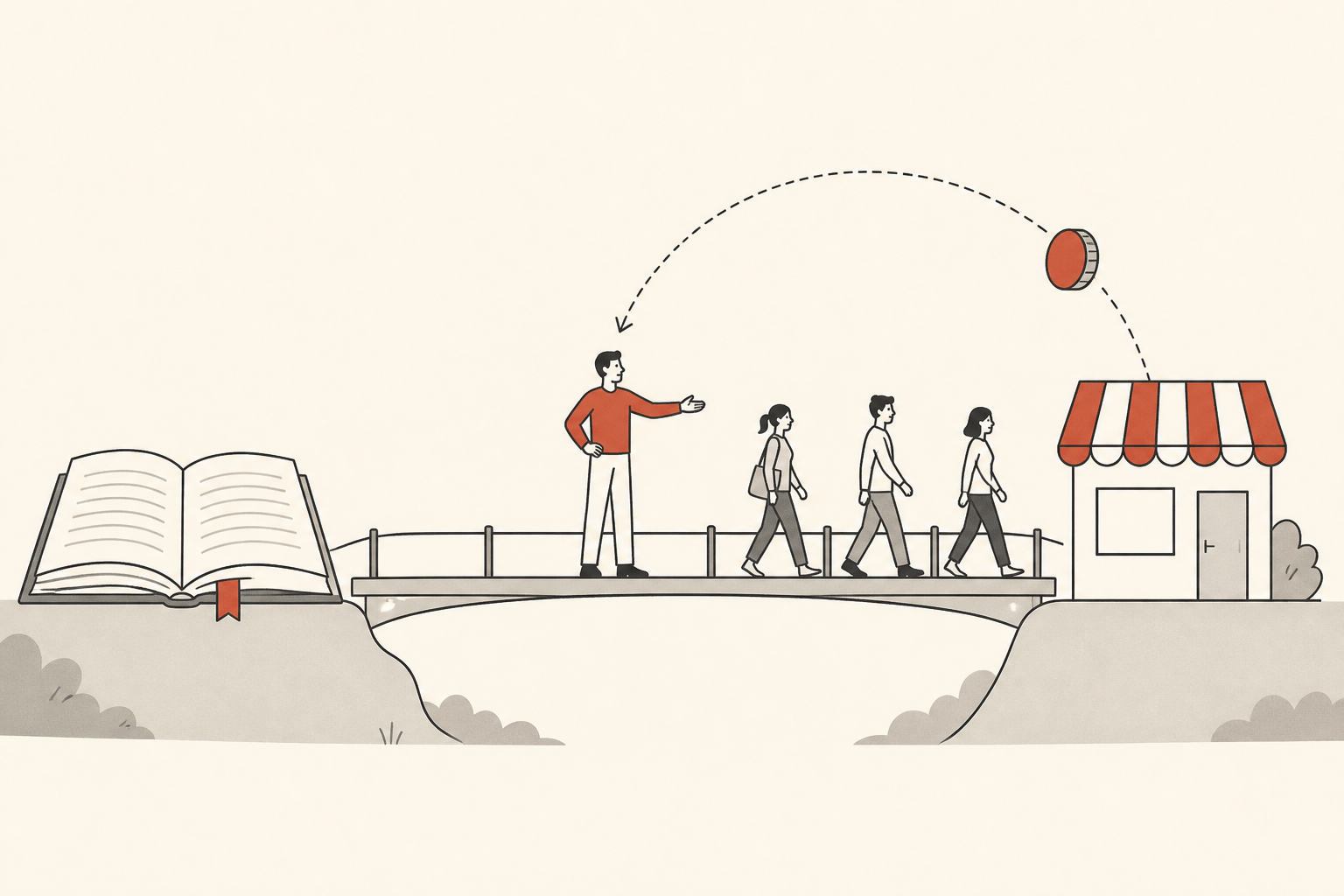
You recommend products you’d stand behind, and you earn a commission when readers buy through your links. No inventory, no support desk, and total dependence on one thing: trust. Commissions run from a few percent on physical goods to 30-50% on software, which is why software niches dominate the space. It scales with traffic, which means it starts at zero and follows the blogging timeline above.
Affiliate income is one of this site’s main engines, and the craft is choosing buying-intent topics and being honest about flaws; recommendations that read like ads convert once and burn the reader forever. My affiliate marketing for beginners guide covers disclosure and the content types that actually convert, and my list of affiliate programs for beginners is where to find your first few.
7. YouTube
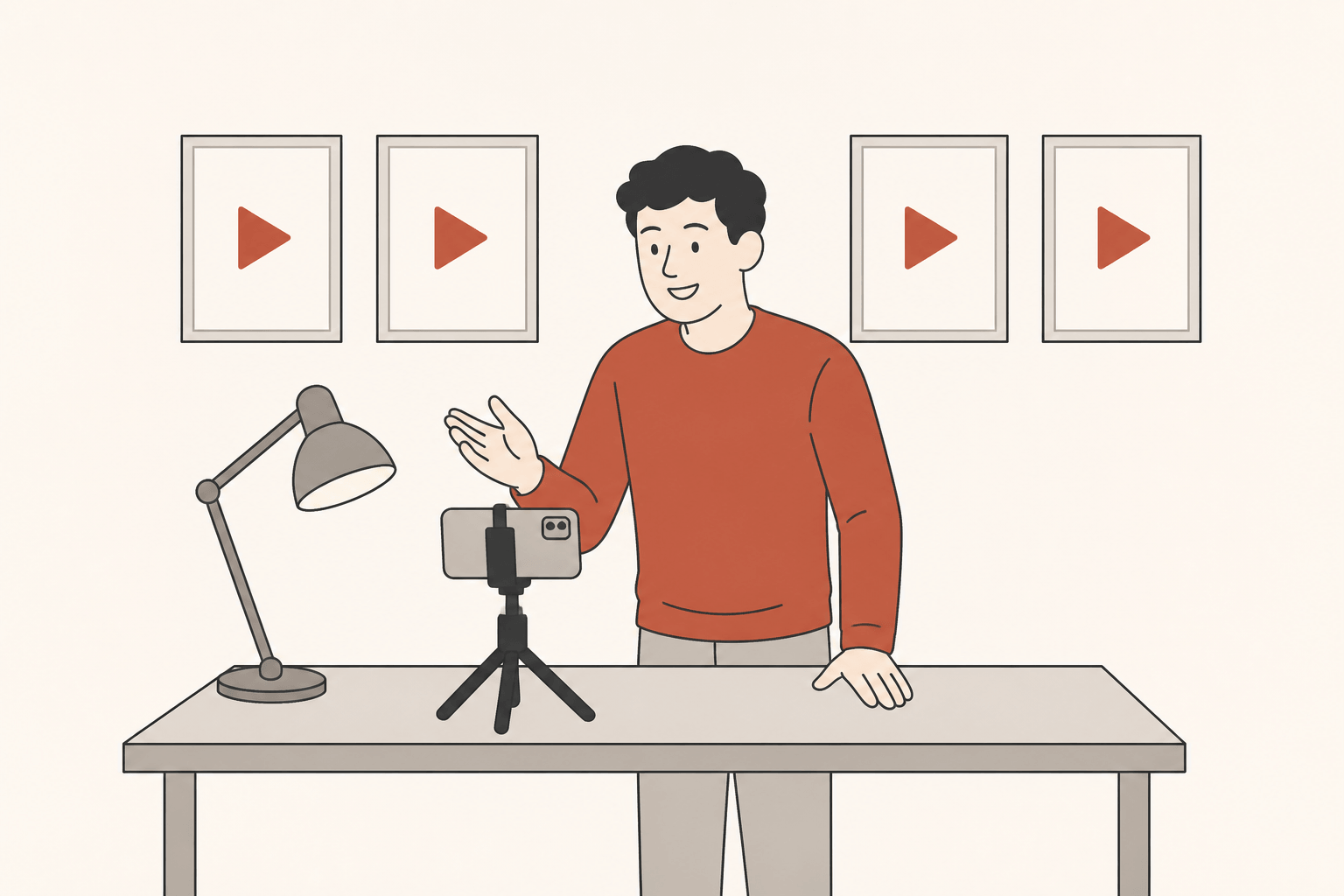
YouTube is a content site with video instead of text: same loop, same patience, different skills. Ad revenue alone is modest for most niches, a few dollars per thousand views, but the channel is really a trust machine that sells everything else: sponsorships, affiliate links, courses, services. The creators who last treat uploads like a publishing schedule, not a lottery.
The honest entry math: expect 50-100 videos before the algorithm knows what you are, and pick a niche where you can demonstrate rather than narrate. Tutorials, teardowns, and honest reviews compound; vlogs from strangers don’t. Phones shoot well enough now that the camera is no longer the excuse. When you do outgrow one, my picks for the best cameras for YouTube cover the vlogging and budget ends.
8. Email newsletters
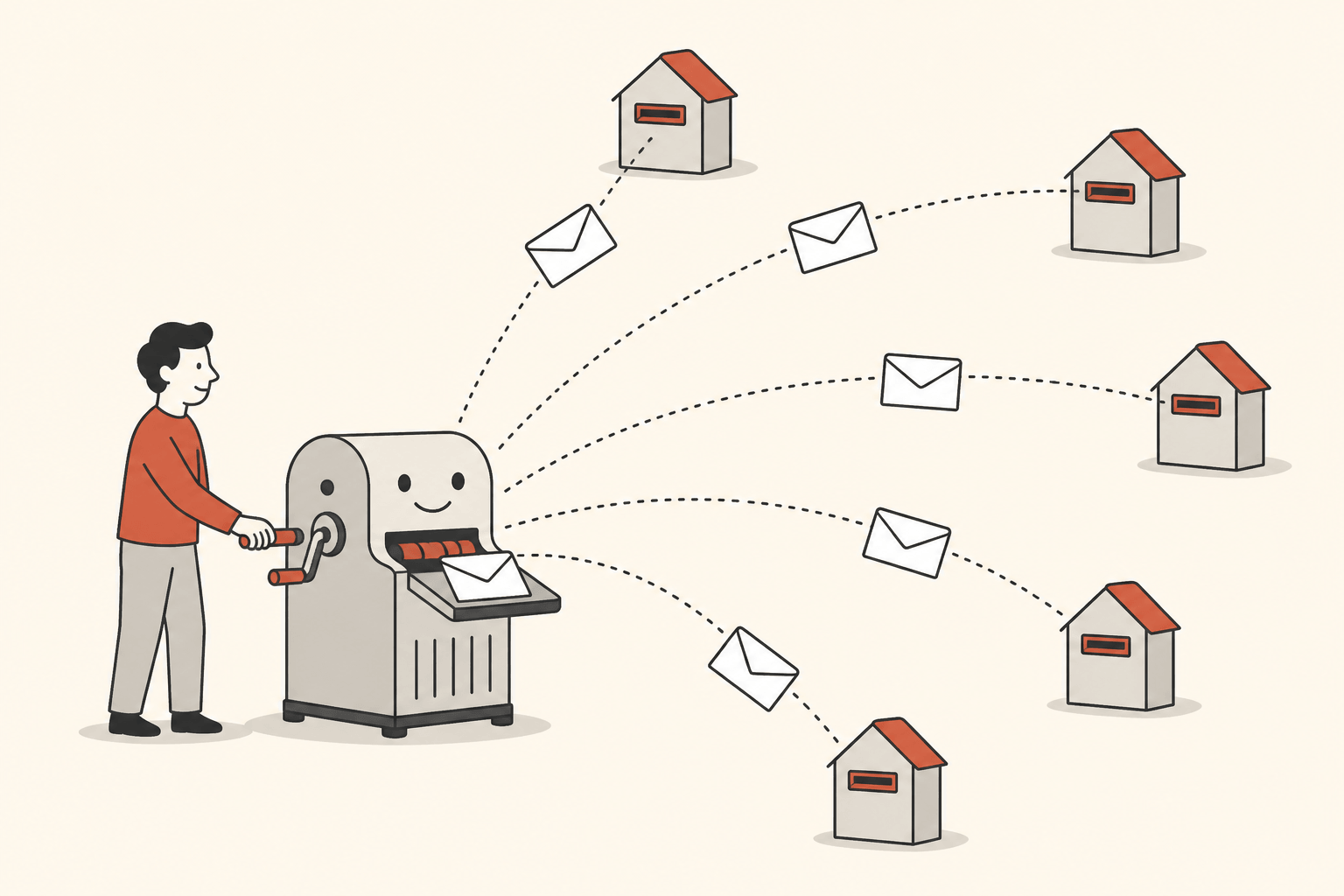
A newsletter is the audience row with the strongest ownership: no algorithm sits between you and the reader. Money arrives 3 ways, sponsorships once you have a few thousand engaged subscribers, paid tiers for genuinely scarce insight, and your own offers, and the same list multiplies every other row on this page, which is why every guide I write says to start capturing email on day one.
The catch is that a newsletter needs a discovery engine, a blog, a channel, a social presence, because inboxes don’t have search. Build it as the capture layer on another method rather than as a standalone bet, and it becomes the most defensible asset you own. The mechanics, list building, sequences, and deliverability, are all in my complete email marketing guide.
Turn what you know into products
Built once, sold repeatedly. This row scales hardest and starts slowest, and every entry gets easier if you arrive with skills from row 1 or an audience from row 2.
9. Ebooks and digital downloads
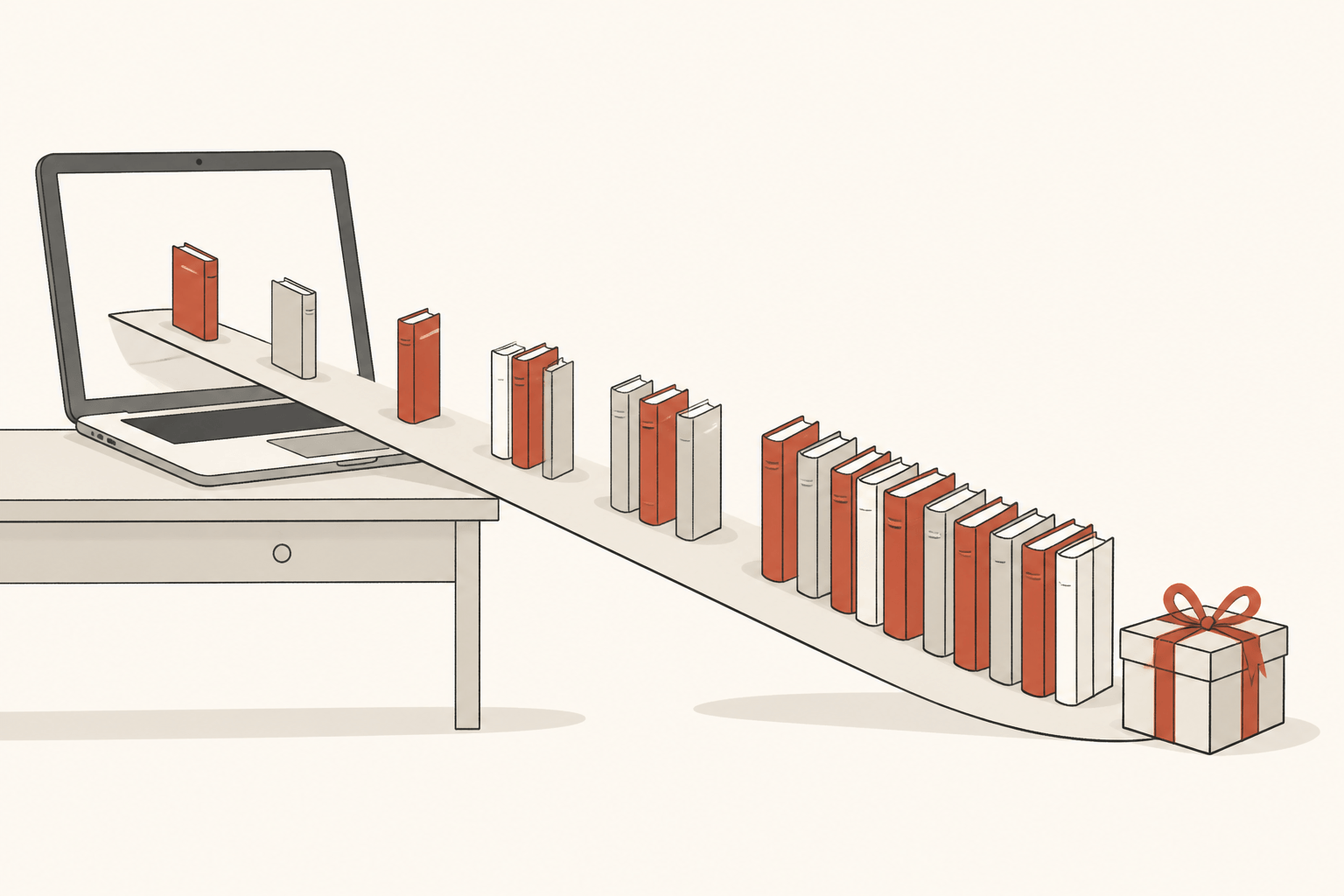
Ebooks, study guides, templates, planners, spreadsheets: information packaged into a file sells while you sleep, mostly through Amazon KDP for books and marketplaces or your own site for everything else. I publish student books on Amazon myself, so this is a row I run, not just recommend, and the honest report is that each title earns modestly and titles add up; it’s a catalog game, not a bestseller game.
Price low, solve one specific problem per product, and put your catalog where your audience already is. A $9 template that saves someone an afternoon outsells a $49 opus nobody finishes. Books go out through Amazon KDP, and my breakdown of self-publishing success has the honest math on what titles really earn.
10. Online courses

Courses are the premium version of the ebook: the same knowledge, structured into outcomes, at 10 times the price. The market got crowded and the response is specificity; nobody needs another “learn marketing” course, but “set up email automation for your yoga studio” sells. I run my own courses on this site, on my own infrastructure, which is the route I’d recommend once you have any audience at all.
Starting from zero instead, hosted platforms handle payments and delivery: Teachable for selling your own course, Skillshare for renting your teaching to an existing audience pool. Record the course after you’ve taught the material live twice; the questions you collect are the curriculum.
11. Software, plugins, and micro-tools

The highest ceiling on this list. A plugin, extension, or small SaaS solves one problem forever and charges for it monthly or yearly, and AI coding assistants have lowered the barrier from “professional developer” to “determined person with a real problem.” More than 10,000 businesses use my products today, and my plugins started exactly the way I’d tell you to start: scratching an itch my own sites had.
The honest hard part isn’t code anymore; it’s distribution and support. A tool nobody finds earns nothing, and a tool people find generates emails at 2 am. Build for a platform with a built-in marketplace, WordPress, Shopify, Figma, browsers, so discovery comes with the territory.
12. Building and selling websites
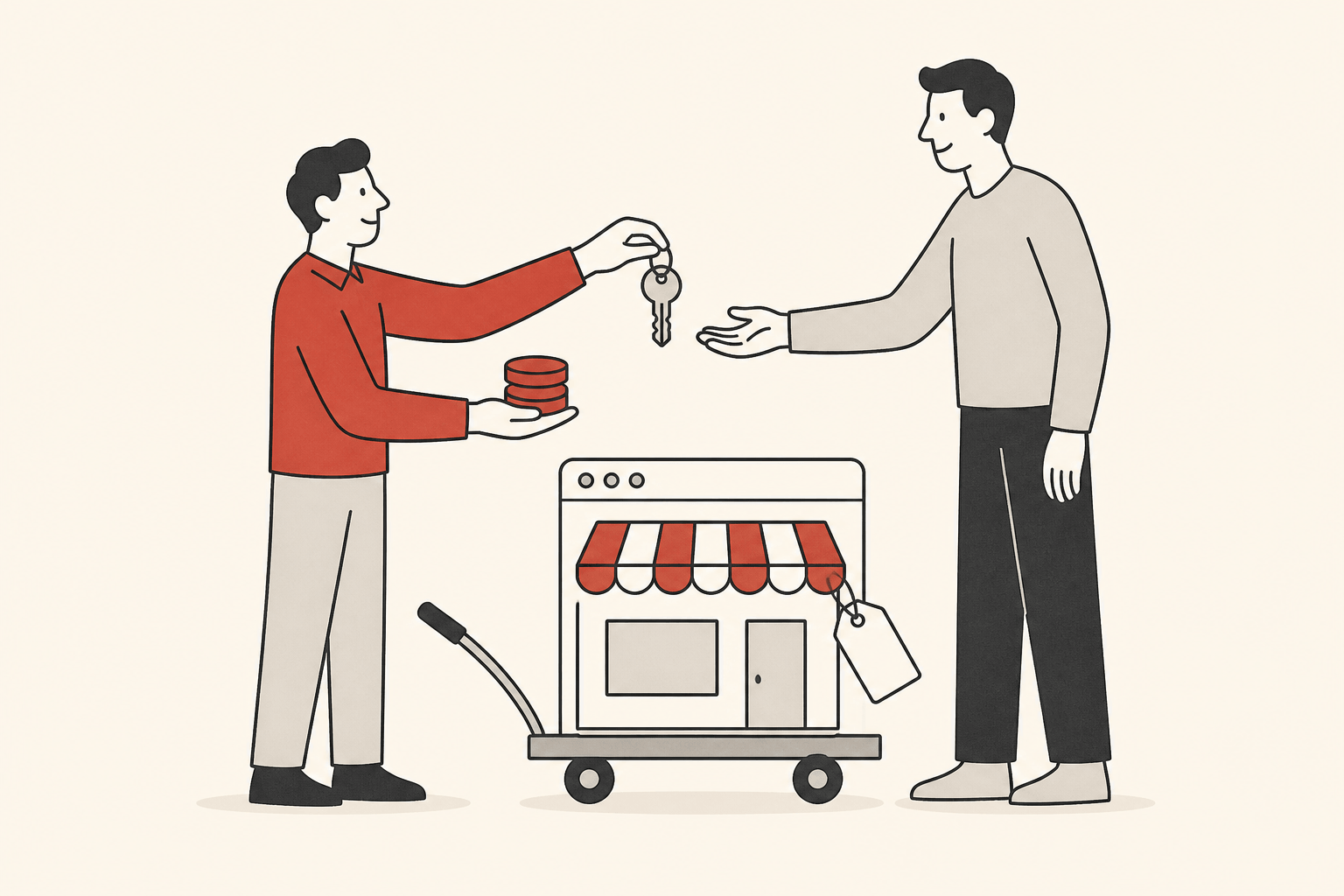
Content sites with traffic and revenue sell for real multiples, commonly 25-40 times monthly profit on marketplaces like Flippa. That makes “build, grow, exit” a legitimate strategy for people who are good at rows 5 and 6 and would rather bank 3 years of income at once than run a site forever. I’ve broken down how valuation actually works in my guide to selling a website on Flippa.
This is the advanced entry on the list, deliberately last: you’re not learning a new skill, you’re packaging the audience row for a buyer. Treat broker listings skeptically from the buying side too; sites are usually sold at their peak for a reason.
7 ways that don’t work anymore
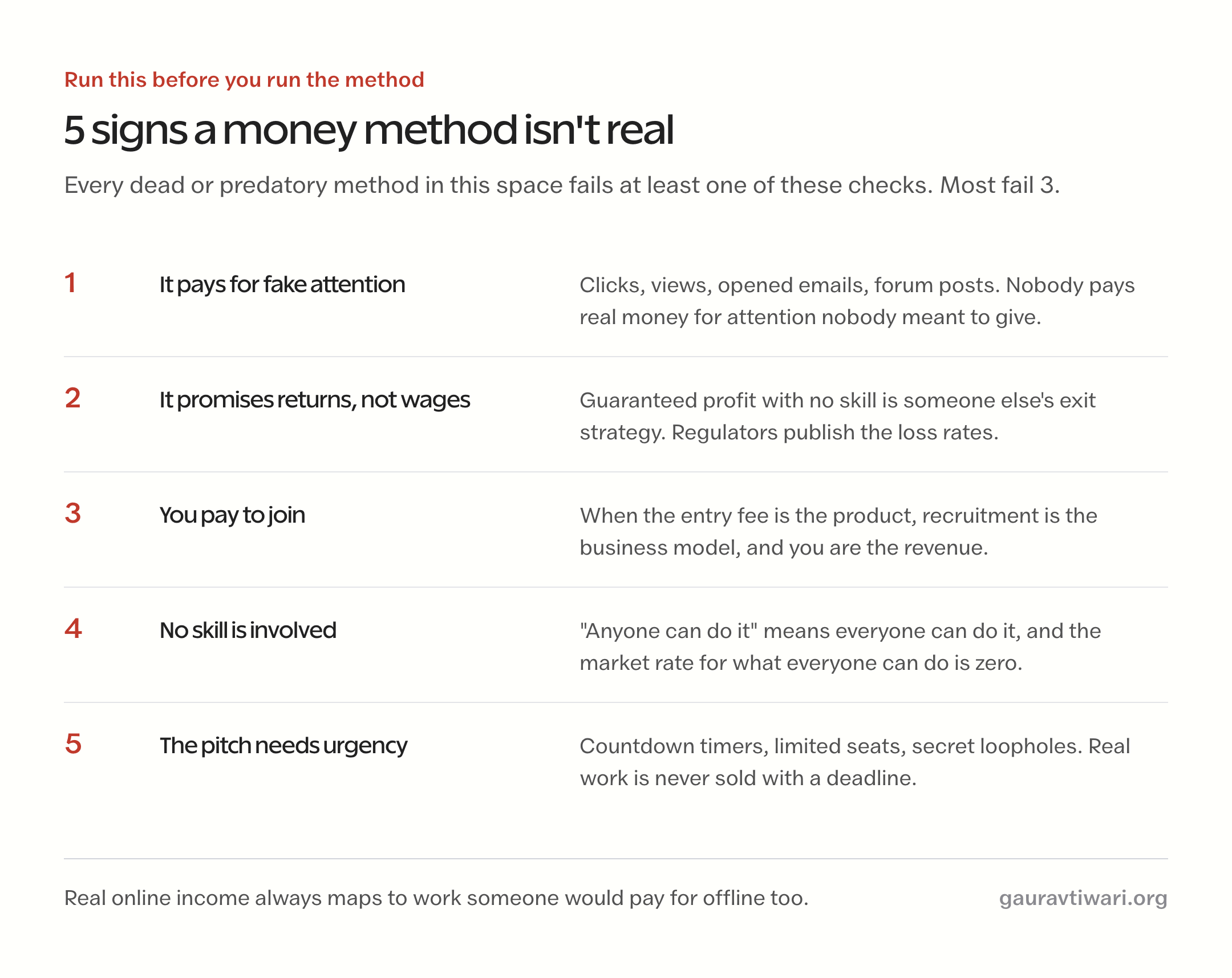
Every method below still appears in make-money-online lists, including, embarrassingly, an older version of this one. Consider this the correction, and the sheet below the test that catches the whole category. The FTC’s guidance on money-making opportunities is worth 5 minutes before you hand anyone money to start earning.
Binary options and forex signals. The old version of this article ranked binary options first. That was wrong. Binary options are banned from sale to retail consumers in the UK and restricted across Europe, and forex “signal” sellers earn from subscriptions, not trades; the disclosure brokers are required to print tells you most retail accounts lose money. US regulators file this under fraud, not investing. Trading is speculation with your savings, not a way to earn, and no skill you build in a weekend changes which side of that disclosure you’re on.
Paid surveys. Real companies, real payouts, and arithmetic that never works: a few dollars for an hour of attention, with screening rejections eating half your time. Fine as couch change, indefensible as a plan.
Paid-to-click, paid-to-read, paid-to-browse. Advertisers pay for attention from people who might buy. Attention rented from people paid to fake interest is worthless, so these schemes pay in fractions of cents when they pay at all. The category exists to sell upgrades to its own members.
Comment backlinking. Also in the old article; also wrong. Selling spam comments as “SEO” earns pennies and builds links Google has ignored or penalized for years. If SEO is the interest, learn real content and links; that skill actually pays.
Microtask marketplaces. Mechanical Turk and its clones pay per tiny task, and the effective hourly rate for most workers lands under any minimum wage you’d accept. AI has absorbed the simplest tasks and pushed the remaining rates lower still.
File sharing for cash. Upload sites paying per download were always monetizing piracy, and the model is functionally dead. What survives operates in legal gray zones you don’t want your name attached to.
Stock photos and clip art for beginners. The photographers still earning from stock are specialists with deep niche catalogs built years ago. AI image generation collapsed the price of generic images to zero, and generic is exactly what a beginner’s first hundred uploads are. As a craft, photography pays through clients now, not microstock.
Pick by your situation, not by hype
Need money within a month: freelancing, VA work, or tutoring, whichever matches a skill you already have. Have a stable income and patience: start the audience row now, because its clock only starts when you do. Have expertise people keep asking you about: package it, an ebook or course, and sell it to the audience you build. Have technical skills: the plugin row has the highest ceiling and the least competition per niche. If none of the rows fits your situation yet, my list of side hustle ideas covers the offline-adjacent options too.
The one wrong answer is all of them at once. Every method on this list rewards 6 focused months and punishes 6 scattered weekends.
Make money online FAQ
What is the fastest way to make money online?
Selling a skill you already have: freelancing, virtual assistance, or tutoring. Each can produce a first payment within days to weeks because you’re paid for output, not for an audience. Everything faster than that being advertised to you is either pennies per hour or a scheme where you’re the product.
Can I make $1,000 a month online?
Yes, and the fastest route is time-based work: roughly 50-60 hours a month of freelancing at modest rates, or fewer at specialist rates. Audience and product methods reach $1,000 a month more slowly, typically after 12-24 months of consistent publishing, and then keep growing past it without more hours.
Is making money online legitimate?
The work is legitimate; much of the advertising isn’t. Real online income maps to work someone would pay for offline: services, teaching, publishing, software, products. If an offer pays for fake attention, promises returns instead of wages, or charges you to join, it fails the legitimacy test regardless of how many testimonials it shows.
How much money do I need to start making money online?
Freelancing, VA work, and tutoring start at $0 with the accounts you already have. A blog or content site runs under $100 a year for hosting and a domain. Courses and ebooks cost time, not money. Anything asking for a significant upfront payment to unlock earnings is inverting how real income works.
Can I make money online without a website?
Yes: freelancing platforms, tutoring platforms, KDP, YouTube, and course marketplaces all work without one. But every one of those is rented ground with a platform between you and your customers. A simple website with an email list is under $100 a year and turns platform customers into your audience; most people should add one within their first year.
Which way to make money online is best for students?
Tutoring is the natural first move: you’re already immersed in the syllabus, demand is constant, and the hours flex around classes. Freelance writing and design come next. Students also have the one asset the audience row needs most, time before you need the money, which makes starting a niche site or channel now unusually valuable later.
The question was never really “how do I make money online”. It’s “what am I selling, and to whom”, and every method that survives on this page answers it plainly: your time to businesses, your judgment to an audience, or a product to a market. The methods that can’t answer it are the ones this article no longer lists.
Pick your row. Give it 6 honest months.
Tell Google you want more of this.
Add Gaurav Tiwari as a preferred sourceOne tap, and this site shows up more often in your own Top Stories, AI Overviews and AI Mode. Remove it any time.