by
by
Writing math equations on a trackpad is misery. Drawing a free-body diagram with a mouse is worse. If you teach online — high-school physics, university CS, art classes, accounting tutorials, anything that needs annotation on a screen — a pen tablet is the single highest-leverage piece of hardware you can buy. The cheapest option pays for itself the first time a student says “now I understand.”
I have run online math and CS sessions on Wacom Intuos boards since 2015, switched to a Wacom One 13 display a few years ago, and used an iPad Pro for most of 2026 when traveling. Below are the ten best pen tablets I would actually recommend to a teacher in 2026, split between non-display tablets (cheaper, you watch your computer screen while drawing on the pad) and display tablets (you write directly on the screen). Pricing is from October 2026 in the US.
Best picks at a glance
Start with the use case, not the brand. The shortlist below separates the strongest recommendations by the job they do best, then shows the one detail you should verify before buying.
| Use case | Recommendation | Why it stands out | What to check |
|---|---|---|---|
| Best pen display for most teachers | Wacom One 13 Touch | 13.3-inch Full HD pen display with direct on-screen writing | Check OS drivers, active area, screen requirement, and cable compatibility. |
| Best beginner pen tablet | Wacom Intuos | Compact non-display tablet for writing on a connected computer | Check OS drivers, active area, screen requirement, and cable compatibility. |
| Best budget option | XP-Pen Star G430S | Small non-display tablet that fits a tight desk | Check OS drivers, active area, screen requirement, and cable compatibility. |
How I assessed the shortlist: I compared intended use, practical specifications, current availability, and value. I have not put every item through a standardized laboratory test, so I do not present synthetic benchmark scores. The detailed sections below explain fit, limitations, and alternatives.
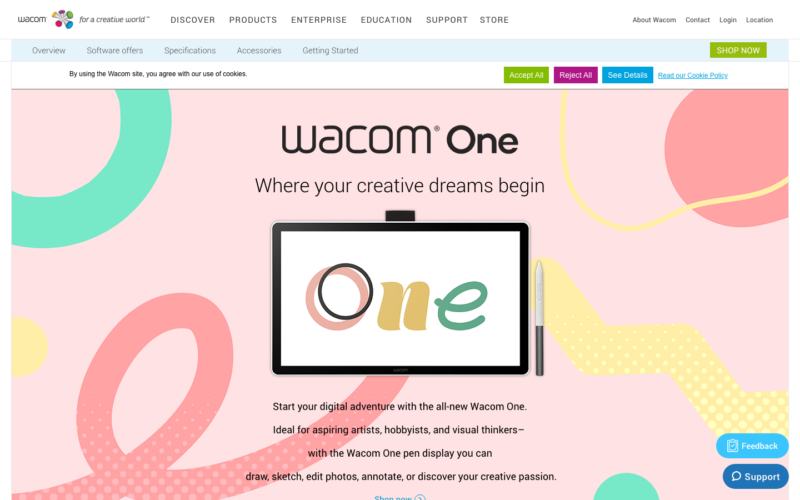
- 13.3-inch Full HD pen display with direct on-screen writing
- Touch support makes navigation easier during live lessons
- Best fit when natural board-style annotation matters most
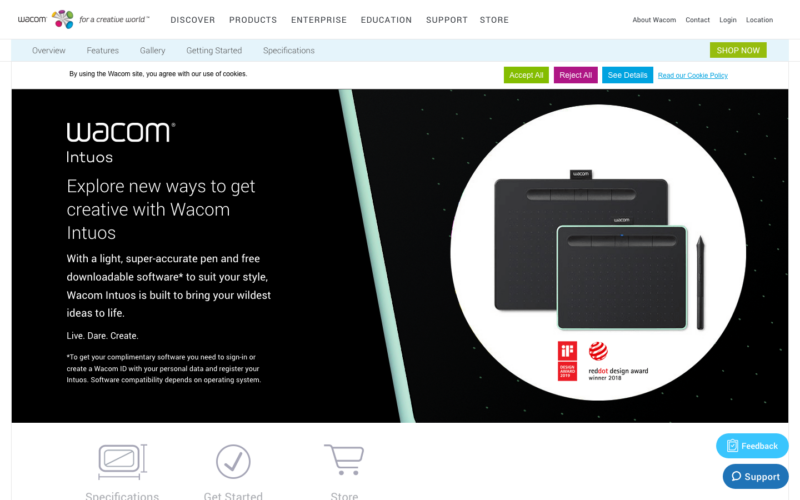
- Compact non-display tablet for writing on a connected computer
- Simple driver support and a short learning curve
- A sensible starting point for regular online classes
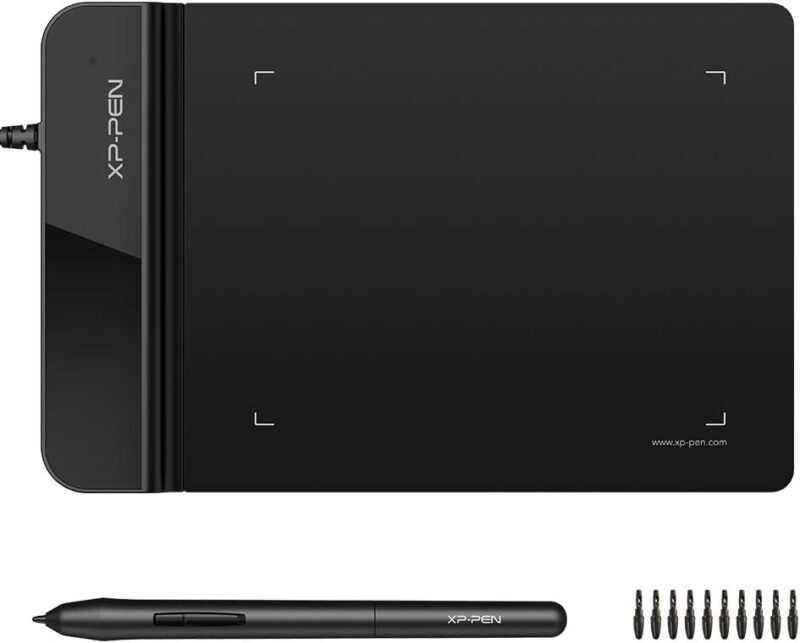
- Small non-display tablet that fits a tight desk
- Battery-free stylus keeps the setup uncomplicated
- Useful for equations and short annotations on a budget
Quick verdict: Brand-new to pen tablets and want under $80? One by Wacom or Wacom Intuos. Want a display tablet that feels right? Wacom One 13 Touch. Already deep in the Apple ecosystem? iPad + Apple Pencil with GoodNotes or Notability. Want premium pro tools? Wacom Cintiq Pro 16. Tightest budget? XP-Pen Star G430S at under $30.
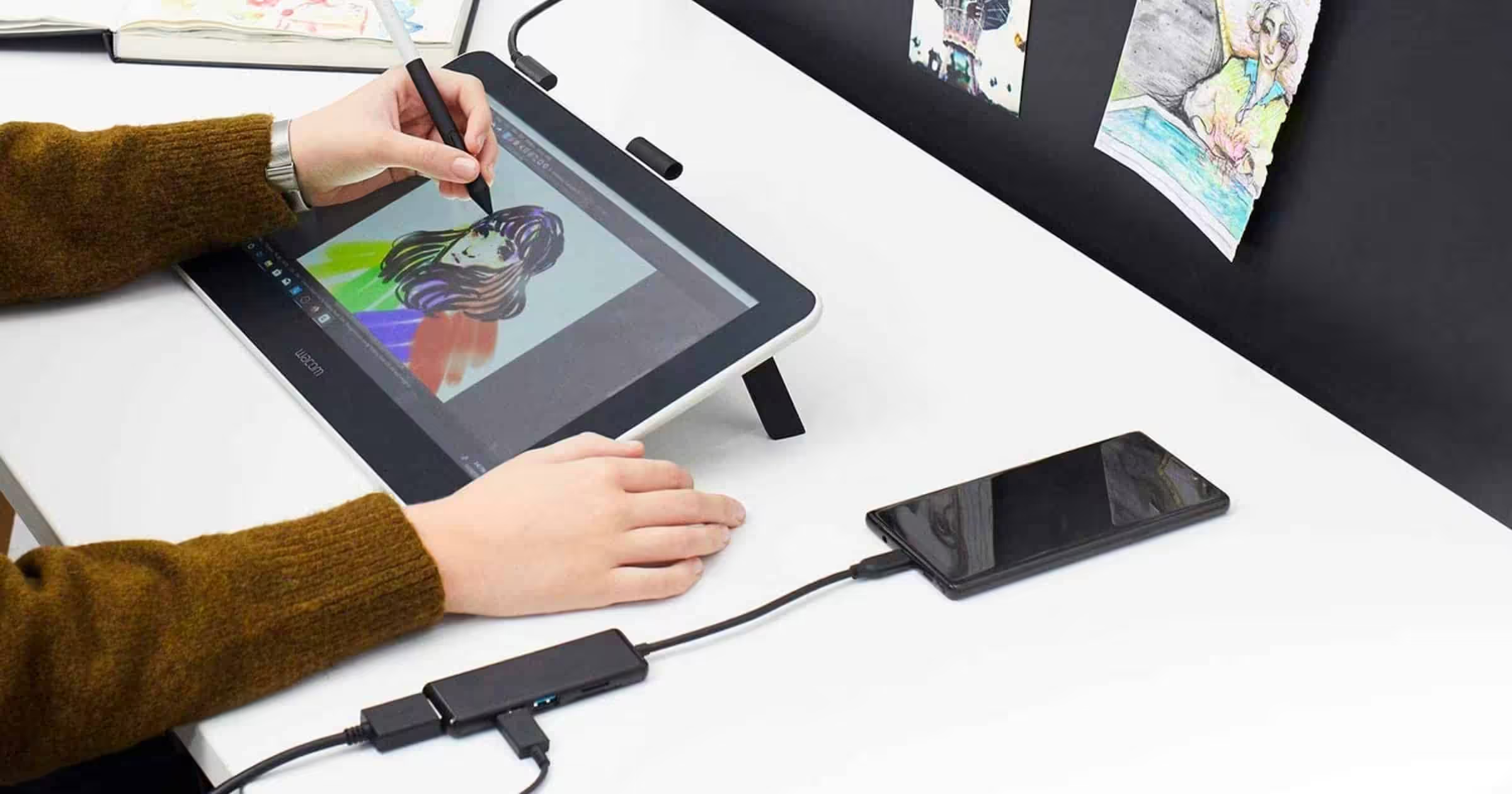
Best Pen Tablets for Online Teaching in 2026
Ten tablets made the cut after running them in real online classes. Pricing is current as of October 2026.
| Tablet | Best for | Type | Price (2026) | Pen pressure |
|---|---|---|---|---|
| Wacom Intuos | Beginner non-display | Non-display | $80-$200 | 4096 levels |
| One by Wacom | Bare-minimum starter | Non-display | $50-$80 | 2048 levels |
| Wacom One 13 Touch | Mid-range display teaching | Display (FHD) | $599 | 4096 levels |
| Wacom Cintiq Pro 16 | Professional / art teachers | Display (4K) | $1,599 | 8192 levels |
| Huion Kamvas Pro 13 (2.5K) | Best-value 2.5K display | Display (QHD) | $399 | 16384 levels |
| Huion Inspiroy 2 | Mid-range non-display | Non-display | $70-$110 | 8192 levels |
| XP-Pen Deco Pro Gen 2 | Premium non-display | Non-display | $130-$190 | 16384 levels |
| XP-Pen Star G430S | Ultra-budget | Non-display | $25-$30 | 8192 levels |
| VEIKK VK1200 | Budget pen display | Display (FHD) | $169-$199 | 8192 levels |
| iPad + Apple Pencil | Apple-ecosystem teachers | Tablet (display) | $349 (iPad 10) – $1,299+ (iPad Pro) | Variable (Pencil) |
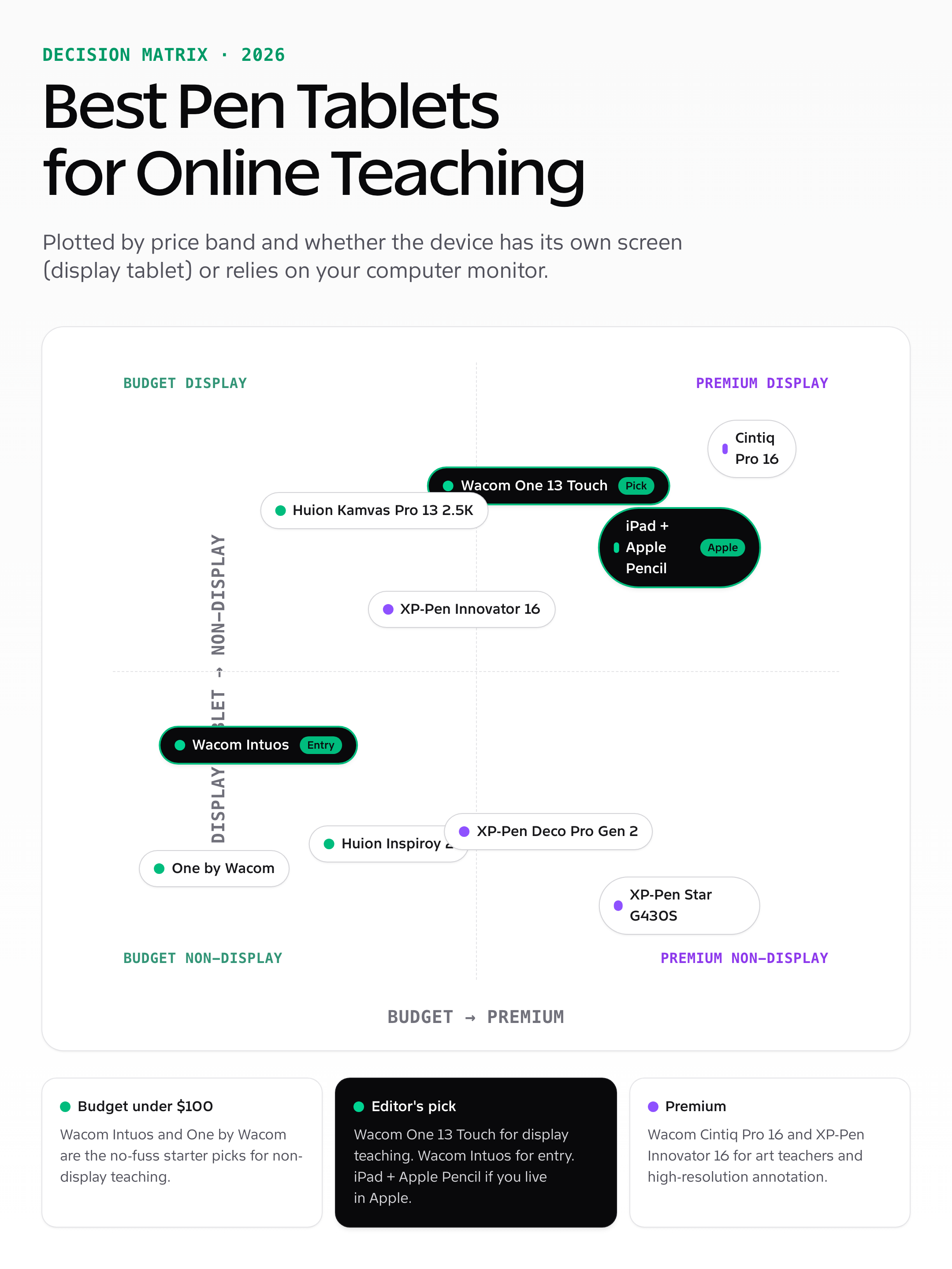
Wacom One 13 Touch
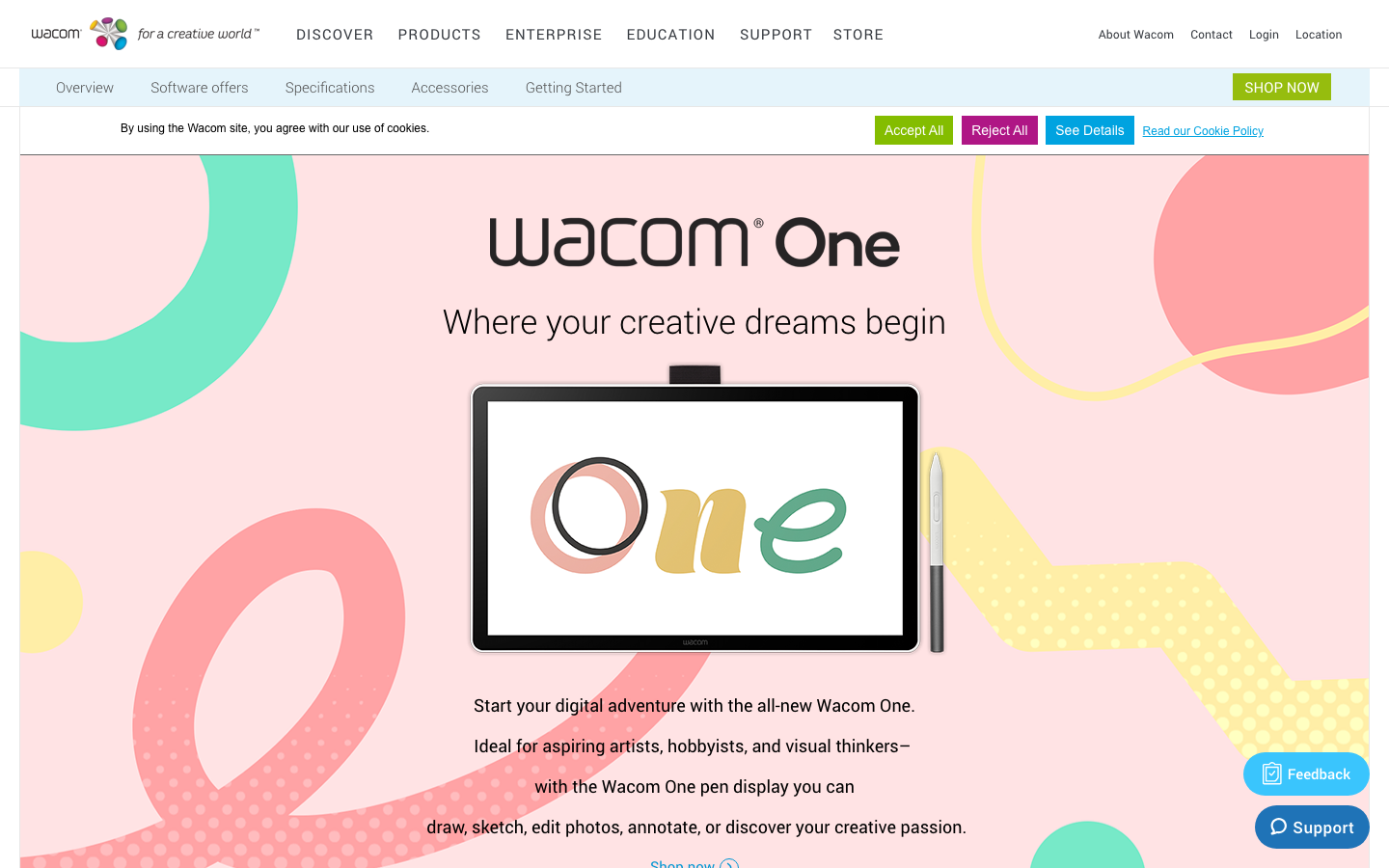
Wacom One 13 Touch is the 2026 mid-range display tablet that I tell most online teachers to buy first.
What is good: 13.3 inch Full HD anti-glare panel that matches your computer’s display so what you draw appears under the pen tip; multi-touch (gestures, pinch-to-zoom) which the cheaper Wacom One does not have; works with macOS, Windows, ChromeOS, and Android; built-in folding stand; bundled trial of Clip Studio Paint and Adobe Express that pays back partly.
What is broken: $599 is the sticker shock if you are coming from a $50 non-display tablet; only one USB-C cable for power + signal, which means your laptop has to provide enough wattage; pen does not have a battery-free Pro Pen 3 option (uses Wacom’s standard pen).
Under the hood: 13.3 inch IPS panel with 99% sRGB color coverage and 4096 levels of pressure sensitivity. Connects via single USB-C to a USB-C laptop or via the included three-port adapter to older HDMI/USB-A setups. EMR (Electro-Magnetic Resonance) pen with no battery.
What should be better: An additional pen option that supports the Pro Pen 3 line — the standard Wacom One pen is fine, but tilt accuracy lags the more expensive Cintiq Pro pen.
Wacom Intuos
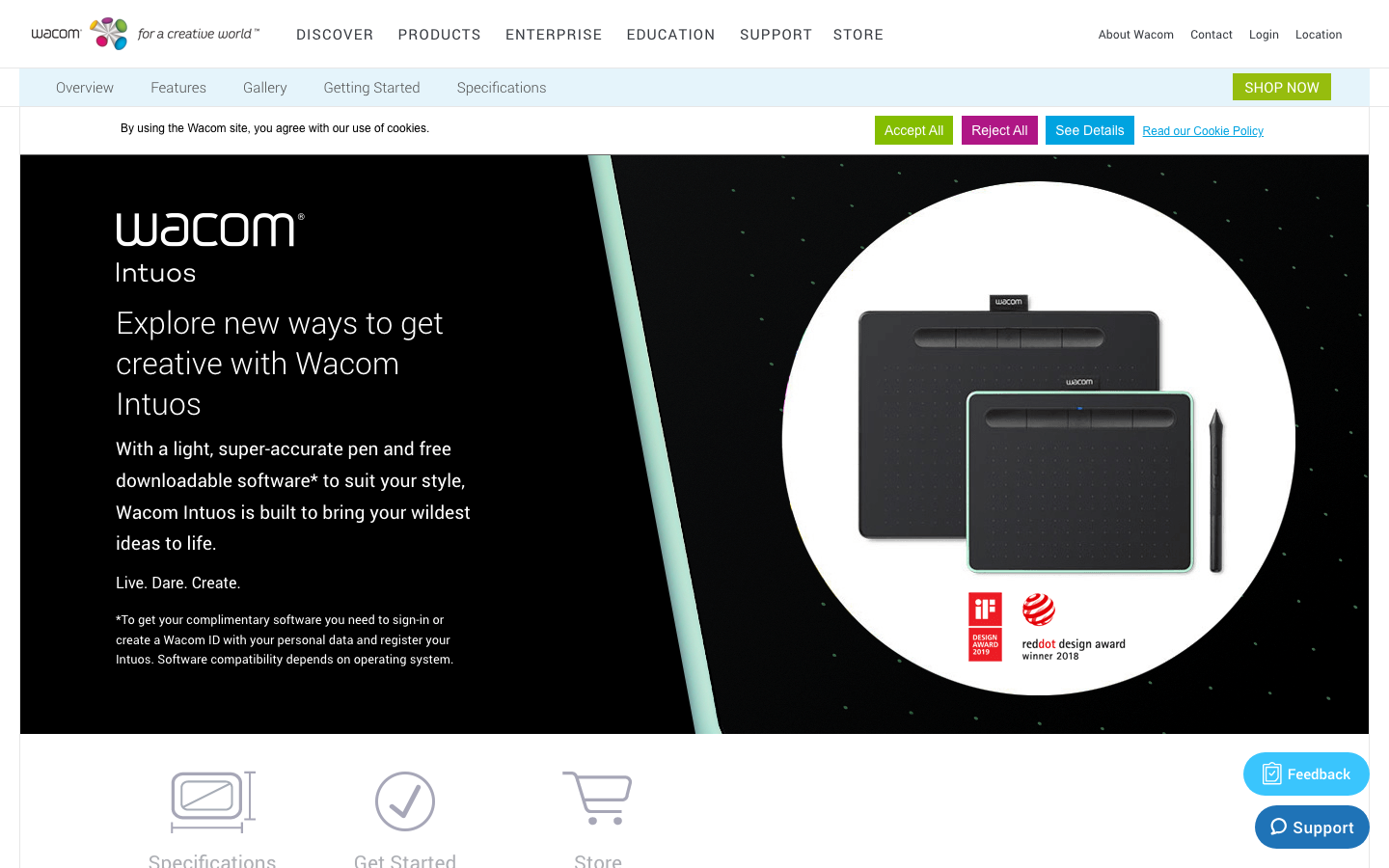
Wacom Intuos is the entry-level non-display pen tablet most teachers should buy first if they have never used a pen tablet — it is the lowest-friction way to learn the muscle memory.
What is good: $80 small / $130 medium price points; 4096 levels of pressure sensitivity; bundled Wacom EMR pen has no battery to charge; cross-platform (macOS, Windows, ChromeOS); good 4 ExpressKeys for shortcuts; Clip Studio Paint trial included.
What is broken: Non-display means you have to learn to look at the screen while drawing on the pad — there is a 1-2 hour adjustment period before it feels natural; small size is too small for some teachers (medium is the better default); Bluetooth model costs an extra $30.
Under the hood: 5080 LPI (lines per inch) reporting rate, 4096 pressure levels, EMR battery-free pen. Works with Wacom Center on macOS Sonoma+ and Windows 11.
What should be better: A Wacom Intuos S 2 with USB-C native (the current model still uses USB-A on the cable side).
One by Wacom
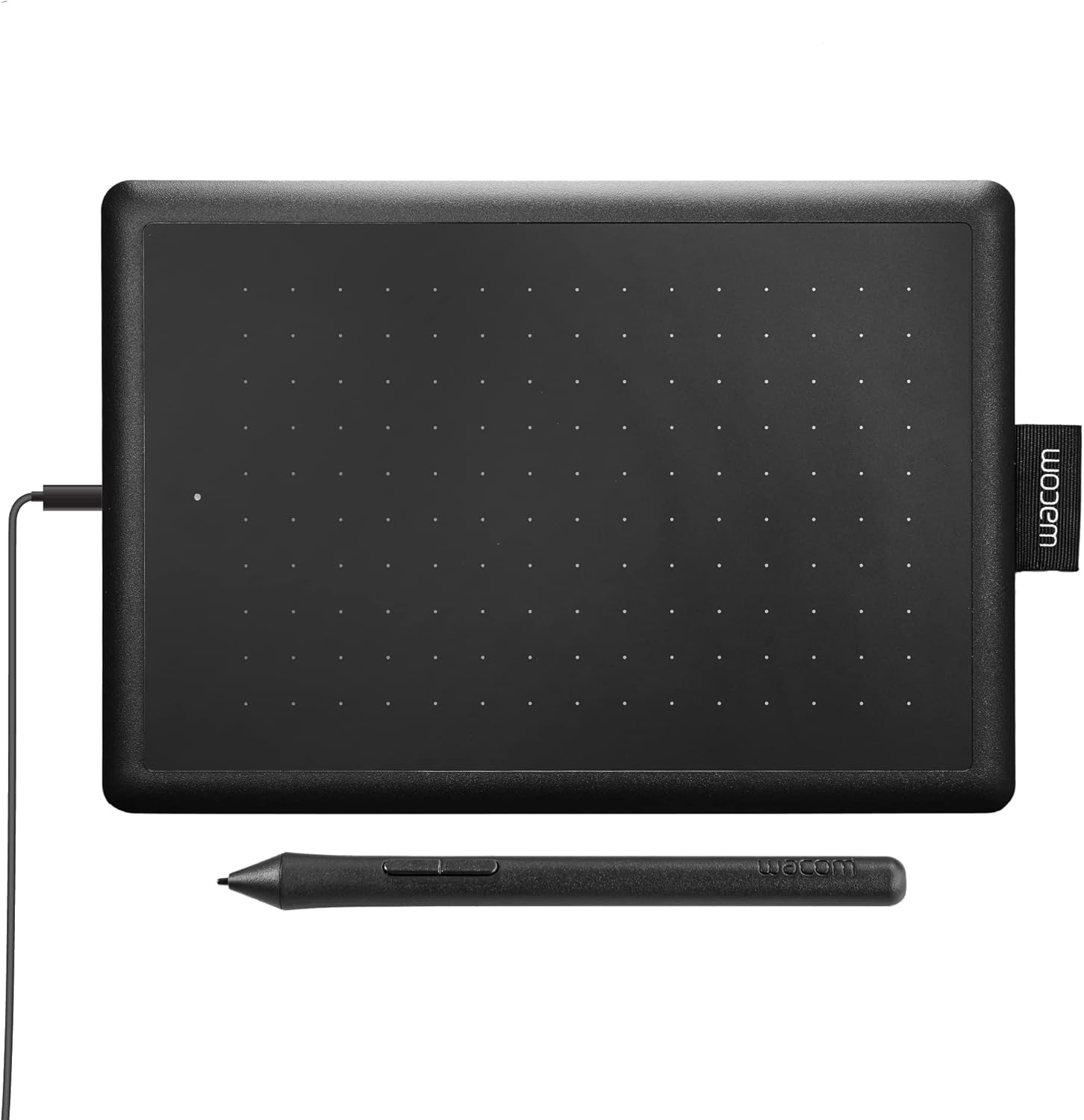
One by Wacom is the bare-minimum cheapest entry point into Wacom’s ecosystem — under $50 for a basic non-display tablet that just works.
What is good: $49.95 (small) / $79.95 (medium) lifetime; pen has no battery; Chromebook EDU certification (Google handed it out to a lot of schools because of this); plug-and-play on macOS, Windows, and ChromeOS without driver fuss.
What is broken: Only 2048 levels of pressure (half what Intuos delivers) — fine for basic note-taking, less ideal for art; no ExpressKeys at all, so any shortcuts go through your keyboard; smaller active area than Intuos at the same size class.
Under the hood: 5080 LPI reporting rate, 2048 levels of pressure, USB connection only (no Bluetooth). EMR pen technology like the Intuos.
What should be better: Slightly bigger active area on the medium model — at 8.5 inches diagonal it feels cramped after an hour.
Wacom Cintiq Pro 16
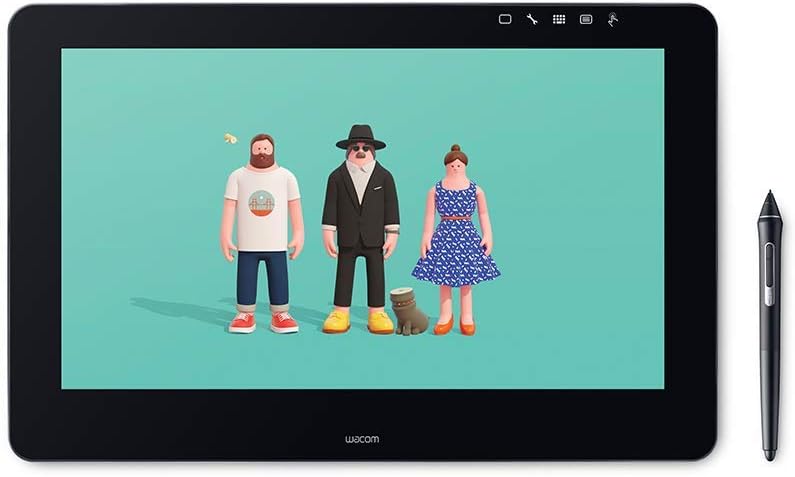
Wacom Cintiq Pro 16 is the professional pen display for art teachers, design instructors, and engineering professors who want an investment piece that lasts a decade.
What is good: 15.6 inch 4K UHD display with 98% Adobe RGB and Pantone validation; Pro Pen 3 with 8192 pressure levels and significantly better tilt; full 24-bit color depth on a hardware-calibrated panel; etched anti-glare glass that closely mimics paper texture; ergonomic stand option (sold separately).
What is broken: $1,599 is professional pricing — only justify it if you teach visual subjects; needs a decent GPU on the host computer for 4K rendering; stand sold separately for $349; the older Cintiq Pro 16 (Gen 1) is sometimes confused with this newer 2024 unit on listings.
Under the hood: 15.6 inch IPS panel with 4K UHD, 98% Adobe RGB, 1.07 billion colors, 60Hz refresh. Single USB-C connection (Thunderbolt 3 / USB-C 3.1) on supported hosts.
What should be better: Lower price for educators — Wacom’s EDU discount exists but is hard to find without contacting sales.
Huion Kamvas Pro 13 (2.5K)
Huion Kamvas Pro 13 (2.5K) is the value display tablet that punches above its weight — 2.5K resolution at $399, half the price of the comparable Wacom.
What is good: 13.3 inch QHD (2560×1440) display at $399; 145% sRGB / 105% Adobe RGB color coverage; 16384 pressure levels (4x what Wacom Intuos delivers); X3 Pro stylus with no battery and 60° tilt support; full lamination so the pen tip is right under the on-screen line.
What is broken: Driver software is less mature than Wacom’s on macOS — occasional pressure drop-outs after macOS major updates; quality control on the panel can vary from unit to unit; smaller third-party app ecosystem trains for Wacom by default.
Under the hood: 13.3 inch QHD IPS panel with 2560×1440 resolution, 105% Adobe RGB coverage. PenTech 4.0 stylus with 16384 pressure levels and 60° tilt detection.
What should be better: macOS driver stability — Huion has improved this a lot since 2022 but it is still the gap between this and the equivalent Wacom.
Huion Inspiroy 2
Huion Inspiroy 2 is the value mid-range non-display tablet — strong specs at half the price of a Wacom Intuos medium.
What is good: $70-$110 across small/medium/large sizes; 8192 pressure levels (2x Wacom Intuos); programmable scroll wheel beside 8 ExpressKeys; touch bar for pinch / scroll; Bluetooth 5.0 + USB connection; works on macOS, Windows, Linux, ChromeOS, and Android.
What is broken: Driver UI is less polished than Wacom’s on macOS; smaller community base for tutorials and shortcuts; warranty service is shipping-from-Asia for some markets.
Under the hood: 5080 LPI reporting rate, 8192 pressure levels, PenTech 3.0 battery-free pen. Bluetooth 5.0 LE wireless.
What should be better: Better third-party ergonomic-stand support — Huion sells one but the third-party market is much smaller than for Wacom.
XP-Pen Deco Pro Gen 2
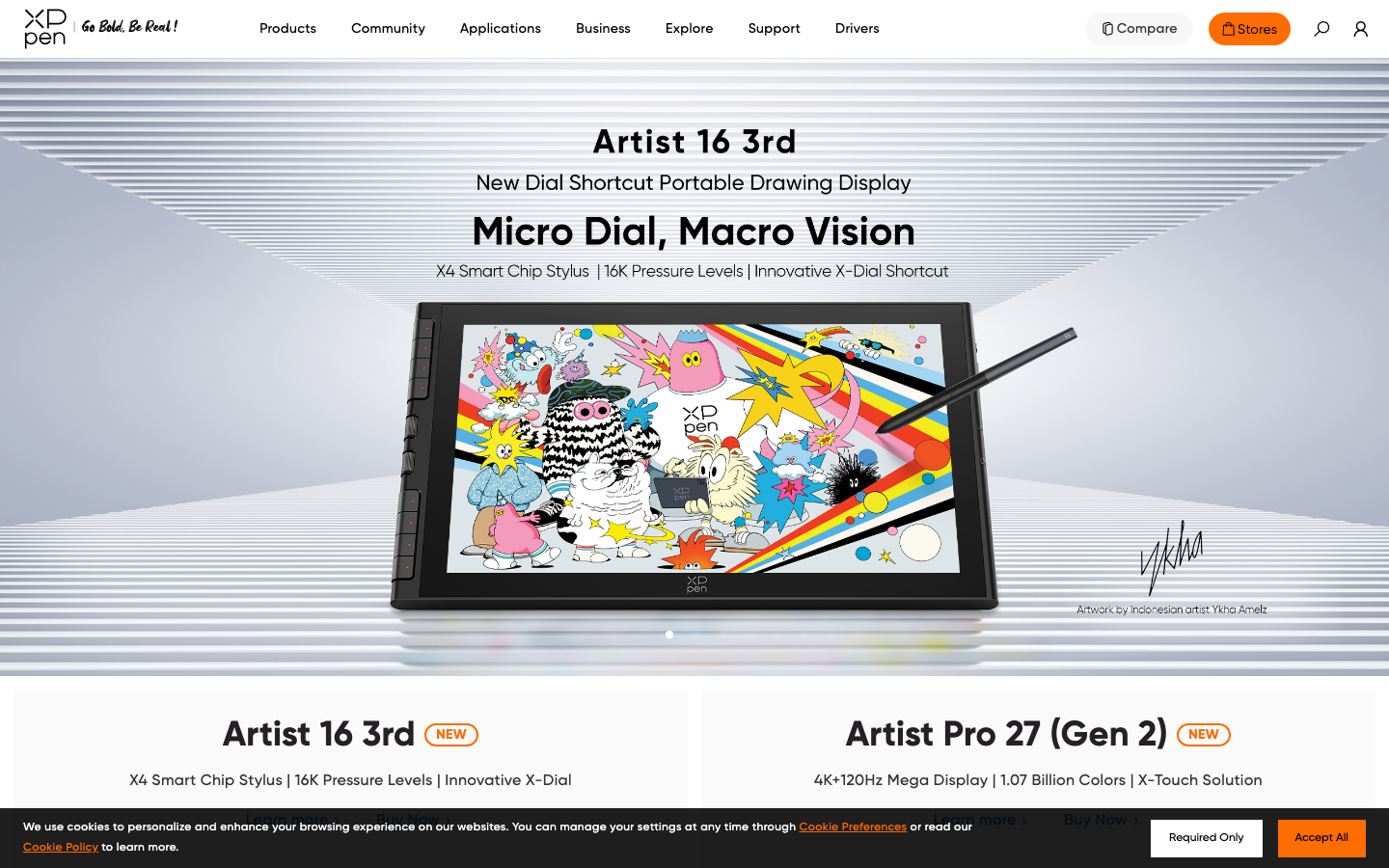
XP-Pen Deco Pro Gen 2 is the premium non-display pen tablet for teachers who want the most controls and largest active area without paying for a screen.
What is good: Largest active area in this size class (13.6 inch model goes to 13.6 × 8 inches); double dial controls (two physical wheels for size and zoom); X3 Pro stylus with 16384 levels of pressure; battery-free pen; 8 customizable buttons; works on macOS, Windows, Linux, Android, and ChromeOS.
What is broken: Slightly steeper learning curve due to more controls; price creeps up close to a budget display tablet (Kamvas Pro 13 is only $200 more); the dial controls are programmable but discovering useful shortcuts takes time.
Under the hood: 5080 LPI reporting rate, 16384 pressure levels with PenTech 4.0 stylus, 60° tilt detection, USB-C connection.
What should be better: A version with USB-C-only and Bluetooth as standard — current model is wired-by-default with a separate Bluetooth dongle for the Pro version.
XP-Pen Star G430S
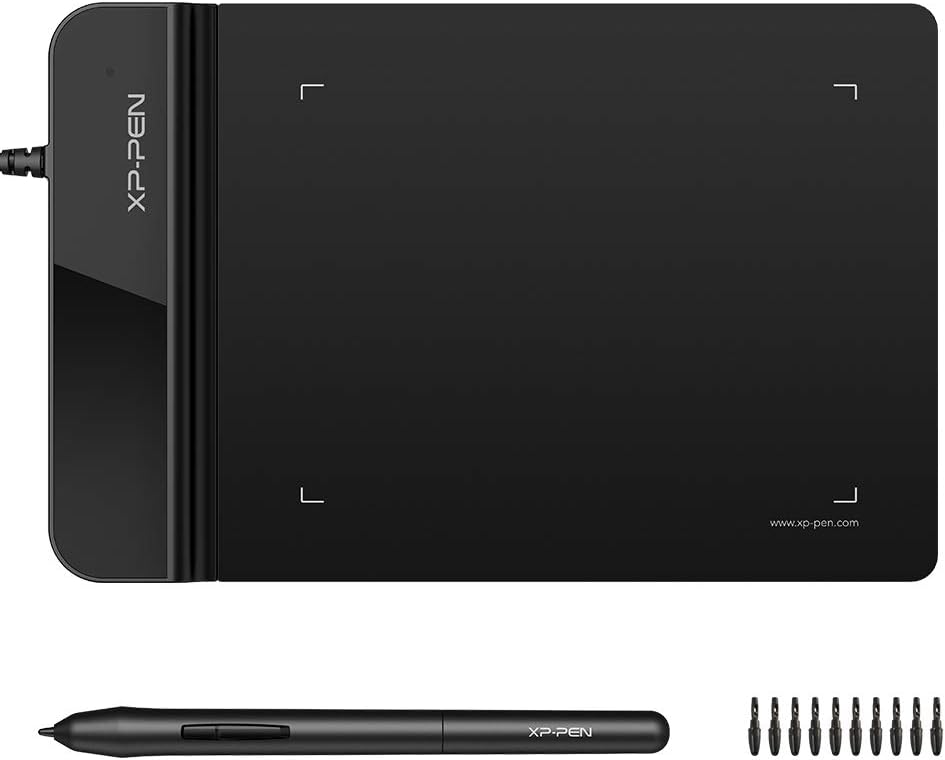
XP-Pen Star G430S is the ultra-budget pick — under $30 for a basic non-display tablet that does the job for occasional whiteboarding.
What is good: $25-$30 lifetime cost (this is hardware, not subscription); 4 × 3 inch active area is small but enough for math equations and quick diagrams; 8192 pressure levels (better than One by Wacom at half the price); plug-and-play on macOS, Windows, and ChromeOS; battery-free pen.
What is broken: 4 × 3 inch is genuinely small — fine for short sessions, fatiguing for hour-long lectures; no ExpressKeys; build quality is plastic and feels it.
Under the hood: 5080 LPI reporting rate, 8192 pressure levels, USB-A connection. EMR-style battery-free pen.
What should be better: An A4-sized version at $40 would close the gap between this and the One by Wacom medium without raising the price too far.
VEIKK VK1200
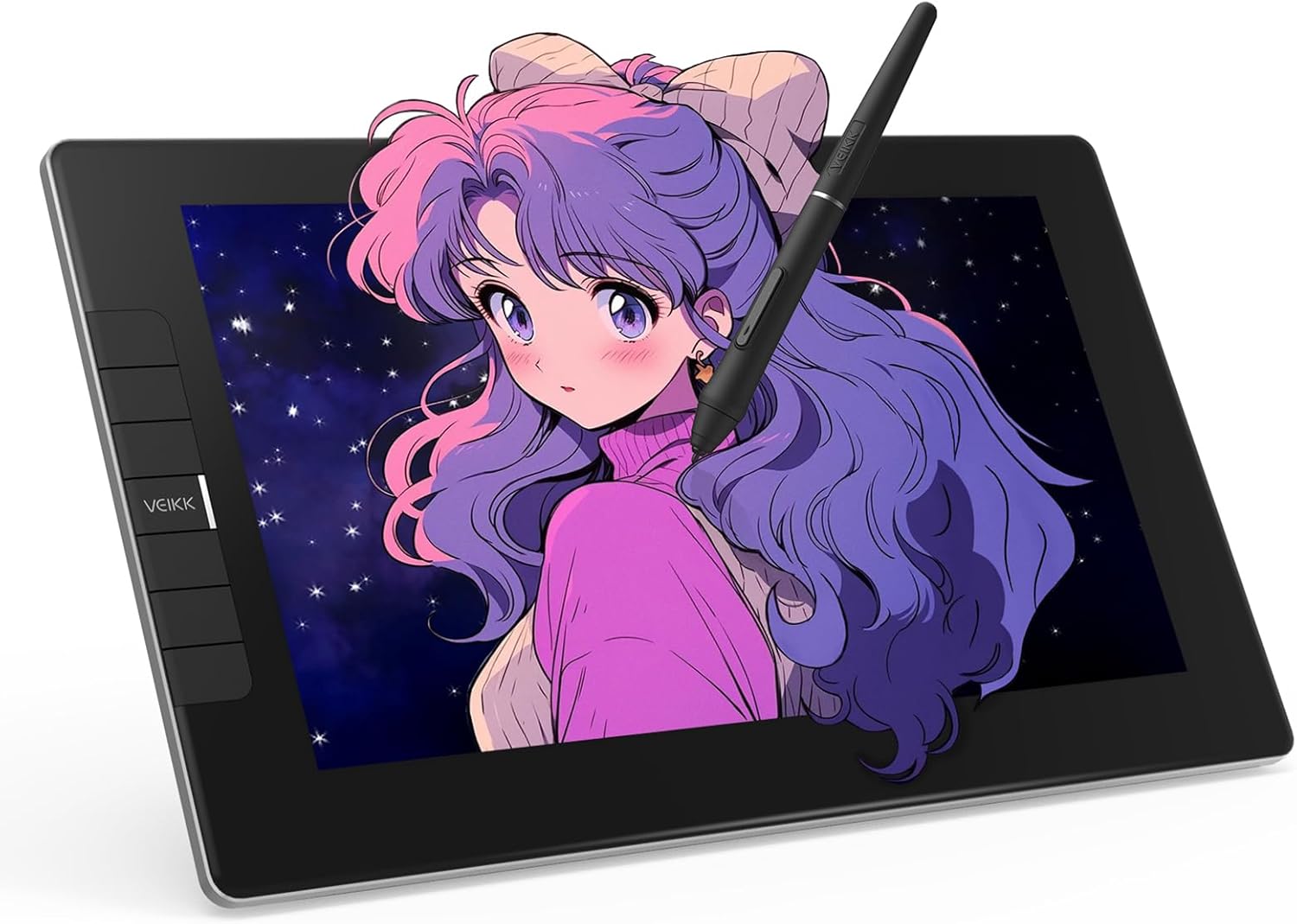
VEIKK VK1200 is the budget pen display option — 11.6 inch FHD screen at sub-$200, with the trade-offs you would expect at that price.
What is good: Sub-$200 for a pen display tablet (the cheapest non-Asian-import display tablet); 11.6 inch IPS panel with full lamination; 8192 pressure levels with battery-free stylus; 8 customizable buttons + analog dial.
What is broken: Color accuracy is roughly 72% NTSC — fine for whiteboarding but not for art classes; driver maturity is the lowest in the list, with periodic macOS update breaks; warranty service is via VEIKK’s small US presence.
Under the hood: 11.6 inch IPS FHD panel (1920×1080), 72% NTSC. Connects via three-in-one cable (HDMI + USB power + USB data).
What should be better: USB-C single-cable hookup — the three-cable rig is the single biggest annoyance teachers report.
iPad + Apple Pencil
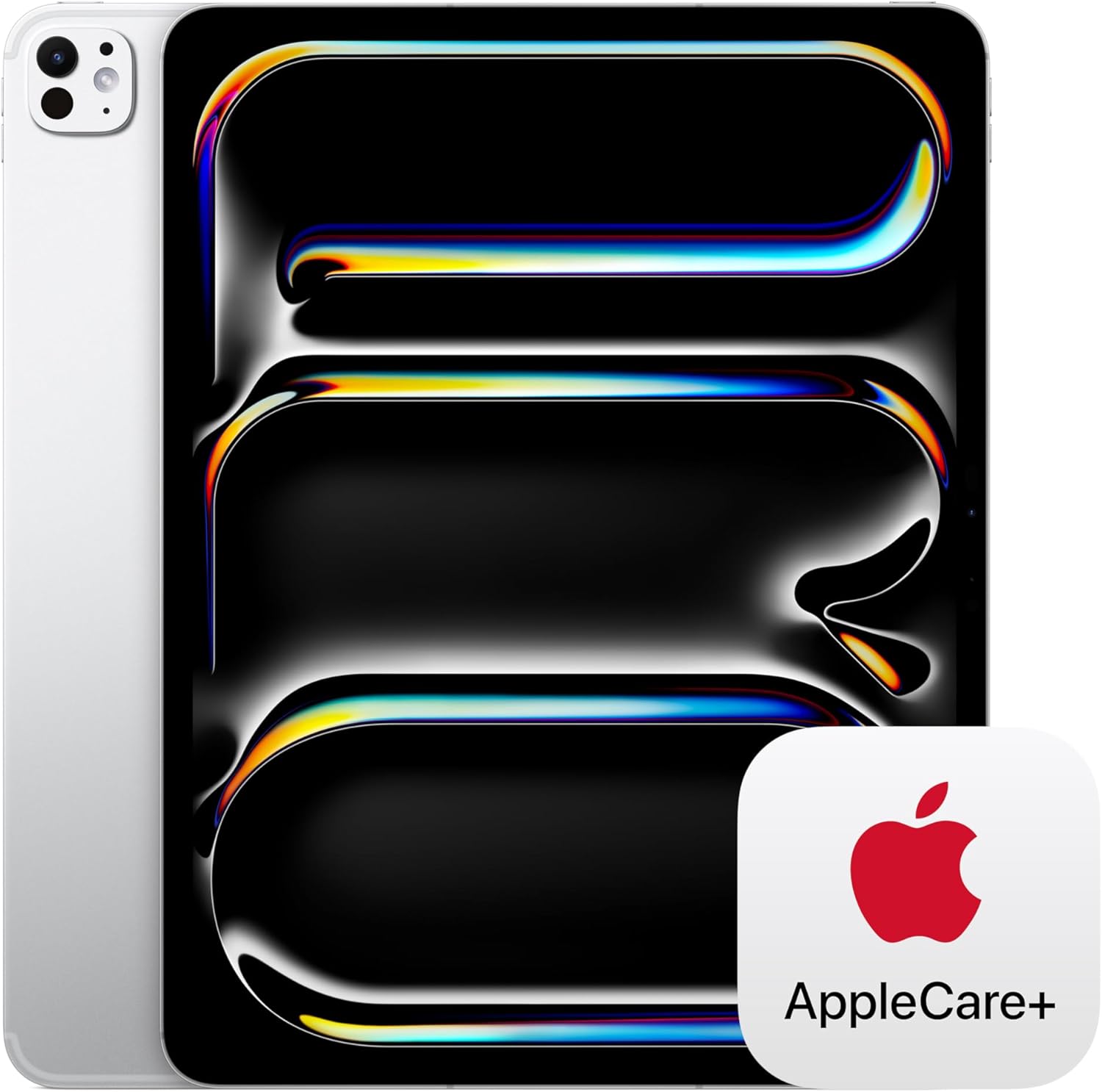
iPad with Apple Pencil is the right pick for teachers already living in the Apple ecosystem — pair it with GoodNotes 6 or Notability and your iPad becomes the best display tablet for online teaching.
What is good: iPad doubles as a portable computer outside teaching; Apple Pencil Pro (M-series iPad Pro) and Apple Pencil USB-C (regular iPad) both feel excellent on the etched-glass option; mirror to your Mac via Sidecar (free) for direct annotation; GoodNotes / Notability handle math/science/art equally well; battery-life lasts a full teaching day; iCloud sync to your laptop.
What is broken: Mirroring to a Windows PC requires a paid third-party app (Astropad, $80/yr); cheapest viable combo (iPad 10 + Apple Pencil USB-C) is $448, more than a One by Wacom + a $200 laptop screen; iCloud + Apple ID lock-in is real.
Under the hood: iPad Pro M5 with ProMotion (120Hz) display, mini-LED on the 13 inch model. Apple Pencil Pro adds squeeze, barrel roll, and haptic feedback.
What should be better: Better Windows interoperability — Apple sells iPads as universal devices but the Mac-only Sidecar advantage is the differentiator.
How to Pick a Pen Tablet for Teaching
Start with your subject and your computer. Math, physics, CS, and accounting teachers can use any non-display tablet — Wacom Intuos or Huion Inspiroy 2 covers everyone. Art and design teachers should buy a display tablet — Wacom One 13 Touch is the right starter, Cintiq Pro 16 is the long-term investment. Apple-ecosystem teachers can use an iPad as a display tablet via Sidecar, which means the iPad doubles as a teaching device and a personal computer.
See also: best website builders for teachers and schools, best online teaching platforms.
The Call
Pick one and order it today. Most teachers spend three weeks researching pen tablets and never buy one. The cheapest option (XP-Pen Star G430S, $30) is good enough to learn the muscle memory in a weekend, and you can upgrade in a year once you know what you actually need. The single biggest predictor of whether a teacher uses a pen tablet is whether the tablet arrived before the next class — pick fast, ship faster.
Frequently Asked Questions
What is the best pen tablet for online teaching in 2026?
For most teachers: Wacom Intuos (entry non-display, ~$80) or Wacom One 13 Touch (display tablet, $599). For art teachers: Wacom Cintiq Pro 16. For Apple users: an iPad with Apple Pencil. The right pick depends on your subject (math/CS = non-display is fine, art = display tablet) and your platform (Mac/Windows/iPad).
Do I need a display tablet or is a regular pen tablet enough?
Non-display tablets work for any subject where students see your screen — math equations, physics diagrams, code annotation, accounting tutorials. Display tablets become worth the extra money if you teach art, design, or any class where you need to see your hand and the pen tip together while drawing. Most teachers do not need a display tablet for their first year.
Can I use an iPad as a teaching pen tablet?
Yes. Sidecar (free, Mac only) mirrors your Mac display to your iPad and lets you draw with Apple Pencil — your iPad becomes a Wacom Cintiq replacement at no extra software cost. On Windows, you need Astropad or Duet Display ($80-$130/year). GoodNotes 6 and Notability also work as standalone teaching whiteboards if you screen-share the iPad through Zoom or Google Meet.
How much should I spend on my first pen tablet?
Most teachers should spend $50-$100 on their first tablet. One by Wacom ($50) or Wacom Intuos small ($80) covers everything you actually need to learn the technique. Avoid spending $400+ on a display tablet before you know whether you will use it daily — many teachers discover they prefer a non-display tablet anyway because it is more compact and cheaper to replace if dropped.
Wacom vs Huion vs XP-Pen — which brand is best?
Wacom is the safe default — best driver maturity, best resale, best third-party software support. Huion and XP-Pen have caught up significantly on hardware and undercut Wacom by 30-50%, but their drivers are slightly less reliable on macOS major-version updates. If you teach professionally and cannot afford a sudden driver issue mid-class, Wacom. If you want maximum value-per-dollar and tolerate occasional driver setup, Huion or XP-Pen.
Do pen tablets work with Zoom, Google Meet, and Microsoft Teams?
Yes. Pen tablets work at the OS level — anything you can draw on, the tablet feeds into. Standard workflow: open Zoom whiteboard or share your screen showing OneNote, Notability, GoodNotes, Microsoft Whiteboard, or any drawing app. The tablet draws into that app, students see it through the screen share. No special integration needed.
How long does a pen tablet last?
The hardware lasts 5-8 years for most users. The pen tip wears down faster — replacement nibs are $5-$10 for a pack of 10 and last about a year of daily use. Wacom’s EMR pens have no battery so they outlast the tablet itself. Cintiq Pro panels can pick up scratches over years; non-display tablets are more durable because there is no screen to damage.
Can I use a pen tablet without installing drivers?
One by Wacom and Wacom Intuos work in basic mode without drivers — you get cursor movement and pressure sensitivity, which is enough for most teaching. Installing drivers (Wacom Center on Mac, Wacom Driver on Windows) unlocks ExpressKey customization and pen-button assignments. iPads do not need any drivers because Apple Pencil is OS-native.
Tell Google you want more of this.
Add Gaurav Tiwari as a preferred sourceOne tap, and this site shows up more often in your own Top Stories, AI Overviews and AI Mode. Remove it any time.
Disclaimer: This site is reader-supported. If you buy through some links, I may earn a small commission at no extra cost to you. I only recommend tools I trust and would use myself. Your support helps keep gauravtiwari.org free and focused on real-world advice. Thanks. - Gaurav Tiwari