
 by
by
AI is taking control of everything, including online searches. In this scenario, AI visibility matters a lot, and tracking it is very important. Several AI tools render and index your pages, but you don’t get to track them properly using traditional SEO tools.
Due to API differences, ChatGPT, Gemini, Perplexity, Google’s AI overviews, and Claude are not properly tracked by all traditional search‑engine‑marketing tools, like those we used to use.
But as the time passes, these features are rapidly being added to the top tools, as AI visibility is becoming second to none in the search‑engine‑marketing field.
So, if anyone asked, why did they need an AI visibility tool in 2026? This is the answer.
You want to know whether ChatGPT, Gemini, Perplexity and Google’s AI Overviews mention your brand when buyers ask about your category. The best AI visibility tools answer that by sending the same prompts to those engines on a schedule and recording which brands get named and which pages get cited.
The trouble is in how they answer it. Every tool measures a sample of prompts that somebody chose, the answers change from one run to the next and the entry plans in this list collect anywhere from about 1,800 to 30,000 answers a month. A tool that hides the cited sources or runs too few prompts leaves you paying every month to watch a score move without knowing what to fix.
So the tool I’d pay for is the one that shows the cited URLs behind each answer, splits results by engine and collects enough answers for a trend to mean something. Before buying any of them, the free AI reports in Google Search Console, Bing Webmaster Tools and GA4 deserve a month of your attention, because they measure your own site and every paid tracker should be checked against them.
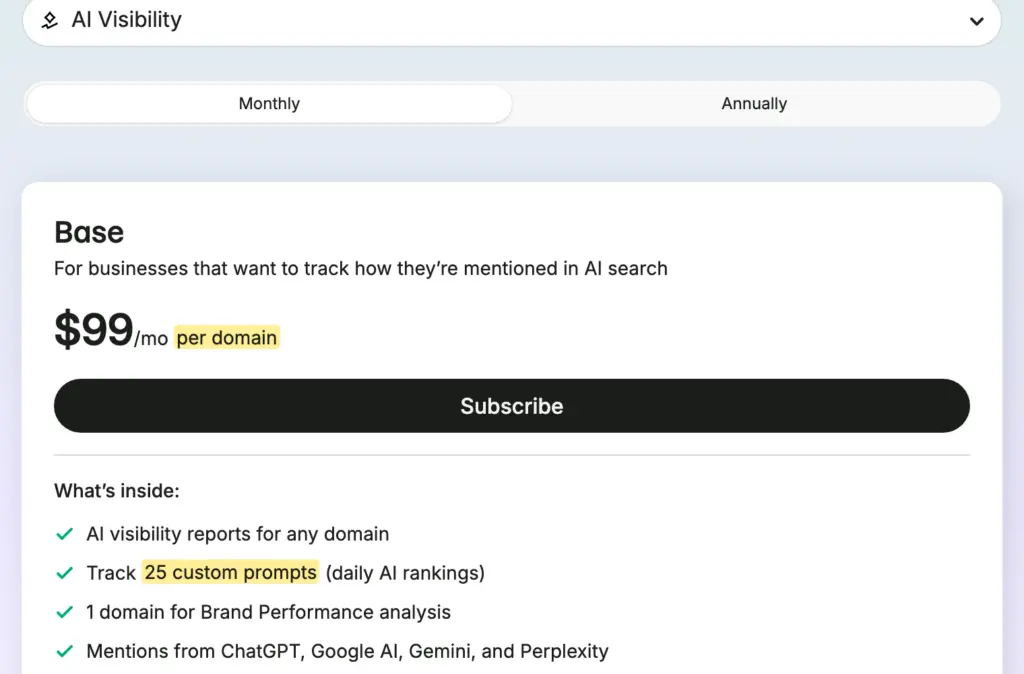
- Semrush AI Visibility Toolkit is my pick when your SEO work already lives in Semrush. It tracks 25 prompts a day for $99 a month per domain, and the cited pages sit beside the keyword, backlink and competitor data you need to act on them.
- Peec AI is the dedicated tracker I’d choose for a marketing team that wants full answers, cited URLs and unlimited seats without an enterprise contract. Starter costs $95 a month for 50 prompts on 3 engines.
- SE Visible collects the most answers for the money. Its $99 Basic plan runs 200 prompts across 5 engines every day, which comes to roughly 30,000 answers a month.
- Otterly.AI is the cheapest way to automate tracking at $29 a month, and it lets you export the raw answers on every plan.
Semrush is the paid tool I use for this, and I pull DataForSEO’s LLM Mentions API into custom client reports. I compared the other 8 tools on their current plans, documentation and product screens, so read those entries as researched picks.
Quick Comparisons
To be honest, I’m not biased toward any of the products here, whether I’m an affiliate or not, because this field is open to everyone. Semrush is good, as are Ahrefs and other tools. Make sure you try the tool that best fits your needs. I’ve added a table showing the features each tool is best for. If your business or needs match any of those requirements, try that tool. Don’t use multiple tools at once; it might be a waste of money.
| Tool | Best for | Entry price | Engines on the entry plan | Entry plan volume |
|---|---|---|---|---|
| Semrush AI Visibility Toolkit | SEO teams already on Semrush | $99/mo per domain | ChatGPT, AI Overviews, AI Mode, Gemini, Perplexity (varies by report) | 25 prompts daily |
| Peec AI | Dedicated multi-engine tracking | $95/mo ($80 annual) | 3 of your choice | 4,500 answers/mo |
| SE Visible | Most answers per dollar | $99/mo ($79 annual) | ChatGPT, AI Overviews, AI Mode, Gemini, Perplexity | About 30,000 answers/mo |
| Otterly.AI | Cheapest automated start | $29/mo ($25 annual) | ChatGPT, AI Overviews, Perplexity, Copilot | About 1,800 answers/mo |
| Ahrefs Brand Radar | Category data without a prompt list | $50/mo for custom prompts | AI Overviews, AI Mode, ChatGPT, Perplexity, Gemini, Copilot | 2,500 checks/mo |
| Profound | Enterprise brands | Custom (free 7-day trial) | Up to 9 | Custom |
| AthenaHQ | Widest engine list on one plan | $295/mo ($245 annual) | 11 | 3,600 credits/mo |
| Scrunch | Citation influence analysis | $250/mo | ChatGPT, Perplexity, AI Overviews, Copilot | 5,000 answers/mo |
| Amplitude AI Visibility | Free tracking tied to analytics | Free | ChatGPT, AI Overviews | Not published |
| DataForSEO AI Optimization API | Custom reports and developers | Pay per request | AI Overviews, ChatGPT (US English) | Pay as you go |
Every tool here shows the sources cited in the answers it collects, so the columns cover what separates them: price, engines and how many answers the entry plan gathers each month.
What AI Visibility Tools Measure
Every AI visibility tool works the same way under the hood. It sends a list of prompts to each AI engine on a schedule, saves the answers and counts what it finds:
- Mentions: the answer names your brand.
- Citations: the answer links to or credits one of your URLs.
- Position: where your brand sits among the brands named.
- Sentiment: whether the answer describes you favorably.
- Sources: which domains and pages the engine cited, including your competitors’.
AI visibility tracking is more of a polling game than a counting game. The number on the dashboard comes from that sample. Literally, nobody knows what these AI tools mention every time someone asks a question. Maybe people at Google or OpenAI have access to that knowledge, but AI visibility tools don’t. So they track a sample of opinions or chats, and when the sample is large enough, they identify trends—such as traffic or volume trends—that you see. This is how things work, and how they’ll continue to work because of the rules.
Now, the question is which tool has the largest sample size. This matters because a search engine marketing tool with a sample of 25 prompts will produce less accurate data than one with a sample of 250 prompts.
Nobody outside OpenAI or Google can count every time ChatGPT or AI Mode mentions your brand, so a tracker works more like an opinion poll than a rank tracker. A poll still tells you something useful when the questions stay fixed, the sample is big enough and you read the trend across many runs. It goes bad when the questions are leading or no real buyer would ask them.
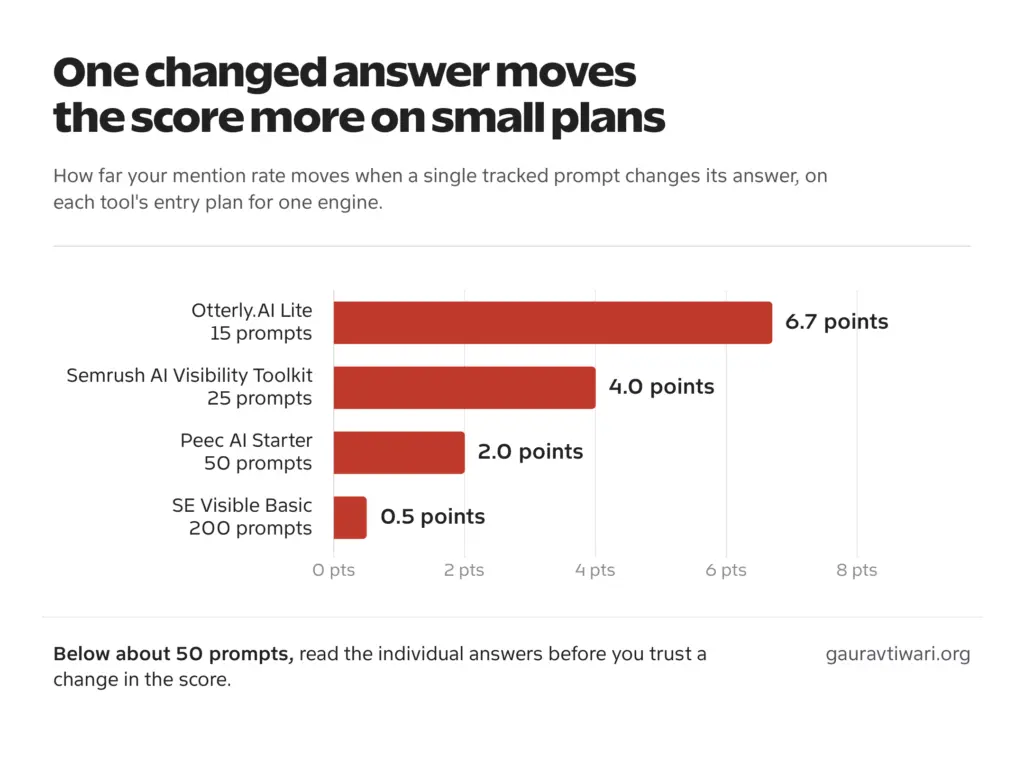
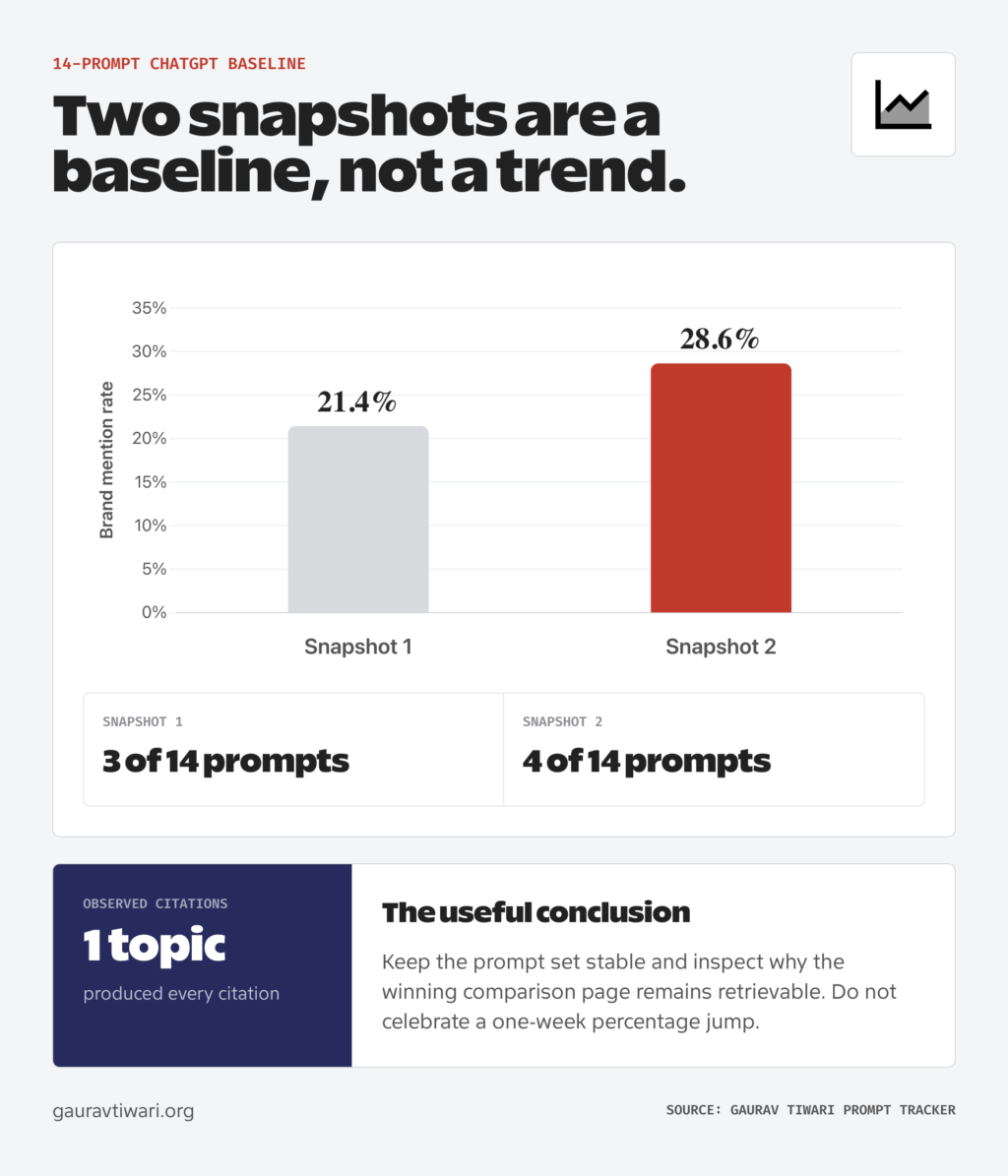
My own baseline shows why that matters. I tracked 14 prompts on July 1 and July 8, 2026, and ChatGPT mentioned my brand in 3 answers the first week and 4 the second. That looks like a jump from 21.4% to 28.6%, but on 14 prompts one answer flipping moves the rate by about 7 points, so it was noise. The useful finding was that a single FlyingPress vs WP Rocket comparison prompt produced every citation to my site, which told me which page the engines trust and which cluster to build out.
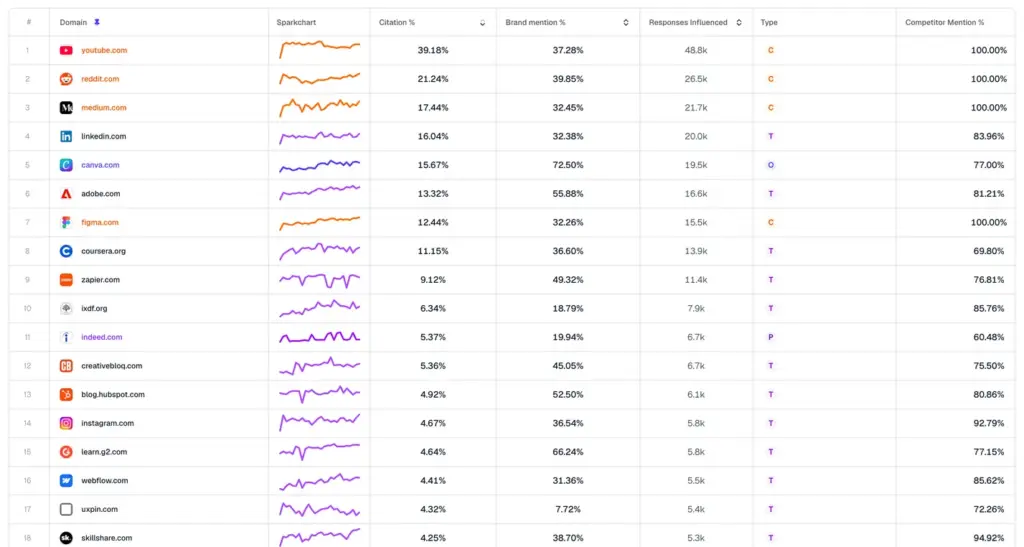
The sources list is usually worth more than the score. It shows whether you’re losing to a competitor’s own page, a Reddit thread, a review site or a comparison article, and each of those needs a different fix. Engines can also pick a citation to fit an answer they’ve already generated, so a single citation should be read lightly. A source that keeps turning up across weeks is a much stronger lead.
The full spreadsheet, the prompt types and the 4 metrics I report are in my AI visibility tracking workflow.
Free AI Visibility Reports
Search Console, Bing Webmaster Tools and GA4 now report AI visibility from your own site’s side for free, and together with your server logs they’re what I’d check any paid tracker against. None of them shows a competitor’s answers, but they show what reached your pages. To be precise, these are more accurate than those paid tools, but they don’t offer complete information about the AI visibility queries.
- Google Search Console’s generative AI performance report shows impressions from AI Overviews and AI Mode by page, country, date and device. It has no clicks and no query data, and Google finished rolling it out to all sites on August 31, 2026.
- Bing Webmaster Tools’ AI Performance report counts citations of your pages in Microsoft Copilot, Bing’s AI summaries and some partner experiences. It also shows a sample of grounding queries, the searches the AI ran before citing you, which is the closest thing to prompt data any free report gives. It’s still a public preview.
- GA4’s AI Assistant channel, added on May 13, 2026, groups visits from ChatGPT, Gemini, Claude, Copilot and other assistants on Google’s list. Clicks from AI Overviews and AI Mode still count as Organic Search, so Google’s own AI traffic won’t show up there.
- Server logs or CDN analytics show which pages OpenAI’s OAI-SearchBot and ChatGPT-User, Perplexity’s PerplexityBot and Perplexity-User and Anthropic’s Claude-SearchBot and Claude-User fetch. OpenAI and Perplexity both say their user-triggered fetchers may not follow robots.txt.
- Free checkers give you a one-off snapshot of AI answers. Ahrefs’ AI Visibility Checker needs no signup, the free Semrush plan shows basic AI mentions and citations, SE Ranking allows 5 free checks a day and Amplitude AI Visibility runs on Amplitude’s free plan.
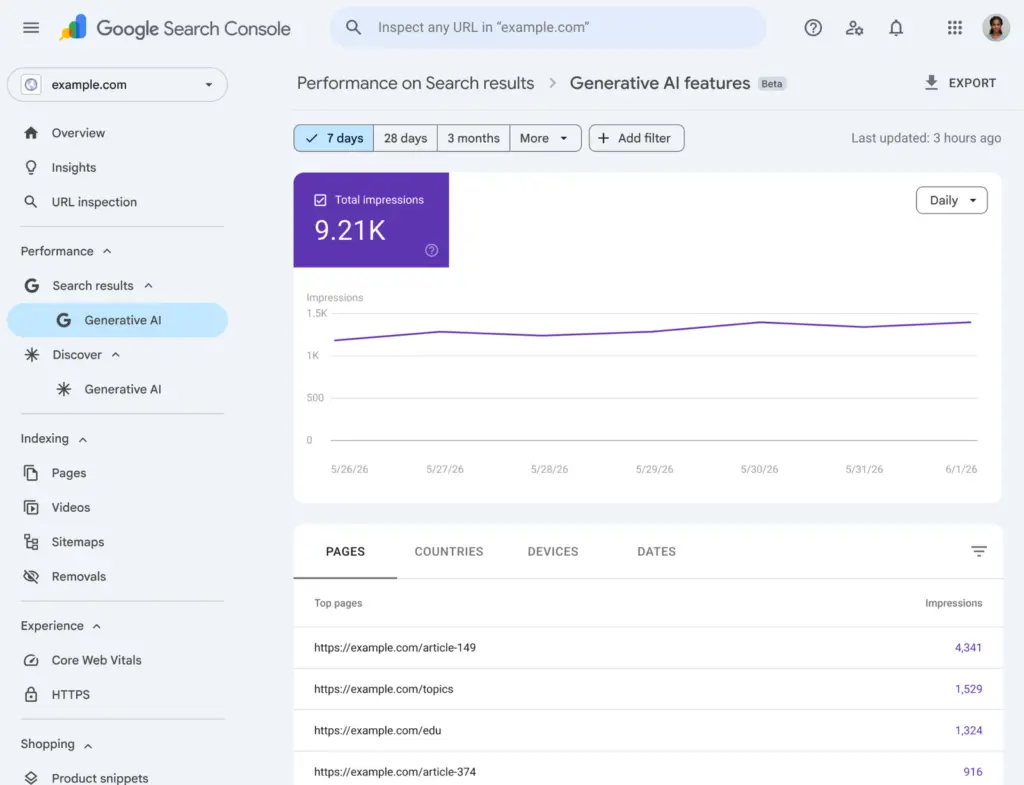
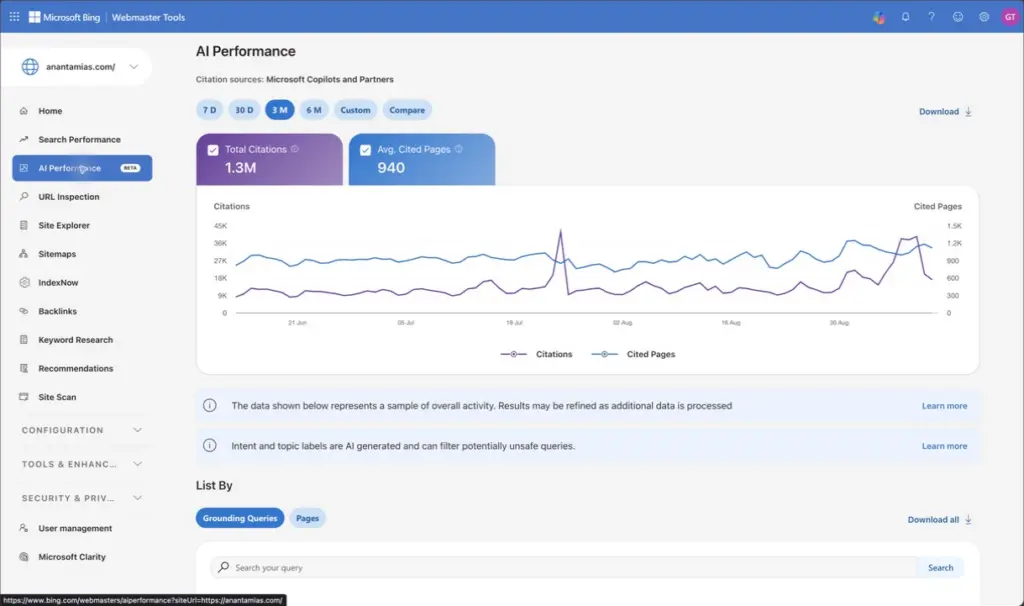
My Bing Webmaster Tools guide walks through the AI Performance report on a live site, and my Google Search Console setup guide covers the Google side. A month of these reports plus 10 to 20 real buyer questions in a spreadsheet generally tells you whether you need a paid tracker at all.
Best AI Visibility Tools
Now, on to the list. I was really skeptical about which tools to include, but I’ve done my best. I think tools like Semrush, with its extensive experience in the field, deserve to be at the top. Tools that offer excellent value for money should also be included. I’ve tried to strike a balance across all the criteria, including innovation, stability, and data sample size. So, without further ado, let’s get to the list. The 10 tools below start with the ones I’d buy first and move on to specialist and enterprise options.
Semrush AI Visibility Toolkit
Semrush AI Visibility Toolkit is my first pick for SEO teams that already work in Semrush, and it’s the paid layer I use myself. The reason is context: when a competitor wins a prompt, the cited page, its backlinks and the keyword demand around it are a click away in the same account.
Semrush AI Visibility Toolkit
- 25 prompts tracked daily
- Cited sources for each prompt
- Share of voice and sentiment
- AI-readiness audit for 100 pages
- $99 a month per domain, with the same price on monthly and annual billing.
- 25 custom prompts tracked daily, with 50 more for $60 a month.
- A research database of more than 317 million prompts, built from clickstream data and AI Overview keywords.
- Cited sources and a snapshot of the actual answer for each tracked prompt.
- Share of voice and sentiment in the weekly Brand Performance report.
- Coverage across ChatGPT, AI Overviews, AI Mode, Gemini and Perplexity, though the daily Prompt Tracking report skips Perplexity.
- An AI-readiness audit for up to 100 pages that checks whether AI crawlers are blocked.
The weak spot is sample size, because 25 prompts is a thin sample for a daily score. Prompt Tracking is also desktop-only, every extra team member needs their own $99 toolkit license and the toolkit has no free trial of its own. If you want the SEO tools and AI tracking together, Semrush One Starter bundles both with 50 prompts for $199 a month.
If you don’t use Semrush already, I’d start with Peec AI or SE Visible instead. My Semrush review covers the rest of the platform.
Peec AI
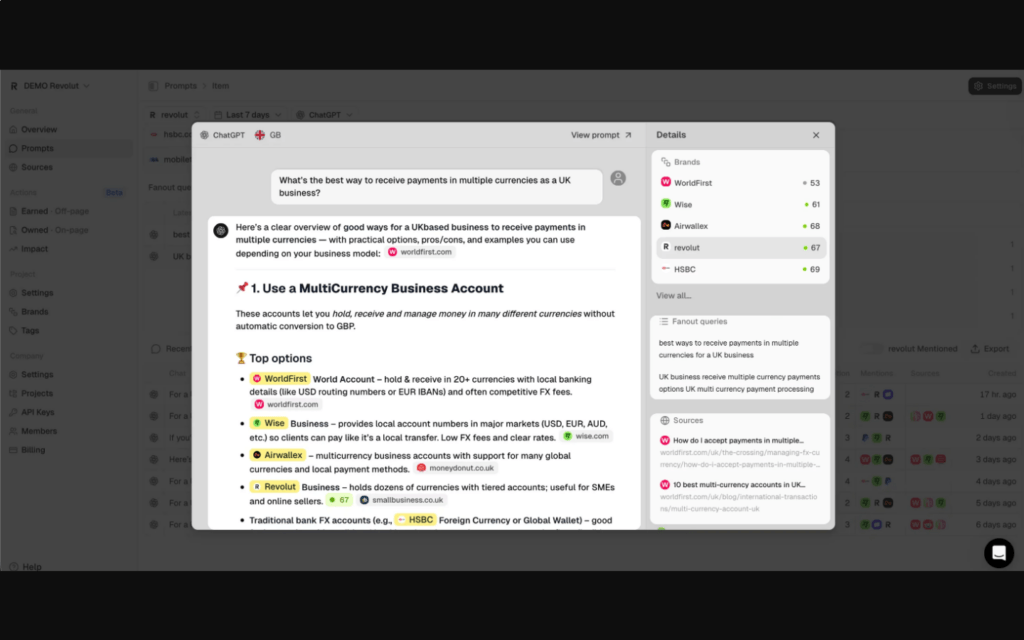
Peec AI is the dedicated tracker I’d choose for a marketing team that wants clean multi-engine data without an enterprise contract. You can open the full answer behind any prompt, see every URL it cited or used and read back through the last 100 answers per prompt, which makes it easy to tell a real shift from a one-off.
Peec AI
- 50 prompts on 3 engines
- Full answers and cited URLs
- Unlimited users
- AI crawler tracking
- Starter costs $95 a month, or $80 billed annually, for 50 prompts, 3 engines, 1 country and 1 project.
- Pro costs $245 a month for 150 prompts, 3 countries and 2 projects.
- Engines to choose from: ChatGPT, AI Mode, AI Overviews, Copilot, Gemini and Naver AI, with Perplexity and extra engines at $35 a month each on Starter.
- Unlimited users, competitors and languages on every plan.
- Visibility, position, sentiment and share of voice, plus AI crawler tracking on every plan.
- CSV export and MCP access on every plan.
The 3-engine limit is the catch. Tracking ChatGPT, AI Overviews and AI Mode uses all 3 slots, so Perplexity or Gemini costs extra, and Claude, Grok and DeepSeek are Enterprise-only. Prompt volume shows as a relative 1 to 5 score, which helps you rank prompts but won’t give you search counts.
Against Semrush, Peec gives you twice the prompts for about the same price and seats for the whole team, but none of the SEO data around them.
SE Visible
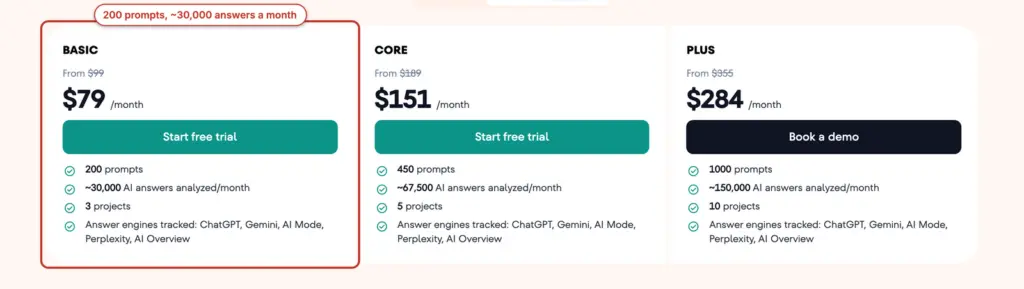
SE Visible, from SE Ranking, collects the most answers for the money in this list. Its Basic plan runs 200 prompts across ChatGPT, AI Overviews, AI Mode, Gemini and Perplexity every day, which works out to roughly 30,000 answers a month for $99, against 4,500 on Peec’s Starter plan.
SE Visible
- 200 prompts on 5 engines
- About 30,000 answers a month
- Raw answer text per prompt
- 10-day free trial
- Basic costs $99 a month, or $79 billed annually, for 200 prompts and 3 projects.
- Core costs $189 a month for 450 prompts and 5 projects.
- All 5 engines are included, with answers collected through each engine’s real interface.
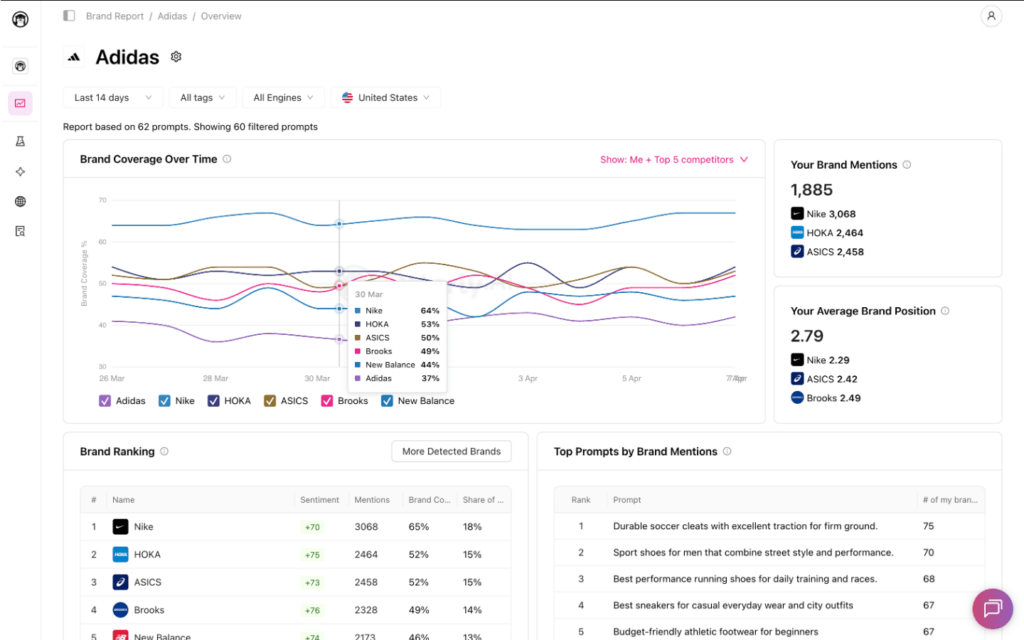
- Cited domains and URLs are grouped by source type, with a list of sources that cite your competitors and skip you.
- Share of voice, average position, sentiment and the raw answer text for each prompt.
- CSV export, a Looker Studio connector and an API in beta.
- A 10-day free trial.
The prompt allowance is pooled across projects, so one busy brand can use up the others’ prompts. There’s no white-labeling for agency reports and no Claude or Copilot coverage. If you already pay for SE Ranking, its AI Search add-on at $89 a month includes 200 prompts and full SE Visible access.
For a small team that cares most about sample size, this is the plan I’d test first.
Otterly.AI
Otterly.AI is the cheapest way to automate AI visibility tracking, and the one I’d point a solo consultant or small business toward first. Lite costs $29 a month and tracks 15 prompts daily on ChatGPT, AI Overviews, Perplexity and Copilot.
- Lite costs $29 a month, or $25 billed annually, for 15 prompts and 1 workspace.
- Standard costs $189 a month for 100 prompts, unlimited workspaces, API and MCP access and AI crawler tracking.
- AI Mode and Gemini cost $9 a month each on Lite, and Claude costs $29.
- Raw answers export as CSV or JSON on every plan, along with citations, position and sentiment.
- A 7-day free trial with no credit card.
15 prompts is a small sample, so I’d use Lite to watch your 15 most important buyer questions one by one and ignore the headline score. The jump from Lite to Standard is steep, from $29 to $189 a month, and Otterly checks Claude through its API, which can answer differently from the Claude app your buyers use.
Ahrefs Brand Radar
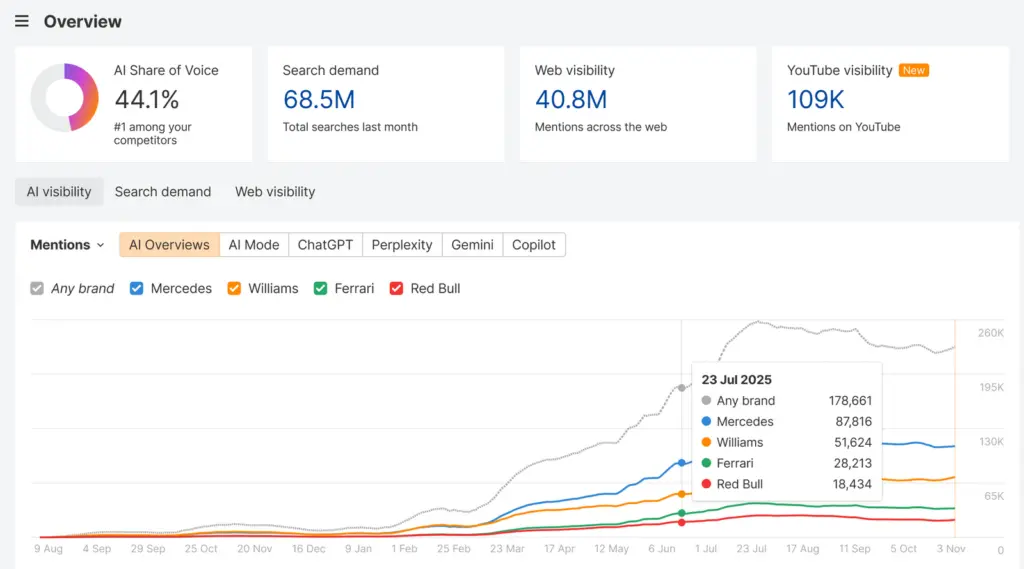
Ahrefs Brand Radar is the pick when you want category-wide data without building a prompt list first, which suits agencies pitching a new client. Its AI Visibility Index covers more than 400 million prompts, so you can search any brand and see its mentions and citations across engines straight away.
- Custom prompts start at $50 a month for 2,500 checks, where a check is 1 prompt on 1 engine in 1 location. It works with a free Ahrefs account.
- The AI Visibility Index costs $199 a month per platform, or $699 for all platforms with 2,500 custom checks included.
- Ahrefs Lite at $129 a month includes 150 custom checks a month.
- Engines: AI Overviews, AI Mode, ChatGPT, Perplexity, Gemini and Copilot, with Claude on custom prompts at 8 checks each.
- Cited pages, raw responses, fan-out queries and pages the engine found but didn’t cite.
- CSV, Google Sheets, API, Looker Studio and MCP exports, plus free AI bot analytics while it’s in beta.
The index data is re-tested only monthly over a 90-day window, which makes it a market map for pitches and research. Daily tracking needs the custom prompts. Ahrefs also says coverage can be limited for brands with little search volume, and Grok data collection is paused after a Grok policy change.
The big index swaps your own bias in choosing prompts for Ahrefs’ choices, which is a fair trade for a market snapshot and a poor one for tracking your specific buyers.
Profound
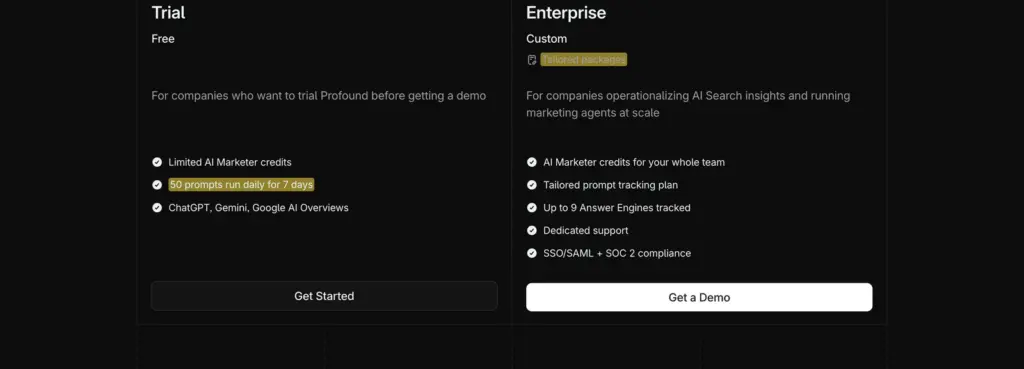
Profound is built for enterprise brands, and it now sells brand plans only through sales. The public options for a brand are a free 7-day trial and a custom Enterprise plan.
- The free trial runs 50 fixed prompts daily for 7 days on ChatGPT, Gemini and AI Overviews, with no exports or history.
- Enterprise adds custom prompt volume on up to 9 engines, CSV and JSON exports, API access, SSO and full history.
- Agency Growth costs $99 a month plus $399 a month for each client workspace.
- Prompt Volumes estimates what people ask the engines from more than 1.5 billion AI conversations collected through opt-in consumer panels, in 10 countries.
- Agent Analytics reads AI crawler visits from your server or CDN logs.
- Content tools draft page rewrites and stage them in your CMS.
The Prompt Volumes data is the most interesting part, because panel data gets closer to what people actually type into the engines than a keyword tool’s guess. I’d only buy Profound with a budget and a team to act on the output. A solo site owner gets more from Peec or Otterly.
AthenaHQ
AthenaHQ covers the widest set of engines on a self-serve plan: 11, including Claude, Grok, DeepSeek, Meta AI and Mistral. That breadth is useful if your buyers lean on assistants the cheaper tools skip.
- Essential is free, with a $25 starting credit (300 credits) on 5 engines.
- Starter costs $295 a month, or $245 billed annually, for 3,600 credits, 11 engines and unlimited seats.
- 1 credit buys 1 answer on ChatGPT, AI Overviews, AI Mode, Perplexity, Gemini and Copilot. Claude, Grok, DeepSeek, Meta AI and Mistral cost 5 credits each.
- Prompt variations multiply the cost of every answer by 4.
- Answers you can search and export, cited sources, sentiment, share of voice and prompt volume estimates.
- A content hub and optimization agent for drafting fixes.
Credits drain fast: 3,600 credits buys about 20 prompts a day across the 6 main engines, and fewer once you add the 5-credit engines. Starter also tracks a single country and language.
Scrunch
Scrunch suits brands that want to know which cited pages actually influence answers. It logs every cited URL with an Influence Score that you can filter by domain or page.
- Core costs $250 a month for 125 prompts, 5,000 answers, 1 brand, 5 users and 5 competitors.
- Agency Core costs $500 a month.
- Core covers ChatGPT, Perplexity, AI Overviews and Copilot. Claude, Gemini, AI Mode, Meta AI and Grok need Enterprise.
- New prompts run daily for 14 days, then every 72 hours by default.
- Share of voice, sentiment and exports on both plans, with the API and Looker Studio on Enterprise.
- A 7-day trial that needs a credit card.
The 72-hour refresh explains the volume: 125 prompts on 4 engines, run about 10 times a month, comes to its 5,000 answers.
Its Enterprise Agent Pages feature serves a simplified version of your pages to AI agents at the CDN while people see the normal site. Scrunch says that isn’t cloaking because it leaves Googlebot and Bingbot alone. I’d still be careful with it, because you end up maintaining two versions of every page, and the day they say different things you have a trust problem with both audiences.
Amplitude AI Visibility
Amplitude AI Visibility is the free tracker I’d use, and it makes the most sense if you already use Amplitude for product analytics. It’s included in every Amplitude plan, including the free plan with 2 million events a month.
- It tracks ChatGPT and Google AI Overviews only, and you can’t change the engines.
- Each response shows the full answer, cited domains and pages, competitor mentions and sentiment.
- Cohorts built from cited pages let you see AI referral traffic and conversions in Amplitude Analytics.
- Prompt metrics export as CSV.
Amplitude generates the prompts with AI and doesn’t publish prompt limits or refresh cadence, so I’d treat it as a free second opinion on ChatGPT and AI Overviews.
DataForSEO AI Optimization API
DataForSEO’s AI Optimization API is for developers and agencies building their own reports, and it’s what I use for custom client reporting. Its LLM Mentions API returns the question, the full answer, cited sources, fan-out queries and search volume from a database of more than 387 million prompts.
- LLM Mentions costs $0.10 per request plus $0.001 per row returned.
- It covers Google AI Overviews and ChatGPT, with ChatGPT limited to US English.
- The LLM Responses API sends your own prompts to ChatGPT, Claude, Gemini and Perplexity through their official APIs.
- Billing is pay as you go, with a $50 minimum top-up and $1 of free trial credit.
There’s no dashboard, so you’ll need code or a developer, and answers from an official API can differ from what a person sees in the ChatGPT app. Share of voice and sentiment are yours to calculate.
How to Choose an AI Visibility Tool
The vendors all promise the same dashboard, so I’d judge them on the parts that change what you can do with the data. These are the checks I’d run during any free trial:
- Cited URLs per answer: you need to see which pages fed each answer, yours and your competitors’. Without them, a low score gives you nothing to fix.
- Engines reported separately: ChatGPT, AI Overviews and Perplexity cite different sources, so a blended average hides where you win and where you lose.
- Answers per month: more prompts on more engines means one odd answer moves the trend less. You can divide a plan’s monthly answers by its price to compare 2 tools fairly.
- Raw answer export: if you can’t download the answers, you can’t check how the score was calculated or rebuild it in a spreadsheet.
- Mentions split from recommendations: being listed for “what tools exist for X” is a different result from being the answer to “which X should I buy.”
- Where prompts come from: your own prompts carry your blind spots and a vendor database carries theirs. Custom prompts pulled from sales calls, support tickets and Search Console queries are the safer default.
- Refresh cadence: daily runs catch drift, while a 72-hour or monthly refresh suits trends and is too slow to judge a change you made last week.
- Seats and brands: agencies should price the fifth client and the third team member before signing, because per-brand and per-user fees decide the real bill.
The four picks at the top cover most readers. For everyone else:
- Agencies pitching new clients get more from Ahrefs Brand Radar’s index than from any custom prompt list.
- Enterprise brands with a team to act on the output belong on Profound.
- Brands whose buyers use Claude, Grok or DeepSeek should price AthenaHQ.
- Developers building their own reports should start with DataForSEO.
The Limits
Even the best AI visibility tool can’t see everything, and these limits apply to every product above:
- No tool sees personalized answers. Logged-in users with memory, location and chat history get answers no tracker reproduces.
- API answers and app answers differ. A tool that queries an engine through its official API can get a different answer from the consumer app a buyer uses.
- Prompt volume numbers are estimates. Profound uses panel data, Ahrefs adjusts search volume and Peec gives a 1 to 5 score, and none of them counts real prompts.
- Ads change the answer page. Otterly paused its ChatGPT ads reporting on September 16, 2026 after OpenAI changed how ads display.
- Engines change their rules without notice. Ahrefs can’t collect new Grok data after a Grok policy change, and AthenaHQ moved Grok to 5 credits for every account in October 2026.
Final Remarks
I’d start with the free reports and a spreadsheet of 10 to 20 real buyer questions for a month. If that baseline shows prompts worth winning, the cheapest tool above that shows cited URLs per answer for the engines your buyers use is the one to buy. It is wise to judge that tool on the sources it surfaces before you trust its score.
If you’d rather have me run this for you, my GEO program starts with an AI citation baseline across ChatGPT, Perplexity and AI Overviews and includes monthly tracking against your competitors.
FAQs on AI Visibility Tools
For SEO teams already on Semrush, the Semrush AI Visibility Toolkit is the best fit because AI tracking sits beside the SEO data needed to act on it. For a dedicated tracker, Peec AI offers full answers, cited URLs and unlimited seats from $95 a month, and SE Visible collects the most answers per dollar, about 30,000 a month on its $99 plan.
Yes. Google Search Console’s generative AI report, Bing Webmaster Tools’ AI Performance report and GA4’s AI Assistant channel are free and measure your own site. Ahrefs’ AI Visibility Checker, Amplitude AI Visibility and SE Ranking’s 5 free daily checks give free snapshots of AI answers.
Entry plans run from $29 a month for Otterly.AI’s 15 prompts to $295 a month for AthenaHQ’s Starter plan. SEO-suite options sit in between, such as Semrush’s toolkit at $99 a month per domain and SE Ranking’s SE Visible at $99 a month. Profound and most enterprise plans are priced through sales.
No. Every tool tracks a sample of prompts it sends itself, and ChatGPT’s answers vary by user, location and conversation. The useful output is the trend across a fixed prompt set and the sources ChatGPT cites, because those show where to earn mentions.
Weekly checks with a monthly report are enough for most small sites. Daily tracking helps larger brands with many prompts, but on a small prompt set the daily swings are mostly noise.
Tell Google you want more of this.
Add Gaurav Tiwari as a preferred sourceOne tap, and this site shows up more often in your own Top Stories, AI Overviews and AI Mode. Remove it any time.
Disclaimer: This site is reader-supported. If you buy through some links, I may earn a small commission at no extra cost to you. I only recommend tools I trust and would use myself. Your support helps keep gauravtiwari.org free and focused on real-world advice. Thanks. - Gaurav Tiwari