
 by
by
Most Halloween escape room printables leave the hard part to you. You get a page of riddles, or a 3-page preview of a paid pack, or a full game whose answer key has a gap you only find when 25 kids are waiting at your desk with a code that doesn’t work.
This free Halloween escape room printable is the whole game. It’s called The Haunted Classroom, it’s built for grades 3 to 5, and it has 5 puzzle stations where every answer unlocks the next card. Each station also adds a digit to a Spell Book, and the last puzzle tells teams how to read those digits as the final code. You need paper, pencils and about 20 minutes of prep, and no lock.
What’s in the Escape Room Pack
The pack is two documents, each in US Letter and A4. The learner pack goes to the players, and the teacher key stays with you. I split them on purpose: a single file with the answers at the back is one stapler accident away from spoiling the game.
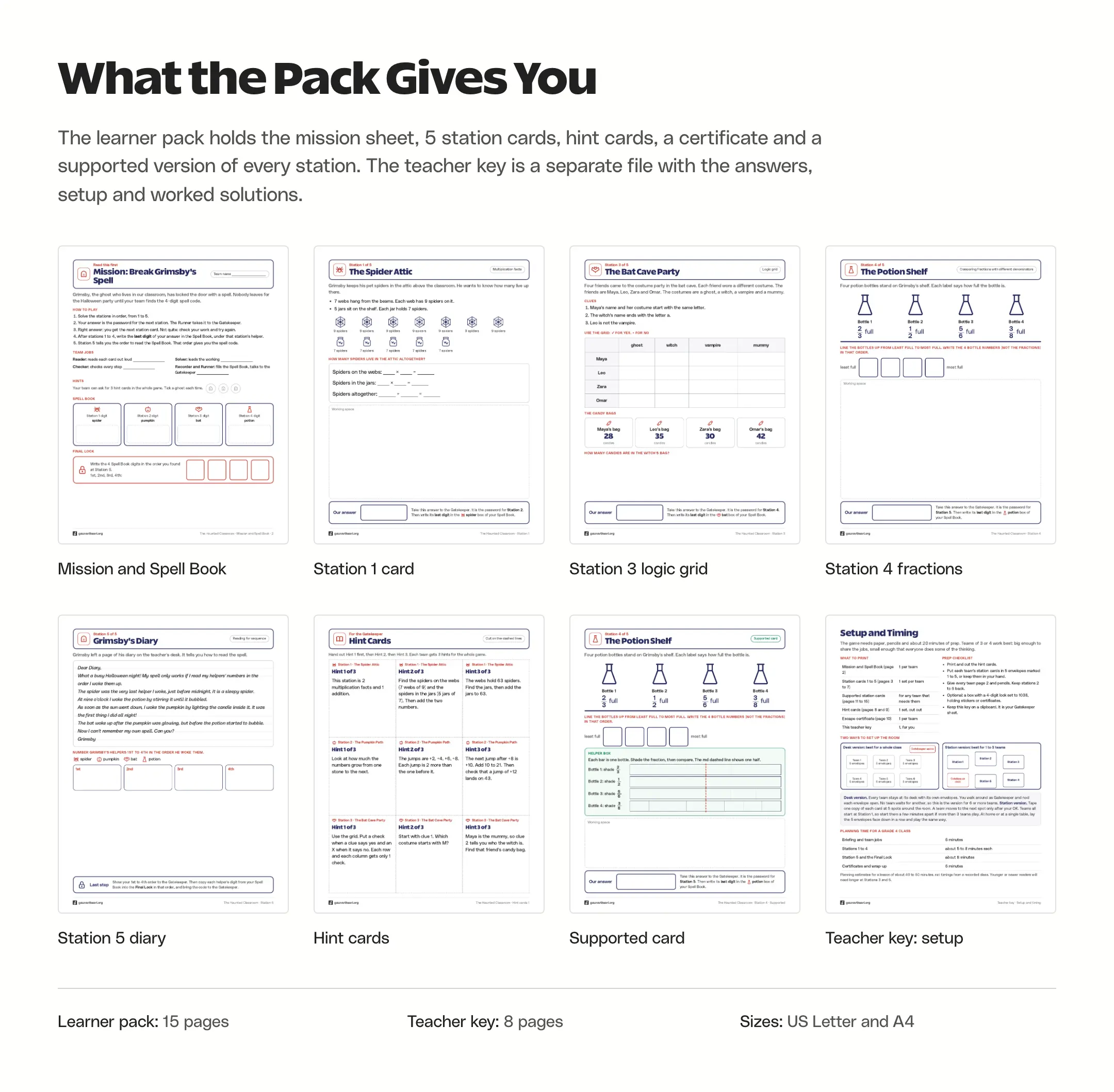
The learner pack holds everything a team touches:
- Mission and Spell Book: the story, the rules, team jobs, 3 hint tokens and the boxes where the code gets built. One per team.
- Station cards 1 to 5: one puzzle per page with its own working space and an answer box. One set per team.
- Hint cards: 3 graduated hints for every station, 15 cards in all, cut out and kept by you.
- Escape certificate: one per team, for the moment the code works.
- Supported station cards: a second version of all 5 stations with a helper box. Same puzzles, same answers.
Four of the 5 stations are math, so this works as a Halloween math escape room too, with one reading station to stop the math kids from carrying the whole team.
The standard cards sit at a grade 4 level, with multiplication facts up to 9 × 9, a growing number pattern, a 4-by-4 logic grid, fractions with different denominators and a short reading passage. Confident grade 3 readers can handle most of it. Station 4 is the one most likely to need the supported card in grade 3, because comparing fractions with unlike denominators is usually a grade 4 skill, and grade 5 teams should move through the whole chain quickly.
How the Halloween Escape Room Works
Before getting to setup, I want to make sure the basic idea is clear, because the whole game depends on it. Grimsby, a ghost who lives in the classroom, has locked the door with a spell. Teams break it by solving 5 stations in order and finding a 4-digit spell code.
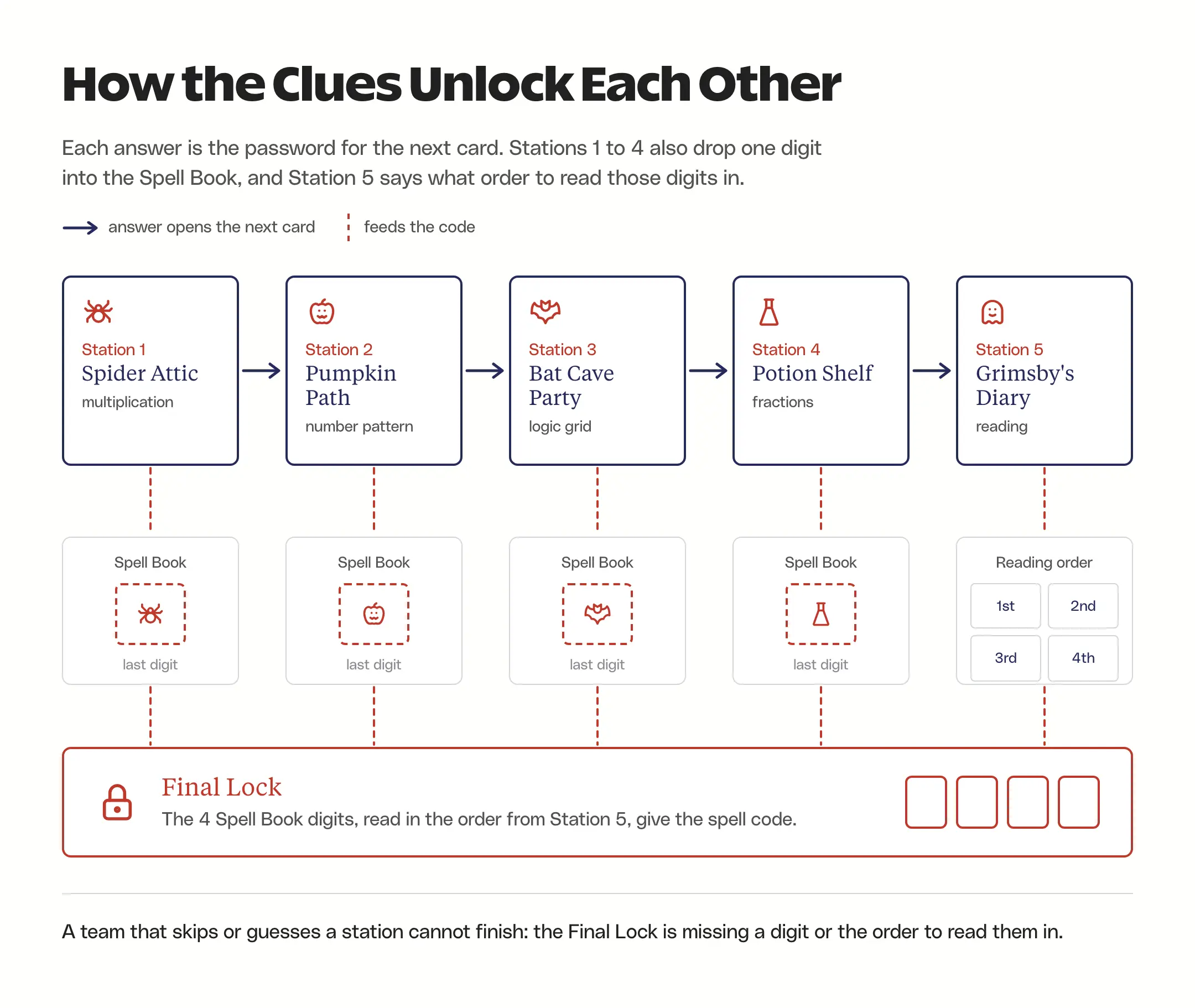
Three rules connect the stations, and the game cannot split around them:
- Every answer is a password. A team brings its answer to you, the Gatekeeper, and gets the next card only if it’s right. No card shows the answer that opens it.
- Stations 1 to 4 each feed one digit. The last digit of each answer goes in the Spell Book, under that station’s helper: spider, pumpkin, bat and potion.
- Station 5 sets the order. Grimsby’s diary says which helper he woke first, second, third and last. Reading the Spell Book in that order gives the code.
The 4 Spell Book digits are all different, so a team that reads the diary wrong always ends up with a wrong code. This matters because a code with a repeated digit can open with two helpers swapped, and then the most important reading step in the game gets marked right by accident.
This is also why no lock is needed. You check passwords and the final code yourself. If you do want the drama of a padlock, a resettable 4-digit lock such as the Master Lock 1523D on a metal lock box with a hasp full of stickers works, and the teacher key has the code to set. A 3-digit lock won’t fit this code.
Set Up the Classroom Game
Prep for this Halloween classroom escape room is mostly printing and cutting. Teams of 3 or 4 work best, big enough to share the jobs and small enough that everyone does some of the thinking.
- Print one mission sheet and one set of station cards per team. Print the supported cards for any team that may need them. To reuse the pages with another class, slide them into sheet protectors and hand out fine-tip dry-erase markers.
- Print the hint cards once and cut them out. Keep them in station order.
- Put each team’s 5 station cards in envelopes marked 1 to 5, or just keep the stack in your hand.
- Hand every team its mission sheet and pencils. Keep stations 2 to 5 back.
- Read the mission sheet aloud, let teams pick their jobs, then hand out Station 1.
There are broadly two ways to run a classroom, plus a table-top version for home. All three use the same cards in the same order.
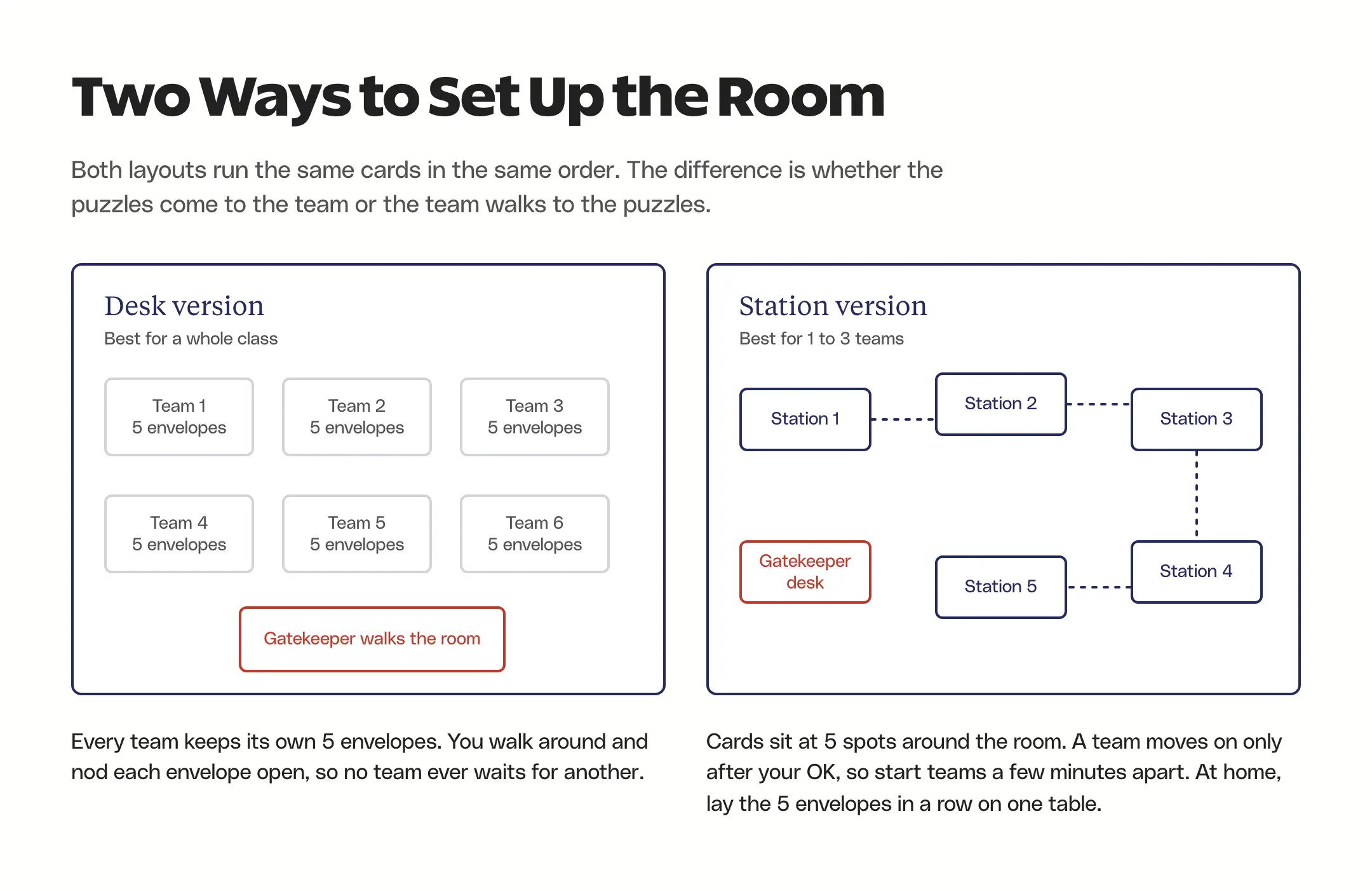
The desk version keeps every team at its own desk with its own 5 envelopes. You walk the room and nod each envelope open. No team ever waits for another, so this is the version for a full class of 6 or more teams.
The station version puts one copy of each card at 5 spots around the room. A team walks to the next spot only after your OK. It feels more like a real escape room, but every team starts at Station 1, so start teams a few minutes apart if more than 3 are playing.
At home or with a small group, the table-top version is the same game on one table. Lay the 5 envelopes face down in a row, and the parent or tutor plays Gatekeeper. Nothing about the puzzles changes.
I’d use the desk version for any full classroom. The station version is more fun to watch, but a queue at Station 1 eats the first 10 minutes. Six teams queuing at one wall card makes for a long Halloween.
Inside each team, the jobs on the mission sheet keep one confident kid from doing everything:
- Reader: reads each card out loud before anyone writes.
- Solver: leads the working on paper.
- Checker: checks every step before the answer goes to the Gatekeeper.
- Recorder and Runner: fills the Spell Book and is the only one who brings answers to you.
Plan on about 40 to 50 minutes for a grade 4 class. That’s a planning estimate built from the size of each puzzle, not a timing from a recorded class, so leave room either side:
| Part | Planning time |
|---|---|
| Briefing and team jobs | 5 minutes |
| Stations 1 to 4 | about 5 to 8 minutes each |
| Station 5 and the Final Lock | about 8 minutes |
| Certificates and wrap-up | 5 minutes |
Escape Room Supplies
The printed pack only needs paper and pencils. The four extras below are optional, and each one matches something the game already does: one 4-digit lock for the final code, one box for it to guard and a way to reuse the pages with your next class.
You won’t need a 3-digit lock, a word lock, a multi-lock hasp or UV pens, because no station uses them.
Master Lock 1523D
It’s a 4-digit lock that lets you set your own combination, which is what this game needs: the spell code is 4 digits and you choose the lock code before class.

It’s made for school and gym lockers, so it’s built for heavy everyday handling. Set and test the code before the lesson, and keep the reset instructions with the teacher key.
STALWART 12-Inch Metal Lock Box
It’s a plain metal box with a hasp on the front that takes a padlock. The lock isn’t included, so pair it with the Master Lock above.

It’s big enough for a stack of certificates or a bag of stickers, which is all the Final Lock has to guard.
Amazon Basics Sheet Protectors
Slide each learner page into a protector and teams can write on it with dry-erase markers, then wipe it clean for the next class. A 100-pack covers the mission sheet and 5 station cards for 6 teams with plenty to spare.
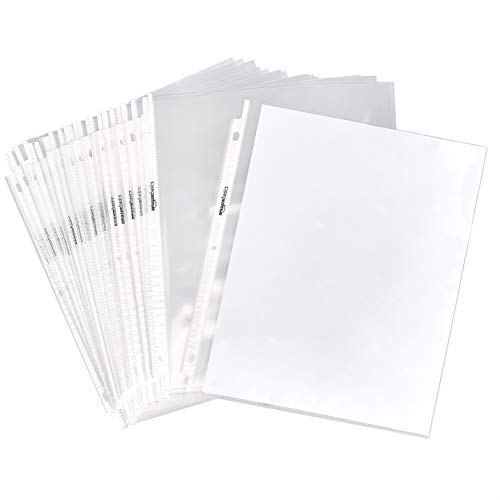
These are sized for US Letter. A4 pages fit but stick out a little at the top.
EXPO Fine Tip Dry Erase Markers
Fine tips matter on these pages, because the logic grid cells and fraction bars are small and a chisel-tip marker fills a whole cell.
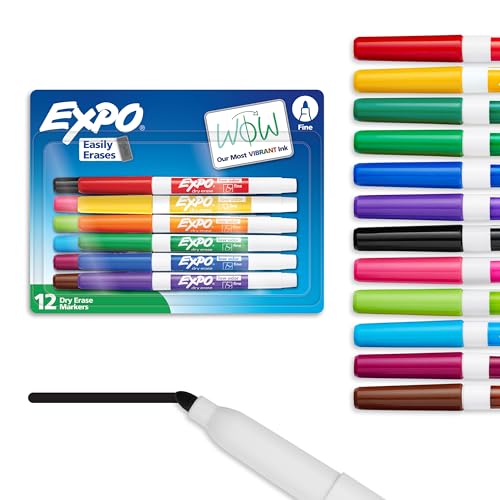
The 12-color set also lets each team write in one color, so you can tell whose working is whose.
The Halloween Puzzle Stations
Each station practices one skill and hands over one output. Here’s what each one asks and where kids tend to slip. The answers sit further down under a fold, in case you’re projecting this page.
Station 1: The Spider Attic
Multiplication facts, then adding the products.
Grimsby’s attic has spider webs and spider jars. Teams multiply webs by spiders per web and jars by spiders per jar, then add the two products. The card gives a fill-in frame for both facts and the sum.
The usual slip is stopping after the webs. A team that brings you half the answer has done the multiplication right and missed a sentence, so the fix is to reread the card.
Output: a 2-digit number that opens Station 2, plus the spider digit.
Station 2: The Pumpkin Path
Growing number patterns.
Seven stepping stones run 1, 3, 7, 13, 21, then a dark stone, then 43. Teams find the dark stone. The jumps between stones grow by the same amount each time, and the card asks teams to check that one more jump lands exactly on 43.
That check line matters. Kids who guess a rule from the first 3 stones (doubling, or adding the same number) find their rule breaks before it reaches 43, which is the point.
Output: the dark stone’s number, which opens Station 3, plus the pumpkin digit.
Station 3: The Bat Cave Party
Logic grid and careful reading of clues.
Four friends, Maya, Leo, Zara and Omar, wear 4 different costumes. Three clues fix who wore what, and then teams read the witch’s candy bag. The 4-by-4 grid takes a check for yes and a cross for no.
All 3 clues are needed. Clue 2 says the witch’s name ends with the letter a, which fits two friends until clue 1 rules one out. A team that skips the grid and guesses has a fair chance of naming the wrong friend.
Output: the witch’s candy count, which opens Station 4, plus the bat digit.
Station 4: The Potion Shelf
Comparing fractions with different denominators.
Four potion bottles are 2/3, 1/2, 5/6 and 3/8 full. Teams line them up from least full to most full and write the 4 bottle numbers in that order.
Comparing each bottle with one half sorts most of it, and the last pair needs equivalent fractions (sixths). Two mistakes come up: writing the fractions instead of the bottle numbers, and ordering from most to least.
Output: a 4-digit bottle order, which opens Station 5, plus the potion digit.
Station 5: Grimsby’s Diary
Reading for sequence and time words.
Grimsby’s diary is a short passage about waking his 4 helpers on Halloween night. The sentences don’t run in time order, so teams have to use time words like first, last, before, after and nine o’clock to number the helpers 1st to 4th.
Copying the order the helpers appear in the diary is the most likely wrong answer. It produces a code, just not the right one.
Output: the reading order for the Spell Book, which turns the 4 digits into the spell code.
If multiplication facts are shaky in your class, a warm-up from these Halloween math worksheets the day before helps. The grade 3 to 5 sheets cover the same multiplication and fraction skills as Stations 1 and 4. Kids who still count on fingers for 7 × 9 will spend Station 1 counting, and it’s worth knowing why memorizing the multiplication tables pays off before the game rather than during it.
Hint Cards
Every station has 3 hint cards, and they get more specific as they go. Hint 1 names the task, Hint 2 shows the method and Hint 3 walks the team to the last step without saying the answer. Each team gets 3 hints for the whole game, and the mission sheet has 3 ghosts to tick, so a team that burns all 3 on Station 1 has to think harder later.
Here are the 3 hints for Station 4, so you can see the steps:
- Hint 1: You are putting 4 fractions in order from smallest to biggest.
- Hint 2: Compare each bottle with one half. Which are less than half full, which is exactly half and which are more? 1/2 is the same as 4/8 and 3/6.
- Hint 3: 3/8 is less than 4/8, so bottle 4 comes first. 2/3 is the same as 4/6, so it is less than 5/6.
When a team stalls, the order of moves matters more than the hint itself:
- Ask the Reader to read the question out loud. Kids this age often get stuck on the wording, and hearing it aloud fixes that.
- Ask the Solver to explain the last step they’re sure of. Explaining often finds the error.
- After about 4 minutes with no progress, offer Hint 1. Hand out Hint 2 and Hint 3 only in order.
- Still stuck, or out of hints? Swap in the supported card for that station. It has the same answer, so the chain keeps working.
A wrong password gets one line from you: “The door is stuck. Check your work.” Don’t say which step is wrong. The teacher key lists the wrong answers you’re likely to hear and what each one means, so you can pick the right question to ask.
Solutions and Final Code
Every station has exactly one answer from the information on its card, and the final code only works in one order. Open the fold for the full working, or use the teacher key, which has the same solutions plus a completed Spell Book.
Show the full solutions and the final code
Station 1: The Spider Attic, answer 98.
- Webs: 7 × 9 = 63 spiders.
- Jars: 5 × 7 = 35 spiders.
- Altogether: 63 + 35 = 98. Spell Book: spider gets 8.
Station 2: The Pumpkin Path, answer 31.
- The jumps are +2, +4, +6 and +8, each 2 more than the last.
- The next jump is +10, so 21 + 10 = 31.
- Check: the jump after that is +12, and 31 + 12 = 43. Spell Book: pumpkin gets 1.
Station 3: The Bat Cave Party, answer 30.
- Clue 1: Maya and mummy both start with M, so Maya is the mummy.
- Clue 2: the witch’s name ends in a. That’s Maya or Zara, and Maya is taken, so Zara is the witch.
- Clue 3: Leo isn’t the vampire, so Leo is the ghost and Omar is the vampire.
- Zara’s bag holds 30 candies. Spell Book: bat gets 0.
Station 4: The Potion Shelf, answer 4213.
- Bottle 4 is 3/8 full, less than half (4/8).
- Bottle 2 is exactly half full.
- Bottle 1 is 2/3, which is 4/6, and bottle 3 is 5/6. Both are more than half, and 4/6 is less than 5/6.
- In 24ths the order is 9/24, 12/24, 16/24, 20/24, so the bottles go 4, 2, 1, 3. Spell Book: potion gets 3.
Station 5: Grimsby’s Diary, order pumpkin, bat, potion, spider.
- The pumpkin was “the first thing I did all night.”
- The bat woke after the pumpkin and before the potion.
- The potion was woken at nine o’clock.
- The spider was “the very last helper I woke, just before midnight.”
Final code: 1038. The Spell Book reads spider 8, pumpkin 1, bat 0 and potion 3. In Grimsby’s order, that’s pumpkin 1, bat 0, potion 3, spider 8.
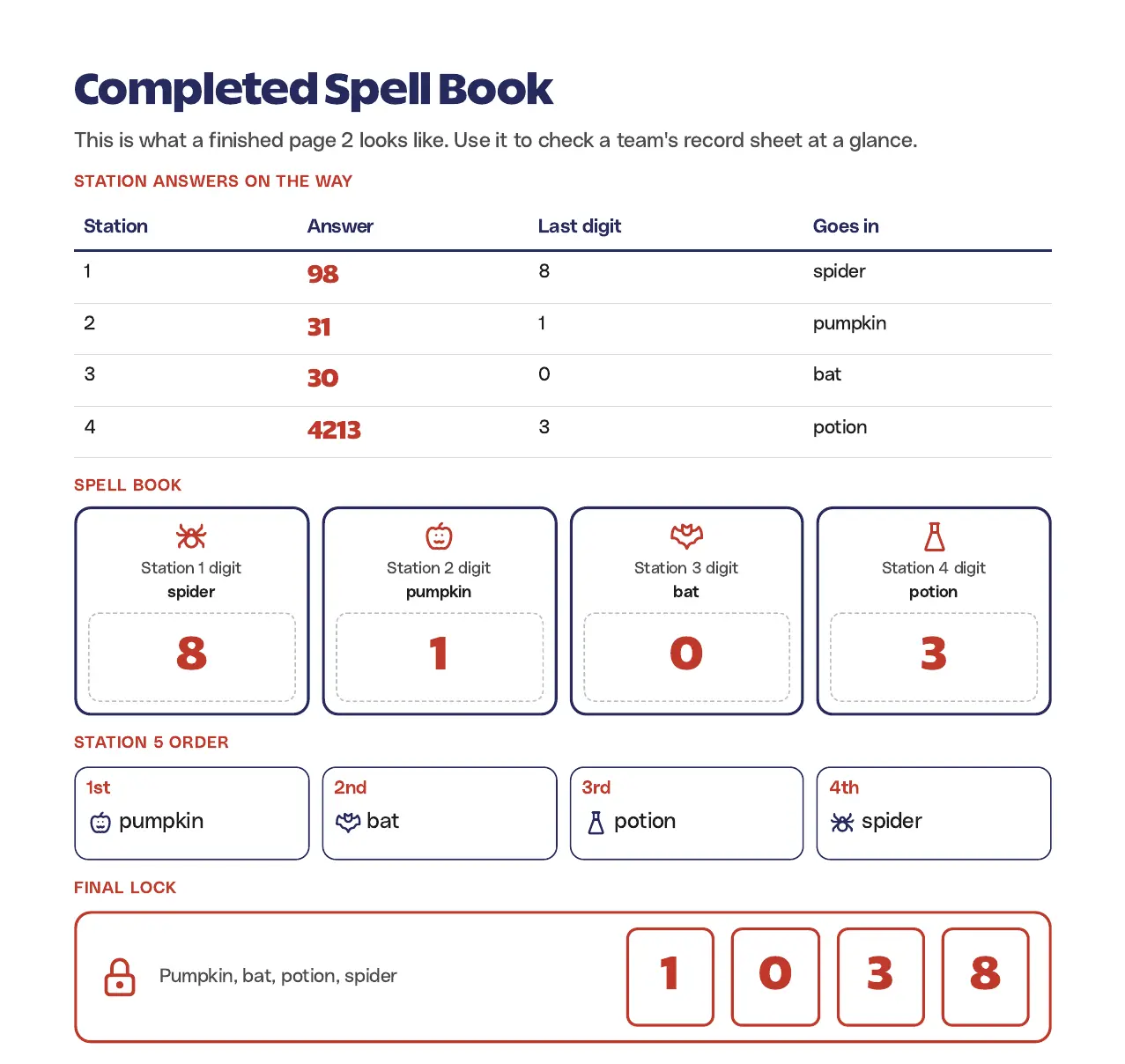
The most common final mistake is writing the digits in station order, which gives 8103. Send that team back to the diary.
Adjust the Difficulty
The supported cards add help on the page and leave the puzzle itself alone. Every supported card has the same answer as its standard card, so one teacher key covers both, and a mixed class can play the same game at the same time.
| Station | Supported card adds | For a stronger team |
|---|---|---|
| 1 | Skip-counting rows for 9s and 7s | Cover the web and jar pictures, so the numbers come only from the sentences |
| 2 | The first 4 jumps written in | Cover the check line, so teams test their own rule |
| 3 | Clue 1 already marked on the grid, plus a word bank | Ask teams to write why each clue was needed |
| 4 | Fraction bars to shade, with the half line marked | Ask teams to prove each comparison with equivalent fractions |
| 5 | A word bank of time words and a sunset-to-midnight timeline | Ask teams to write the sentence that proves each place |
Mixing versions is fine. A team can take the standard card for Station 1 and the supported card for Station 3, and you decide when you hand over each envelope.
What doesn’t work is dropping a station for a struggling group. Each station feeds a digit the Final Lock needs, and Station 5 gives the order, so a skipped station leaves the code unsolvable. Swapping in the supported card keeps the chain whole.
For teams that escape early, the teacher key suggests writing a new clue for the Bat Cave Party that still leaves one answer, then trading it with another fast team. If you’d rather hand them something ready-made, this collection of math puzzles with solutions has plenty at the right level.
FAQs on the Halloween Classroom Escape Room
Does this Halloween escape room need a physical lock?
No. You check every password and the final code yourself as the Gatekeeper. If you want a lock for effect, use a 4-digit combination lock set to the code in the teacher key. A 3-digit lock won’t work.
What grades is the escape room for?
Grades 3 to 5, with the standard cards pitched at grade 4. Grade 3 classes usually need the supported card for Station 4, which compares fractions with different denominators.
How long does the escape room take?
Plan for about 40 to 50 minutes with a grade 4 class, including the briefing and certificates. That’s a planning estimate, not a timed run, so younger readers may need longer at Stations 3 and 5.
How many students can play at once?
Any number, in teams of 3 or 4. With 6 or more teams, use the desk version so every team has its own envelopes and nobody queues for a station.
Can a child play it alone at home?
Yes, with an adult as Gatekeeper. A single child can work through the 5 envelopes at a table, and the supported cards help when a station feels too hard. It’s more fun with 2 or 3 kids, because the jobs give everyone a part.
Download the learner pack and the teacher key (both also come in A4 in the download box above), read the setup checklist once, then introduce Grimsby. And if your class wants more Halloween after the escape, these Halloween science experiments make a good next lesson.
Tell Google you want more of this.
Add Gaurav Tiwari as a preferred sourceOne tap, and this site shows up more often in your own Top Stories, AI Overviews and AI Mode. Remove it any time.
Disclaimer: This site is reader-supported. If you buy through some links, I may earn a small commission at no extra cost to you. I only recommend tools I trust and would use myself. Your support helps keep gauravtiwari.org free and focused on real-world advice. Thanks. - Gaurav Tiwari