
 by
by
Lost Town. That’s what I used to call Kushinagar, my hometown and now a popular Buddhist pilgrimage site.
But why?
Nobody cared about this place for decades, which is strange when you consider it’s one of the most sacred sites in Buddhism. This guide is everything I’d tell a friend visiting for the first time: what this town actually is, what to see, how to reach it, and the local details most travel blogs get wrong.
Why Kushinagar Matters
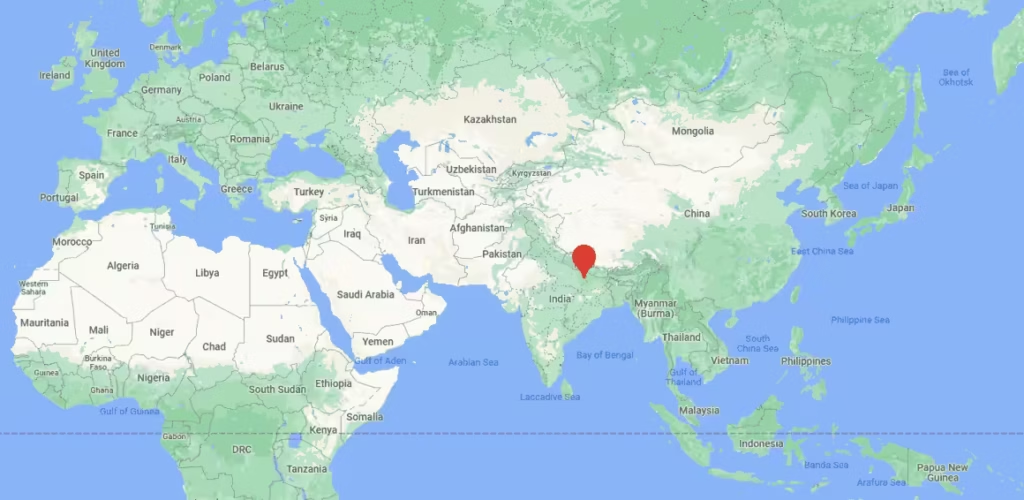
Buddhism has 4 principal pilgrimage sites: Lumbini, where Buddha was born; Bodh Gaya, where he attained enlightenment; Sarnath, where he first taught; and Kushinagar, where he passed away. Buddhist tradition understands that final passing as Mahaparinirvana, the release from the cycle of rebirth, which is why monks and pilgrims from Sri Lanka, Myanmar, Thailand, Vietnam, Japan and beyond walk this small Uttar Pradesh town every winter.
The Mahaparinirvana Temple and the archaeological remains around it mark the site traditionally identified with that event. For a visitor, that means Kushinagar packs a 5th-century reclining Buddha, ancient stupas, excavated monasteries and a street of international temples into an area you can cover on foot in a day.
History of Kushinagar
The name shows up in ancient texts as Kusinara or Kushinara. The town sat between 2 small river streams called Kusi and Nara, likely tributaries of the Gandak river that still flows through here before meeting the Ganga. One of them is now called Hiranyavati. The other has basically disappeared.
Traditions differ on the name, and it’s worth keeping them apart from the archaeology. Local and literary tradition says this was the capital of King Kusha, son of Lord Rama, hence Kushinara. A humbler theory points at the kush grass that grows everywhere in this region. You’ll see it if you visit.
What the texts and archaeology agree on: during Gautam Buddha’s time, Kushinara was one of the principal centers of the Malla mahajanapada, one of the 16 mahajanapadas of the 6th century BCE. The Mallas are commonly described as running a gana-sangha, an oligarchic republican assembly, rather than a hereditary monarchy. Gautam Buddha delivered his final teachings and attained Mahaparinirvana here, and the modern town grew around the sacred complex traditionally identified with that event.
Vardhaman Mahavira, Jainism’s 24th and final Tirthankara of the current cycle, is also associated with this region. Jain tradition places his own final liberation at Pava, and the identification of that Pava is genuinely disputed: some scholars point to Pawapuri in Bihar, while a local tradition claims Fazilnagar, about 23 kilometers from Kushinagar. I won’t settle in one sentence what a century of scholarship hasn’t.
The Malla republic didn’t last. The Magadha kingdom absorbed it, and under Ashoka the site gained stupas and imperial attention. The old story that everything faded right after the Mauryas is too simple: district records associate the site with the Shunga, Kushana, Gupta, Harsha and Pala periods, and the excavated monasteries span centuries. The real decline came later, roughly from the 12th and 13th centuries, when invasions and neglect buried the complex under mounds.
Kushinagar was part of Awadh during the Mughal period and after, and the region saw hard centuries of heavy taxation, famines and floods under later rulers and the British. I won’t pretend there’s much to celebrate in that stretch. It explains something you can still feel here: the fierce local attachment to Mahatma Gandhi from his Awadh visits. In some villages, Gandhi is still worshipped.
I have to be honest about something uncomfortable too. Casteism runs deep in this part of Uttar Pradesh, and lower-caste people are still treated poorly. Things have improved in the last 10-15 years, but the dark patches remain.
How the Lost Town Was Found Again
The modern rediscovery is a better story than most guides bother to tell:
- Alexander Cunningham’s 19th-century surveys identified the mounds near Kasia with the Kusinara of Buddhist texts.
- A. C. L. Carlleyle’s excavations exposed the main stupa and, in 1876, the great reclining Buddha statue.
- J. Ph. Vogel continued excavations in the early 20th century, uncovering the monastic complexes.
- In 1903, the Burmese monk Chandramani made the Mahaparinirvana shrine a living place of worship again. His name is still on the town: the Chandramani Free School, from 1942, runs to this day.
So the “lost town” wasn’t a metaphor. It was literal mounds, and people dug it back.
Places to Visit in Kushinagar
Mahaparinirvana Temple and Nirvana Stupa
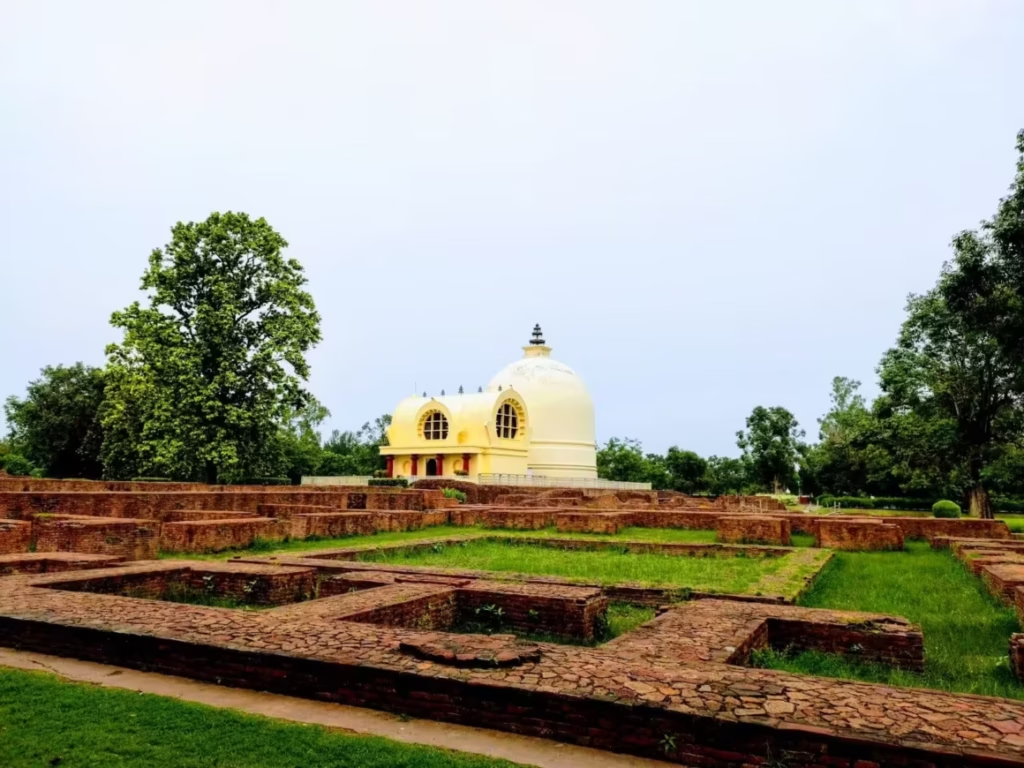
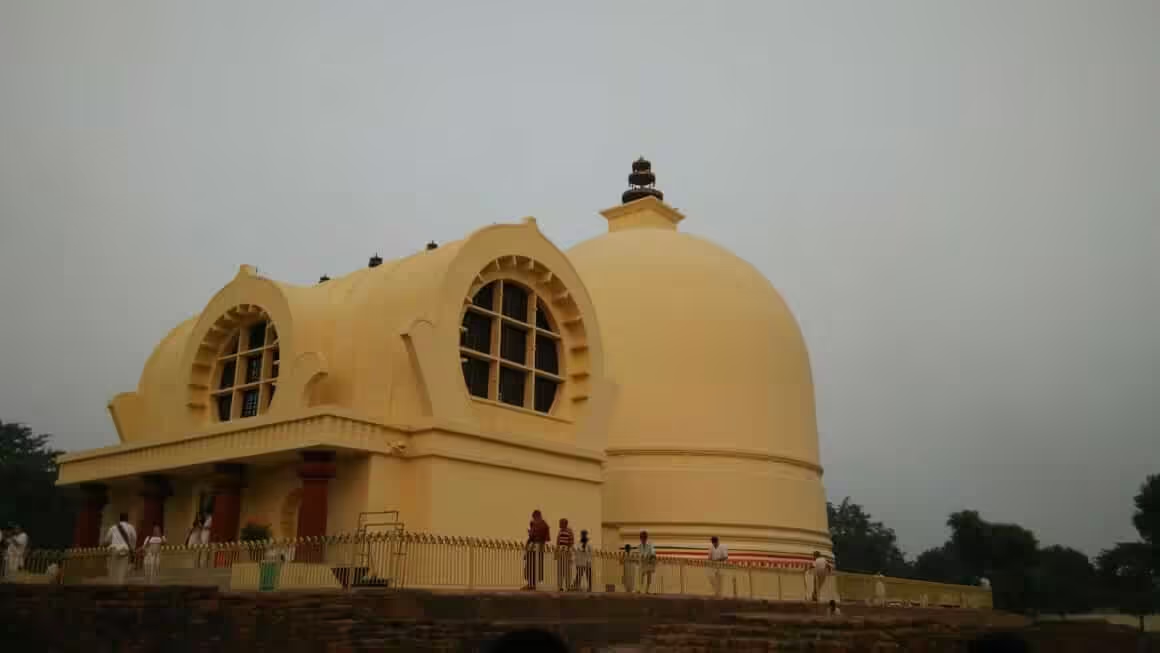
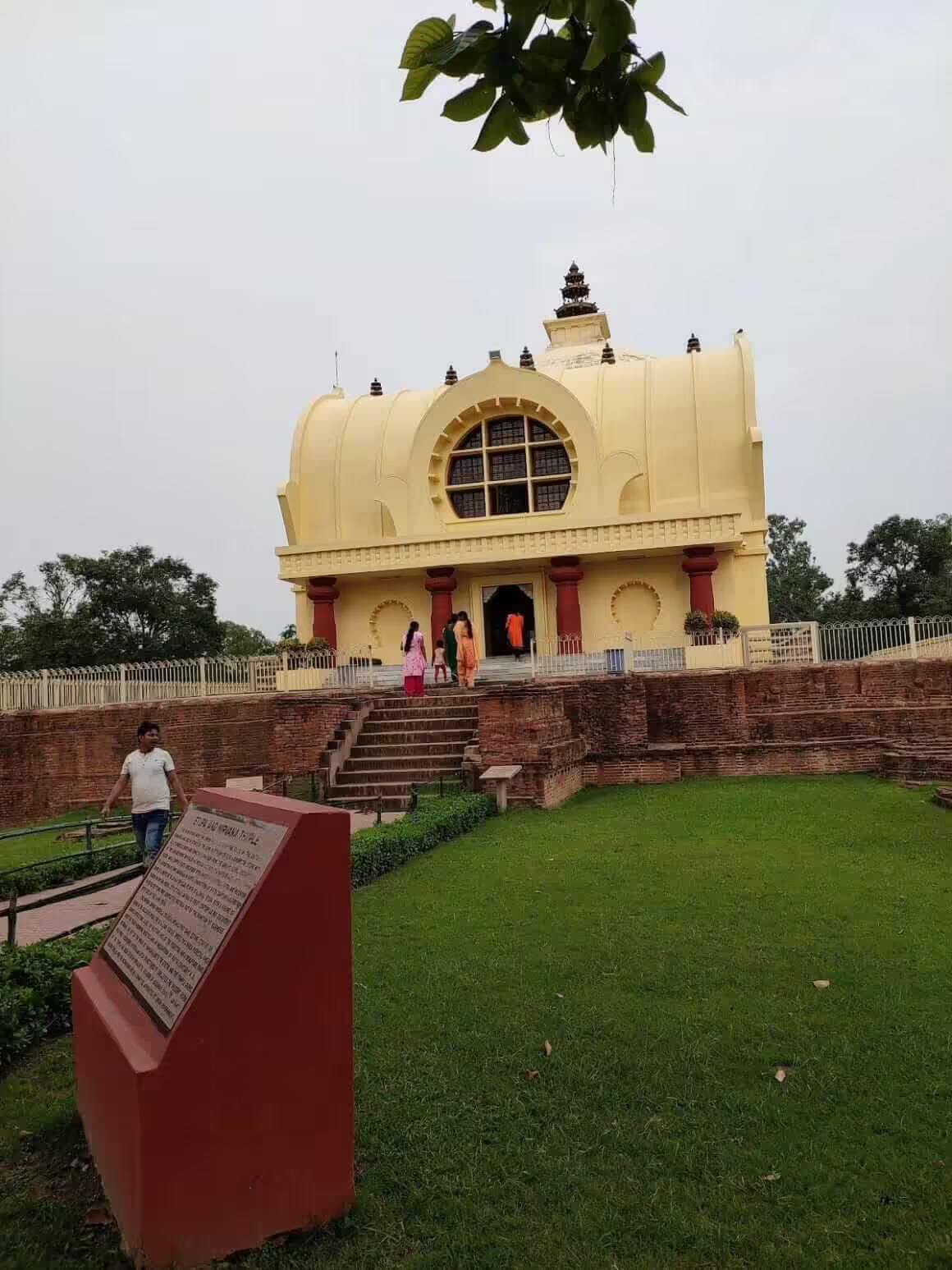
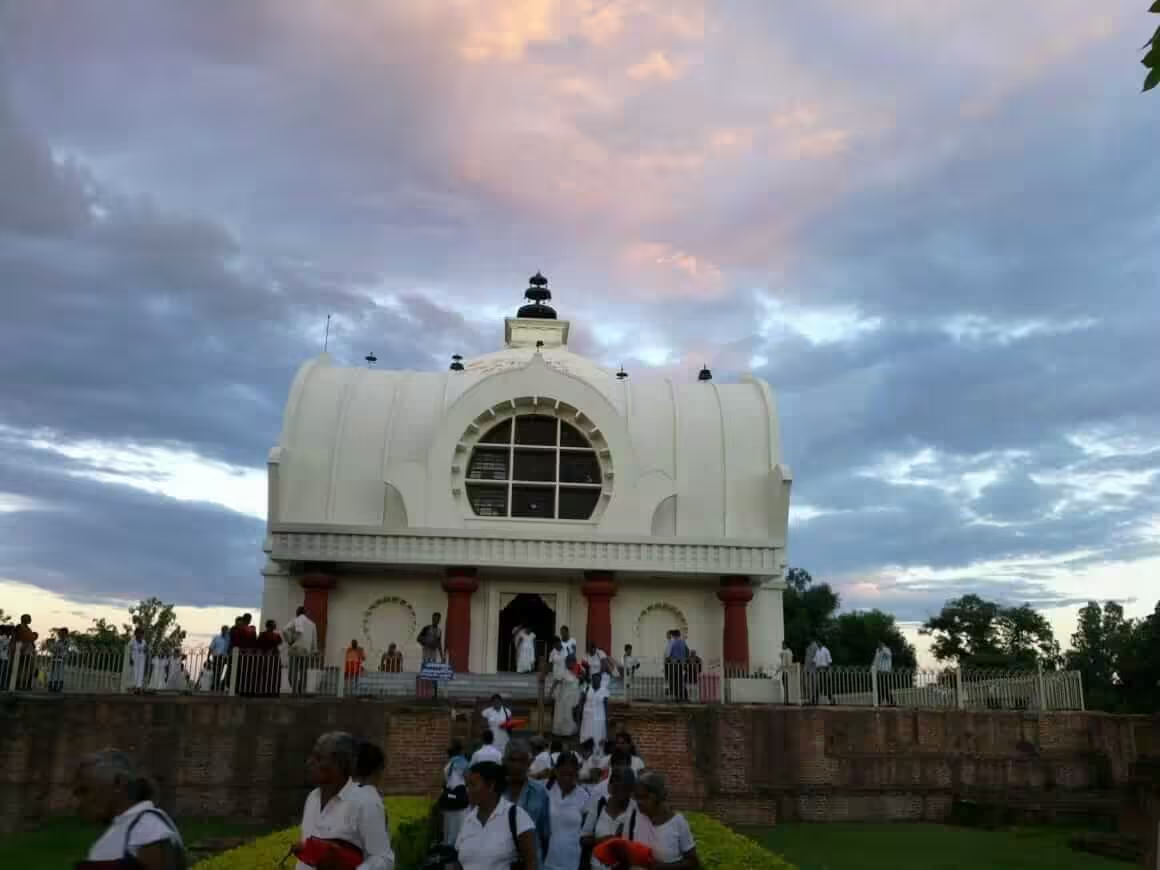
The heart of Kushinagar. Inside the temple lies the 6.10-meter reclining Buddha, generally dated to the 5th century CE, carved in the posture of the final passing. Sri Lankan and Southeast Asian pilgrim groups drape it in robes through the day, and watching that ritual is worth more than any photograph of it. The Nirvana Stupa rises directly behind the temple, and the excavated monastery foundations spread around both.
Go twice if you can: once in daylight for the archaeology, once near sunset when the pilgrim groups arrive and the white building holds the last light.
Ramabhar Stupa
About 1.5 kilometers from the main temple stands the large brick mound marking the traditional cremation site, known in the texts as Mukutbandhan-chaitya. It’s quieter than the main complex, ringed by grass and trees, and the scale of the drum reads better in person than any photo suggests.
Matha Kuar Shrine
Between the main temple and Ramabhar, this small shrine holds a large seated Buddha in the earth-touching gesture, carved from blue stone. It sits beside the excavated remains of a monastery and takes 10 minutes, which is exactly why people skip it and shouldn’t.
The International Temples
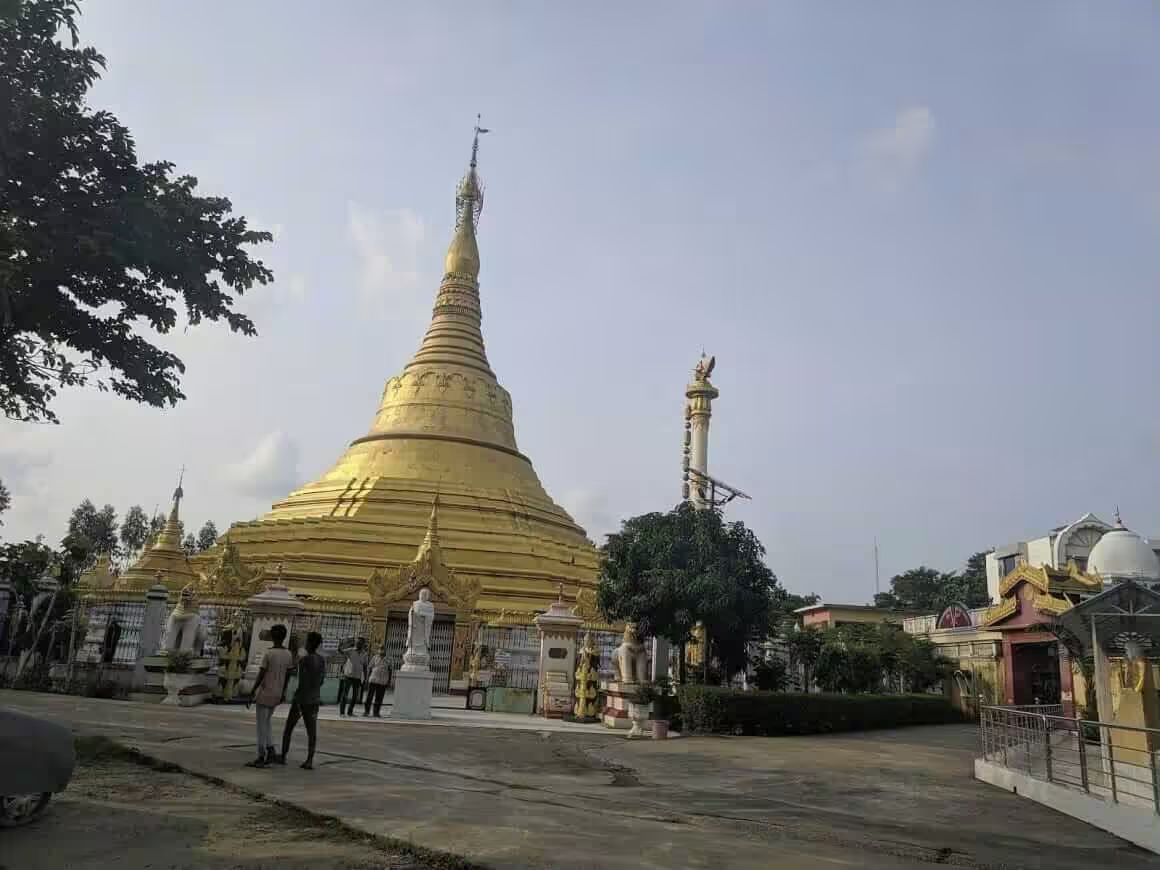
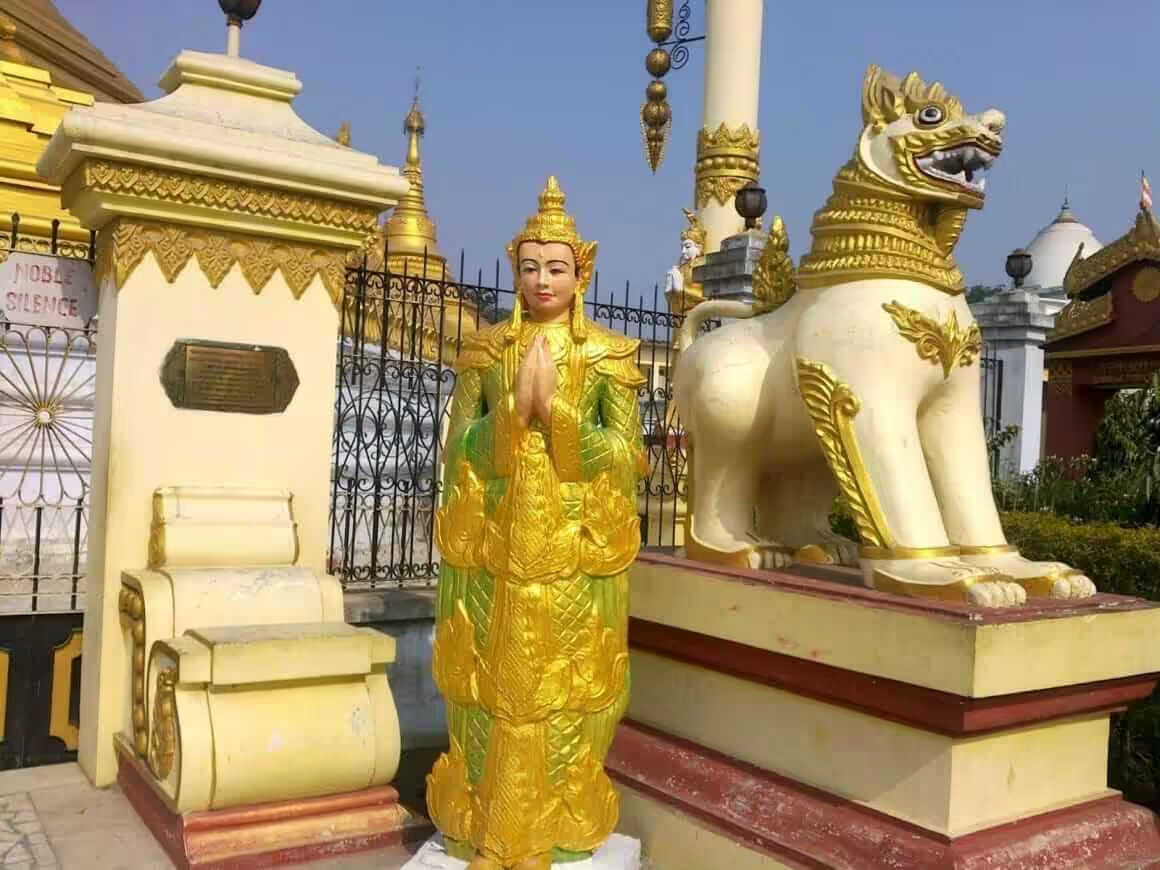
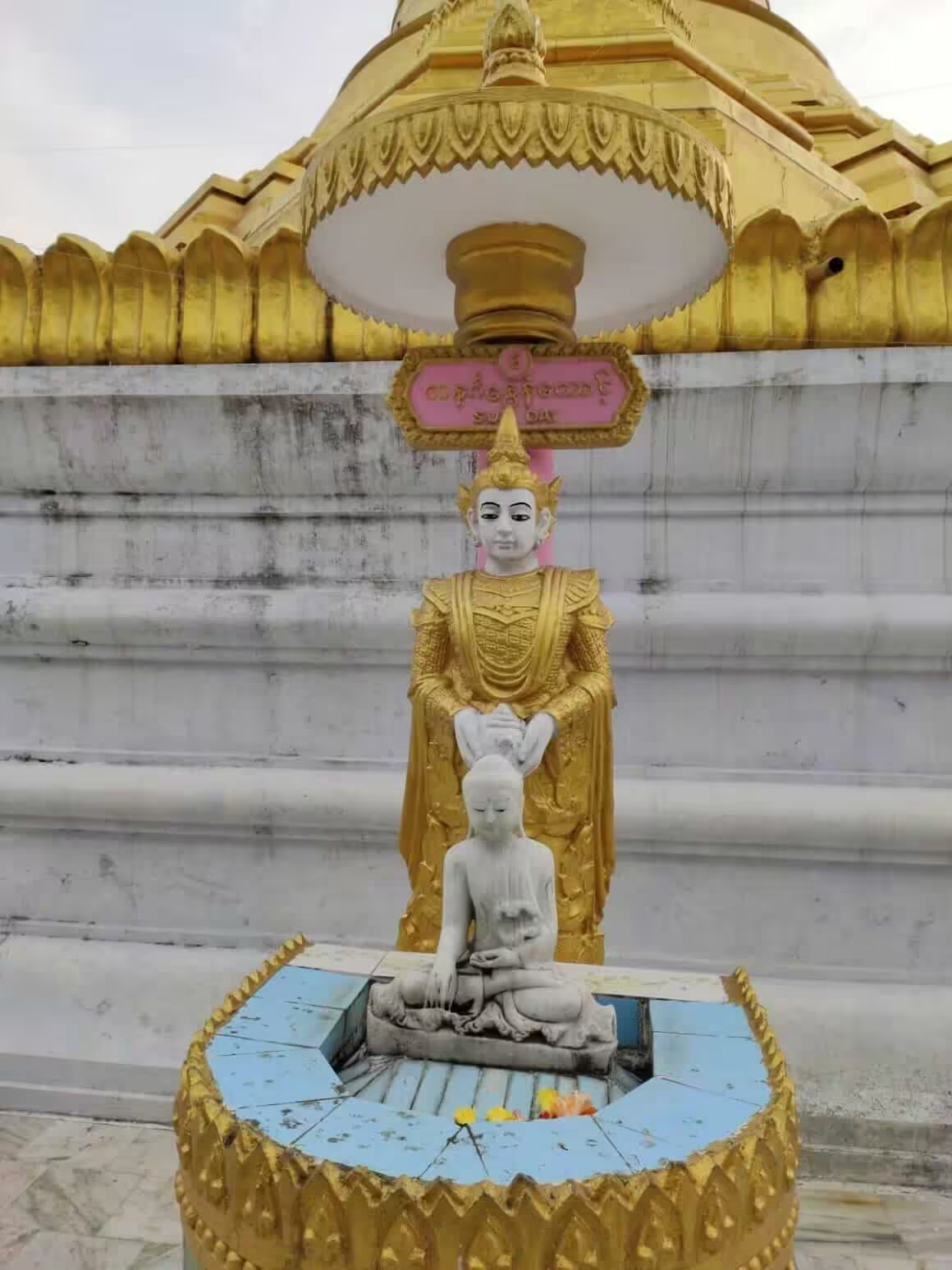
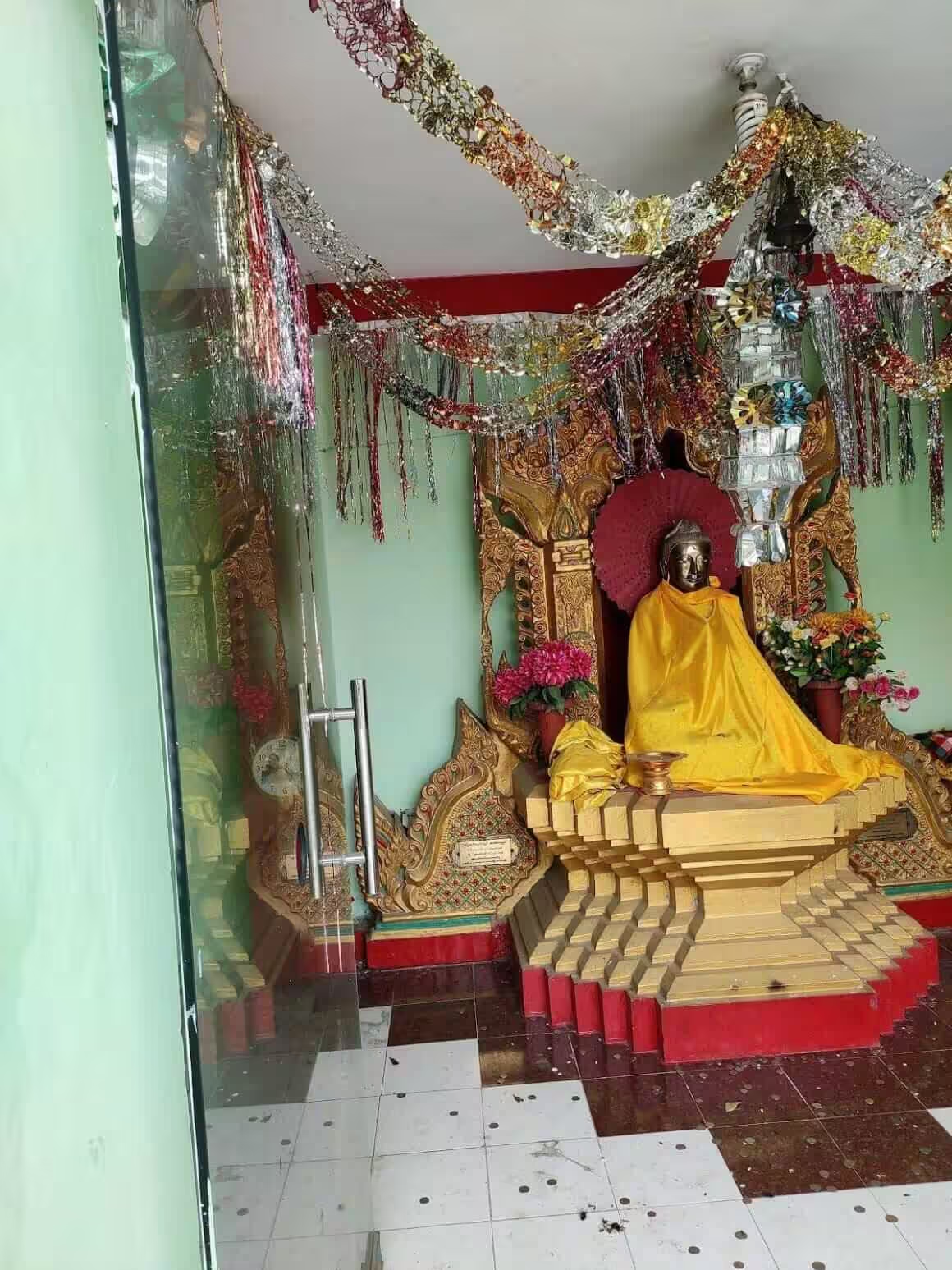
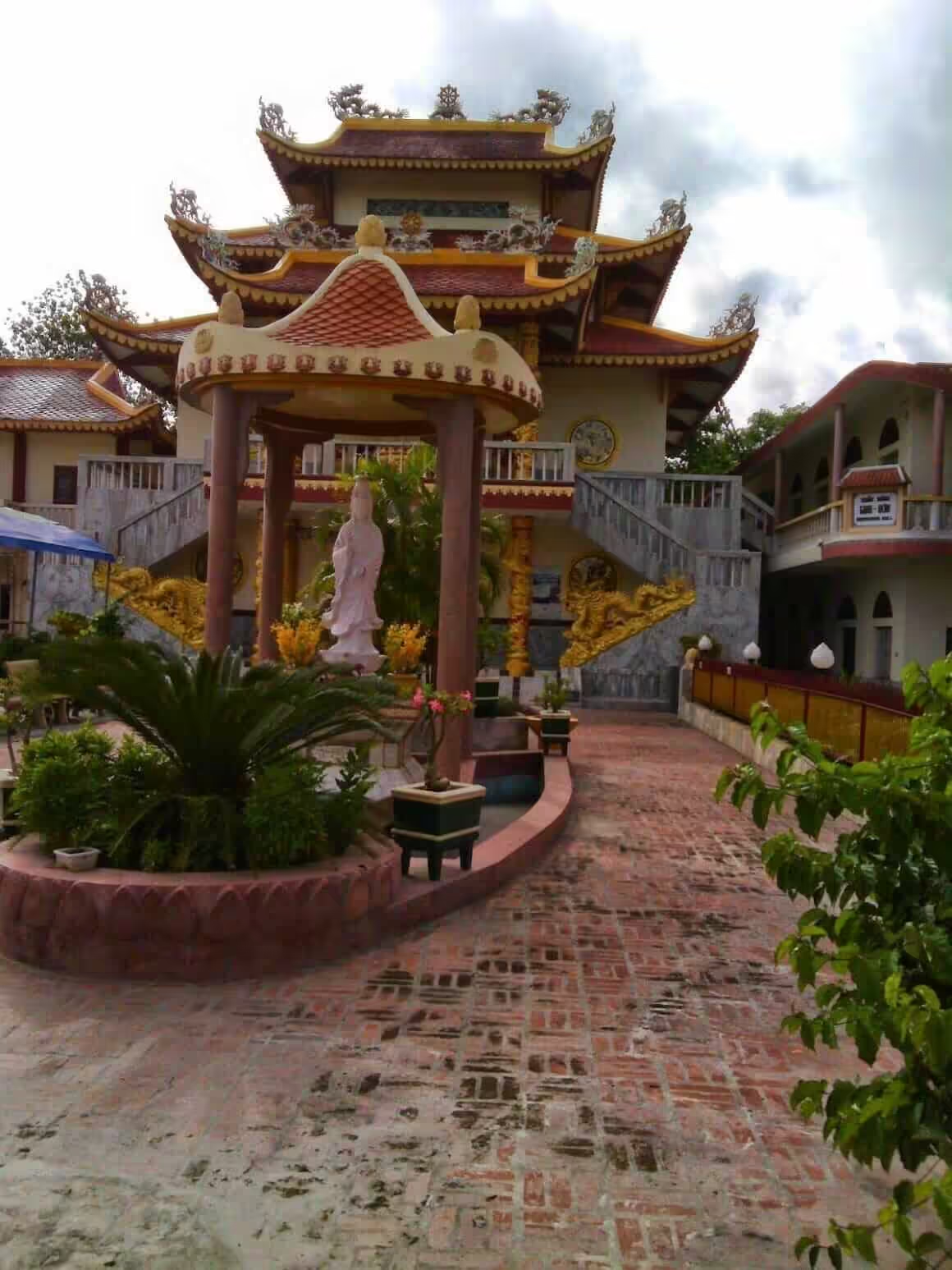
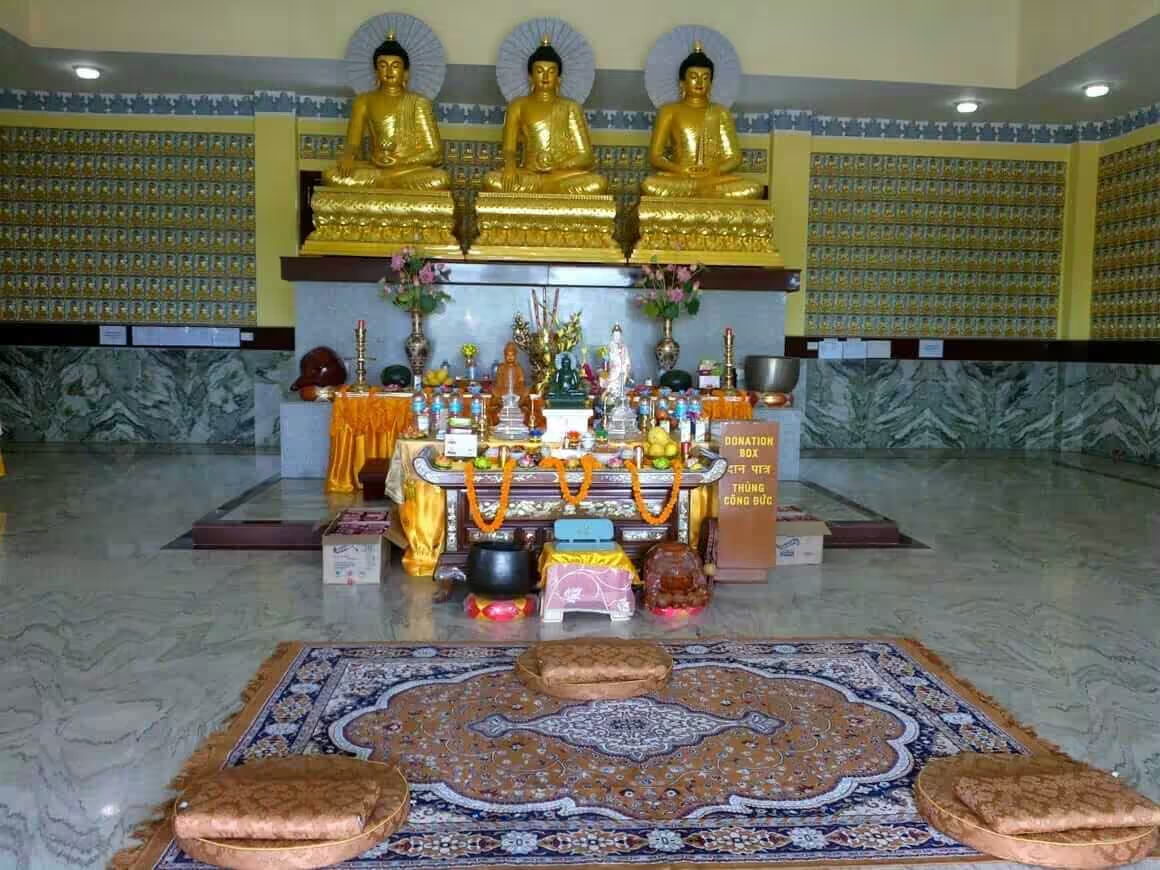
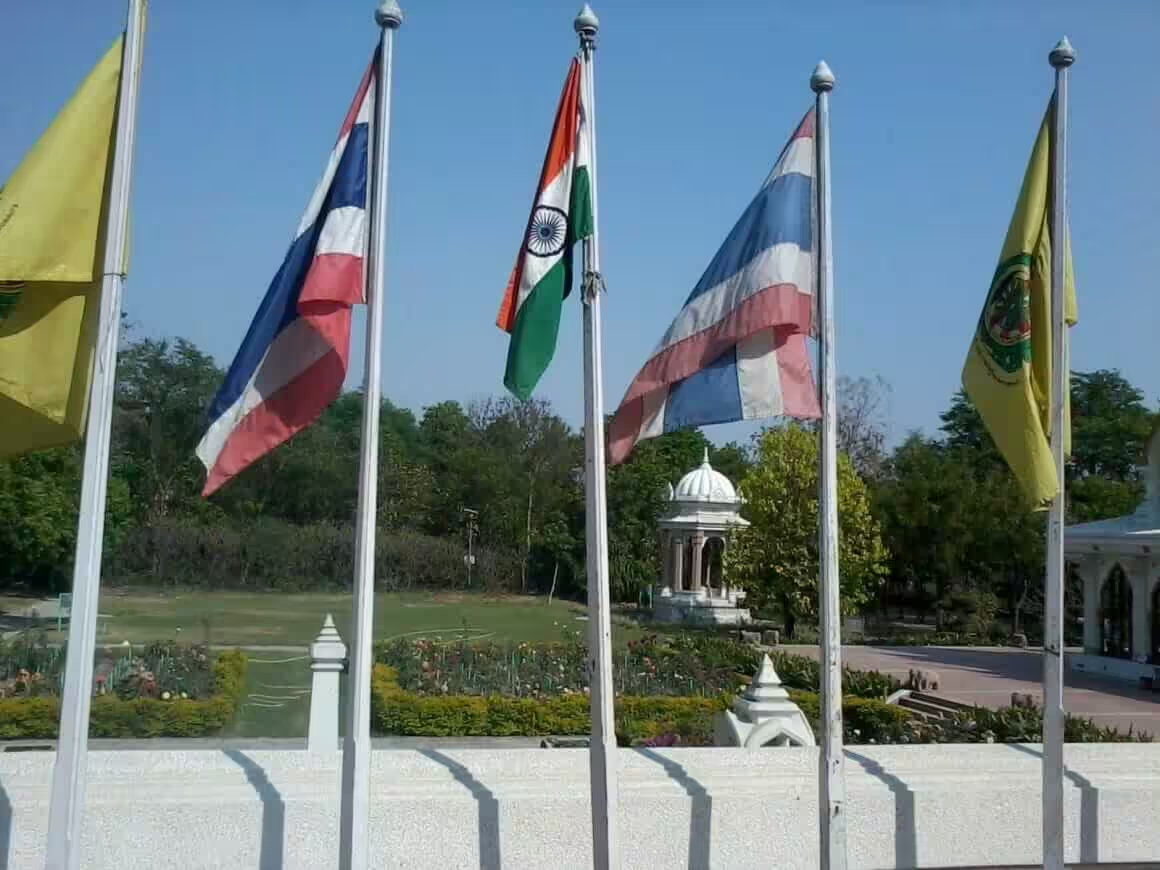
Buddhist communities from across Asia built monasteries along the main road, and together they’re half the visual experience of Kushinagar: the golden Burmese pagoda with its chinthe lion guardians, the Thai monastery’s manicured gardens and flags, the Vietnamese Linh Son temple with its Guanyin pavilion, and Chinese, Japanese and Korean compounds besides. Each one transplants its own architecture, so a 20-minute walk moves you through half of Buddhist Asia.
Most compounds welcome respectful visitors during daylight hours. The gallery below shows what to expect.
Buddha Museum and Meditation Park
The government-run Buddha Museum near the meditation park holds excavated sculptures and artifacts from the site. It’s modest, cheap and worth 45 minutes on a hot afternoon. The meditation park beside it offers shade, water and silence, 3 things the main road doesn’t.
How to Reach Kushinagar
The practical answer first: fly to Gorakhpur, then drive. Kushinagar has its own international airport, but it currently has no scheduled passenger flights; the full story, and how to check whether that has changed, is in my separate guide to Kushinagar International Airport.
- By air: Gorakhpur Airport is about 50-55 kilometers away, roughly 1.5 hours by road. Taxis are available at the airport; agree on the fare before leaving.
- By train: Gorakhpur Junction, a major NER hub, is the practical railhead at about 50-55 kilometers. Deoria Sadar (about 35 kilometers) and Padrauna (about 20 kilometers) are closer but thinner on trains and taxis.
- By road: Kushinagar sits just off NH-27. Buses running the Gorakhpur-Deoria-Bihar corridor stop at Kasia, about 3 kilometers from the temple; shared autos cover the last stretch.
- Locally: e-rickshaws and autos handle the town. The main sites, from the temple complex to Ramabhar, are walkable if the weather cooperates.
Distances that help planning, by road and approximate: Ayodhya 185-190 kilometers, Gorakhpur city 50-55 kilometers, Padrauna 19-20 kilometers, Lumbini in Nepal roughly 150-160 kilometers depending on the border crossing.
A One-Day Itinerary
Kushinagar rewards a slow single day better than a rushed half-day between buses:
- Start at the Mahaparinirvana Temple and Nirvana Stupa early, before the tour buses.
- Walk the excavated monastery ruins around the temple while the light is still low.
- Take the temple road for the international monasteries: Burmese pagoda, Thai compound, Vietnamese Linh Son and the rest.
- Stop at Matha Kuar shrine on the way to Ramabhar Stupa.
- Spend the hot hours in the Buddha Museum and meditation park.
- Return to the main temple near sunset, when pilgrim groups gather.
Overnight visitors stay near the temple road; the state-run Pathik Niwas and a handful of monastery guesthouses and small hotels cover most budgets. Food is simple: local dhabas, a few restaurants near the temples, and monastery kitchens during pilgrimage season. Don’t expect nightlife. That’s not what this town is for.
Best Time to Visit
October to March. Winters are pleasant, the pilgrimage season peaks, and the sites are comfortable on foot. April to June is brutally hot, and the monsoon months bring real flood risk: this is terai country fed by the Gandak and Chhoti Gandak, and both the district’s roads and its rivers take the rains seriously. Buddha Purnima, usually in May, brings the biggest festival crowd of the year despite the heat.
Etiquette is simple: shoes off inside shrines, shoulders and knees covered, silence inside the Mahaparinirvana Temple, and ask before photographing monks or worshippers. Photography rules vary by compound; the boards at each gate say so.
Geography and the District
Kushinagar is both a district and a town. The town grew around the Mahaparinirvana site; the district covers much more, with Padrauna as its headquarters. Beyond Kushinagar town, the district includes Kasia, Kubersthan, Pavanagar (Fazil Nagar), Chaura, Tamkuhi, Hata, Sukrauli, Turkpatti, Mainpur, Padrauna, Ramkola, Kaptanganj, Samaur and Hetimpur. The whole district borders Bihar to the east, Maharajganj to the northwest, Gorakhpur to the west and Deoria to the south.
Administratively, the area passed from Awadh to the British Benaras division, then after independence into Gorakhpur division and Deoria district. When Deoria was split in 1994, this area became Padrauna district, renamed Kushinagar district in 1997.
The land is terai: flat, fertile, river-fed alluvial soil growing rice, wheat, sugarcane and maize, and flood-prone in the north and southeast. Hinduism is the dominant religion here, followed by Islam and Buddhism, and the pilgrimage economy layers on top of an agricultural one.
Kushinagar Photo Gallery
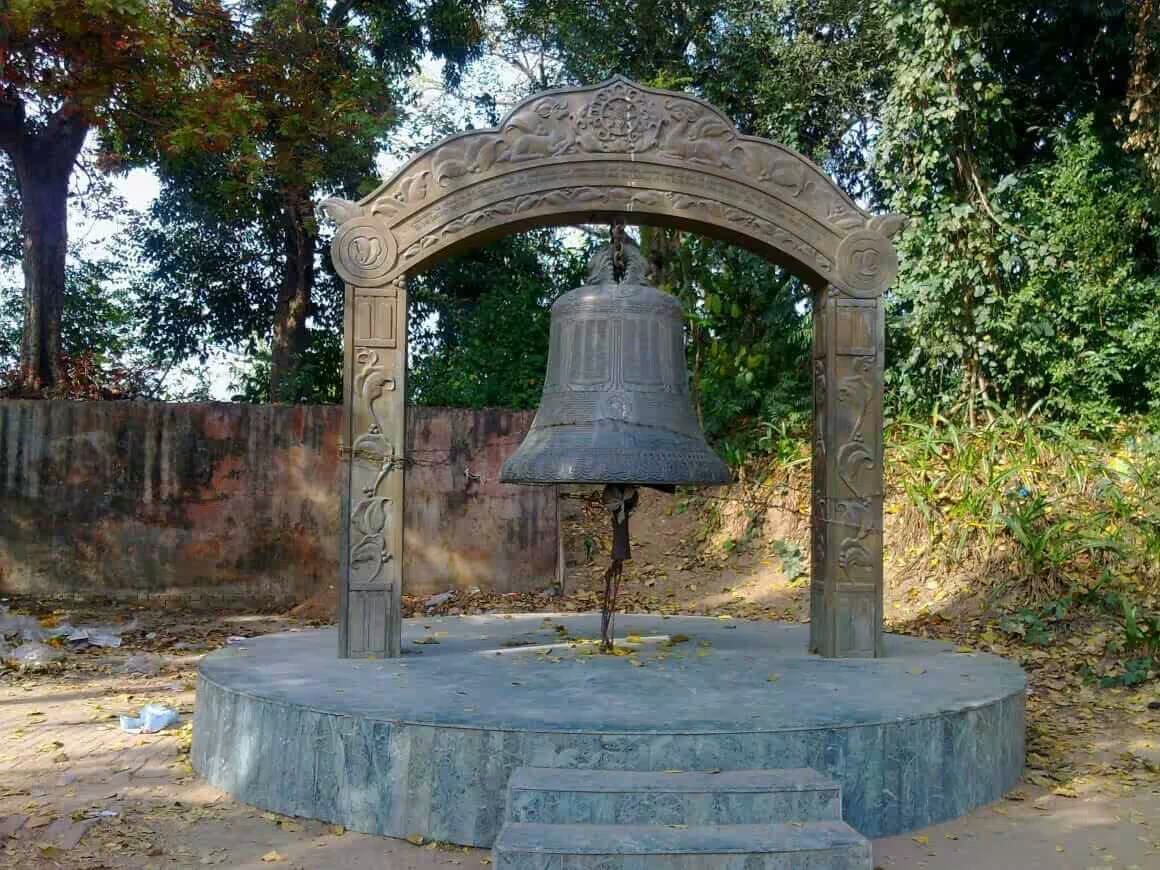
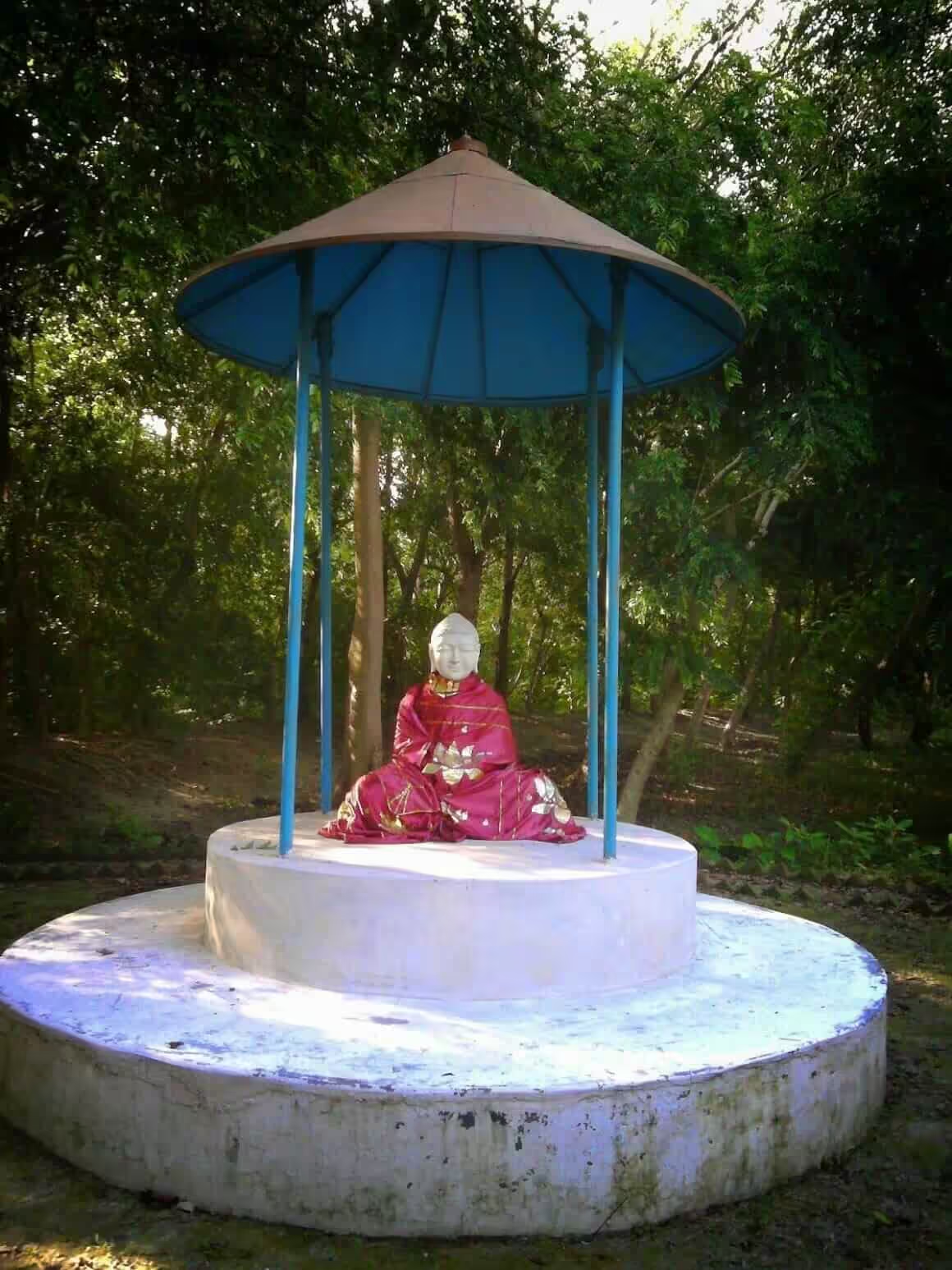
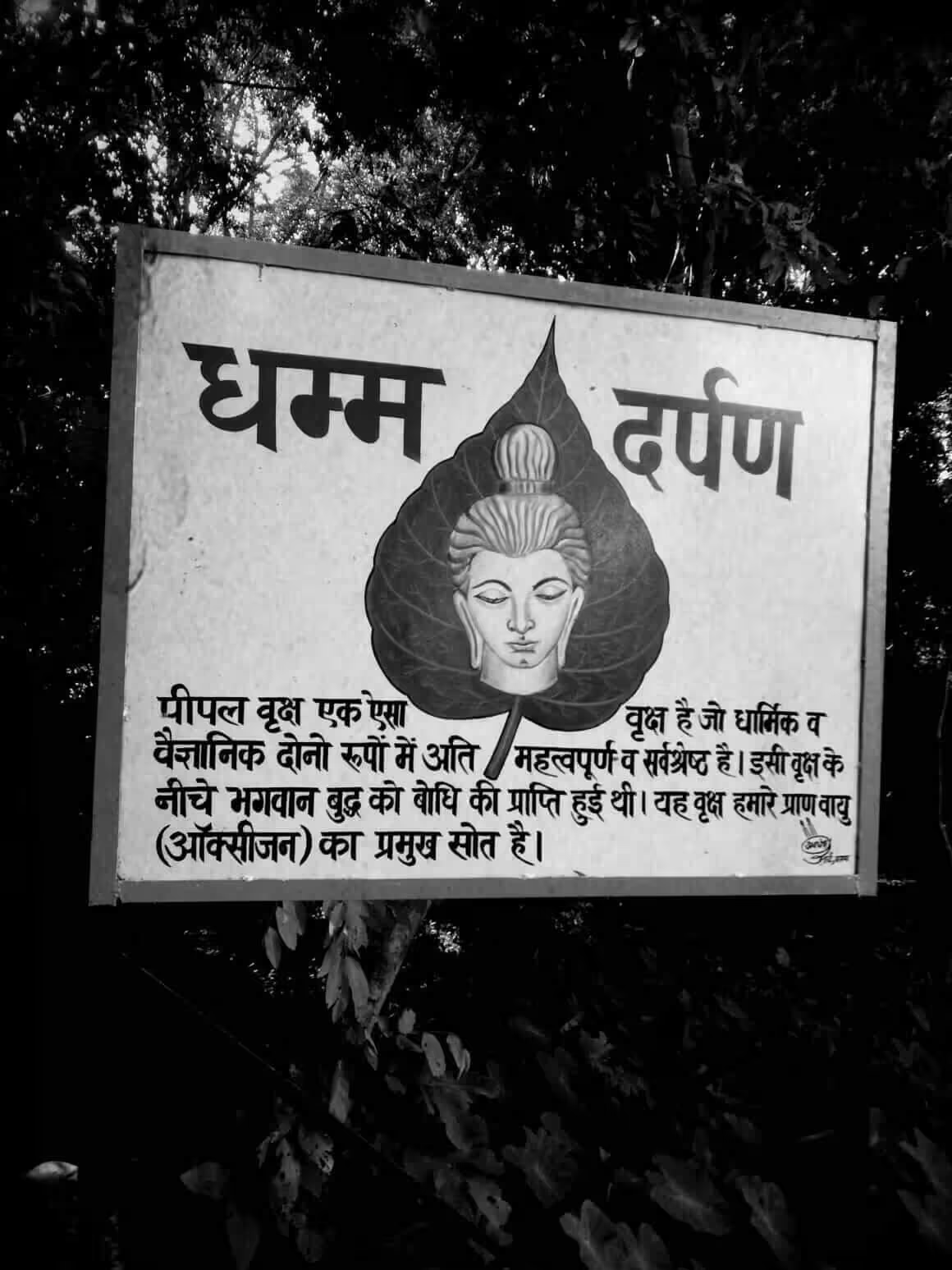
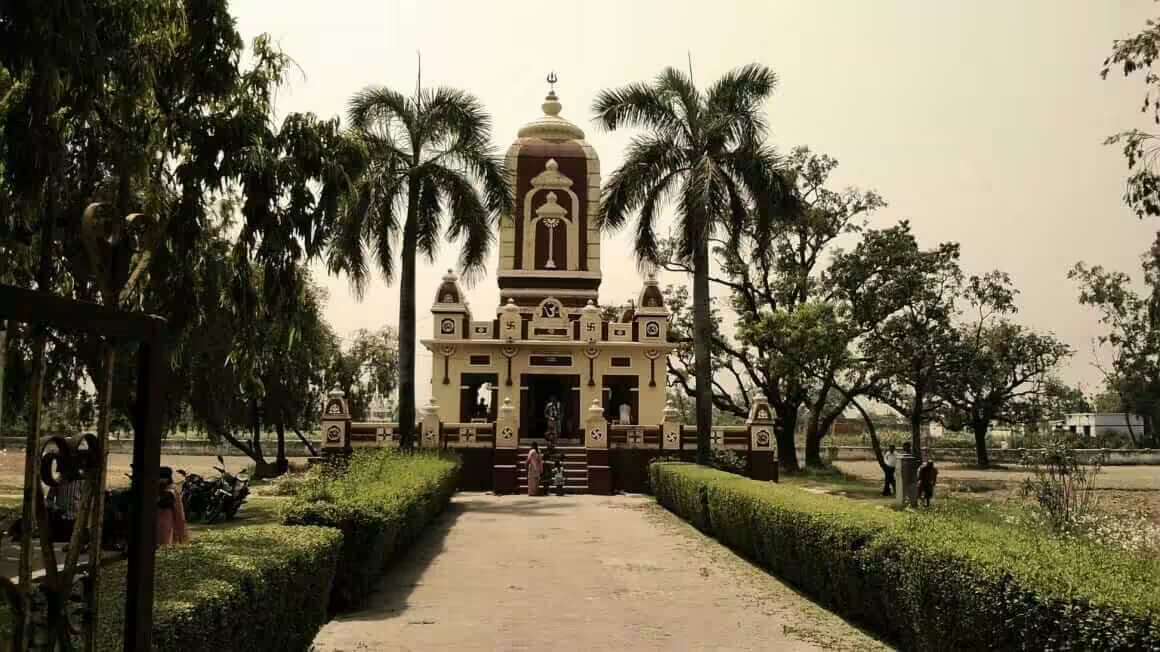
Photos from around the town, grouped by place. The Mahaparinirvana complex first:
The international monasteries carry the town’s second personality:
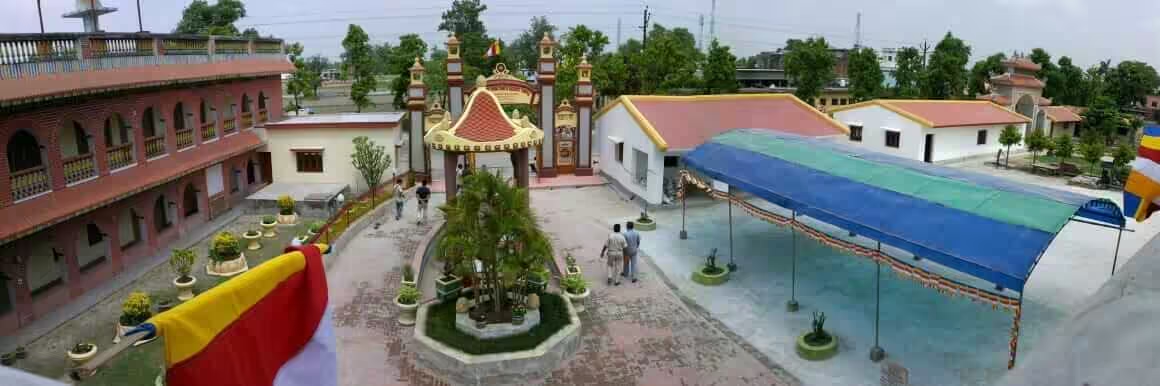
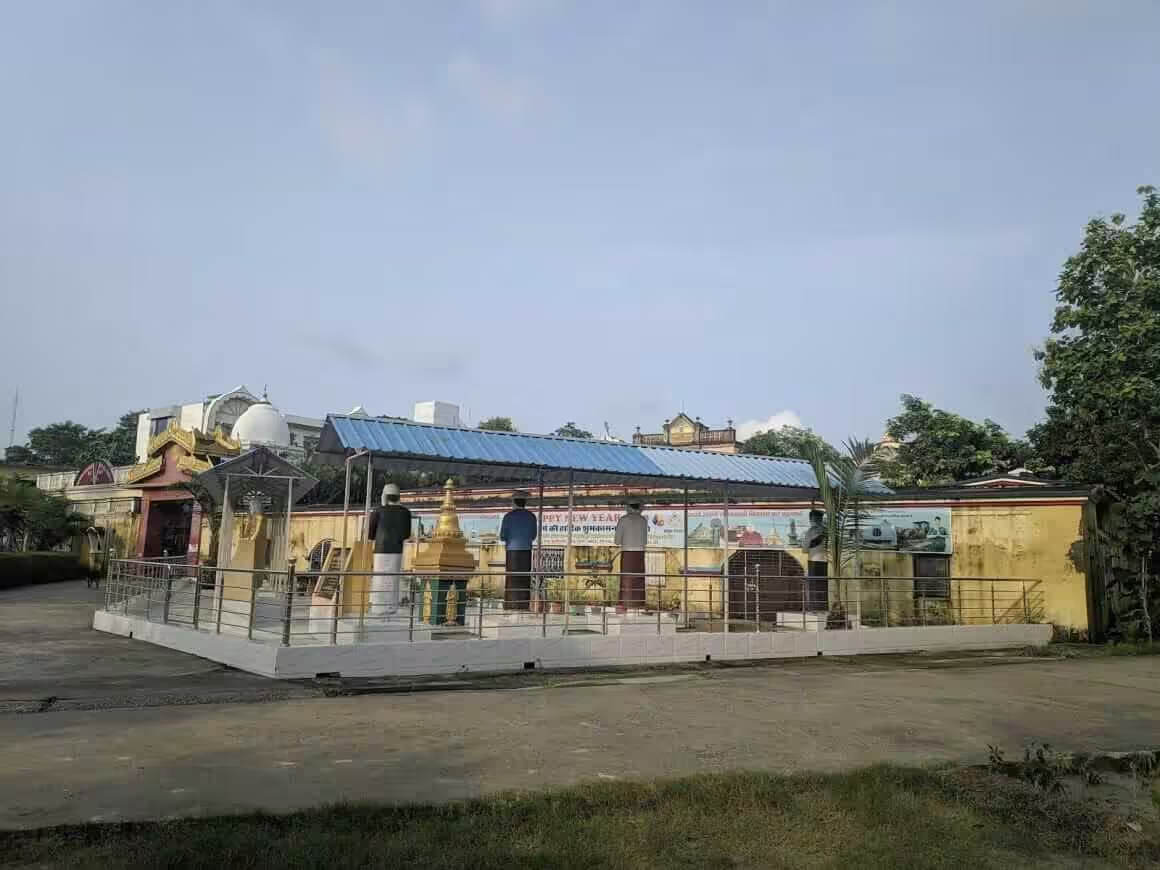
And 2 personal ones, because this is still my town:
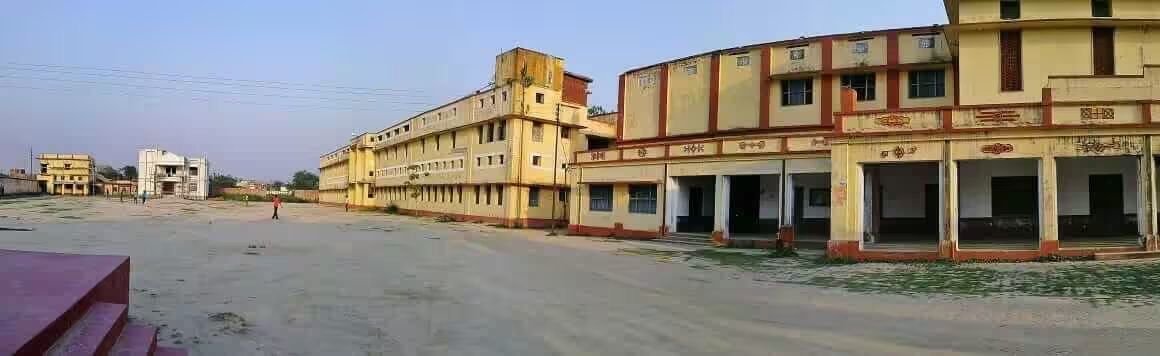
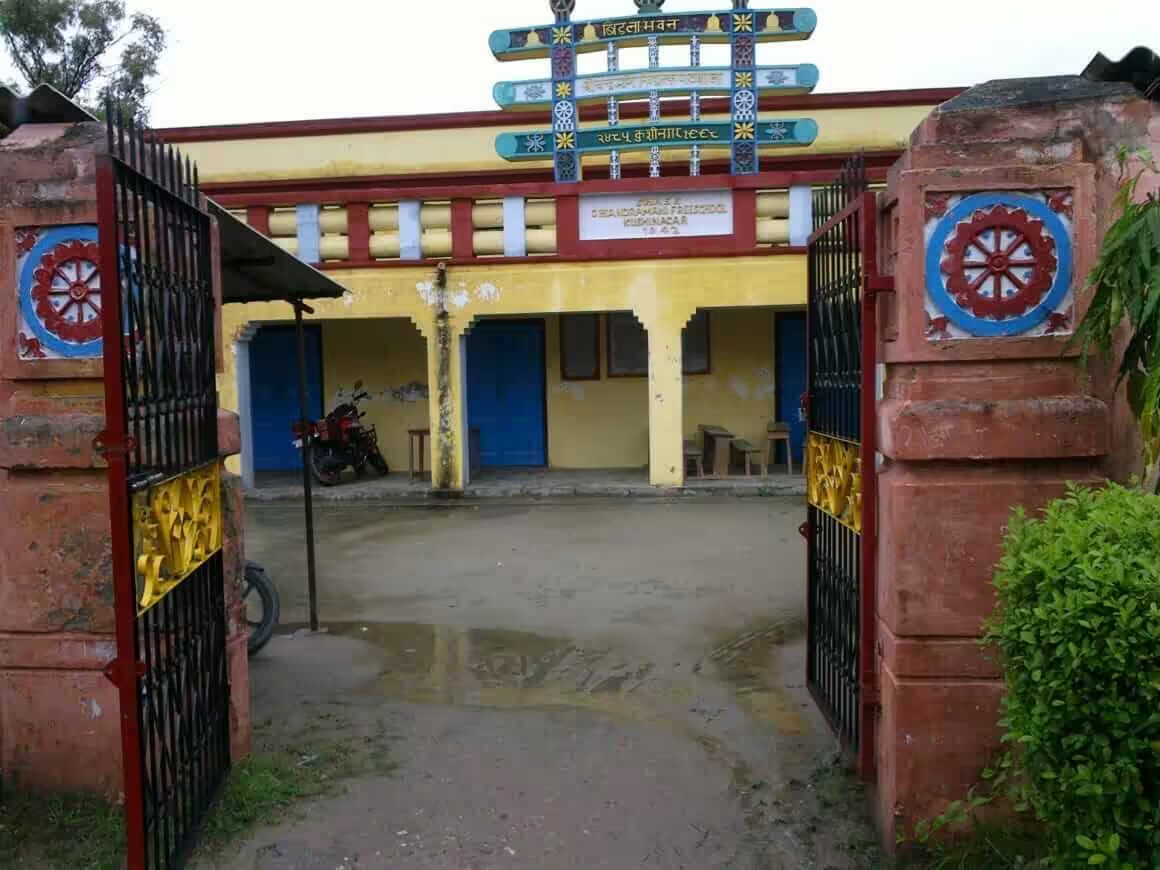
FAQs on Visiting Kushinagar
What is Kushinagar famous for?
Kushinagar is where Gautam Buddha delivered his final teachings and attained Mahaparinirvana, understood in Buddhist tradition as his final passing and release from the cycle of rebirth. It’s 1 of the 4 principal Buddhist pilgrimage sites, alongside Lumbini, Bodh Gaya and Sarnath. The Mahaparinirvana Temple, with its 5th-century reclining Buddha, marks the site traditionally identified with that event.
Where is Kushinagar located?
Kushinagar is in eastern Uttar Pradesh, India, in the terai belt of the Ganga basin. The district borders Bihar to the east and northeast, Maharajganj to the northwest, Gorakhpur to the west and Deoria to the south.
How do I reach Kushinagar?
Fly to Gorakhpur Airport, about 50-55 kilometers away, and continue by road (roughly 1.5 hours). Gorakhpur Junction is also the practical railhead. By road, Kushinagar sits just off NH-27; buses stop at Kasia, about 3 kilometers from the temple area. Kushinagar’s own airport currently has no scheduled passenger flights.
How far is Kushinagar from Ayodhya?
About 185 to 190 kilometers by road, depending on the route. In tradition, both places belonged to the wider Kosala region, with Ayodhya as its center and Kushinagar near its eastern frontier.
How did Kushinagar get its name?
The ancient name was Kusinara or Kushinara, linked to 2 small streams once called Kusi and Nara. Local and literary tradition credits King Kusha, son of Lord Rama; a humbler theory points to the kush grass that grows across the region. The traditions are older than the evidence, and the town wears all of them.
What is the best time to visit Kushinagar?
October to March, when the weather is pleasant and the pilgrimage season peaks. April to June is very hot, and the monsoon months carry flood risk in this river-fed terai district. Buddha Purnima, usually in May, brings the largest festival crowds.
What was Kushinagar called in ancient times?
Kusinara or Kushinara. It was one of the principal centers of the Malla mahajanapada in the 6th century BCE, gained stupas under Ashoka, and stayed associated with the Shunga, Kushana, Gupta, Harsha and Pala periods before declining around the 12th and 13th centuries. Archaeologists dug it back from the mounds in the 19th century.
What are the main towns in Kushinagar district?
Beyond Kushinagar town, the district includes Kasia, Kubersthan, Pavanagar (Fazil Nagar), Chaura, Tamkuhi, Hata, Sukrauli, Turkpatti, Mainpur, Padrauna, Ramkola, Kaptanganj, Samaur and Hetimpur. Padrauna is the district headquarters, about 19-20 kilometers from Kushinagar town.
Final Remarks
I called Kushinagar the Lost Town for years, and I was half wrong. Towns aren’t lost the way keys are lost. They’re set down by history and picked up again, and this one has been picked up twice: once by the archaeologists who dug the stupa out of a mound, and once by the pilgrims who keep arriving every winter to a place my neighbors simply call home.
Come in the cool months, give it a full day, and walk it. The town is small. What happened here isn’t.
Tell Google you want more of this.
Add Gaurav Tiwari as a preferred sourceOne tap, and this site shows up more often in your own Top Stories, AI Overviews and AI Mode. Remove it any time.