
17 Best SEO Tools Experts Use to Rank Higher in 2026
There are thousands of SEO tools available, and most of them are mediocre. I've used SEO tools extensively across 850+ clients and 1,800+ blog articles. After years of testing, 18 tools consistently deliver results. From Semrush and Ahrefs to Google Search Console and Screaming Frog, these are the SEO tools that experts actually rely on daily.
 by
by
Ranking on Google in 2026 is harder than it was five years ago, and the tools that help you compete keep multiplying. Semrush. Ahrefs. Rank Math. Google Search Console. Screaming Frog. Surfer SEO. NeuronWriter. Each one does something different. Each one costs money (or is free but limited). Pick the wrong tools and you’ll pay for features you don’t need. Pick the right mix and you’ll rank faster than competitors spending twice as much.
I’ve used every major SEO tool across hundreds of client sites, niche blogs, and my own properties over 18 years. Some are overpriced for what they do. Some are underrated. Some are free tools Google gives you that most beginners ignore. This guide covers 17 SEO tools that actually move rankings in 2026, grouped by what they do: keyword research, technical SEO, backlink analysis, content optimization, and WordPress plugins.
Most SEO work needs 3-4 tools in combination. Free tools from Google cover the basics. Paid tools (Semrush, Ahrefs) unlock competitive research. WordPress plugins like Rank Math handle on-page SEO. AI content optimization tools like Surfer and NeuronWriter round out the stack. You don’t need all 17. You need the 4-5 that fit your workflow.
Free download: the SEO Playbook 2026
The complete system in one 57-page ebook: SEO, AEO, and GEO. How search actually works now, the technical base, content that ranks, links that hold, getting cited by AI, and the 90-day cadence that makes it all compound. The SEO Audit Checklist and Guest Posting Swipe File are included as appendices.
Enter your email and I’ll send the PDF straight to your inbox.
Best SEO Tools at a Glance
Semrush wins as the all-in-one SEO platform. Ahrefs wins for backlink analysis. Rank Math wins for WordPress SEO. Google Search Console is the essential free tool nobody should skip. Surfer SEO and NeuronWriter handle content optimization with AI.
- Semrush: Best all-in-one SEO tool with keyword research, site audit, competitor analysis, and backlink data ($139.95/mo)
- Ahrefs: Best backlink checker and competitor SEO analysis tool with the most comprehensive link index ($129/mo)
- Rank Math: Best WordPress SEO plugin with schema markup, keyword tracking, and advanced features in the free version
- Google Search Console: Best free SEO tool directly from Google with indexing status, search performance, and Core Web Vitals
- Google Keyword Planner: Best free keyword research tool with official Google search volume data
- Yoast SEO: Most popular WordPress SEO plugin with content analysis and readability scoring (free + $99/yr premium)
- Screaming Frog: Best technical SEO crawler for site audits, broken links, and schema validation (free up to 500 URLs)
- Moz Pro: Best SEO tool for beginners with Domain Authority, MozBar, and Link Explorer ($99/mo)
- Ubersuggest: Best affordable SEO tool for small businesses and solo bloggers ($29/mo or $290 lifetime)
- Surfer SEO: Best content optimization tool with on-page SEO scoring and NLP-based recommendations ($89/mo)
- NeuronWriter: Best AI content optimization tool with semantic recommendations at a fraction of Surfer’s price ($23-$79/mo)
- Frase: Best AI SEO content brief generator with question research and competitor analysis ($14.99/mo)
- Mangools: Best affordable SEO suite with KWFinder, SERPChecker, and LinkMiner ($29/mo)
- AIOSEO: Best Yoast alternative WordPress SEO plugin with sitemap control and schema markup ($49.60/yr)
- Serpstat: Best budget SEO platform with all-in-one features at half the price of Semrush ($69/mo)
- Google Analytics: Best free website analytics tool with traffic, conversion, and user behavior data
- Bing Webmaster Tools: Best free SEO tool for Bing search optimization with keyword research and crawl data
SEO Tools Comparison Table
Here’s how these SEO tools compare on what matters: type of SEO work, pricing, and whether they have a free tier.
| Tool | Type | Free Tier | Paid From | Best For |
|---|---|---|---|---|
| Semrush | All-in-one | Limited (10 queries/day) | $139.95/mo | Agencies, competitive analysis |
| Ahrefs | Backlinks + keywords | Free tools | $129/mo | Backlink analysis |
| Rank Math | WordPress plugin | Full free version | $79.95/yr | WordPress on-page SEO |
| Google Search Console | Google’s own tool | Free forever | N/A | Indexing, Core Web Vitals |
| Google Keyword Planner | Keyword research | Free with Google Ads | N/A | Official search volume |
| Yoast SEO | WordPress plugin | Generous free | $99/yr | Content readability |
| Screaming Frog | Site crawler | 500 URLs free | $259/yr | Technical SEO audits |
| Moz Pro | All-in-one | 30-day trial | $99/mo | Beginners, Domain Authority |
| Ubersuggest | All-in-one | Limited free | $29/mo or $290 lifetime | Small businesses |
| Surfer SEO | Content optimization | Trial | $89/mo | On-page content scoring |
| NeuronWriter | AI content | Trial | $23/mo | Affordable content SEO |
| Frase | AI content | Trial | $14.99/mo | Content briefs, research |
| Mangools | All-in-one | 10-day trial | $29/mo | Budget-friendly suite |
| AIOSEO | WordPress plugin | Free version | $49.60/yr | Yoast alternative |
| Serpstat | All-in-one | Trial | $69/mo | Budget competitor analysis |
| Google Analytics | Web analytics | Free forever | N/A | Traffic analysis |
| Bing Webmaster Tools | Bing’s own tool | Free forever | N/A | Bing SEO |
1. Semrush
Best for: SEO agencies, serious marketers, and anyone doing competitive analysis across keyword research, backlinks, content, and technical SEO.
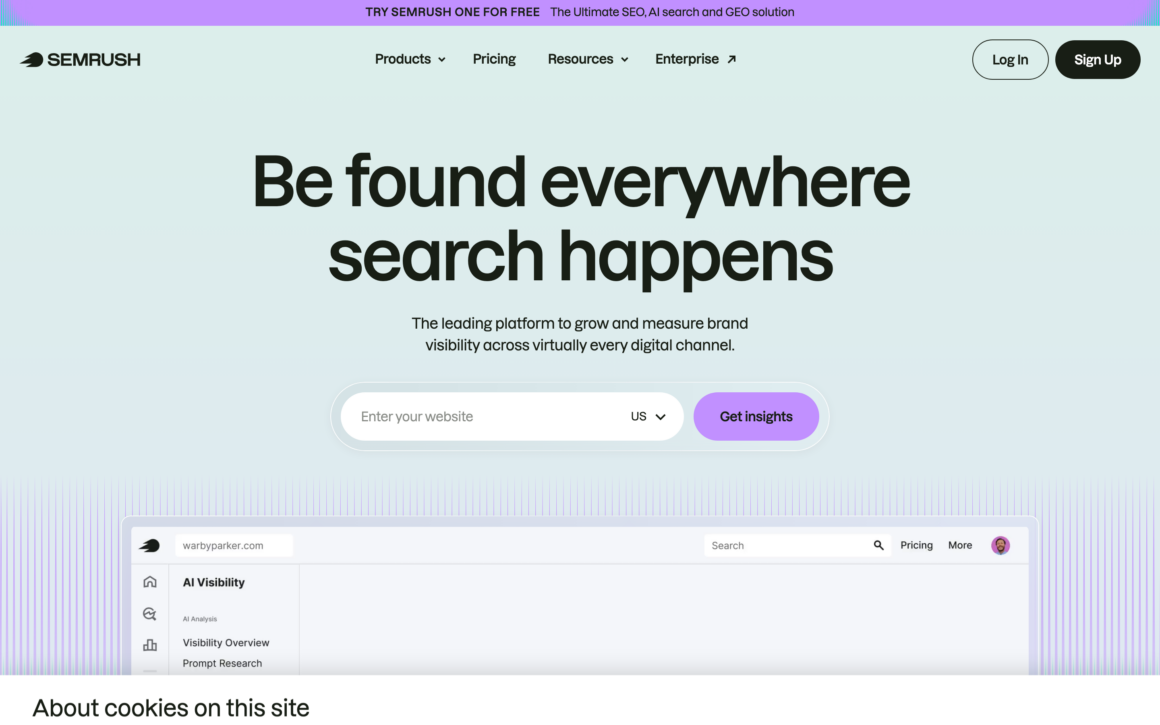
Semrush is the SEO platform I use most. It’s the most complete all-in-one SEO tool with 60+ individual SEO and marketing tools bundled into one subscription. Keyword Magic Tool for keyword research, Site Audit for technical SEO, Backlink Analytics for link profiles, Position Tracking for rank monitoring, Competitive Analysis for seeing exactly what ranks your competitors use.
Semrush’s keyword database is massive: 25+ billion keywords across 140 countries. The competitor analysis features (Organic Research, Traffic Analytics, Keyword Gap) show you which keywords competitors rank for that you don’t. For content teams, the SEO Writing Assistant grades drafts against top-ranking competitors in real time.
Pro plan $139.95/month. Guru $249.95/month. Business $499.95/month. Not cheap, but if you take SEO seriously, Semrush pays for itself. The free tier lets you do 10 queries per day on most tools. The 7-day free trial unlocks Pro features. For agencies managing multiple sites, Semrush Business is the industry default.
2. Ahrefs
Best for: Backlink analysis, competitor research, and link building outreach with the most comprehensive link index.
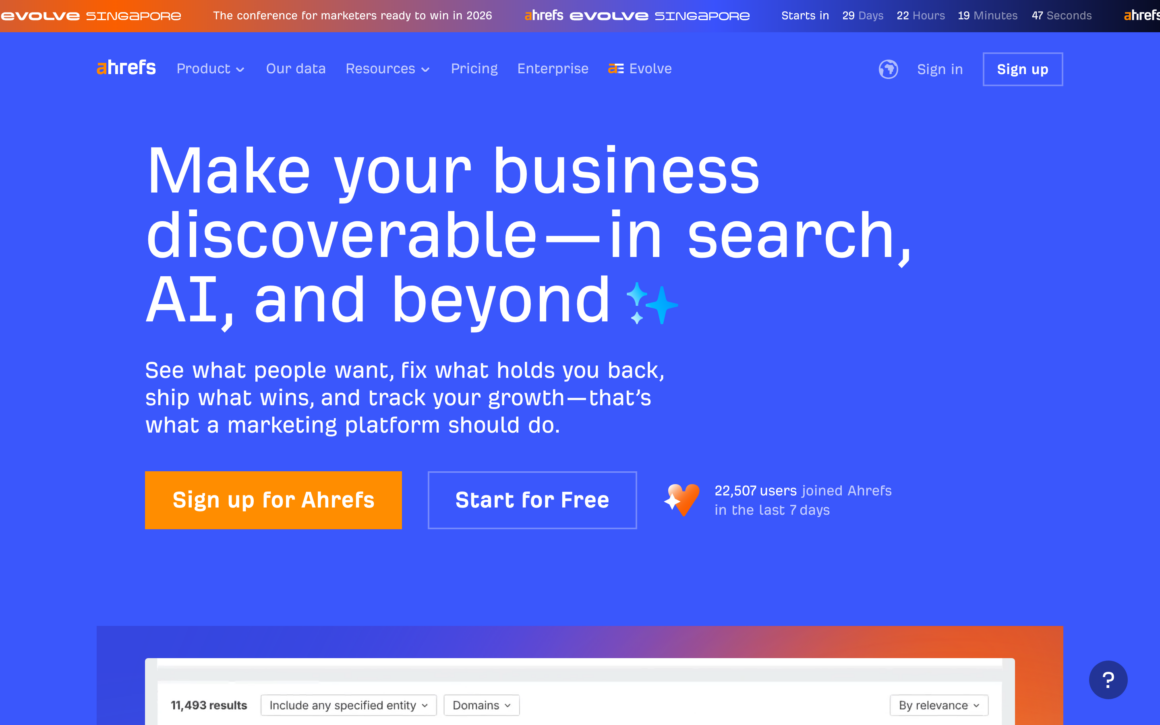
Ahrefs crawls more backlinks than any competitor. Their web crawler is second only to Google’s in index size. For link building, competitive backlink research, and understanding why your competitors rank, Ahrefs gives you data that Semrush and Moz miss. Site Explorer shows every link pointing to any domain. Content Explorer finds the most-linked content in any niche.
Keywords Explorer is stronger than Semrush for long-tail keyword research. Batch Analysis processes 200 URLs at once. Site Audit catches technical SEO issues with clear fix suggestions. The free Ahrefs Webmaster Tools (for verified sites you own) gives you Site Audit and Site Explorer features for free if you can verify domain ownership.
Lite plan $129/month. Standard $249/month. Advanced $449/month. Enterprise $14,990/year. The Starter plan ($29/month) was introduced in 2024 with limited features. Against Semrush, Ahrefs wins on backlink data and interface polish. Semrush wins on breadth of features. Most serious SEOs use both.
3. Rank Math
Best for: WordPress sites that need comprehensive on-page SEO, schema markup, and keyword tracking in one plugin.
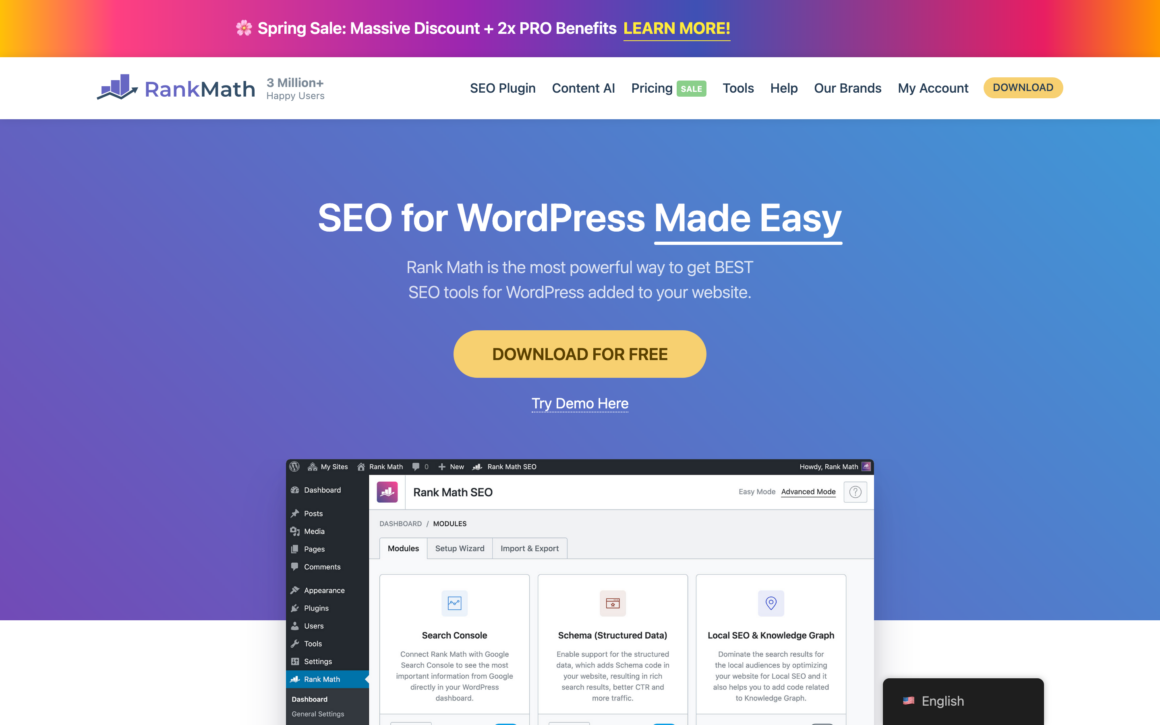
Rank Math is the WordPress SEO plugin I moved to after using Yoast for years. The free version of Rank Math includes features that Yoast charges for: support for up to 5 focus keywords per post, 20+ schema markup types, internal link suggestions, and 404 redirection management. The setup wizard configures your site in 5 minutes.
Rank Math Pro ($79.95/year) adds advanced schema markup, Google Search Console integration with rank tracking directly in WordPress, image SEO, and local SEO features. For WordPress sites serious about SEO, Rank Math Pro costs about $80/year versus Yoast Premium’s $99/year and delivers more features.
The interface is cleaner than Yoast. The content analysis is stricter (which catches more issues). The analytics dashboard inside WordPress shows keyword rankings, clicks, and impressions from Google Search Console without leaving your admin panel. For 90% of WordPress sites, Rank Math Free is enough. For the other 10%, Rank Math Pro is cheaper than Yoast Premium.
4. Google Search Console
Best for: Every website owner. This is Google’s own free SEO tool and skipping it is SEO malpractice.
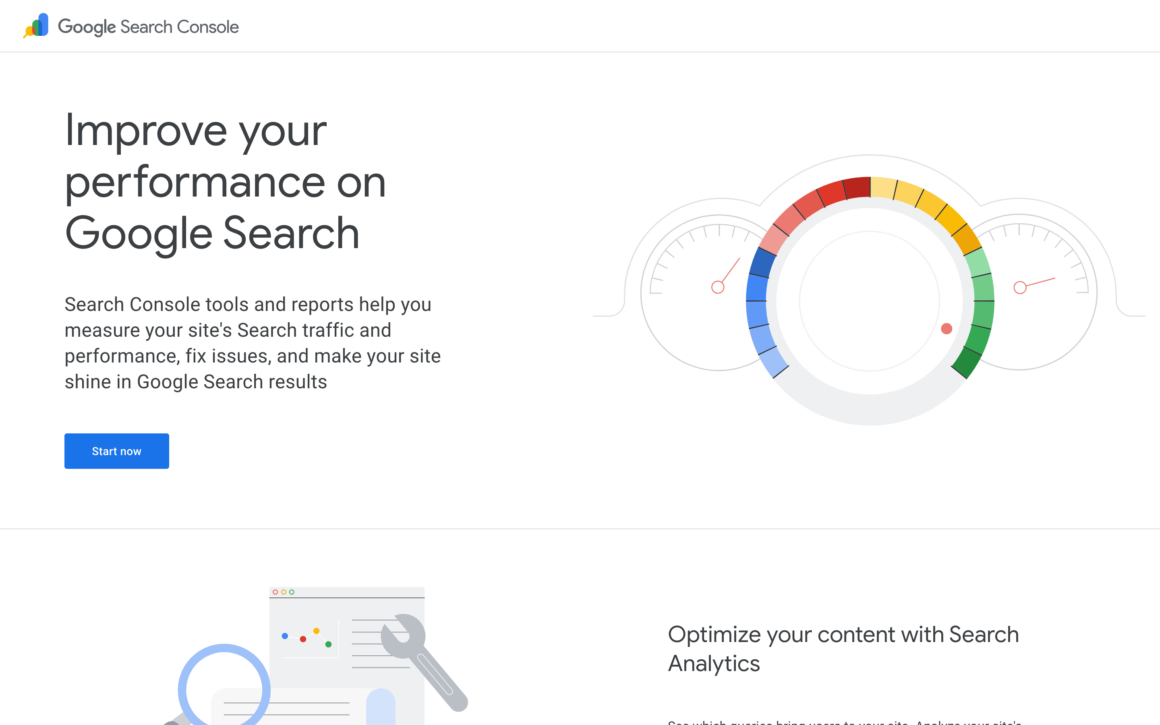
Google Search Console (GSC) is the single most important free SEO tool. It shows you which queries people search for before clicking your site, how many times your pages appeared in search, click-through rates, average position, indexing status of every URL, and Core Web Vitals performance. All direct from Google with zero third-party data interpretation.
If you only use one SEO tool, use Google Search Console. Verify ownership of your site, submit your sitemap, and the tool starts collecting data within hours. Performance report shows your actual Google rankings. URL Inspection checks if Google has indexed specific pages. Mobile Usability flags mobile rendering issues.
Free forever. No upgrade options. Just free. Every SEO tool on this list pulls data that Google Search Console already gives you. For beginners, start here. Master Search Console before paying for anything else. For professionals, GSC remains the source of truth that all paid tools compare against.
5. Google Keyword Planner
Best for: Free keyword research with official Google search volume data.
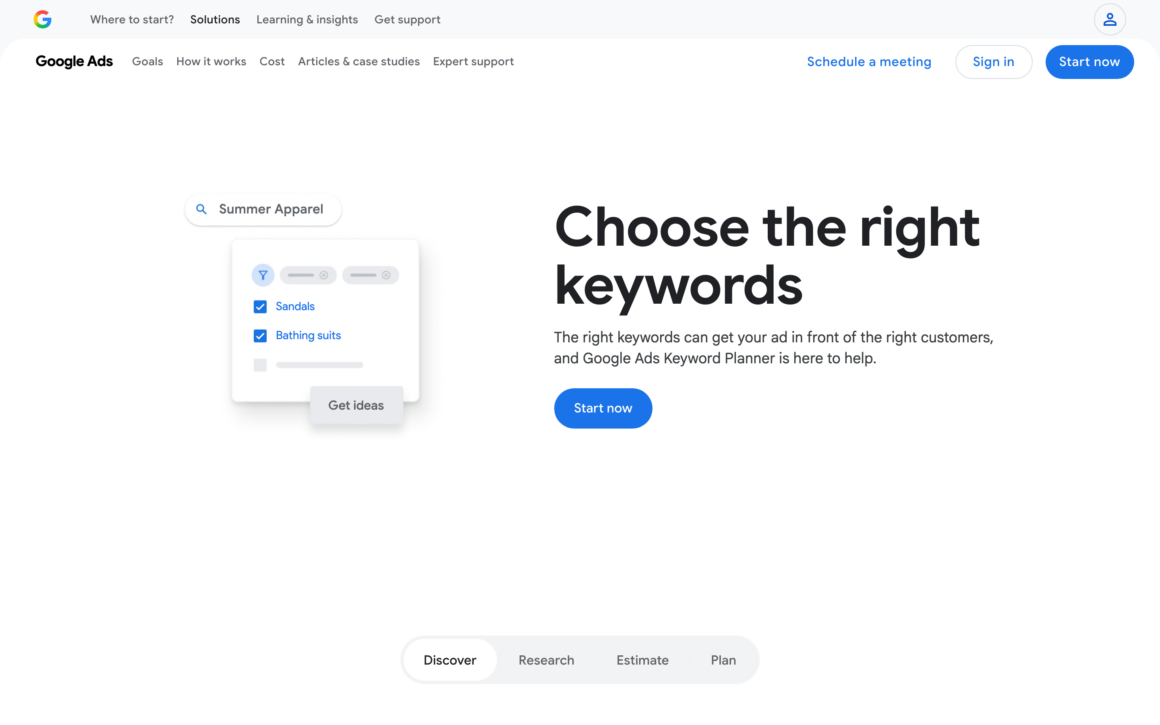
Google Keyword Planner is the free keyword research tool inside Google Ads. Create a free Google Ads account (you don’t need to spend any money on ads) and you get access to search volume data, keyword ideas, and competition levels for any keyword you research. This is the same data Google shows to advertisers.
The limitation: without an active ad spend, the search volume shows broad ranges instead of exact numbers (“100-1K searches per month” instead of “480 searches per month”). For precise numbers, tools like Semrush and Ahrefs show exact estimates. For directional research on what keywords matter and relative popularity between them, Keyword Planner is free and accurate.
Use Keyword Planner to discover keywords, then validate with Semrush or Ahrefs for exact volumes. Or skip the paid tools entirely if you’re just starting out. For small businesses and solo bloggers who can’t justify $100+/month on SEO tools, Google Keyword Planner plus Google Search Console is the essential free SEO stack.
For new sites with zero budget, start with this free SEO stack: Google Search Console + Google Keyword Planner + Google Analytics + Rank Math (free WordPress plugin) + Bing Webmaster Tools. Together they cover 80% of what paid SEO tools offer. Upgrade to Semrush or Ahrefs only when you’ve outgrown the free limits.
6. Yoast SEO
Best for: WordPress sites wanting the most popular SEO plugin with content analysis and readability scoring.
Yoast SEO is the WordPress SEO plugin most people start with. 5+ million active installations. The green/orange/red traffic light system for content analysis and readability has become the mental model for on-page SEO across the entire industry. Even SEOs who don’t use Yoast know what “green Yoast” means.
The free version handles title tags, meta descriptions, canonical URLs, XML sitemaps, and basic schema. Yoast Premium ($99/year) adds internal linking suggestions, redirect manager, multiple focus keywords per post, and Zapier integration. For WordPress beginners, Yoast Free is a solid starting point. The ecosystem of plugins and tutorials means you can find help anywhere.
Against Rank Math, Yoast has more brand recognition and documentation. Rank Math has more features in its free version and costs less for Pro. For new WordPress sites, I recommend Rank Math over Yoast. For existing Yoast sites, the migration isn’t urgent unless you’re paying for Yoast Premium.
7. Screaming Frog SEO Spider
Best for: Technical SEO audits, finding broken links, duplicate content, and crawling large websites.
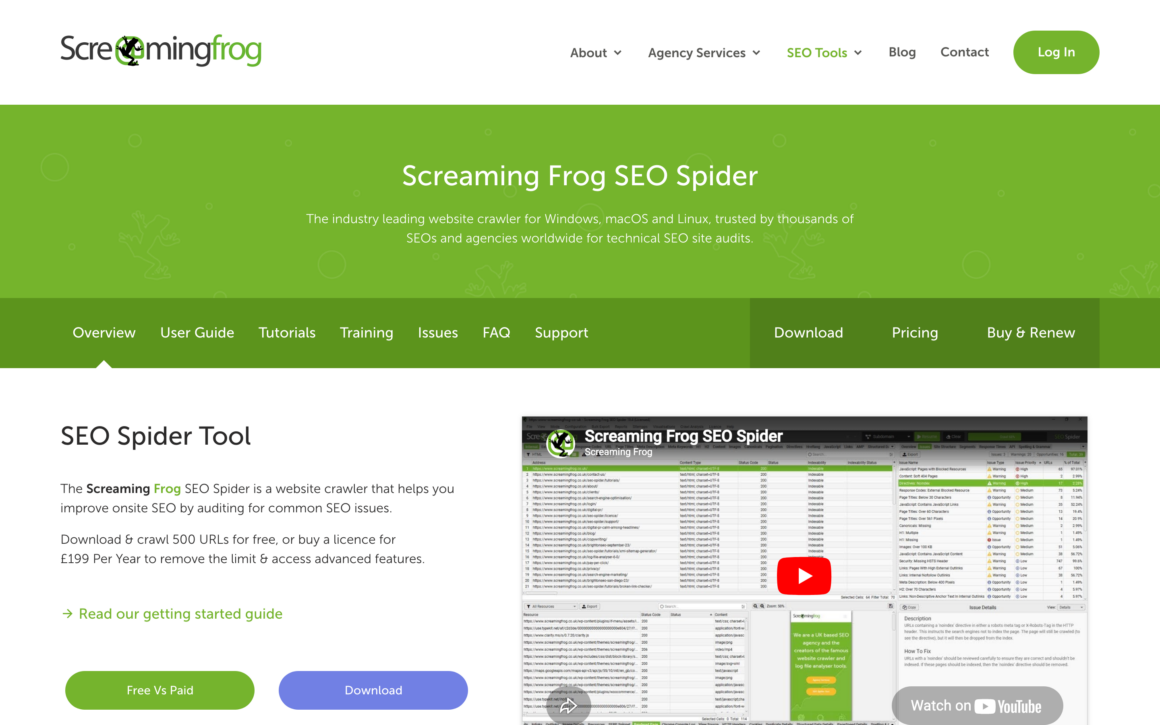
Screaming Frog is the desktop app every technical SEO uses. Point it at a website and it crawls every URL, extracting title tags, meta descriptions, H1s, response codes, canonical tags, schema markup, image alt text, and 50+ other SEO data points. For site audits, technical SEO investigations, and migrations, Screaming Frog is the default tool.
The free version handles up to 500 URLs. The paid version ($259/year) removes the limit and unlocks JavaScript rendering, Google Analytics integration, custom extraction via XPath, and scheduled crawls. For most small sites, the free version covers everything you need. For SEO agencies auditing client sites, the paid version pays for itself in the first project.
Runs on Mac, Windows, and Linux. Requires Java. The learning curve is steep for the first week, then Screaming Frog becomes essential. For technical SEO work, no cloud tool matches what a local crawler can do with full access to your site’s structure.
8. Moz Pro
Best for: SEO beginners wanting an approachable interface with Domain Authority scoring and the MozBar browser extension.
Moz Pro was the original all-in-one SEO tool. Their Domain Authority (DA) metric became the SEO industry’s shorthand for site strength, and you’ll see DA referenced in SEO discussions everywhere. The Moz Pro suite includes Keyword Explorer, Link Explorer, Site Crawl, On-Page Grader, and Rank Tracker. The MozBar browser extension shows DA, Page Authority, and spam scores for any site you visit.
Against Semrush and Ahrefs, Moz has fallen behind in raw feature depth and data freshness. Their backlink index is smaller. Their keyword database has fewer keywords. But for SEO beginners, Moz has the cleanest interface and the best educational content (Moz Academy, Whiteboard Friday videos). The 30-day free trial lets you explore everything.
Standard plan $99/month. Medium $179/month. Large $299/month. Premium $599/month. For most SEO work, Semrush or Ahrefs are better platforms at similar prices. Moz makes sense for beginners who want the gentler learning curve or for teams that specifically need Domain Authority scores.
9. Ubersuggest
Best for: Solo bloggers and small business owners who want affordable keyword research and SEO data.
Ubersuggest is Neil Patel’s SEO tool, priced aggressively against the $100+/month big players. Individual plan at $29/month or the lifetime license at $290 makes it the cheapest serious SEO tool. Keyword research, site audit, backlink analysis, content ideas, rank tracking, all bundled at one-quarter of Semrush’s price.
The data quality is lower than Semrush or Ahrefs. Keyword volumes are less accurate. Backlink index is smaller. But for solo bloggers, affiliate marketers, and small businesses whose budgets can’t justify Semrush Pro, Ubersuggest provides 80% of the value at 20% of the cost. The free tier (3 queries per day) is useful for quick research.
The lifetime deal at $290 is the real value. Pay once, use forever. For solo creators who don’t need fresh data hourly, this beats any monthly subscription. Ubersuggest won’t replace Semrush for agencies, but for individual site owners, it’s the affordable SEO tool that actually delivers.
10. Surfer SEO
Best for: Content optimization with NLP-based on-page SEO scoring that compares your content against top-ranking competitors.
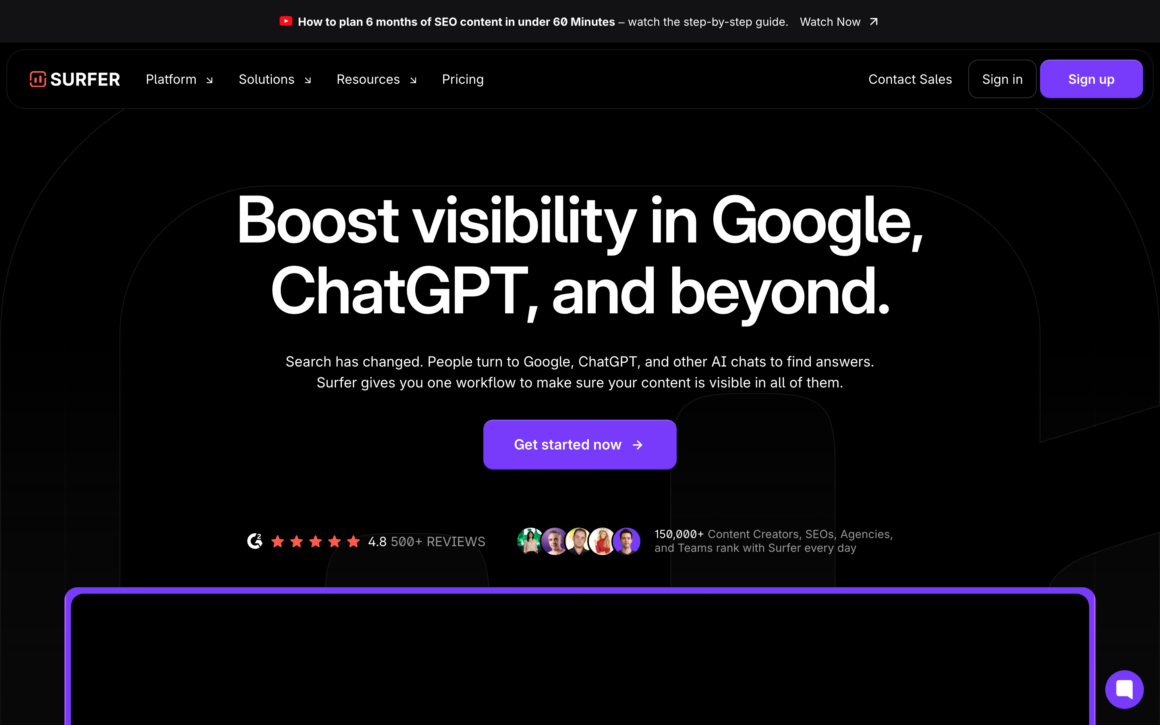
Surfer SEO analyzes the top 10 ranking pages for your target keyword and gives you a real-time score as you write. The Content Editor tells you exactly which terms to include, word count ranges, heading structure, and question coverage based on what currently ranks. For content teams producing articles at scale, Surfer turns SEO writing into a repeatable process.
The SERP Analyzer breaks down why pages rank: common phrases, heading patterns, word counts, and missing topics. The Audit tool checks existing pages against current ranking signals and suggests improvements. Surfer AI (added in 2023) drafts full SEO-optimized articles from a keyword prompt.
Essential plan $89/month. Advanced $179/month. Max $299/month. Expensive for solo bloggers but worth it for content agencies and teams producing 20+ articles per month. For individual bloggers, NeuronWriter at $23/month does similar things at a fraction of the cost.
11. NeuronWriter
Best for: Solo bloggers and small content teams who want Surfer-quality content optimization at a fraction of the price.
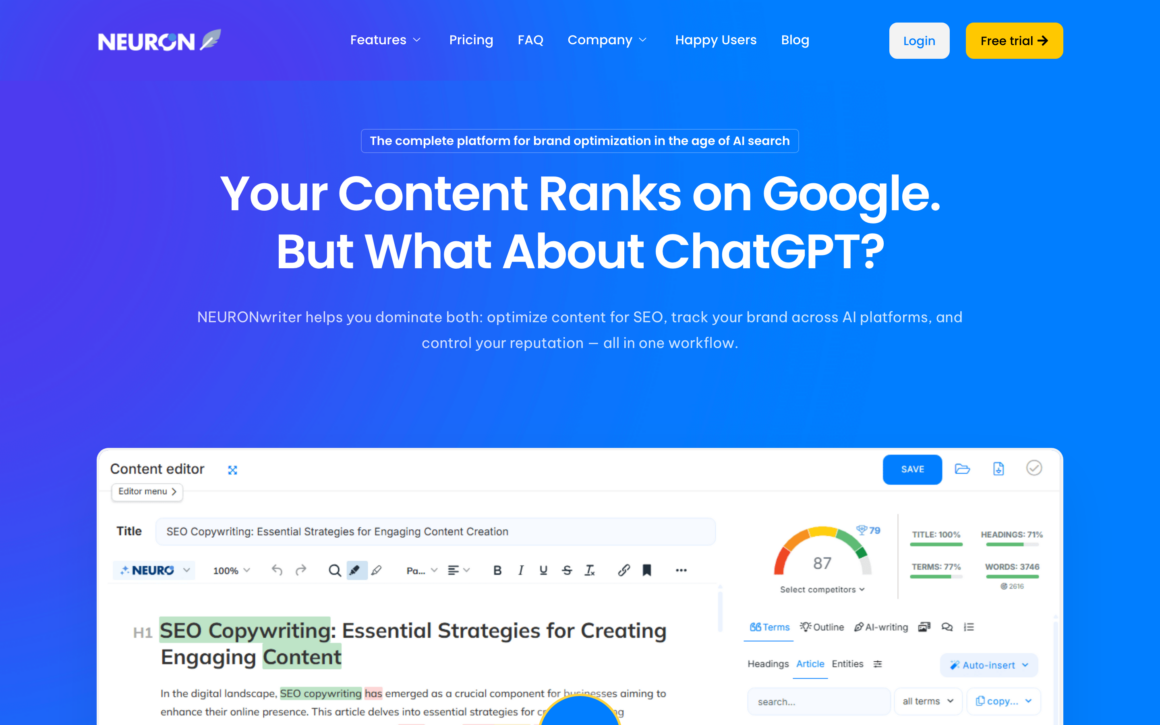
NeuronWriter does what Surfer SEO does at a lower price. Content editor with NLP-based semantic recommendations, competitor content analysis, SERP analysis, and AI content generation. The Bronze plan starts at $23/month (vs Surfer’s $89/month) with 25 content analyses per month. The Silver plan at $45/month handles 50 analyses.
NeuronWriter’s AI content generation was upgraded in 2024 with GPT-4 and Claude integration. The writing assistant handles full article drafts with integrated SEO recommendations. The question analyzer finds common user questions to answer in your content. For solo bloggers and niche site builders, NeuronWriter delivers 80% of Surfer’s functionality at 25% of the price.
Available via AppSumo lifetime deals occasionally. NeuronWriter has become the budget-friendly content SEO tool most indie bloggers switched to after Surfer raised prices. For content marketing on a budget, this is the cost-effective AI SEO tool that actually works.
12. Frase
Best for: AI-powered content brief generation and question research for content marketers.
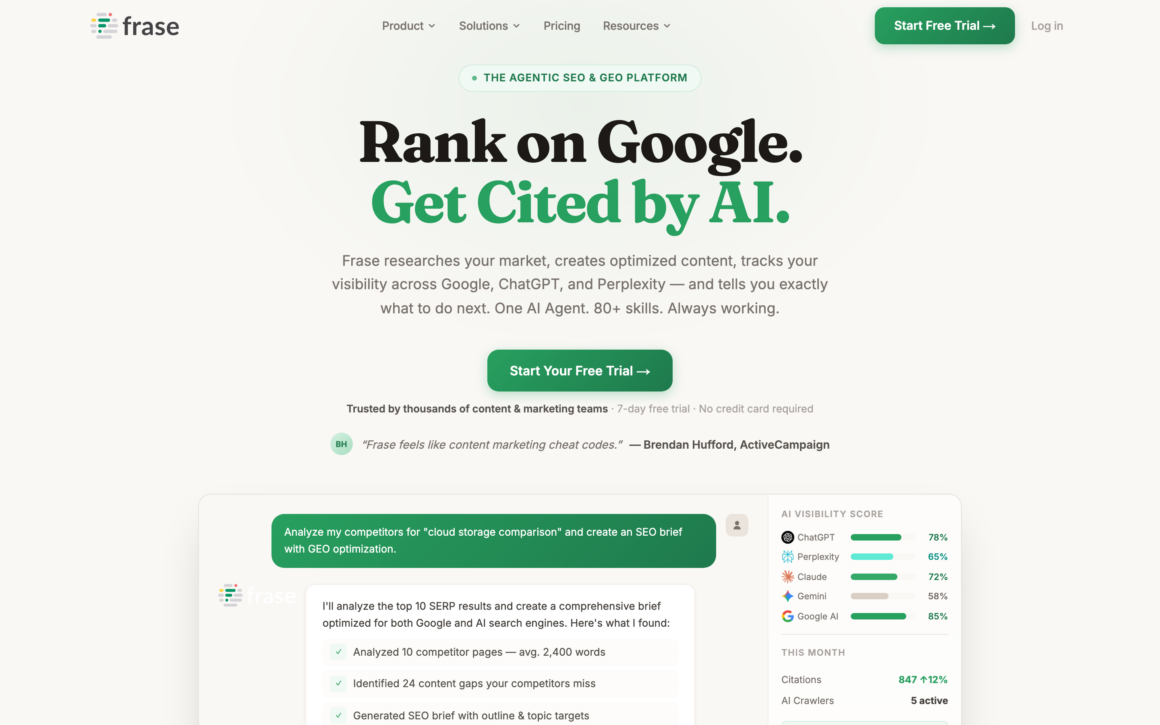
Frase focuses on content briefs and research. Input a target keyword, and Frase analyzes the top 20 ranking articles to generate a comprehensive content brief: suggested headings, word count, key statistics to include, questions to answer, and topics competitors cover. For content teams producing briefs for writers, Frase saves 2-3 hours per brief.
The People Also Ask research aggregates questions from Google PAA boxes, Reddit threads, Quora answers, and ranking articles. This helps content writers cover topics readers actually care about. The AI writing assistant drafts sections based on the research. The SEO scoring grades drafts against top-ranking competitors.
Basic plan $14.99/month (4 content briefs/month). Team plan $114.99/month. Pro Add-on for unlimited AI writing at +$35/month. Cheaper entry point than Surfer for SEO content research, though less deep on content optimization. Best for content teams that need structured briefs for multiple writers.
13. Mangools
Best for: Affordable all-in-one SEO suite with KWFinder, SERPChecker, SERPWatcher, LinkMiner, and SiteProfiler.
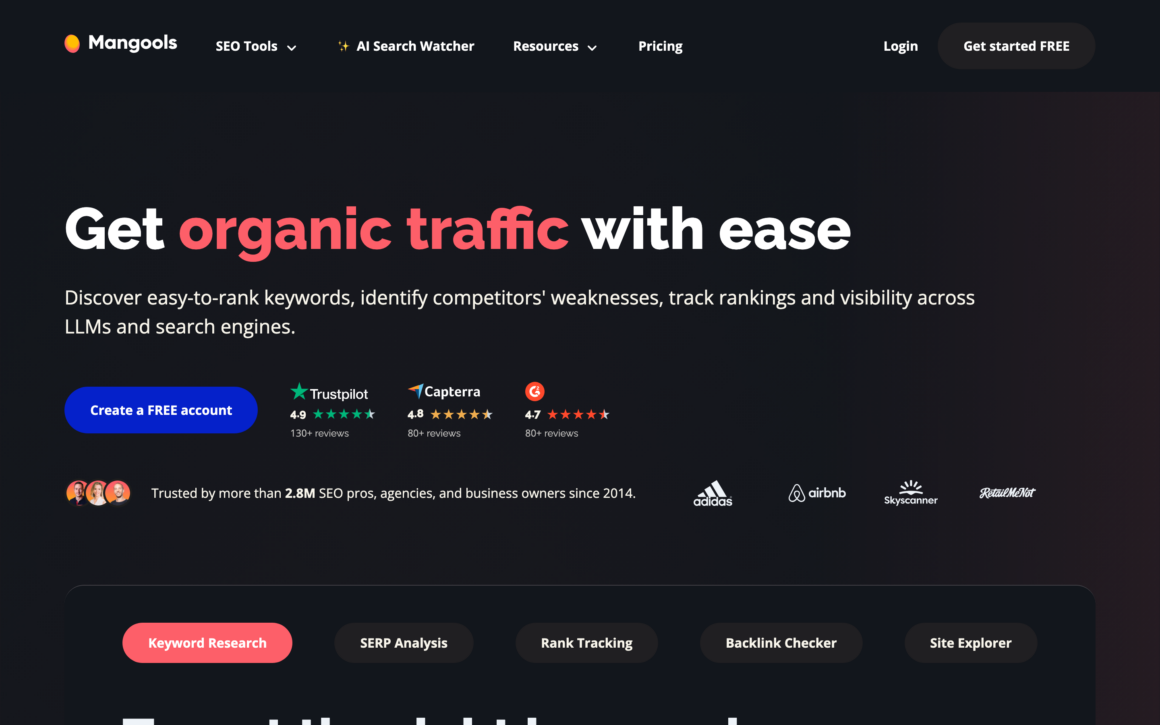
Mangools bundles five SEO tools into one subscription: KWFinder (keyword research), SERPChecker (SERP analysis), SERPWatcher (rank tracking), LinkMiner (backlink checker), and SiteProfiler (competitor analysis). Each tool is designed to be easy to use with clean interfaces and generous free tiers.
KWFinder is Mangools’s star product. Clean keyword research with difficulty scores, SERP overview, and question keywords. For solo bloggers and small agencies, KWFinder handles keyword research better than Ubersuggest and cheaper than Semrush’s Keyword Magic Tool.
Basic plan $29/month ($19/month annual). Premium $44/month ($39/month annual). Agency $79/month ($79/month annual). 10-day free trial. For budget-conscious SEO work, Mangools is the suite that covers every core SEO task at a fraction of Semrush’s price. Not as deep, but enough for 90% of individual site owners.
14. All in One SEO (AIOSEO)
Best for: WordPress sites that want a Yoast alternative with stronger sitemap control and schema markup.
All in One SEO (AIOSEO) is the third major WordPress SEO plugin alongside Rank Math and Yoast. The free version handles XML sitemaps, meta tags, schema markup, social media integration, and robots.txt editor. The Pro versions add rich features like WooCommerce SEO, redirection manager, and advanced schema types.
AIOSEO’s strength is its setup wizard and integration with WPBeginner’s ecosystem. For WordPress sites using other Awesome Motive products (MonsterInsights, OptinMonster, SeedProd), AIOSEO fits naturally. The local SEO features are genuinely competitive with Yoast Local SEO at a lower price.
Basic plan $49.60/year. Plus $99.60/year. Pro $199.60/year. Elite $299.60/year. For new WordPress sites, I still recommend Rank Math over AIOSEO. For Yoast users wanting to migrate away, AIOSEO is a lateral move with comparable features at comparable pricing. Worth testing if Rank Math doesn’t fit your workflow.
15. Serpstat
Best for: SEO professionals wanting Semrush-like features at roughly half the price.
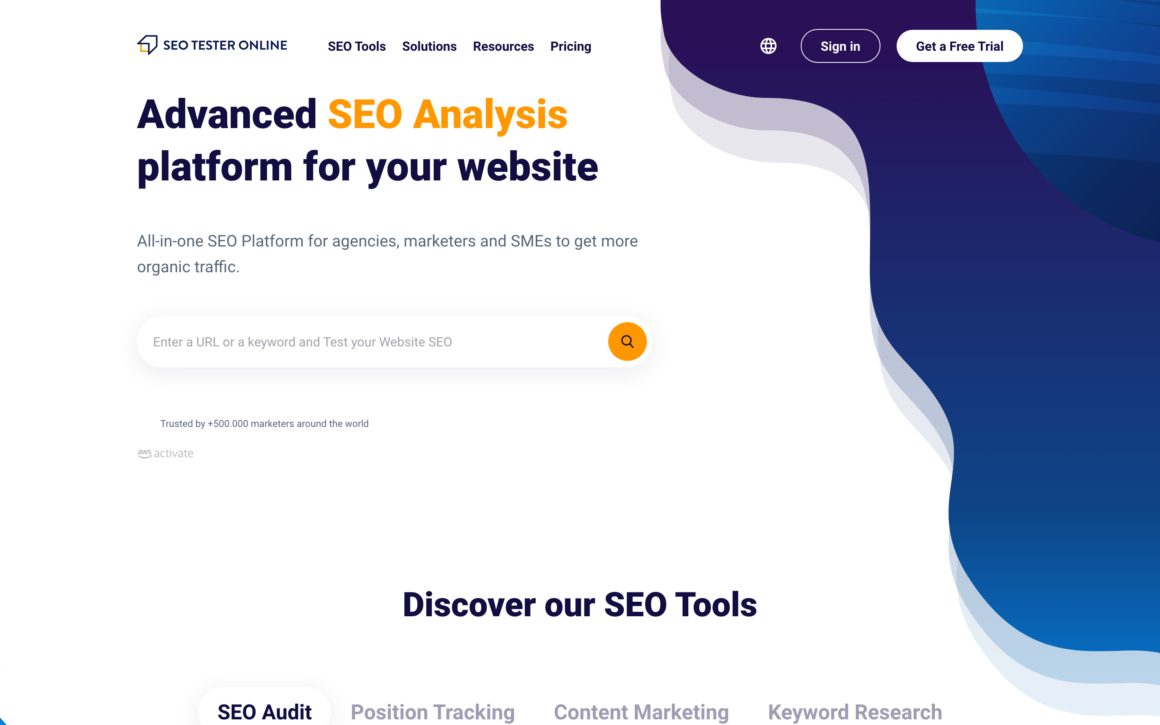
Serpstat is the all-in-one SEO platform built as a cheaper Semrush alternative. Keyword research, competitor analysis, backlink analysis, rank tracking, site audit, and content marketing tools. The database covers 230+ Google regions and 100+ languages. For international SEO work, Serpstat’s regional coverage is competitive with Semrush.
The interface takes longer to learn than Semrush. Data freshness is lower (monthly vs weekly updates on some metrics). But the core SEO features work well and the pricing is significantly cheaper. For agencies managing multiple client sites, Serpstat’s white-label reports and team collaboration features are useful.
Lite plan $69/month. Standard $149/month. Advanced $299/month. Enterprise $499/month. Against Semrush Pro at $139.95/month, Serpstat Lite saves about 50%. For budget-conscious agencies and SEO freelancers, Serpstat delivers 80% of Semrush’s functionality at half the cost.
16. Google Analytics
Best for: Every website. Free, comprehensive, and the industry-standard for tracking website traffic and user behavior.
Google Analytics (GA4) is the free web analytics tool from Google that tracks who visits your site, where they come from, what they do, and whether they convert. Not technically an SEO tool, but essential for measuring SEO success. Organic search traffic, landing page performance, engagement metrics, and conversion tracking all live here.
GA4 replaced Universal Analytics in 2023 and changed how marketers think about web analytics. Event-based tracking instead of session-based. Machine learning predictions. Cross-device tracking. The learning curve is steeper than old GA, but the capabilities are deeper. For SEO, the Landing Pages report shows which pages drive organic traffic and which pages convert.
Free forever with a Google account. GA4 360 (enterprise version) starts at $150,000/year for large sites. For 99.9% of websites, the free version covers everything. Pair with Google Search Console (SEO-focused) and Google Analytics (behavior-focused) for a complete free traffic analytics stack.
17. Bing Webmaster Tools
Best for: Bing search optimization and keyword research directly from Microsoft.
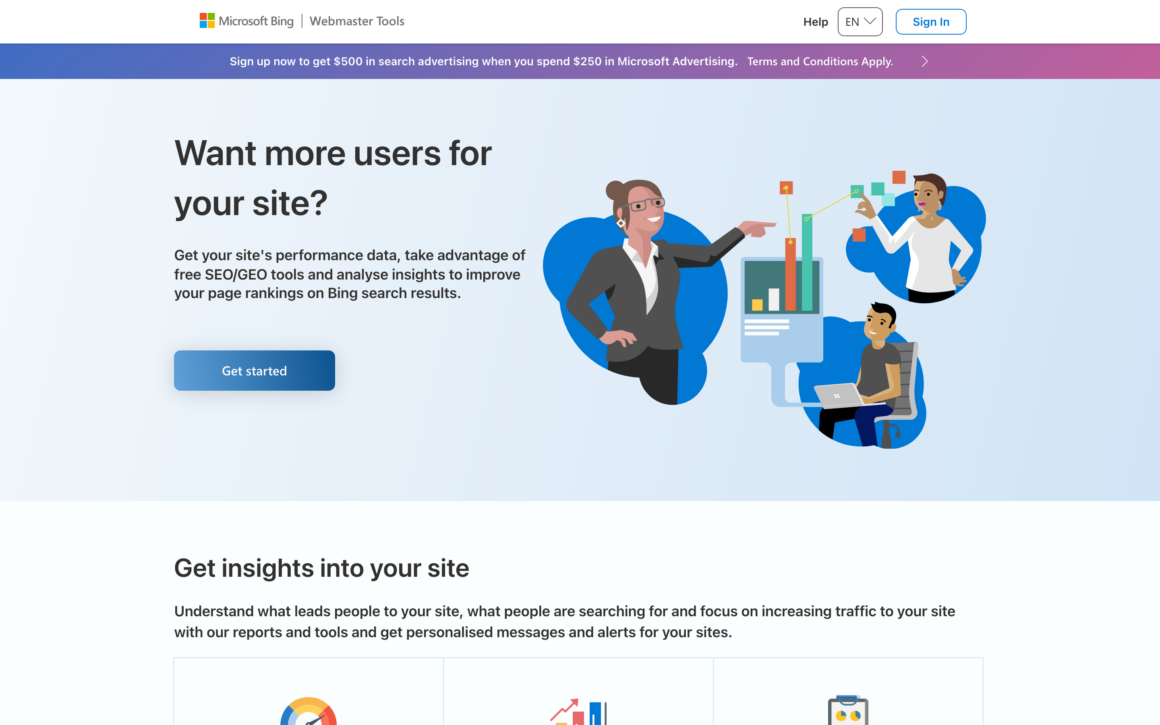
Bing Webmaster Tools is Bing’s equivalent to Google Search Console. For Bing and Yahoo search rankings (Bing powers Yahoo search), this is the authoritative free tool. Most SEOs ignore Bing (it’s 5-10% of search market share), but for sites in finance, health, and business, Bing traffic often converts better than Google traffic.
Bing Webmaster Tools includes a free Keyword Research tool that shows search volumes and related keywords. The Site Explorer shows backlinks to any domain (free alternative to paid tools). The Inbound Links feature shows which domains link to your site. The Crawl Control lets you manage how Bingbot crawls your site.
Verification takes 5 minutes. Submit your sitemap once, and Bing Webmaster collects data automatically. For sites already ranking well on Google, adding Bing Webmaster often reveals 10-20% more traffic opportunities you can capture with minimal extra work. The free keyword research alone is worth the setup time.
The best SEO tools stack for most bloggers in 2026: Rank Math (free WordPress plugin) + Google Search Console (free) + Google Keyword Planner (free) + NeuronWriter ($23/mo) for content optimization. Total monthly cost: $23. Covers 90% of SEO needs. Add Semrush or Ahrefs only when you outgrow this free-first stack.
Specialized SEO Tools by Task
Beyond the 17 all-in-one SEO tools above, specialized tools solve specific SEO problems better than general-purpose platforms. Here’s what to use when you hit particular SEO challenges.
Best Keyword Research Tools
For dedicated keyword research: Ahrefs Keywords Explorer has the largest keyword database. Semrush Keyword Magic Tool offers the best keyword grouping. KWFinder (from Mangools) has the cleanest UI. Google Keyword Planner is free with Google Ads. Keywords Everywhere ($1.45/month for 100K credits) adds free Chrome/Firefox extension volumes. AnswerThePublic finds question-based keywords. For LLM-era SEO research, tools like Otterly.ai and SEOVolume.com track what AI search engines prioritize.
Best Backlink Checker Tools
For backlink analysis: Ahrefs has the largest link index. Semrush Backlink Analytics is a close second with better interface. Moz Link Explorer pioneered Domain Authority. Majestic focuses purely on backlinks with Trust Flow and Citation Flow metrics. Google Search Console shows links Google has discovered to your site (free). For link building outreach, Pitchbox, Respona, and BuzzStream handle the email automation side.
Best Technical SEO Tools
For technical SEO audits: Screaming Frog SEO Spider is the gold standard desktop crawler. Sitebulb ($35/month) provides more visual reports and prioritized issues than Screaming Frog. Google Search Console’s Core Web Vitals report shows real-user performance data (free). PageSpeed Insights tests individual URLs against Core Web Vitals (free). Lighthouse (built into Chrome DevTools) runs local audits. For enterprise sites, DeepCrawl (now Lumar) and OnCrawl handle large-scale crawls.
Best Rank Tracking Tools
For keyword rank monitoring: AccuRanker ($109/month) provides the most accurate daily rank tracking. Semrush Position Tracking is part of the Semrush bundle. SERPWatcher (from Mangools) offers cheaper rank tracking. SE Ranking ($44/month) is a budget Semrush alternative with solid rank tracking. Nightwatch targets agencies with white-label reporting. Most bloggers can skip dedicated rank trackers and use Google Search Console’s average position metric (free).
Best Local SEO Tools
For local business SEO: BrightLocal ($39/month) is the local SEO specialist platform. Semrush Local adds local SEO tools to the Semrush subscription. Moz Local handles citation management. Google Business Profile is the free essential for local SEO (formerly Google My Business). Whitespark specializes in local citations and reviews. For multi-location businesses, Yext and Vendasta handle enterprise local SEO at scale.
Best AI SEO Tools
AI-first SEO tools for 2026: Surfer SEO added Surfer AI for full article generation. NeuronWriter uses AI for semantic content optimization. Frase specializes in AI content briefs. Jasper and Copy.ai target marketing copy. Claude and ChatGPT (free tiers) write SEO content when prompted correctly. RankIQ is specifically built for bloggers with AI-curated low-competition keywords. For AI search optimization (appearing in ChatGPT, Perplexity, Google AI Overviews), tools like Otterly.ai and AthenaHQ track generative engine mentions. Also see the best AI grammar checkers for content polish.
Best On-Page SEO Tools
For on-page SEO optimization: Rank Math and Yoast SEO handle WordPress on-page basics. Surfer SEO and NeuronWriter score content against top-ranking competitors. Clearscope ($170/month) is the enterprise content optimization tool used by larger teams. MarketMuse ($149/month) focuses on topical authority and content briefs. Page Optimizer Pro ($23/month) is another affordable Surfer alternative. For schema markup specifically, Rank Math’s free plugin beats most paid schema generators.
Best WordPress SEO Plugins
For WordPress-specific SEO: Rank Math leads on features in free version. Yoast SEO leads on popularity and ecosystem. AIOSEO is the third major option. SEOPress ($59/year) is a European alternative with clean interface. The SEO Framework (free, FOSS) is the lightweight option for developers. Slim SEO is another lightweight option. For WooCommerce SEO specifically, Rank Math Pro includes WooCommerce schema. For schema-only needs, Schema Pro ($79/year) from Brainstorm Force works with any SEO plugin.
SEO Tool Stacks by Budget
Here are recommended SEO tool combinations based on budget and situation.
Free SEO Stack ($0/month)
Google Search Console + Google Analytics + Google Keyword Planner + Bing Webmaster Tools + Rank Math (free WordPress plugin) + Screaming Frog (free 500 URLs). Covers keyword research, technical SEO, on-page SEO, and analytics for $0/month. Good enough for new bloggers and small business sites.
Budget SEO Stack ($25-50/month)
Free stack above + NeuronWriter ($23/month) + Mangools Basic ($29/month) = $52/month. Adds content optimization and solid keyword research. Good for solo bloggers and small business owners ready to invest in SEO.
Serious SEO Stack ($150-200/month)
Semrush Pro ($139.95/month) + Surfer SEO Essential ($89/month) + Screaming Frog ($259/year) + Rank Math Pro ($79/year) = ~$240/month. Complete professional stack for content agencies and serious bloggers.
Agency SEO Stack ($400-600/month)
Semrush Guru ($249.95/month) + Ahrefs Standard ($249/month) + Screaming Frog + Rank Math Pro + Surfer Advanced ($179/month) = ~$680/month. For SEO agencies managing multiple client sites, this stack covers every SEO task without gaps.
Which SEO Tool Should You Pick?
Match the tool to what you need. Here’s the honest recommendation by situation.
Complete beginner, zero budget: Google Search Console + Google Keyword Planner + Rank Math (free). Master these before paying for anything.
Solo blogger on a budget: Rank Math Pro + NeuronWriter + Ubersuggest. Under $60/month total.
Small business with local focus: Google Business Profile + BrightLocal + Rank Math. Covers local SEO completely.
Content-focused SEO: Surfer SEO or NeuronWriter for content optimization. Semrush or Ahrefs for keyword research. Rank Math for WordPress on-page.
Technical SEO work: Screaming Frog + Google Search Console + Sitebulb. Enterprise sites add DeepCrawl.
SEO agency: Semrush Guru + Ahrefs Standard + Screaming Frog + Surfer. Standard agency stack.
AI-first SEO approach: NeuronWriter + Surfer AI + Claude/ChatGPT + Google Search Console. The 2026 content workflow for ranking with AI.
Don’t buy every SEO tool. Start with the free tools and add paid ones only when you’ve hit specific limits. Most bloggers overbuy tools before they have traffic. The best SEO tool is the one you’ll actually use daily. Launch, publish, measure with free tools, then add paid tools to solve specific problems.
Quick poll: Which paid SEO tool do you actually pay for?
Frequently Asked Questions
What is the best free SEO tool?
Google Search Console is the best free SEO tool. It’s Google’s own tool showing which queries bring traffic to your site, indexing status, Core Web Vitals, and click-through rates directly from Google’s data. For keyword research, Google Keyword Planner is free with a Google Ads account. For WordPress on-page SEO, Rank Math has a generous free version with schema markup and keyword tracking. For technical SEO audits, Screaming Frog SEO Spider is free up to 500 URLs. Together these free tools cover 80% of what paid SEO tools offer.
Semrush vs Ahrefs: which is better?
Semrush wins on breadth with 60+ integrated SEO and marketing tools. Ahrefs wins on backlink data depth and interface polish. For SEO agencies doing competitive analysis, Semrush is the default. For link-building-focused SEO and cleaner UX, Ahrefs wins. Most serious SEOs use both. Semrush Pro is $139.95/month. Ahrefs Lite is $129/month. Start with Semrush if you need the most features. Start with Ahrefs if backlink analysis is your primary goal. For beginners, either works but Semrush has more integrated tools to grow into.
What is the best SEO plugin for WordPress?
Rank Math is the best WordPress SEO plugin in 2026. The free version includes features that Yoast charges for: schema markup, multiple focus keywords, 404 monitor, redirections, and Google Search Console integration. Rank Math Pro at $79.95/year is cheaper than Yoast Premium at $99/year. Yoast is still the most popular plugin with 5+ million installs. AIOSEO is the third major option. For new WordPress sites, install Rank Math free first. For existing Yoast sites, migration isn’t urgent unless you’re paying for Yoast Premium.
What is the best keyword research tool?
Ahrefs Keywords Explorer has the largest keyword database with the most accurate search volume estimates. Semrush Keyword Magic Tool is the closest competitor with better keyword grouping. KWFinder (Mangools) offers the cleanest interface at a cheaper price. For free keyword research, Google Keyword Planner provides official Google data (broad ranges without active ad spend). Ubersuggest offers affordable keyword research at $29/month. For most professional SEO work, Ahrefs or Semrush is the default. For solo bloggers, KWFinder or Ubersuggest save significantly.
What is the best backlink checker?
Ahrefs has the most comprehensive backlink index and is the standard for backlink analysis. Semrush Backlink Analytics is a close second with similar depth at a similar price. Moz Link Explorer pioneered Domain Authority but has fallen behind on data freshness. Majestic specializes in backlinks with Trust Flow and Citation Flow metrics. For free backlink checking, Google Search Console shows links Google has discovered to your own site, and Ahrefs Webmaster Tools (free for verified owners) provides Ahrefs data for sites you own. For link-building professionals, Ahrefs remains the industry standard.
How much do SEO tools cost?
SEO tool costs range from free to $500+/month. Free tools: Google Search Console, Google Keyword Planner, Google Analytics, Bing Webmaster Tools, Ubersuggest free tier. Affordable paid tools ($25-$50/month): Ubersuggest, Mangools, NeuronWriter, Frase. Mid-range paid tools ($90-$200/month): Moz Pro, Surfer SEO, Serpstat, Mangools Premium. Enterprise SEO platforms ($130-$500/month): Semrush Pro or Guru, Ahrefs Lite or Standard. For WordPress plugins, Rank Math Pro ($79.95/year) or Yoast Premium ($99/year) are essential additions to any budget.
What is the best AI SEO tool?
NeuronWriter is the best AI content SEO tool for solo bloggers and small teams at $23/month. Surfer SEO offers the most polished AI content optimization at $89/month with Surfer AI for full article generation. Frase specializes in AI content briefs starting at $14.99/month. For general-purpose AI writing help, Claude and ChatGPT (both with free tiers) handle SEO content when prompted correctly. RankIQ targets bloggers specifically with AI-curated low-competition keywords. For AI search optimization (appearing in ChatGPT, Perplexity, Google AI Overviews), Otterly.ai and AthenaHQ track generative engine mentions. The AI SEO category is evolving fast.
What is the best technical SEO tool?
Screaming Frog SEO Spider is the gold standard for technical SEO audits. Free up to 500 URLs, $259/year for unlimited. Sitebulb ($35/month) provides more visual reports and prioritized issues. Google Search Console covers Core Web Vitals, indexing, and mobile usability for free. For PageSpeed analysis specifically, Google PageSpeed Insights and Lighthouse (Chrome DevTools) are free. Semrush Site Audit and Ahrefs Site Audit are included in their platform subscriptions. For enterprise sites with millions of URLs, DeepCrawl (Lumar) and OnCrawl handle large-scale crawls professionally.
Do I need paid SEO tools?
No, not initially. For new sites and small blogs, free tools (Google Search Console, Google Keyword Planner, Rank Math, Google Analytics, Bing Webmaster Tools, Screaming Frog free) cover 80% of SEO work. Upgrade to paid tools only when you hit specific limits: competitive research needs (upgrade to Semrush or Ahrefs), large site crawling (upgrade to Screaming Frog Pro), content optimization at scale (upgrade to Surfer or NeuronWriter), multiple client sites (upgrade to agency-tier tools). Most successful sites start with free tools and scale up as revenue grows.
What SEO tools do experts use?
Most SEO experts use 4-6 tools in combination. Standard expert stack: Semrush OR Ahrefs (all-in-one competitive research), Screaming Frog (technical audits), Google Search Console (Google data source of truth), Rank Math or Yoast (WordPress on-page), Surfer SEO or NeuronWriter (content optimization), and Google Analytics (traffic measurement). SEO agencies typically add AccuRanker for rank tracking and Pitchbox for link building outreach. AI-first SEO workflows include Claude or ChatGPT for content research. The exact stack varies by specialty but these core tools appear in most professional SEO workflows.
Tell Google you want more of this.
Add Gaurav Tiwari as a preferred sourceOne tap, and this site shows up more often in your own Top Stories, AI Overviews and AI Mode. Remove it any time.
Disclaimer: This site is reader-supported. If you buy through some links, I may earn a small commission at no extra cost to you. I only recommend tools I trust and would use myself. Your support helps keep gauravtiwari.org free and focused on real-world advice. Thanks. - Gaurav Tiwari