
Copywriting & Marketing Wisdom · Kindle & Paperback
Link building isn’t complicated. It’s just tedious, and nobody says that.
Most link building material pads a handful of workable methods into three hundred pages of theory. The methods themselves fit in forty-two, and what takes time is doing them, not learning them.
Kindle and paperback · 42 pages · published 28 February 2025 · free to read on Kindle Unlimited · Amazon shows the price before you buy
Read it on:
Why it’s short
The tactics are few. The work is the hard part.
There are maybe six link acquisition methods that reliably work for an independent site. You can describe all of them properly in about forty pages. What you cannot do in any number of pages is the outreach, and that’s the part people are actually avoiding when they buy another book.
What most link building advice does
the default- Names dead platforms. HARO closed. Guides written around it still tell you to sign up.
- Sells volume outreach. Hundreds of identical emails, a rounding-error response rate, and a damaged domain.
- Confuses metrics with value. Chasing a domain authority number rather than a link that sends anyone.
- Buries the method in theory. Forty pages on why links matter before a single actionable step.
- Ignores what gets you penalized. Tactics presented without the risk attached to them.
- Never mentions the effort. The honest cost of outreach is left out because it doesn’t sell.
What this guide does
42 pages- Journalist outreach, post-HARO. The method HARO served, described in terms of what replaced it.
- Guest posting done properly. Where it still works, where it’s a waste, and what a real pitch looks like.
- Broken link building. A step-by-step method that scales with patience rather than with budget.
- Digital PR. Building something worth citing, which is the only link strategy that compounds.
- Risk stated. What can get you penalized, said plainly rather than left implied.
- No padding. You’ll finish it in an evening and start on Saturday.
What’s inside
Four working methods, plus what to avoid.
Traditional methods that still work and the newer outreach patterns that replaced the ones which died. It’s organized by method, so you can read the one you’re going to use.
Foundations
- Why links still move rankings
- What a link is actually worth
- Metrics worth watching, and metrics to ignore
Guest posting
- Where it still works, and where it’s a waste
- Finding sites worth writing for
- The pitch, and what makes an editor say no
Broken link building
- Finding broken links at scale
- Building the replacement
- The outreach message, and follow-up without pestering
Journalist outreach
- What replaced HARO
- Writing a quotable response
- Timing, speed, and building a source reputation
Digital PR
- Creating something worth citing
- Data and original research
- Pitching a story rather than a link
Risk
- Tactics that get sites penalized
- Paid links and what actually happens
- Sustainable versus fast
42 pages, organized by method. Read the whole thing in an evening, then work the one that fits your site.
Before you spend anything else
Getting links is not complicated. And most of the spend around it, you don’t need.
Four things people buy instead of doing the outreach.
You don’t need an expensive SEO suite
The methods here need a way to find broken pages and a way to send email. The premium tooling makes it faster, not possible.
You don’t need to buy links
The risk chapter covers what actually happens when you do. The short version is that it works until it doesn’t, and then it really doesn’t.
You don’t need an agency yet
Everything in here is doable by one person on a few hours a week. Hire out when the volume justifies it, not before.
You don’t need HARO
It shut down. The tactic it served is still available, and the journalist outreach chapter covers what replaced it.
Get the book
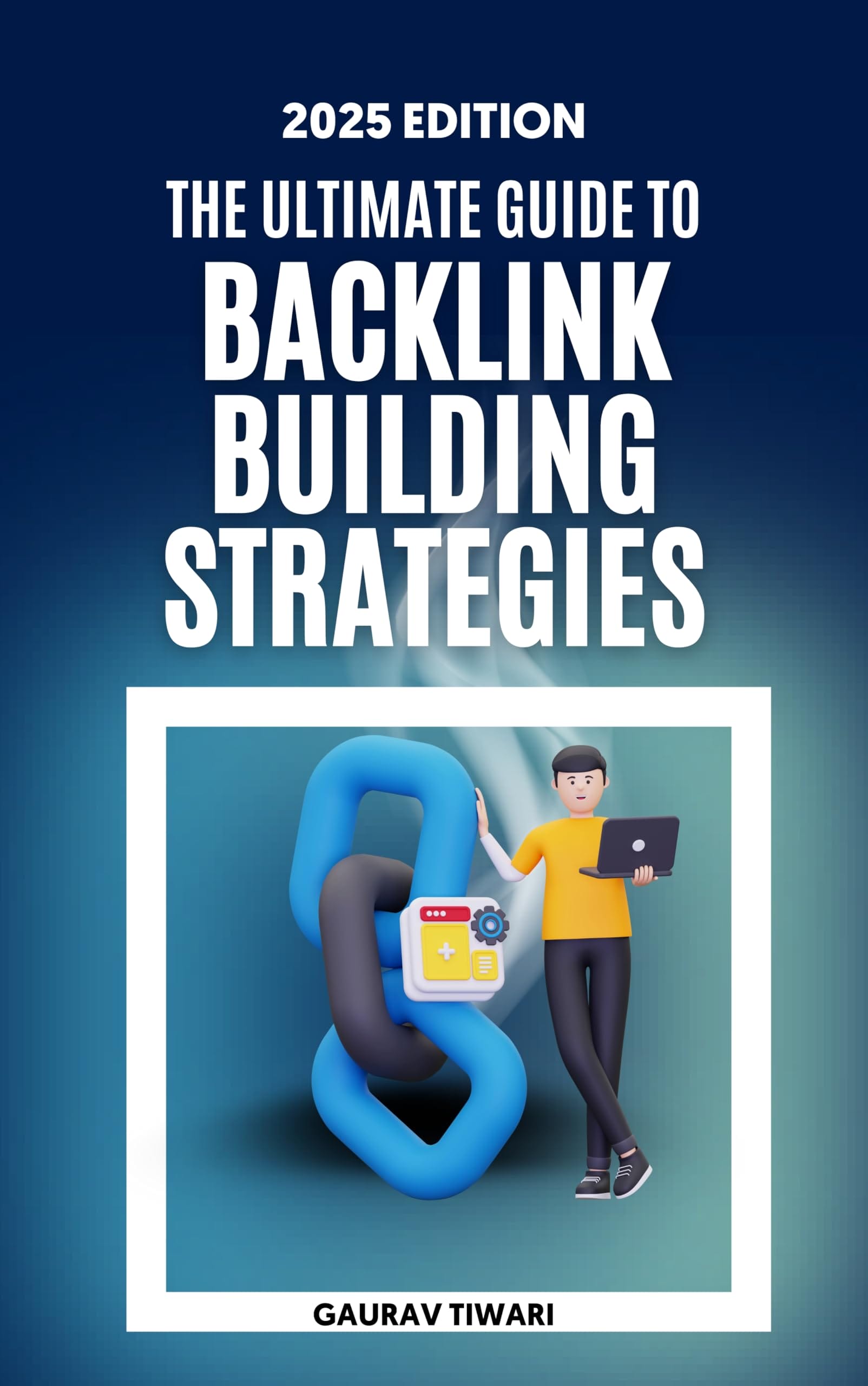
Ultimate Guide to Backlink Building Strategies
Free on Kindle Unlimited
Kindle and paperback · 42 pages · published 28 February 2025 · Amazon shows the current price before you buy
- Pitch a guest post to an editor without sounding like the forty other pitches that morning
- Find broken links worth replacing and build something that deserves the slot
- Respond to a journalist request fast enough and quotably enough to get used
- Build a digital PR asset that earns citations without you asking for them
- Tell the difference between a link that helps and a number that flatters
- Recognize the tactics that put a site at risk before you’ve spent money on them
Most link building books pad the same handful of methods into three hundred pages of theory. This is the 42-page version: the step, the shape of the pitch, and what usually goes wrong, without the persuasion that links matter. Page count, formats, and Kindle Unlimited status checked on Amazon, July 27, 2026.
Payment and delivery happen on Amazon. These are affiliate links, so I earn a small commission at no extra cost to you.
How to actually use it
The value is in what you do the following week.
1. Read it in an evening
Forty-two pages. Read the whole thing before you pick a method, so you know what you’re choosing between.
You leave with: a map of what actually works.2. Pick one method
Choose the one that fits your site and the time you actually have, rather than running all four badly.
You leave with: one method and a weekly slot.3. Build the target list
Find the sites, the broken pages, or the journalist requests worth your time.
You leave with: a list you can work through.4. Send, follow up, log
Do the outreach on a schedule and track what lands, so the next round is better aimed.
You leave with: a repeatable routine.Questions readers ask
Buying Questions
A short book on a subject everyone writes doorstops about?
Yes. There are maybe six link acquisition methods that reliably work for an independent site, and you can describe all of them properly in about forty pages. The work is the hard part, and no page count supplies that.
Is it up to date?
It’s a 2025 edition, published 28 February 2025. The methods still work, but platforms, tools, and outreach norms drift, so check anything platform-specific before you act on it.
What about HARO?
It shut down and took a whole tactic’s platform with it. The method survived, and the journalist outreach chapter covers what replaced it. Most guides written around HARO were never updated.
Do I need paid SEO tools first?
No. The methods need a way to find broken pages and a way to send email. Premium tooling makes the finding faster, not possible.
Will it get me links by itself?
No. The methods are simple and the work is repetitive. What separates people who build links from people who read about building links is a couple of hours a week for several months.
Who is it NOT for?
Anyone who wants a comprehensive treatment with case studies and screenshots. This is a working reference: the step, the shape of the pitch, and what usually goes wrong.
What I’m not going to claim
Let me be blunt about the size. This is 42 pages. It’s a working reference, not a comprehensive treatment, and if you want a doorstop with case studies and screenshots this is the wrong purchase. The title says Ultimate Guide because that’s the phrase people search for, and the book is shorter than that phrase implies.
It’s also a 2025 edition, published on 28 February 2025. Link building moves. The methods in here still work, but specific platforms, tools, and outreach norms drift, and you should check anything platform-specific before you act on it.
And it will not get you links by itself. The methods are simple and the work is repetitive. What separates people who build links from people who read about building links is a couple of hours a week for several months, which no book can supply.

Hey, I’m Gaurav 👋
I bought a 300-page link building book once and found about eleven pages of method in it. The rest was persuasion that link building matters, aimed at someone who had already paid for a book about link building. That annoyed me enough to write a short one, and the outreach patterns in here are ones I’ve sent, not ones collected from other people’s blog posts.
The numbers, since you probably won’t read a full bio:
- 18 years building on the web, and a WordPress core contributor
- 2,000+ articles published since 2008
- 850+ clients, where this outreach work was done on real properties, mine and theirs
Want links in the context of a whole revenue system rather than as a standalone tactic? The Affiliate Bloggers System has the fuller SEO section.
Read it this evening
Start the outreach on Saturday.
Forty-two pages, one evening. Pick one method, build the target list, and send the first pitches this weekend.
Kindle and paperback · free to read on Kindle Unlimited · price shown on Amazon before you buy