
How Plixi Influences Content Strategy and Posting Frequency
Most brands treat Instagram growth and content strategy as two separate conversations. The marketing team plans posts in one meeting, then worries about follower counts in another. I’ve watched this disconnect play out across dozens of client projects over the years, and it almost always leads to the same problem: reactive posting, inconsistent messaging, and creative teams that burn out trying to keep up with an unpredictable algorithm.
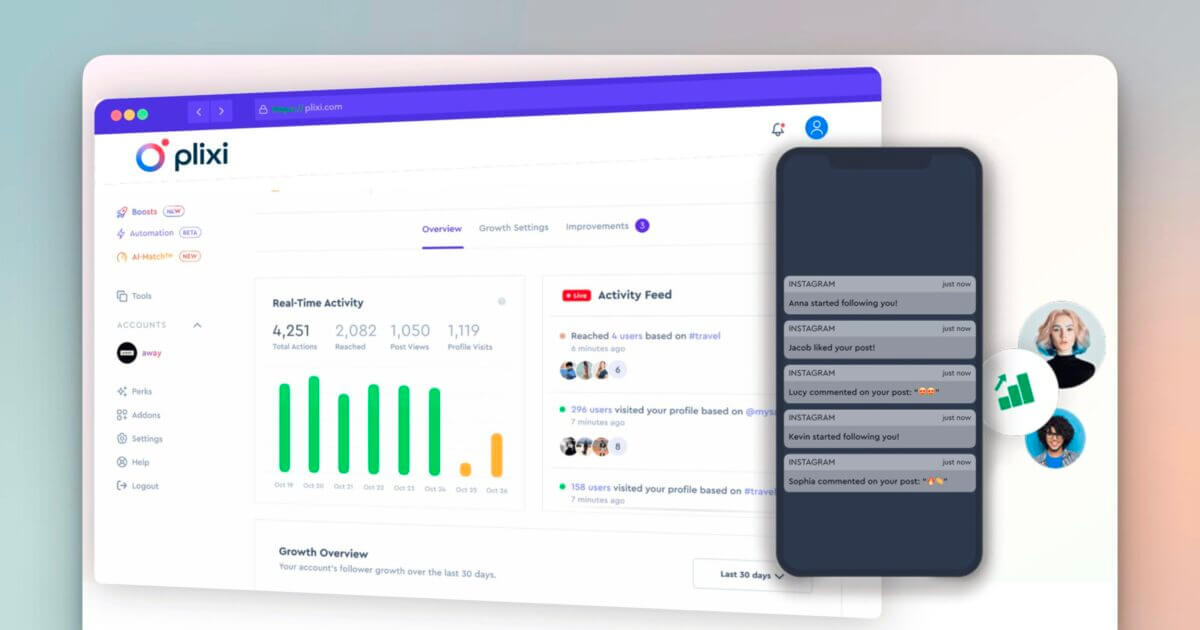
The reality is that audience growth directly shapes what you post, when you post it, and how confidently your team can plan content weeks in advance. When follower acquisition is erratic, everything downstream suffers. When it’s stable and targeted, content strategy gets room to breathe. That’s the core argument for tools like Plixi, an AI-powered Instagram growth service that automates audience targeting based on interests, competitor communities, and niche parameters.
I’m not saying growth tools replace good content. They don’t. But the relationship between who follows you and what you publish is more intertwined than most marketers admit. Here’s how that plays out in practice.
Audience Clarity Shapes the Direction of Content
When brands set out to get real Instagram followers, the first thing that changes isn’t the follower count. It’s the editorial confidence. Knowing exactly who you’re attracting gives content teams permission to go specific instead of staying broad.
Plixi lets users configure targeting based on interests, hashtags, and competitor communities. That targeting data becomes a content brief in disguise. If your growth parameters center on fitness enthusiasts who follow gym-related accounts, your content team doesn’t need to guess whether workout breakdowns or nutrition tips will resonate. The audience profile tells them.
Without that clarity, most teams default to safe, generic content. They publish a mix of everything, hoping something sticks. I’ve seen this pattern repeatedly when helping businesses promote themselves on Instagram. The brands that know their audience create focused content. The ones that don’t create noise.
The practical difference is measurable. Defined audience parameters reduce the number of content revisions, speed up approval cycles, and give designers a clearer creative direction. Instead of debating whether a post “feels right,” teams can evaluate whether it serves the audience they’re actively building.
Growth Rhythm Directly Impacts Posting Frequency
When follower growth feels inconsistent, the instinct is to post more. More Reels, more Stories, more carousels. The logic seems sound: more visibility should mean more growth. In practice, it usually means stretched creative resources and weaker individual posts.
Plixi changes this equation because audience targeting runs independently of content output. Growth doesn’t depend entirely on how many posts you publish in a given week. That decoupling is significant. It means strategists can evaluate engagement patterns without assuming that a dip in posting volume automatically causes a dip in growth.
The practical result? Teams can experiment with cadence. Some brands discover that three strong posts per week outperform five mediocre ones. Others find that alternating between carousels and educational Reels twice a week produces better engagement than daily posting. When growth pressure lifts, frequency becomes a strategic lever instead of a panic response.
This matters especially for small teams. Designers and writers get breathing room to create thoughtful, longer-form content instead of filling gaps on a calendar. I’ve written about why this kind of intentional content strategy consistently outperforms volume-based approaches, and the principle applies directly to Instagram.
Posting frequency should follow your content quality, not the other way around. When audience growth is handled separately through targeting tools, your team can focus on creating fewer, better posts instead of chasing volume.
Targeted Growth Encourages Niche Content
Here’s something I’ve noticed across years of content work: the more specific your audience, the more permission you have to go deep on niche topics. Broad audiences force broad content. Targeted audiences let you specialize.
If an eco-friendly fashion brand uses Plixi to target sustainability-focused communities, their content team can confidently publish detailed posts about fabric sourcing, supply chain transparency, and carbon footprint comparisons. Those topics would feel too niche for a general audience. For an intentionally targeted one, they’re exactly right.
This alignment between acquisition and content is often overlooked. Audience-content fit matters as much on Instagram as it does in broader social media strategy. When the people following you actually care about your niche, engagement rates climb naturally. Comments become more substantive. Shares increase because the content genuinely resonates rather than just filling space.
Plixi facilitates this by allowing audience parameters to mirror thematic interests. The targeting criteria and the content calendar can share the same strategic foundation, which is how the strongest Instagram accounts operate regardless of their size.
Stability Strengthens Editorial Planning
Editorial calendars thrive on predictability. When growth depends heavily on chasing trends, teams frequently scrap planned content mid-cycle. This disrupts narrative flow, wastes creative effort, and weakens long-term campaigns before they’ve had time to build momentum.
Automated targeting introduces a more stable foundation. Plixi doesn’t determine content themes, but it reduces the pressure to pivot constantly. Marketing teams can outline monthly content arcs, plan seasonal campaigns, and sequence educational series across multiple weeks without the anxiety that a single slow week will derail everything.
This stability also improves cross-channel coordination. When Instagram content follows a predictable schedule, it integrates more cleanly with email campaigns, paid social, and influencer partnerships. I’ve seen too many teams where the Instagram calendar operates in isolation, reacting to daily metrics instead of contributing to a unified social media strategy.
The long-term benefit is that team conversations shift from “what should we post today?” to “how is our quarterly content performing?” That’s a meaningful upgrade in strategic maturity.
Brand Voice Becomes More Consistent Over Time
Growth volatility pushes brands toward trend-chasing. When follower counts stall, the temptation is to jump on whatever format or audio clip is trending that week. The result is a fragmented brand identity where tone, visual style, and messaging shift constantly.
When acquisition is structured through configured targeting, there’s less incentive to alter voice abruptly. Plixi allows brands to focus on communicating with a defined audience segment rather than performing for the algorithm. Voice consistency becomes easier to maintain because you’re not desperately trying to appeal to everyone.
For brand managers, this matters more than most metrics. A stable, recognizable tone builds trust and recognition over time. Teams spend less time debating whether to pivot messaging based on last week’s engagement dip and more time refining the narrative they’ve committed to. That kind of brand consistency compounds in ways that are hard to measure week-to-week but obvious over a year.
Practical Tips for Using Growth Tools Alongside Content Strategy
If you’re considering a tool like Plixi alongside your content planning, here are a few things I’d recommend based on what I’ve seen work across different brands and niches.
First, align your targeting parameters with your content pillars. If your content strategy centers on three or four core themes, make sure your audience targeting reflects those same interests. Misalignment here creates a disconnect where your followers don’t engage with what you’re actually posting.
Second, use the reduced posting pressure to invest in content quality. If you’re no longer posting five times a week out of desperation, use those extra creative hours to produce content that genuinely stands out. Better photography, more thoughtful captions, higher-production Reels.
Third, review your analytics monthly rather than daily. When audience growth is automated, daily follower counts become less important than monthly engagement trends. This mindset shift alone can save your team from reactive decision-making. Having the right content marketing tools in your stack helps with this kind of analysis.
And finally, don’t forget the fundamentals. Growth tools amplify what’s already working, but they can’t fix bad content, inconsistent branding, or a confused value proposition. Make sure your link in bio drives real action, your profile is optimized, and your content actually serves the audience you’re building.
The Bottom Line
Plixi influences content strategy not by dictating creativity but by shaping the environment in which creativity operates. When audience growth is stable and targeted, posting frequency becomes more deliberate. Editorial themes become more focused. Brand voice gets room to develop rather than being pulled in every trending direction.
For content strategists and brand managers, that structural influence reduces noise and supports a more disciplined approach to Instagram marketing. The teams that get the best results are the ones that treat growth and content as connected systems, not separate departments.
Frequently Asked Questions
Does using an Instagram growth tool replace the need for good content?
No. Growth tools like Plixi handle audience targeting and follower acquisition, but they can’t fix weak content. Think of them as complementary. Targeted growth brings the right people to your profile. Strong content keeps them engaged and converts them into customers or fans. You need both working together.
How does audience targeting affect what I should post on Instagram?
When you know exactly who your followers are based on interests, competitor communities, and niche parameters, you can create more specific and relevant content. Instead of posting generic content that tries to appeal to everyone, you can go deep on topics your targeted audience actually cares about. This typically leads to higher engagement rates and better conversions.
How often should I post on Instagram if I’m using a growth tool?
There is no universal answer, but the key advantage of using a growth tool is that you can reduce posting frequency without sacrificing growth. Many brands find that three to four high-quality posts per week outperform daily posting of mediocre content. Test different cadences, monitor engagement trends monthly, and let the data guide your schedule rather than posting out of anxiety.
Can automated Instagram growth tools hurt my account?
The risk depends on the tool and its methods. Services like Plixi that focus on organic targeting based on interests and competitor communities operate differently from bots that spam follow and unfollow. Always verify that any growth tool complies with Instagram’s terms of service, uses gradual targeting approaches, and delivers real followers rather than fake accounts.