
Zipchat AI Review: Is This e-Commerce Sales Chat Worth It?
Most e-commerce AI chat tools are decorative. They add a cute bubble, promise instant conversions, and then sit there answering two questions a day while your store owner brain pretends something smart is happening. I’ve worked on enough WooCommerce and Shopify stores, support setups, and conversion problems to know the pattern. A month later, the widget is either ignored or has turned into a glorified “where is my order?” box that nobody wants to manage.
The only chat tools worth paying for do one of two things. They reduce support load hard, or they recover sales that would have died without intervention. Zipchat is clearly trying to be the second kind, which is why I paid attention… and why I bothered to look past the usual AI hype. I haven’t deployed Zipchat on one of my own stores yet, so I’m not going to fake a “here’s my dashboard config” section.
This Zipchat AI review is based on the stuff that actually matters before you buy all checked and correct as on March 25, 2026.
My short take is simple. Zipchat looks stronger than the average AI chat app because it’s built around e-commerce sales intent, proactive prompts, product recommendations, and revenue tracking. The catch is pricing once the lucrative AppSumo deal gets over, and that part deserves a much harder look than most reviews will give it. If your store gets meaningful chat volume, the wrong plan gets expensive fast.
What Zipchat AI Actually Does
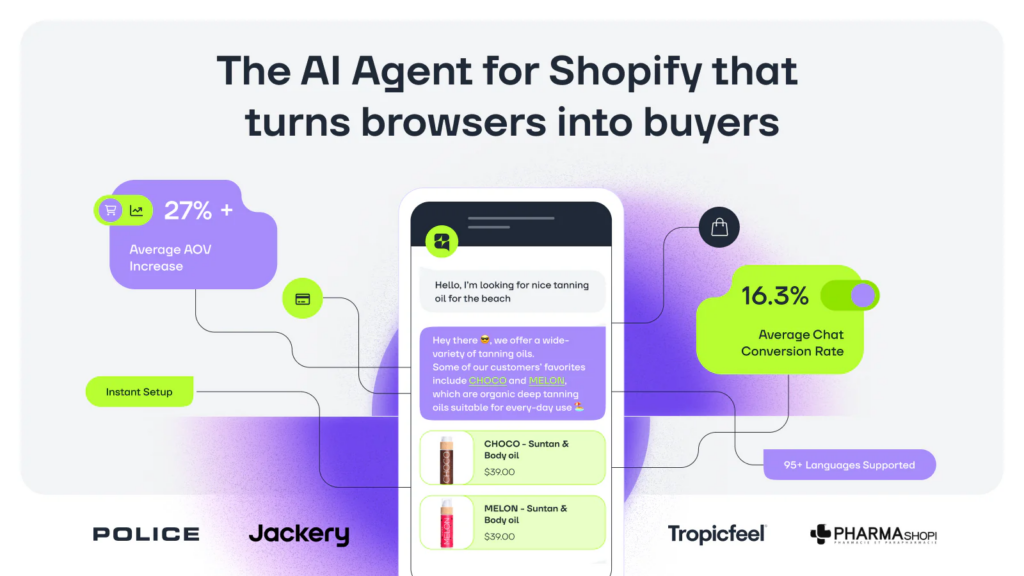
Zipchat is an AI sales and support chat tool for e-commerce stores. It sits on your site, answers pre-purchase and post-purchase questions, recommends products, handles order-related questions, and can push conversations toward a sale instead of waiting for the shopper to open the widget on their own. That last part matters more than the marketing copy. A lot of tools in this category are support-first, while Zipchat is very obviously sales-first.
The product messaging, docs, and Shopify app positioning all revolve around converting hesitant shoppers, recovering lost revenue, and giving smaller commerce teams a 24/7 front-line rep. It also looks more serious than the usual “ChatGPT wrapper for your FAQ page” pitch. The docs cover things like AI corrections, order status handling, sales tracking, email forwarding, proactive campaigns, and WhatsApp-related workflows. That tells me the team is thinking about real store operations, not just a homepage demo.
If I had to explain Zipchat in one sentence, I’d put it like this:
ZipChat is a conversion-focused AI chat layer for e-commerce stores that want more than canned support replies. That sounds simple, but it’s a useful distinction. Plenty of chat tools can answer. Far fewer are designed to sell.
Why Zipchat Caught My Attention
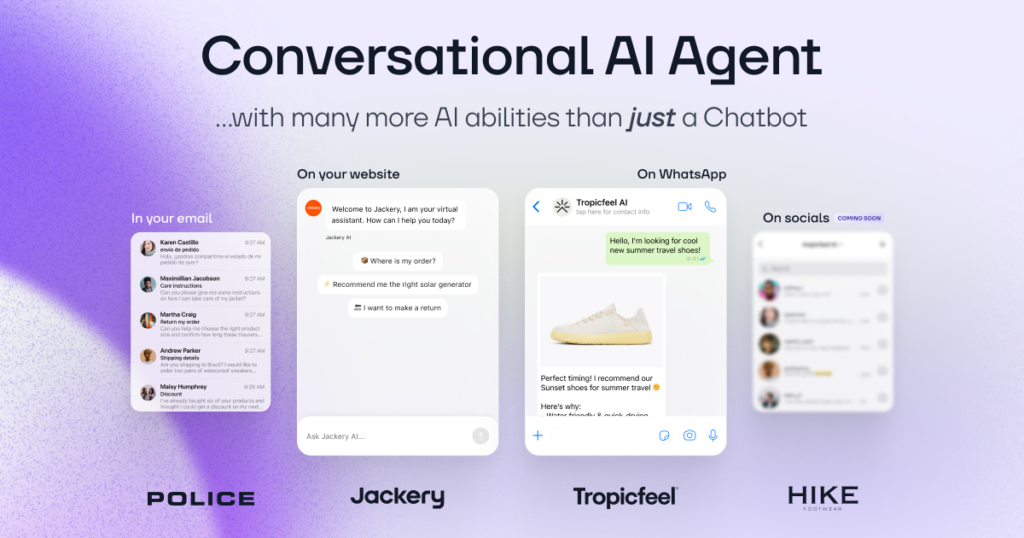
I don’t get excited by AI chat because AI is hot. That phase passed a while ago, and a lot of people are still selling reheated demos as if they were businesses. Most tools in this category still fail the most basic test: will this make you money or save enough time to justify the bill? Zipchat came onto my radar because it seemed to be addressing a real commercial problem rather than trying to impress me with synthetic enthusiasm.
The first reason was proof. The Shopify App Store listing is stronger than what most younger AI tools can show, and when I checked it, Zipchat was sitting at roughly 4.9 stars with more than 240 reviews. That doesn’t make it automatically good, but it does mean real merchants are using it at volume. A product with that kind of marketplace footprint is worth a closer look, especially if you’ve already read my Shopify review and you’re trying to decide which add-ons actually deserve a place in your stack.
The second reason was velocity. The feature drops are consistent. Young SaaS products get much more interesting when they ship enough and changelog is alive.
The third reason is the one that matters most: Zipchat seems to understand the real money moments in e-commerce, like shipping doubts, product fit questions, policy concerns, and last-minute hesitation before checkout. If you’ve followed my pieces on conversational marketing and AI chatbots or why live chat software matters on business and e-commerce sites, you already know why that matters. Cute chat bubbles don’t pay invoices… recovering abandoned intent does.
Zipchat AI Pricing
Pricing before feature worship. Always. If the economics don’t work, the feature list doesn’t matter. And with AI chat, the economics can get slippery once a tool starts doing the job you hired it to do.
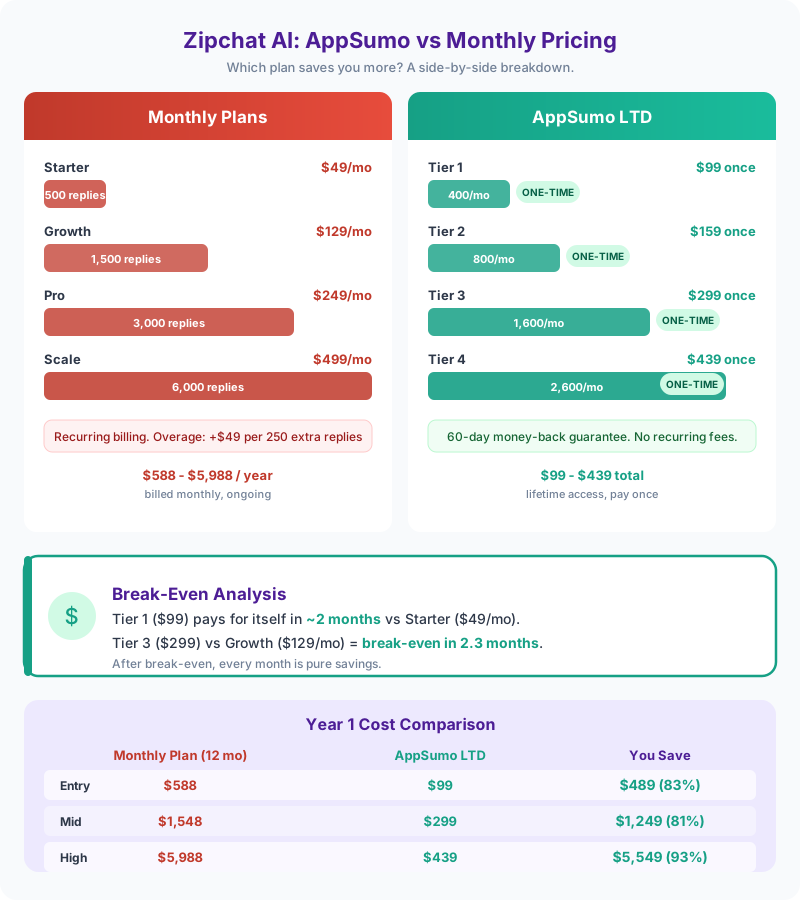
As of March 25, 2026, Zipchat’s official pricing structure looked like this:
| Plan | Price | Included AI Replies | Best For |
|---|---|---|---|
| Starter | $49/month | 500/month | Small stores validating the idea |
| Growth | $129/month | 1,500/month | Stores with real daily conversation volume |
| Pro | $249/month | 3,000/month | DTC teams treating chat as a revenue channel |
| Scale | $499/month | 6,000/month | High-volume brands and larger teams |
Extra usage is billed at $49 per additional 250 AI replies. That matters more than the headline price because it tells you what success costs after the easy month-one story ends. Zipchat also advertises a 7-day free trial and annual billing discounts, which is fine, but that isn’t the real decision point. The real question is how many conversations you expect the bot to handle once it’s actually doing its job.
Because the moment a tool starts working, usage climbs. More shoppers use it, more product questions hit it, and more support noise leaks into it too. That is where quota-based pricing starts feeling different from a normal monthly SaaS subscription. And that’s where buyers need to stop nodding at the homepage and start doing math.
Part Most Buyers Miss: Zipchat Is Quota-Priced
This is the part I’d look at before I cared about another feature video. Zipchat isn’t priced like a flat SaaS utility where you pay once and forget about it. It is priced around reply volume, which means success creates pressure. More conversations can mean more sales, but they can also mean a plan jump or overage charges. If you’ve worked through broader e-commerce growth questions like the ones I covered in these tips for increasing sales on an e-commerce business, you’ll know why tool economics matter more than product demos.
That isn’t automatically bad. In fact, if a few recovered orders cover the monthly bill, the pricing becomes irrelevant pretty quickly. A tool that helps sell three extra orders a month on a decent AOV can pay for itself without drama. But if your store has heavy support traffic, low margins, or a lot of repetitive post-purchase questions, the same pricing model becomes much less attractive.
You are paying not just for opportunity, but for operational noise too. That is why I wouldn’t buy Zipchat because “AI chat seems useful.” I’d buy it only if your store already has repeated buyer hesitation points that are easy to identify, and enough margin for the tool to earn its keep. Otherwise, you’re adding one more bill and one more dashboard without fixing the real problem.
Zipchat on AppSumo
This is where the story gets more interesting. Zipchat is also on AppSumo right now, and the current deal changes the entry math quite a bit. For smaller brands, the AppSumo offer may be the easiest way to test whether Zipchat is useful without committing to another recurring subscription immediately. That alone makes it worth checking.
At the time I checked it, the lifetime offer started at $99 one-time for 400 monthly replies, 700 pages synced, and 1 store. Higher tiers scaled from there:
| Tier | One-Time Price | Monthly Replies | Stores |
|---|---|---|---|
| Tier 1 | $99 | 400 | 1 |
| Tier 2 | $159 | 800 | 2 |
| Tier 3 | $299 | 1,600 | 5 |
| Tier 4 | $439 | 2,600 | 10 |
The deal notes and launch updates show Zipchat later added higher tiers too, going as high as 15,000 monthly replies. AppSumo also gives the usual 60-day refund window, which makes this a much safer way to test the product than jumping straight into the monthly plans. If you’re a solo operator or a small Shopify brand, this is honestly the most interesting way to try Zipchat because it lowers the cost of being wrong. The monthly site pricing is fine if you already know the tool will pay for itself, but AppSumo makes more sense while you’re still validating the idea.
Still, don’t make the classic AppSumo mistake and call it “basically free forever.” It isn’t. Every AppSumo product remains capped, and that cap is the whole story. You’re just swapping recurring subscription risk for capacity planning risk… which is better, but not the same as infinite usage.
The AppSumo Deal is a Steal!!
If you compare raw payback, the lifetime deal can be a steal. Tier 1 at $99 one-time is about two months of the Starter monthly plan, and Tier 3 at $299 one-time is cheaper than two months of the Pro plan. If your store volume fits inside those monthly reply caps for a year or two, the lifetime deal wins on pure economics. For smaller stores, that’s a very strong argument.
That matters because early-stage e-commerce brands don’t need one more monthly tool draining cash while they figure out product-market fit. A one-time deal with a realistic cap is often the smarter bet. I also like what the founder appears to be doing here: based on the AppSumo Q&A, Shopify remains the best integration, other platforms can be added manually, and the team has been increasing tiers as demand has surfaced. That is a better signal than pretending the product already does everything perfectly for everyone.
My only caution is the obvious one. Lifetime deals are great until you outgrow the cap or the vendor’s priorities shift. So if you’re choosing AppSumo, buy it because the capacity fits your likely usage, not because the word “lifetime” short-circuits your brain. That is how people end up owning 37 deals they never use.
Zipchat AI: Setup and First Impressions
It was honestly the easiest thing to setup. Took a couple of minutes to set things up, but the knowledge gathering takes usual time based on how huge your website or e-commerce store is.
Generally you just enter your site URL and you’re all done.
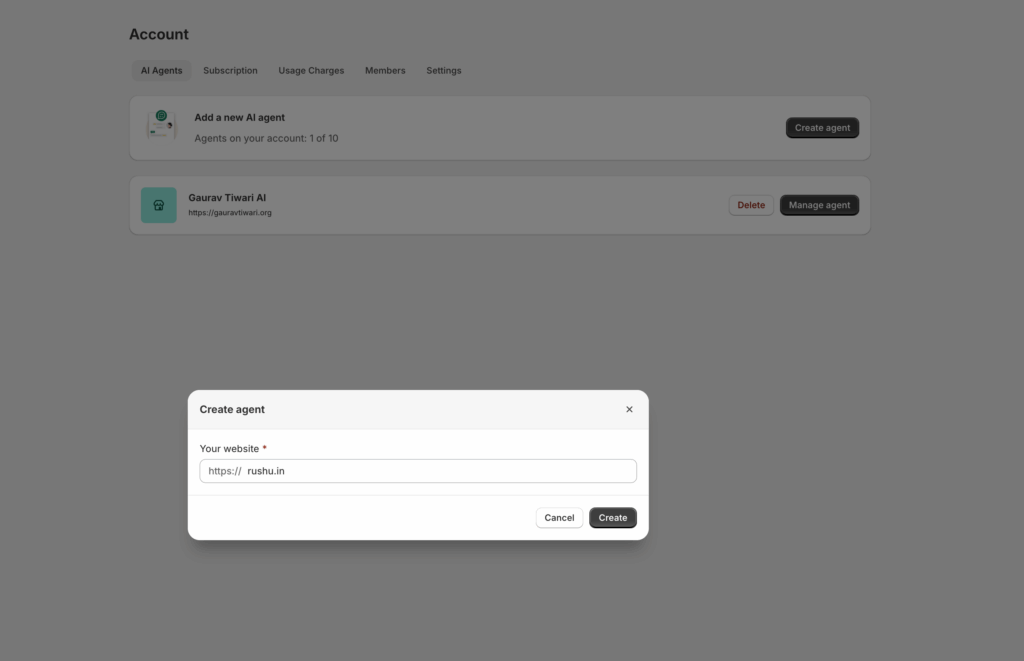
The knowledge-gathering phase runs in the background. You’ll see a progress indicator in the Zipchat dashboard while it processes your catalog.
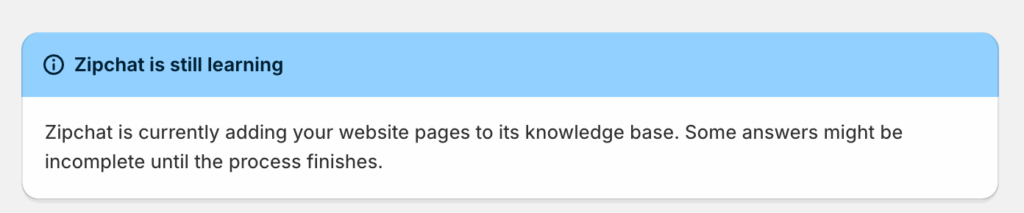
Until then, you can set up bubble chats on your website, and connect email, WhatsApp and other Meta apps like Instagram and Messenger. And the live chat works even when the Zipchat AI is still learning.
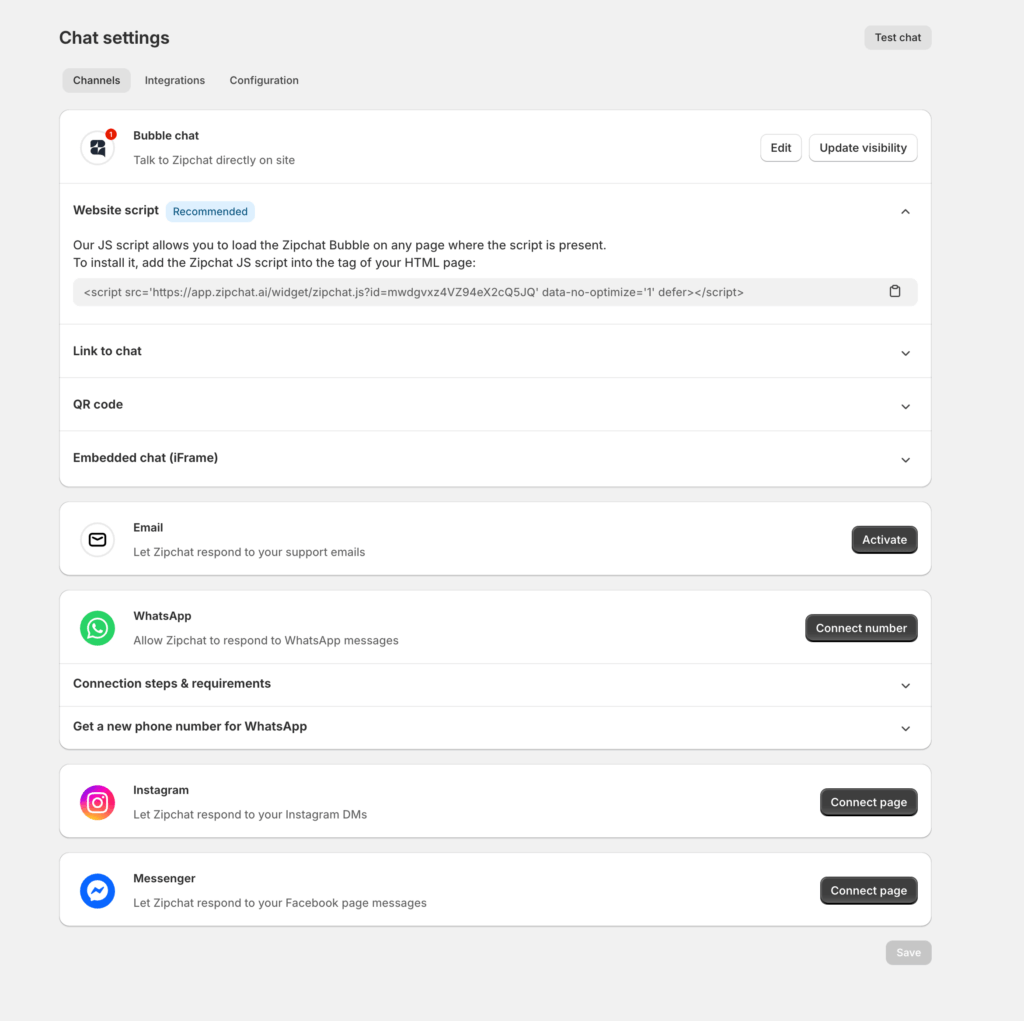
After this you can go on to set integrations like Sales Pixel, Customer Identification, Zapier and the Backend API.
What the Full Setup Workflow Looks Like
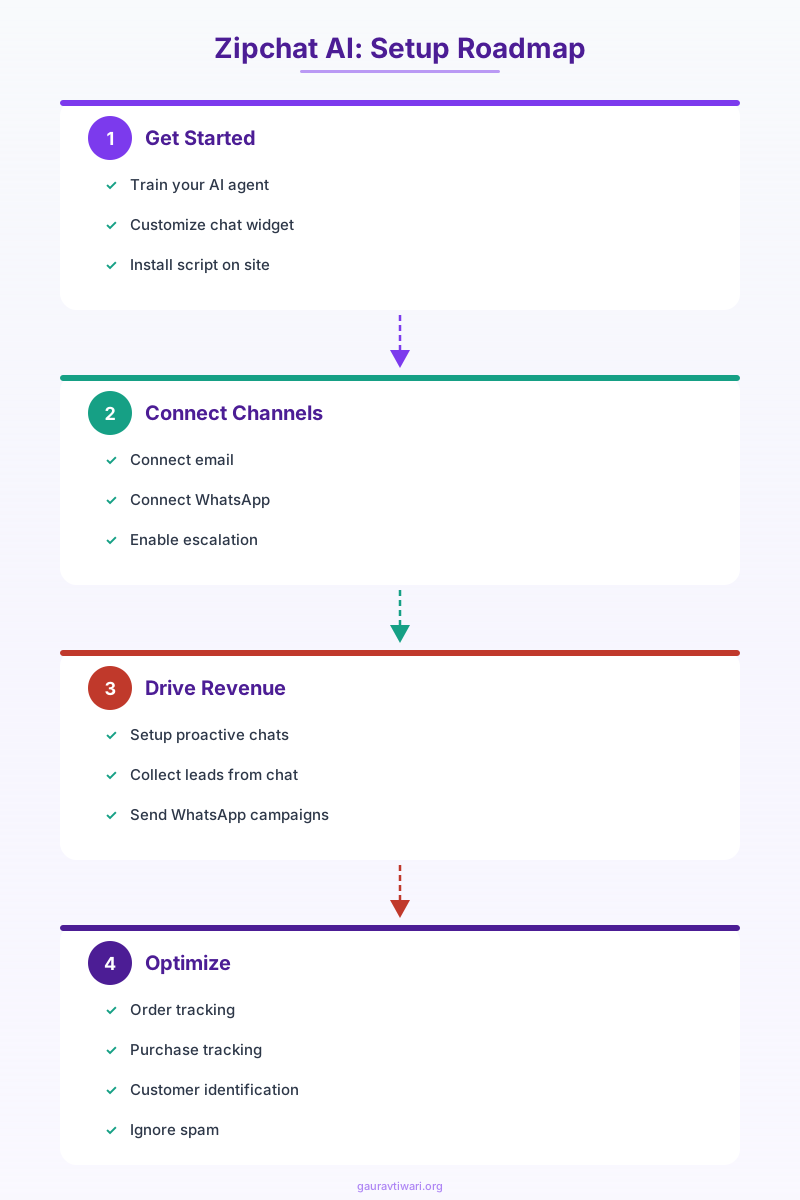
Once you’re past the initial URL import, Zipchat walks you through a clear setup path. Each step unlocks a different part of the system, and the order makes sense. Here’s what the full onboarding covers:
- Test and train your agent. This is the first real step after the AI finishes crawling your site. You test conversations, correct bad answers, and expand the bot’s knowledge so it stops guessing and starts sounding like your brand. Don’t skip this. The quality of every future conversation depends on how much time you put in here.
- Customize the chat to fit your brand. Colors, logo, welcome message, bubble placement. Standard stuff, but important. A chat widget that looks like it belongs on your site converts better than one that screams third-party plugin. Zipchat gives you enough control to make the bot feel native.
- Install the Zipchat script. If you’re on Shopify, this is mostly automatic through the app. For other platforms, you drop a script tag into your site. Either way, you need the widget visible and loading correctly before anything else matters.
- Connect email. This hooks Zipchat into your email so conversations that need a human can be forwarded out of the chat layer. It also means you get an omnichannel record of support interactions instead of everything living inside one dashboard.
- Connect WhatsApp. If your audience uses WhatsApp (and in many markets, they do), this lets you collect phone numbers and move conversations to a channel where open rates crush email. The integration also feeds into the campaign system.
- Enable escalation. This is the human handoff toggle. When the AI hits a wall or the conversation gets sensitive, escalation routes it to a real person. Every AI chat tool needs this. The ones that hide it are lying about what their bot can handle.
- Set up proactive chats. This is where Zipchat earns its “sales-first” positioning. Instead of waiting for the shopper to click the bubble, proactive chats trigger based on behavior. Page time, scroll depth, exit intent, cart value. If you skip this step, you’re leaving the biggest conversion lever untouched.
- Collect leads from the bubble chat. You can configure the chat to capture emails before or during conversations. Useful for building a list from visitors who engage but don’t buy yet. Not groundbreaking, but practical if you run email marketing alongside the store.
- Send WhatsApp campaigns. This is the feature that surprised me. Zipchat lets you send one-off WhatsApp campaigns powered by AI. The claim is 80% open rates and 15% conversion rates, which sounds aggressive, but WhatsApp engagement numbers are genuinely higher than email in most markets. Worth testing if you’ve got the phone numbers.
- Ignore spam conversations. Bots attract junk. This setting lets you filter out noise from specific senders so your analytics and reply counts stay clean. Small feature, big quality-of-life improvement.
- Invite your colleagues. You can add team members to read conversations, review AI performance, and work on the bot together. Useful once you’re past the solo-operator stage and want someone else watching the chat quality.
- Implement custom order tracking. This lets customers check order status directly inside the chat. For e-commerce, this is one of the highest-volume support questions, and offloading it to the bot frees up real humans for harder problems.
- Implement purchase tracking. Revenue attribution. This is how you measure whether the bot is actually driving sales or just having conversations. Without this, you’re guessing. With it, you can tie specific chat interactions to completed orders and real dollar amounts.
- Implement customer identification. Automatically recognize returning customers so the bot can personalize conversations and pull up order history without asking. This is the kind of feature that makes AI chat feel less like a script and more like a real assistant.
You don’t need to complete every step on day one. But the more of these you activate, the more useful Zipchat becomes. The difference between a half-configured chat widget and a fully wired sales agent is significant, and most of the value sits in the steps people skip because they seem optional.
What Zipchat Gets Right
Zipchat isn’t just interesting because it says “AI” on the homepage. There are a few concrete things it appears to be doing better than the average chat tool in this category. And these are the parts that would actually influence a buying decision, not the polished landing page copy.
Zipchat stands out because it’s built around e-commerce sales intent, not generic support. The proactive chat triggers, product recommendations, correction loop, and revenue tracking all point to a tool designed for one job: recovering sales that would have died without intervention. If your store has real pre-purchase friction, that focus matters more than a longer feature list.
It Is Built for Sales, Not Just Deflection
Most support chat tools are reactive. A customer opens the box, types a question, and the system tries to answer it. Useful, but limited. Zipchat is leaning harder into proactive engagement, and the docs plus prospect material both talk about behavior-based prompts, targeted campaigns, and nudging users when they’re likely to hesitate.
That is a much better fit for e-commerce than passive support alone. If you sell products where shoppers pause because of shipping, compatibility, fit, ingredient questions, or return concerns, proactive AI is a real lever. That is where “chat” stops being decoration and starts affecting checkout behavior. It is also where the tool has a chance to pay for itself.
The e-commerce Use Case Feels Specific
This sounds obvious, but it isn’t. Plenty of tools claim they’re “great for e-commerce” and then give you generic lead capture and support macros with a cart integration slapped on top. Zipchat looks more focused than that, at least from the evidence I found. Order status support, product knowledge training, store content syncing, sales attribution, and storefront behavior triggers all point to a tool shaped around actual merchant problems.
That focus is a strength. Narrow tools can beat broad ones when the job is specific enough. In fact, I usually trust a product more when it’s willing to be a little narrower. General-purpose software often ends up mediocre at the exact thing you bought it for.
The Correction Loop Is a Good Sign
One of the docs that mattered most to me was the AI corrections workflow. That tells me the team understands something a lot of AI vendors still try to hide: you don’t install an LLM-based assistant once and walk away forever. You monitor it, fix bad answers, sharpen the training, and treat it like a system that improves with feedback. That is the right mental model.
If a vendor acts like AI never needs supervision, I trust them less, not more. The correction loop doesn’t make Zipchat perfect. It just makes the product sound more honest. And honesty is useful when you’re deciding whether an AI layer belongs anywhere near customer conversations.
Human Handoff Is There When You Need It
Zipchat is still AI chat, so the human fallback matters. From the Growth plan upward, the docs show email forwarding and escalation options for conversations that need a real person. That isn’t a full enterprise helpdesk flow, but it’s enough for smaller store teams that want the AI to handle the easy stuff and push the messy edge cases to a human. That makes the tool more practical.
Nobody should trust AI to handle every case in commerce with zero escape route. Not refunds with nuance, not policy exceptions, not angry customers, not weird edge cases. The fact that Zipchat seems to recognize that’s a point in its favor. A lot of AI marketing still behaves like escalation is a failure instead of a feature.
The Team Seems to Ship
I already mentioned the update cadence, but it deserves its own point because it changes how I judge the missing pieces. An immature product with a dead changelog is a liability. An immature product that ships every month is a bet. Those are different things.
Zipchat still feels like a bet in some areas, especially if you’re outside the clearest Shopify use case. But it looks like a live bet, not abandonware with better branding. That makes me more forgiving about the parts that are still maturing. Software doesn’t have to be finished to be worth buying, but it does have to be moving.
Where Zipchat Feels Risky
This is the section that decides whether a review is useful or just polite. Zipchat has real appeal, but it also has real friction. And if you skip this part, you end up buying software for the fantasy instead of the workload.
The Pricing Can Punish Success
I keep coming back to this because it’s the biggest practical issue. At $49 per extra 250 AI replies, overage isn’t cheap. Once the tool becomes part of your daily storefront, the wrong plan can get silly in a hurry. This isn’t hidden, but it’s easy to underestimate.
Here’s the simple version:
| Estimated Reply Volume | Cheapest Likely Option | Monthly Cost |
|---|---|---|
| Up to 500 replies | Starter | $49 |
| Around 750 replies | Starter + 1 overage pack | $98 |
| Around 1,000 replies | Growth is cheaper than Starter + 2 overage packs | $129 |
| Around 2,000 replies | Growth + 2 overage packs | $227 |
| Around 2,250 replies | Pro becomes cheaper than Growth + 3 overage packs | $249 |
| Around 4,500 replies | Scale becomes cheaper than Pro + 6 overage packs | $499 |
That math doesn’t make Zipchat bad. It just means you need to go in with your eyes open. If the tool drives enough sales, nobody will care. If it mostly absorbs repetitive support traffic, you will care very quickly.
Shopify Looks Like the Cleanest Fit
Zipchat can be added outside Shopify. The prospect file mentions WooCommerce, Magento, and more, and the AppSumo Q&A also suggests broader installation is possible. Still, Shopify is clearly where the deepest proof lives right now. The official app listing, review volume, pricing clarity, and product messaging all point in that direction.
So if you’re a WooCommerce merchant, I’d treat this as promising rather than proven. That doesn’t mean don’t use it, but it does mean pilot it carefully. I haven’t tested it on a large WooCommerce catalog yet, and I wouldn’t pretend otherwise. If you sell on WooCommerce, this is a place where skepticism is healthy.
It Is Not a Full Helpdesk Replacement
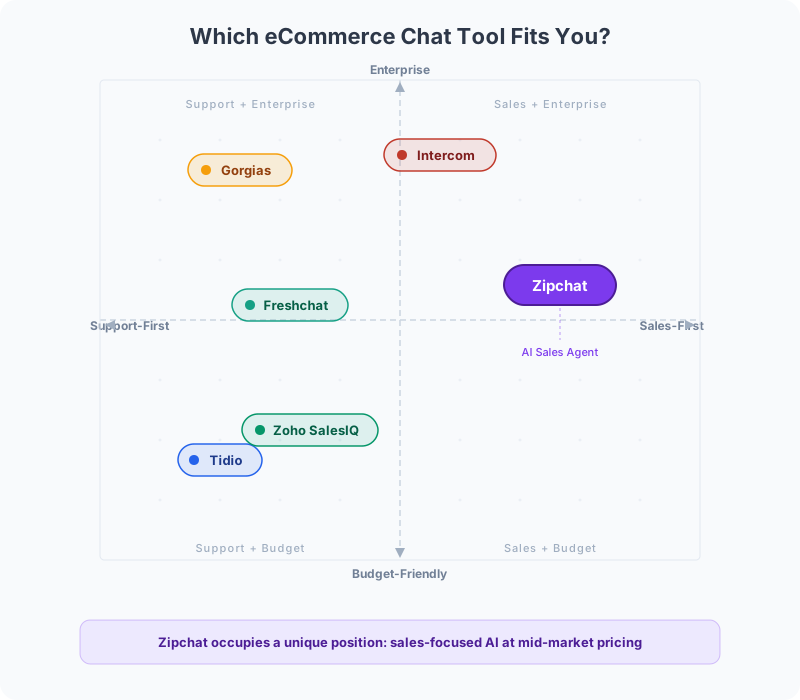
Zipchat can answer, route, and deflect. That isn’t the same thing as being your full support operating system. If your team needs deep inbox management, agent routing, SLA workflows, shared support history, macros, audits, and multi-department support operations, you’re going to start looking at Gorgias, Freshchat, or Intercom pretty quickly. Those tools were built for that heavier operational layer.
Zipchat looks strongest when it sits close to the buying moment. The farther you move into full-service support management, the less confident I am that it should be the main system. That doesn’t make it weak. It just means the job definition matters more than the homepage positioning.
You Still Need Training and Oversight
The correction docs are a positive sign, but they are also a quiet warning. This tool will only be as sharp as the content, policies, product data, and correction loop behind it. If your store content is thin, inconsistent, or outdated, the AI will mirror that mess right back to your shoppers. Software can’t rescue a messy operating system forever.
That isn’t a Zipchat-specific problem. That is just how these tools work, and buyers still underestimate it. They imagine the AI will figure everything out because the demo sounded smooth. Then the first weird question hits, and suddenly the magic looks a lot more human.
Zipchat vs Tidio
Tidio is the tool I’d put in front of someone who wants a more general small-business chat stack. Its pricing starts lower, the product is more mainstream, and the setup feels closer to “modern live chat with AI help” than “AI sales rep for e-commerce.” Tidio wins on simplicity and familiarity, and if you want a live chat, chatbot, helpdesk, and AI assistant blend for a smaller business, it’s one of the easier products to justify. The official pricing is more approachable too, with lower entry plans and separate Lyro AI pricing.
Zipchat wins when the store is the center of the business and you care more about conversion intent than generic chat coverage. I’d pick Tidio for a broader SMB support use case, and I’d pick Zipchat for a store where product questions and checkout hesitation are the real revenue leak. That is the clean divide for me. If you want the safer, more general tool, Tidio. If you want the sharper e-commerce sales bet, Zipchat.
Zipchat vs Gorgias
Gorgias sits in a different weight class. It is much more of an e-commerce support platform than a storefront sales agent, and ticketing, inbox management, support-team operations, and service workflows are where it shines. That makes it the stronger choice for brands that already have volume, staff, and a real support function to manage. It is closer to operational infrastructure than storefront persuasion.
Zipchat, by contrast, looks better when you want to influence revenue earlier in the buyer conversation. If you need the bot to reduce uncertainty before purchase, recommend products, and capture intent before the visitor disappears, Zipchat feels more focused. I’d choose Gorgias for a support-heavy store with a team behind it. I’d choose Zipchat for a leaner brand that wants AI to help close sales, not just organize tickets.
Zipchat vs Freshchat
Freshchat makes a lot of sense if you’re already inside Freshworks. The official pricing is agent-based, which means you pay more like a classic support SaaS, and the Growth plan starts lower than Zipchat’s entry plan. The paid plans also include a bundle of free AI agent sessions, so for teams already using Freshdesk or other Freshworks tools, that ecosystem advantage is real. You aren’t just buying chat there, you’re buying fit.
Freshchat still feels more support-led than sales-led, and that isn’t a criticism. It is just a different product philosophy. Freshchat is built to help teams manage conversations, while Zipchat is trying harder to influence the shopping decision itself. So my pick is simple: Freshchat for support infrastructure, Zipchat for storefront conversion pressure.
Zipchat vs Zoho SalesIQ
Zoho SalesIQ is the cost-conscious operator’s option. Zoho has always been good at giving small businesses a wide toolset at pricing that doesn’t make you roll your eyes, and SalesIQ follows that pattern. There is a free tier, the paid plans stay relatively accessible, and the tool becomes more attractive if you already use the rest of the Zoho stack. For a lot of smaller teams, that matters more than fancy positioning.
What you get in exchange is a broader, more operations-friendly chat and visitor tracking product. What you don’t get is the same clear e-commerce-sales identity Zipchat is pushing. If your store is one piece of a wider business stack and you care about cost control, Zoho deserves a serious look. If your site is a store first and your biggest problem is shoppers hesitating before purchase, Zipchat is the sharper tool.
Zipchat vs Intercom
Intercom is still the premium benchmark in this category. The product is polished, the ecosystem is mature, the support tooling is strong, and the lifecycle messaging layer is far deeper than what most smaller tools can offer. And, predictably, the pricing gets serious once you actually use it. That is the Intercom tradeoff in one line.
The official plans are seat-based, and Fin AI pricing is layered in on top by resolution. That works for companies that want one large communications platform across support, onboarding, product education, and lifecycle messaging, but it’s often overkill for smaller e-commerce brands. Zipchat is narrower, less mature, and less broad, but it’s also easier to rationalize if your only real question is whether it can help convert more store traffic. I’d use Intercom when I wanted a company-wide customer communications system. I’d use Zipchat when I wanted e-commerce AI closer to the cash register.
Zipchat vs Competitors: Quick Comparison
Here’s how Zipchat stacks up against the five alternatives I compared it to. This table covers what matters most: pricing model, strongest use case, and where each tool fits best.
| Tool | Starting Price | Pricing Model | Best For | Weakest At |
|---|---|---|---|---|
| Zipchat AI | $49/mo (or $99 LTD) | Reply-based quota | E-commerce sales conversion | Full helpdesk workflows |
| Tidio | Free / $29/mo | Seat + AI add-on | SMB general-purpose chat | Deep e-commerce sales features |
| Gorgias | $10/mo | Ticket volume | E-commerce support operations | Pre-purchase sales influence |
| Freshchat | Free / $19/agent/mo | Agent-based | Freshworks ecosystem users | Standalone e-commerce focus |
| Zoho SalesIQ | Free / $7/operator/mo | Operator-based | Budget-conscious SMBs | Sales-first AI positioning |
| Intercom | $39/seat/mo + Fin AI | Seat + resolution | Enterprise customer comms | Small e-commerce affordability |
Which Tool I Would Pick for Different Scenarios
- Pick Zipchat if you run an e-commerce store, especially on Shopify, and you want AI to handle product questions, remove buyer hesitation, and influence sales before the customer leaves.
- Pick Tidio if you want a simpler general-purpose chat and AI setup for a small business, not a store-specific revenue tool.
- Pick Gorgias if support operations are already big enough that ticket workflows matter more than proactive selling.
- Pick Freshchat if you’re already inside Freshworks and want chat plus AI inside that ecosystem.
- Pick Zoho SalesIQ if cost control matters more than sales specialization and you’re already leaning into Zoho.
- Pick Intercom if you want the mature, broader platform and can justify platform-level pricing.
Who Should Use Zipchat AI
Zipchat looks like a strong fit for a few specific buyers. It isn’t for everyone, and that’s fine. A tool usually gets better when it stops trying to be for everyone.
Shopify Brands With Repeated Pre-Purchase Questions
If shoppers keep asking about sizing, compatibility, shipping times, returns, ingredients, bundles, or fit, Zipchat is relevant. Those aren’t random support tickets. They are stalled purchase decisions, and that’s exactly where AI chat has a chance to do useful work. If the bot handles them well, it can recover revenue in a way ordinary support software doesn’t.
Lean Teams That Cannot Staff Live Chat Properly
Small teams love the idea of live chat and then discover reality. Someone has to answer, and they have to answer quickly, consistently, and without sounding half asleep. AI can bridge that gap if the use case is narrow enough. Zipchat looks better suited to that than many generic chat widgets because the product is designed around store conversations, not just open-ended support.
Stores Where One Extra Sale Covers the Tool
This is the cleanest buying test. If your average order value and margin are high enough that a handful of extra recovered sales per month covers the tool, Zipchat becomes easy to justify. That is especially true for brands selling higher-consideration products where buyers ask real questions before checking out. In that case, the pricing stops feeling theoretical and starts feeling practical.
Teams Willing to Monitor and Improve the AI
If you expect install-once magic, skip it. If you’re willing to review conversations, add corrections, sharpen knowledge sources, and treat the bot like part of your sales system, Zipchat becomes much more compelling. That work isn’t glamorous, but it’s where the real gains usually come from. AI without supervision is just expensive optimism.
Who Should Skip Zipchat AI
This is just as important. Good software still makes bad purchases when the fit is wrong. Zipchat has a clear lane, and outside that lane it becomes harder to defend.
Very Small Stores With Low Traffic
If your store barely gets visitors, AI chat isn’t your first problem. You don’t need a $49/month tool to talk to a trickle of traffic.
You need better offers, better product pages, better traffic quality, or all three. Buying AI before fixing that’s classic founder procrastination in a nicer shirt.
But if you can spend $99 for the LTD and you think you will be needing it in the future, go for it.
Stores That Mainly Need Support Software
If 80% of your chat volume is post-purchase service and internal coordination, use a support-first tool. That means Gorgias, Freshchat, or Intercom depending on your size and budget. Zipchat may still help, but it wouldn’t be my first system choice there. The center of gravity is just wrong for that job.
Merchants Who Hate Usage Caps
Some people just want flat pricing and clean predictability. Zipchat isn’t built like that. The AppSumo deal softens the pain, but the product still revolves around reply allowances and capacity limits. If that pricing style annoys you, it will keep annoying you.
My Verdict
Zipchat is one of the more interesting e-commerce AI chat tools I’ve looked at recently because it’s trying to solve the right problem. Not “how do we add AI to chat,” but “how do we stop losing buyers who hesitate for fixable reasons.” That is a much better product brief, and it immediately makes the product more relevant to real stores. The category needs more of that and less synthetic theater.
I like the sales-first angle. I like the evidence of ongoing shipping, I like the Shopify proof, and I like that the docs acknowledge the correction loop instead of pretending AI is magic. What I don’t love is the pricing pressure once usage grows, and I don’t think buyers should ignore the fact that Shopify seems to be the cleanest, safest fit right now. That tension is the whole review in one sentence.
Zipchat is worth it if you run an e-commerce store with enough traffic, real pre-purchase questions, and margins that can absorb the tool. The AppSumo deal ($99 one-time) makes testing it a no-brainer. Skip it if your store traffic is low or your main need is post-purchase support infrastructure.
So here’s my call. If you’re a Shopify brand with enough traffic, meaningful pre-purchase questions, and margins that can absorb the tool, Zipchat is worth serious consideration. If you’re mostly buying support infrastructure, or your traffic is too low for the economics to make sense, look elsewhere. And if you’re on the fence, the AppSumo deal is the smarter way to test it, not because lifetime deals are magic, but because it lowers the cost of finding out whether this thing actually moves revenue for your store.
Zipchat AI Review
Zipchat AI
Pros
- Sales-first AI positioning makes more sense for e-commerce than generic chat widgets
- Strong Shopify proof with a 4.9-rated app and 240+ merchant reviews
- Docs cover useful real-world features like corrections, order status, forwarding, and sales tracking
- Active product updates through 2025 and early 2026 suggest the team is still shipping hard
- AppSumo deal makes it easier to test without locking into another monthly tool
Cons
- Overage pricing can get expensive quickly once conversation volume grows
- Needs training, corrections, and oversight to stay accurate
- Lower-traffic stores may never generate enough lift to justify it
Summary
Zipchat AI is a sharp e-commerce-focused chat tool with stronger sales intent than most AI support widgets. It looks especially compelling for Shopify brands that want product recommendations, proactive prompts, and revenue tracking in one layer. The tradeoff is usage-based pricing. Once conversations scale, plan math matters a lot. With AppSumo LTD active, this part is sorted for the time being.
Price: USD 99 one-time
Check Zipchat on AppSumoFrequently Asked Questions
Is Zipchat AI good for Shopify stores?
Yes. Shopify looks like Zipchat’s strongest fit right now. The Shopify App Store listing has the clearest proof, the cleanest pricing breakdown, and 240+ reviews at roughly 4.9 stars. If you’re on Shopify, Zipchat makes a lot more sense than if you’re betting on a less-proven platform setup.
Does Zipchat work with WooCommerce?
Zipchat says it can be added beyond Shopify, including WooCommerce and other platforms. I’d still treat Shopify as the most proven environment. If you’re on WooCommerce, run a staged pilot and watch the quality of product answers, order-related replies, and performance before rolling it out fully.
How much does Zipchat AI cost?
As checked on March 25, 2026, Zipchat’s monthly pricing starts at $49 for Starter, then $129 for Growth, $249 for Pro, and $499 for Scale. Plans are tied to monthly AI reply allowances, and extra usage is billed separately. That means you need to think about conversation volume, not just the entry price.
Is the AppSumo deal better than Zipchat’s monthly pricing?
For many smaller stores, yes. The AppSumo deal lowers the risk because you pay once and stay within a monthly reply cap. It works best if your store volume fits comfortably inside the tier you buy. It isn’t unlimited, so you still need to match the plan to your expected usage.
Is Zipchat better for sales or support?
Sales. That is what makes it interesting. Zipchat can support customers too, but its clearest value is helping shoppers move past doubts before they leave. If your main need is support-team workflow and ticket management, Gorgias, Freshchat, or Intercom may fit better.
Can Zipchat hand conversations to a human?
Yes. Zipchat’s docs include email forwarding and escalation options, with handoff features becoming more relevant from the Growth plan upward. That’s useful for edge cases where AI shouldn’t be the final answer, especially around order issues or policy exceptions.
Does Zipchat need training and correction?
Absolutely. The product even documents its correction workflow, which is a good sign. The better your product data, policies, and store content are, the better the AI will perform. If you ignore training and never review conversations, you should expect weaker answers.
Which Zipchat alternative should I look at first?
Start with the problem, not the brand. Tidio is a better first look if you want a simpler all-purpose chat tool. Gorgias is stronger for support-heavy e-commerce teams. Freshchat works well in the Freshworks stack. Zoho SalesIQ is a lower-cost operational option. Intercom is the mature premium platform if you need much more than storefront chat.
Disclaimer: This site is reader-supported. If you buy through some links, I may earn a small commission at no extra cost to you. I only recommend tools I trust and would use myself. Your support helps keep gauravtiwari.org free and focused on real-world advice. Thanks. - Gaurav Tiwari