
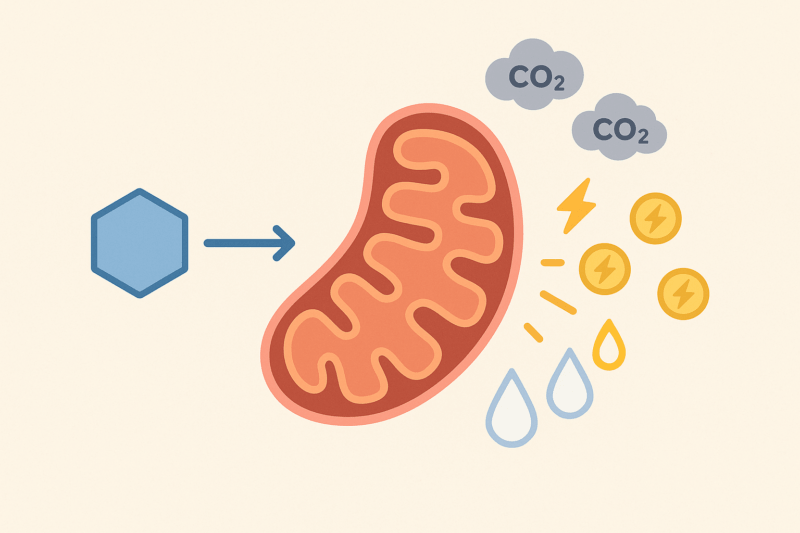
Cellular respiration extracts energy from glucose through glycolysis, the Krebs cycle, and oxidative phosphorylation, producing 30-32 ATP per glucose. This study note covers the equation, the three stages, aerobic vs anaerobic respiration, and how the whole sequence mirrors photosynthesis.
Biology
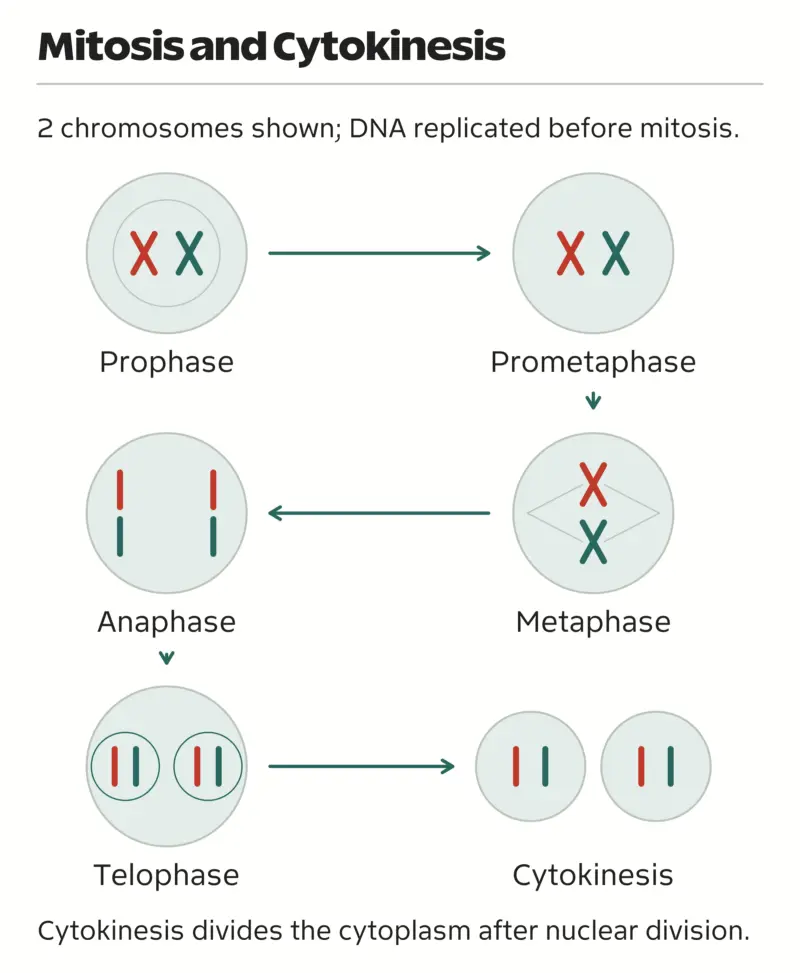
Mitosis preserves chromosome-set number in daughter nuclei. Learn prophase, prometaphase, metaphase, anaphase and telophase, with cytokinesis treated separately, chromosome-count examples and practice answers.
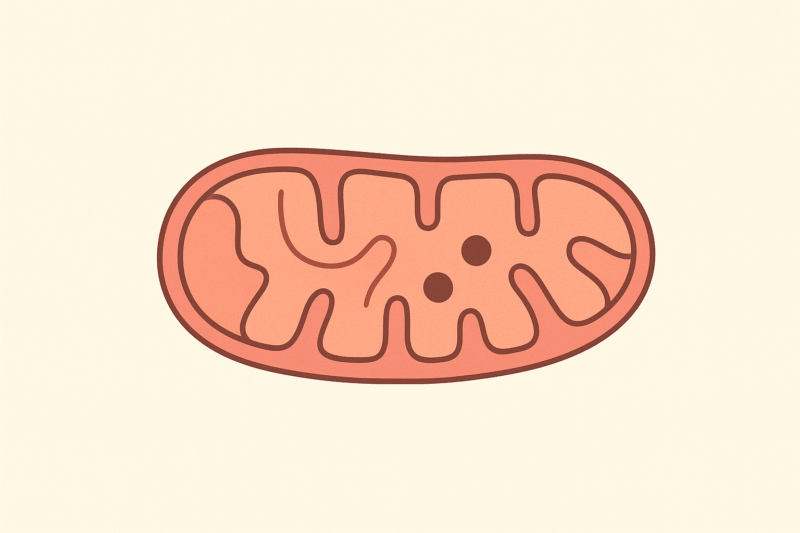
Mitochondria are the energy-producing organelles in nearly every eukaryotic cell. This study note covers their structure (outer membrane, inner membrane folded into cristae, matrix), how they produce ATP via the electron transport chain and oxidative phosphorylation, mitochondrial DNA, the endosymbiotic theory, and the human diseases linked to mitochondrial dysfunction.
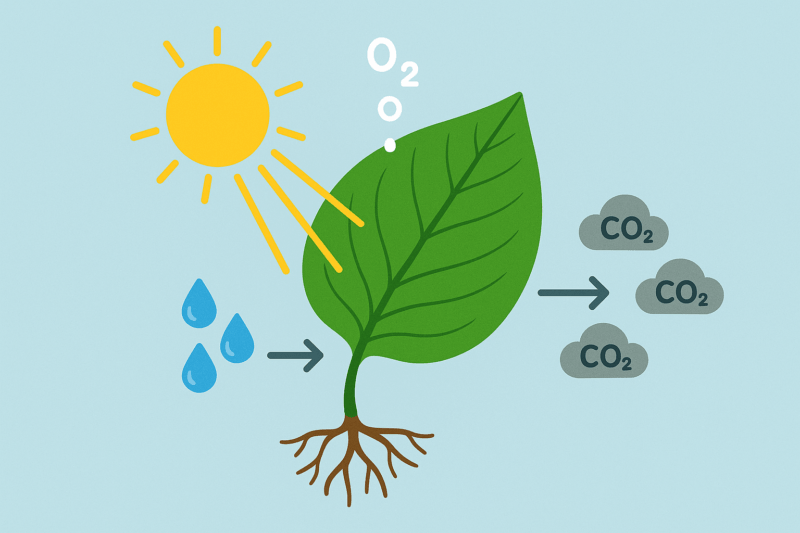
Photosynthesis is how plants, algae, and cyanobacteria turn sunlight, water, and carbon dioxide into glucose and oxygen. This study note covers the equation, the two stages (light reactions and Calvin cycle), the role of chlorophyll, the photosystems, factors that affect the rate, and the differences between C3, C4, and CAM plants.
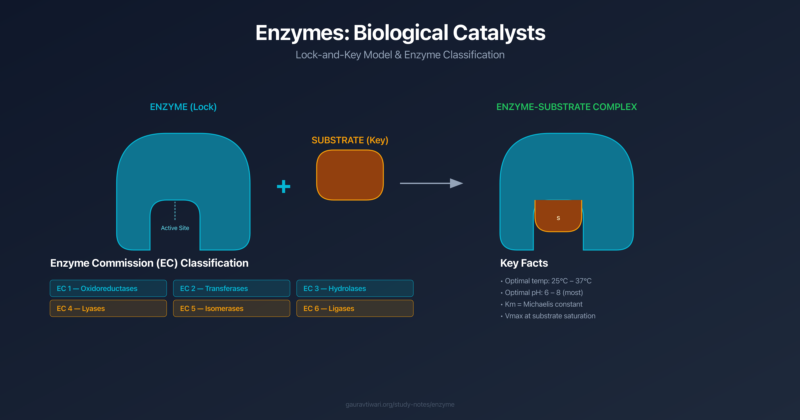
Enzymes are biological catalysts that speed up chemical reactions in living organisms without being consumed in the process. They’re essential for digestion, metabolism, DNA replication, and virtually every biological process. This guide covers enzyme structure, classification, kinetics, inhibition, and regulation, providing a clear reference for biology and biochemistry students.
Nucleic acids, specifically DNA and RNA, carry the genetic information that defines every living organism. Understanding their structure, function, and replication is fundamental to molecular biology. This guide covers nucleic acid structure, base pairing, DNA replication, RNA types, gene expression, and the central dogma of molecular biology for science students.
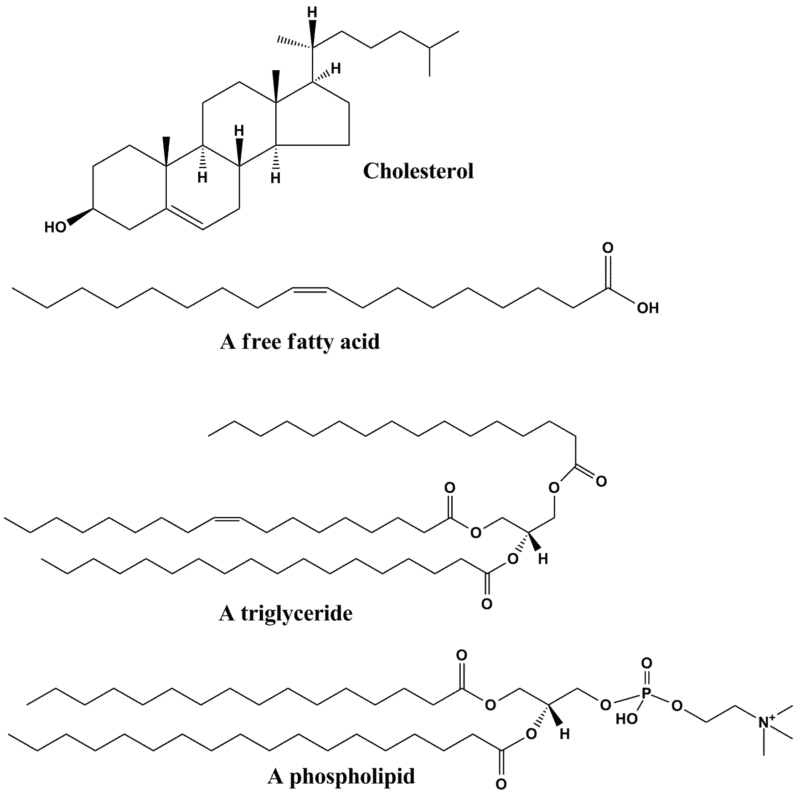
Lipids are the diverse group of biomolecules that include fats, oils, waxes, steroids, and phospholipids. They serve critical roles in energy storage, cell membrane structure, insulation, and hormone production. This reference covers lipid classification, structure, properties, and biological functions, providing a comprehensive overview for biology and chemistry students.
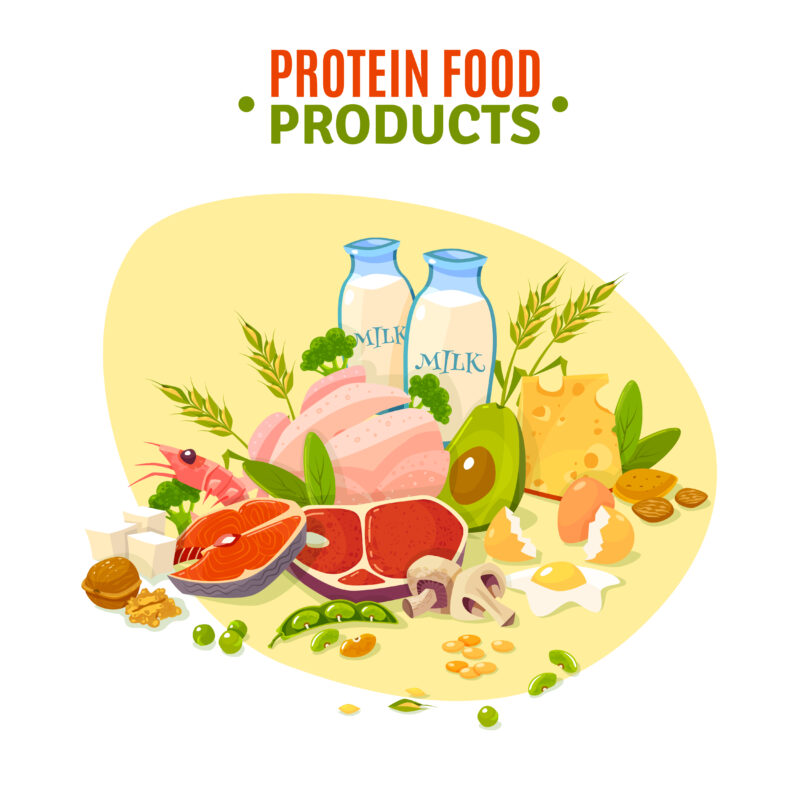
Proteins are the molecular machines of life, performing virtually every function in living cells. From enzymes and antibodies to structural components and signaling molecules, proteins are extraordinarily diverse. This guide covers protein structure from primary to quaternary levels, amino acid building blocks, protein synthesis, denaturation, and key biological functions.

Carbohydrates are sugars and sugar-derived compounds with roles in energy, storage, structure, and cell recognition. Learn their classification, glucose anomers, glycosidic bonds, reducing behavior, polysaccharides, and digestion with clear diagrams and revision tables.
Biomolecules are the chemical compounds that make life possible. Proteins, carbohydrates, lipids, nucleic acids, and enzymes each play critical roles in cellular function and biological processes. This guide covers the definition, classification, structure, and function of all major biomolecules, providing a comprehensive reference for biology and biochemistry students.
Cells are the fundamental building blocks of all living organisms, and understanding cell biology is essential for anyone studying life sciences. From the basic definition and types of cells to their complex internal structures and functions, this guide covers everything you need to know about cell biology, including prokaryotic vs eukaryotic cells and key organelles.

Blood and blood cells explained for exams: blood is about 55% plasma and 45% formed elements. Learn the components of blood, normal counts for red blood cells, white blood cells, and platelets, plus 10 facts that make blood genuinely fascinating.