
How to Build Credibility in a New Industry
Switching industries feels like starting over. The expertise you built in one field doesn’t automatically transfer to another. You know you’re capable, but nobody else does. Credibility—that trust that makes clients hire you, colleagues respect you, and opportunities appear—must be rebuilt from scratch.
This is the credibility gap. Everyone entering a new industry faces it.
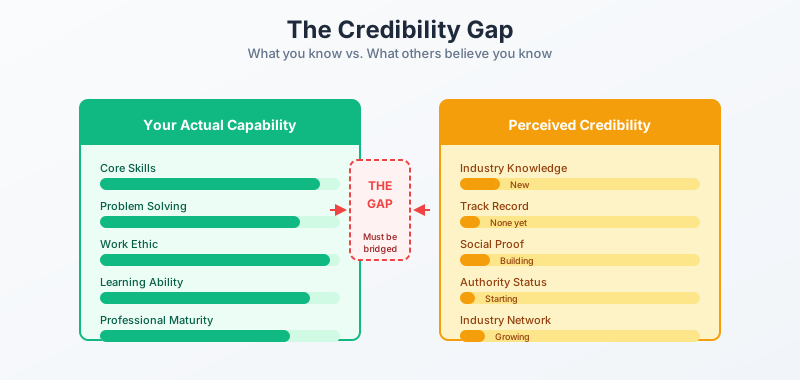
The good news: credibility can be built faster than you might think. Not through tricks or fake-it-til-you-make-it approaches, but through strategic, genuine actions that demonstrate your value. This guide covers how to establish credibility when you’re the new person in the room.
The 2026 Career Transition Reality
The data confirms that industry transitions are increasingly common—and that credibility-building strategies measurably work.
Over 60% of freelancers in 2026 are investing in personal branding and niche positioning according to HubSpot research. With the freelance market projected to exceed $500 billion globally, standing out requires deliberate credibility building. Multi-platform visibility combined with specialization helps professionals differentiate themselves and command higher rates—regardless of how recently they entered their current field.
Written documentation of expertise matters significantly. Individuals with written goals are 42% more likely to achieve them—and written evidence of credibility follows similar patterns. Case studies, published content, and documented results provide tangible proof that spoken claims cannot match. The freelancers succeeding in 2026 treat credibility building as a core business activity rather than hoping recognition happens naturally.
The remote work revolution has democratized credibility building. With 48% of the global workforce working remotely, industry communities are increasingly online and accessible. Geographic barriers that once limited newcomers’ access to established networks have diminished. Strategic online engagement now enables relationship building that previously required years of in-person proximity to achieve.
Understanding Credibility
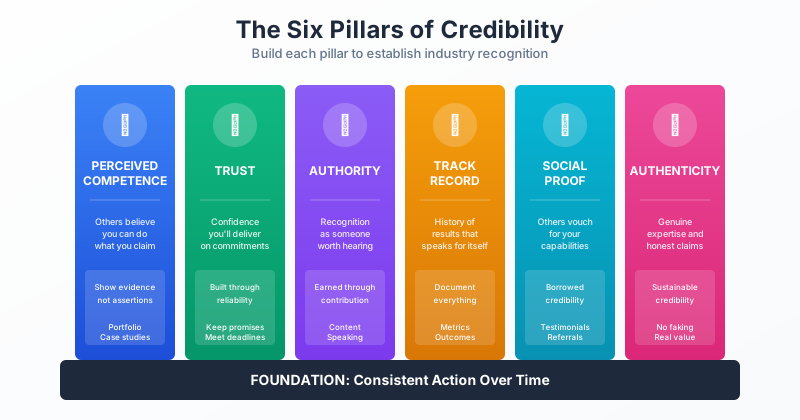
What credibility actually means.
- Perceived competence. Others believing you can do what you claim. Based on evidence, not assertions.
- Trust. Confidence that you’ll deliver on commitments. Reliability demonstrated over time.
- Authority. Recognition as someone worth listening to on relevant topics.
- Track record. History of results that speaks for itself.
- Social proof. Others vouching for your capabilities. Borrowed credibility.
- Authenticity. Genuine expertise and honest representation. Sustainable credibility.
Credibility is earned through consistent actions, not claimed through words. The industry newcomer must understand this distinction.
The Transferable Foundation
What you bring from your previous work.
- Core skills. Many capabilities transfer across industries. Communication, problem-solving, project management, analysis—these work everywhere.
- Professional maturity. How you handle yourself professionally. Meeting management, email communication, deadline handling. Industry-agnostic competence.
- Work ethic. Demonstrated dedication and reliability. Character transfers even when specific knowledge doesn’t.
- Network connections. People from previous work who can vouch for your character and competence.
- Pattern recognition. Experience seeing how things work in one context helps you understand new contexts faster.
- Learning ability. You’ve learned complex things before. That capacity applies to new domains.
Recognize what transfers. You’re not starting from zero—you’re applying proven capabilities to new territory.
Starting the Credibility Build
First steps in a new industry.
- Acknowledge the gap. Don’t pretend expertise you lack. Honesty about what you’re learning builds trust faster than false claims.
- Lead with transferable value. Emphasize skills that apply regardless of industry. Show how previous experience is relevant.
- Learn visibly. Share what you’re learning. Demonstrate genuine engagement with the new field.
- Ask good questions. Thoughtful questions show intelligence and genuine interest. Better than pretending to know.
- Deliver on small commitments. Reliability on minor things builds trust for major things.
- Be present. Show up consistently. Attend events, engage in communities, participate actively.
The early phase is about demonstrating character and capacity while building specific knowledge.
Building Industry Knowledge
Accelerating expertise acquisition.
- Intensive immersion. Read everything. Books, blogs, trade publications, research papers. Deep dive into industry knowledge.
- Key people study. Who are the influential voices? What are they saying? Understand the thought leaders.
- History understanding. How did the industry evolve? What shaped current practices? Context creates insight.
- Terminology mastery. Learn to speak the language. Jargon exists for efficiency. Fluency signals belonging.
- Trend awareness. What’s changing? Where is the industry heading? Current awareness demonstrates engagement.
- Problem understanding. What challenges do people in this industry face? Deep understanding of problems precedes credible solutions.
Knowledge is foundational. Without it, all the credibility-building tactics ring hollow.
Creating Evidence
Tangible proof of capability.
- Case studies. Document the work you’ve done. Even small projects demonstrate capability. Building a portfolio applies here.
- Content creation. Write about what you’re learning and doing. Articles, posts, analysis. Thought visible to others.
- Public projects. Work that others can see. Open source contributions, public initiatives, visible results.
- Speaking and presenting. Even small venues. Podcast appearances, local meetups, and webinar participation.
- Certifications. Where relevant, formal credentials. Industry-recognized validation.
- Results documentation. Track outcomes of your work. Metrics, improvements, achievements. Evidence accumulates.
Credibility without evidence is just assertion. Create tangible proof others can evaluate.
Leveraging Relationships
People accelerate credibility.
- Mentorship seeking. Find established people willing to guide you. Their credibility extends to you.
- Strategic networking. Build genuine relationships with industry players. Not transactional, but connected.
- Introductions and referrals. Ask for introductions. Warm connections carry more weight than cold outreach.
- Collaboration opportunities. Work with established people. Their credibility transfers through association.
- Testimonials and endorsements. Ask satisfied parties to vouch for you. Third-party validation carries weight.
- Advisory relationships. People willing to lend their name and guidance to your efforts.
Relationships are force multipliers for credibility building. Invest in genuine connections.
Positioning Yourself
How you frame your story.
- Bridge narrative. Connect previous experience to current pursuit. Show the logical path that led here.
- Unique perspective. Outsider viewpoint often reveals what insiders miss. Position fresh perspective as advantage.
- Complementary expertise. What you bring that industry natives typically lack. Your difference is your value.
- Clear focus. Niche positioning accelerates credibility. Easier to be known for something specific than everything general.
- Authentic story. Why this industry? Genuine motivation resonates. Opportunistic entry without passion is transparent.
- Value proposition. Clear articulation of what you offer. Not just who you are, but what you do for others.
Positioning isn’t about manipulation—it’s about clear communication of genuine value.
Personal Brand Building
Creating a recognizable presence.
- Consistent visibility. Regular presence across relevant channels. Showing up predictably.
- Content themes. Topics you’re known for. Consistent areas of contribution.
- Visual consistency. Professional presentation across platforms. Recognizable presence.
- Voice development. Your perspective and style. Distinctive without being gimmicky.
- Platform focus. Where does your industry gather? Be present there consistently.
- Generosity. Share knowledge freely. Help others without immediate expectation. Generosity builds reputation.
Personal brand is what others think of when they hear your name. Build it intentionally.
Common Credibility Mistakes
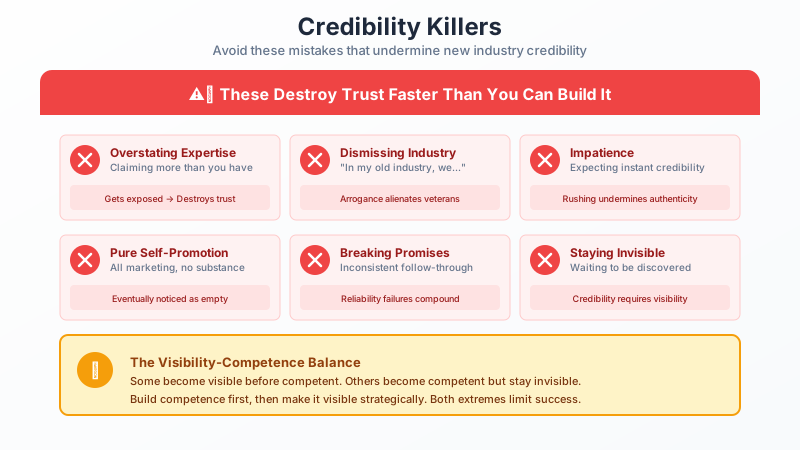
What undermines new industry credibility.
- Overstating expertise. Claiming more than you have. Gets exposed, destroys trust.
- Dismissing industry knowledge. “In my old industry, we…” devalues existing practices. Arrogance alienates.
- Impatience. Expecting immediate credibility. Rushing undermines authenticity.
- Ignoring established players. Treating industry veterans as obstacles rather than resources.
- Pure self-promotion. All marketing, no substance. Eventually noticed.
- Inconsistent follow-through. Making promises you don’t keep. Reliability failures.
- Staying invisible. Waiting to be discovered. Credibility requires active building.
- Faking it. Pretending expertise you lack. Eventually exposed.
Avoid these mistakes to protect credibility as you build it. What you don’t do matters as much as what you do—damaged credibility is harder to repair than no credibility is to build.
The visibility-competence balance
Some newcomers become visible before they’re competent. Others become competent but stay invisible. Both approaches limit success. The optimal path builds competence first, then makes that competence visible strategically. Premature visibility without substance creates negative impressions that persist. Competence without visibility leaves opportunity on the table indefinitely.
Recovering from credibility mistakes
Everyone makes errors during industry transitions—overstating expertise, missing important context, or making cultural missteps. Recovery requires acknowledgment without excessive apology, demonstrated learning, and consistent improvement going forward. One mistake rarely destroys credibility permanently; patterns of mistakes do.
Industry-Specific Strategies
Approaches that vary by context.
- Regulated industries. Credentials often required. Focus on necessary qualifications first.
- Relationship-driven industries. Who you know matters enormously. Prioritize network building.
- Technical industries. Demonstrable skills trump credentials. Build and show portfolio.
- Creative industries. Work quality speaks loudest. Create exceptional work.
- Service industries. Client results and testimonials carry weight. Document outcomes.
- Knowledge industries. Thought leadership matters. Create content demonstrating expertise.
- Understand what your specific industry values. Optimize credibility building accordingly.
The Timeline Reality
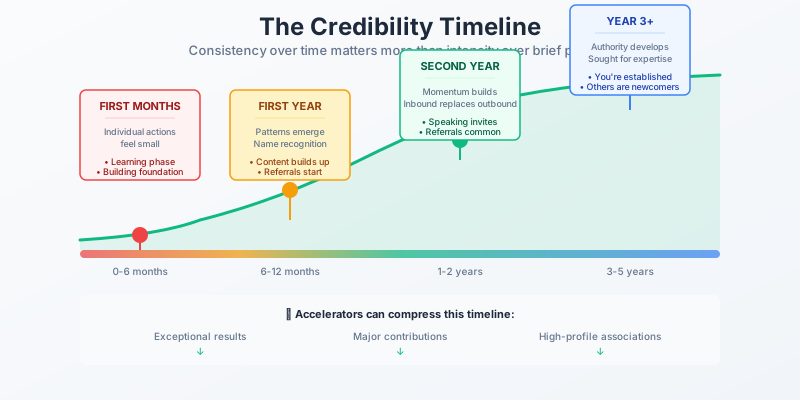
How long credibility takes.
- First impressions. Immediate, but limited. Based on presentation and initial interactions.
- Early credibility. 3-6 months of consistent activity. People start recognizing you.
- Established presence. 1-2 years of consistent value. Recognized as legitimate industry participant.
- Authority status. 3-5+ years of contribution. Sought out for expertise.
- Accelerators. Exceptional results, major contributions, or high-profile associations can compress timelines.
Credibility builds gradually. Consistency over time matters more than intensity over brief periods.
Overcoming Impostor Syndrome
When self-doubt threatens progress.
- Normal experience. Everyone entering new fields feels like an impostor initially. You’re not unique in this.
- Focus on contribution. What value are you providing? Focus on giving, not proving.
- Document progress. Track your development. Evidence of growth counters self-doubt.
- Accept discomfort. Being new is uncomfortable. Discomfort doesn’t mean you don’t belong.
- Separate feelings from facts. Feeling like a fraud doesn’t mean you are one. Evidence matters more than feelings.
- Act despite doubt. Confidence follows action, not the reverse. Do the work; feelings follow.
Impostor syndrome is a signal you’re pushing boundaries. It doesn’t disqualify you.
Building Credibility While Working Full-Time
For career changers maintaining income.
- Side project credibility. Build evidence outside work hours. Working on business while employed is possible.
- Professional learning. Courses, certifications, study during personal time.
- Community participation. Evening and weekend engagement with industry communities.
- Content creation. Writing and creating outside work hours.
- Gradual transition. Building credibility before jumping. Safer path to career change.
- Strategic networking. Relationship building that doesn’t conflict with current employment.
Credibility building can happen alongside existing work. It takes longer but is often prudent.
The hybrid strategy: Many successful industry transitions happen gradually. Maintain income in current field while building presence in new field. Accept lower-profile opportunities in the new industry to gain experience. The financial runway from current work provides stability while credibility develops. Hybrid approaches require patience but minimize risk.
Using current expertise to bridge: Sometimes your current expertise connects to your target industry. A developer moving to product management leverages technical background. A marketer moving to sales leverages customer understanding. Identify the bridges between where you are and where you’re going. These connections accelerate credibility because they’re genuine rather than manufactured.
Measuring Credibility Progress
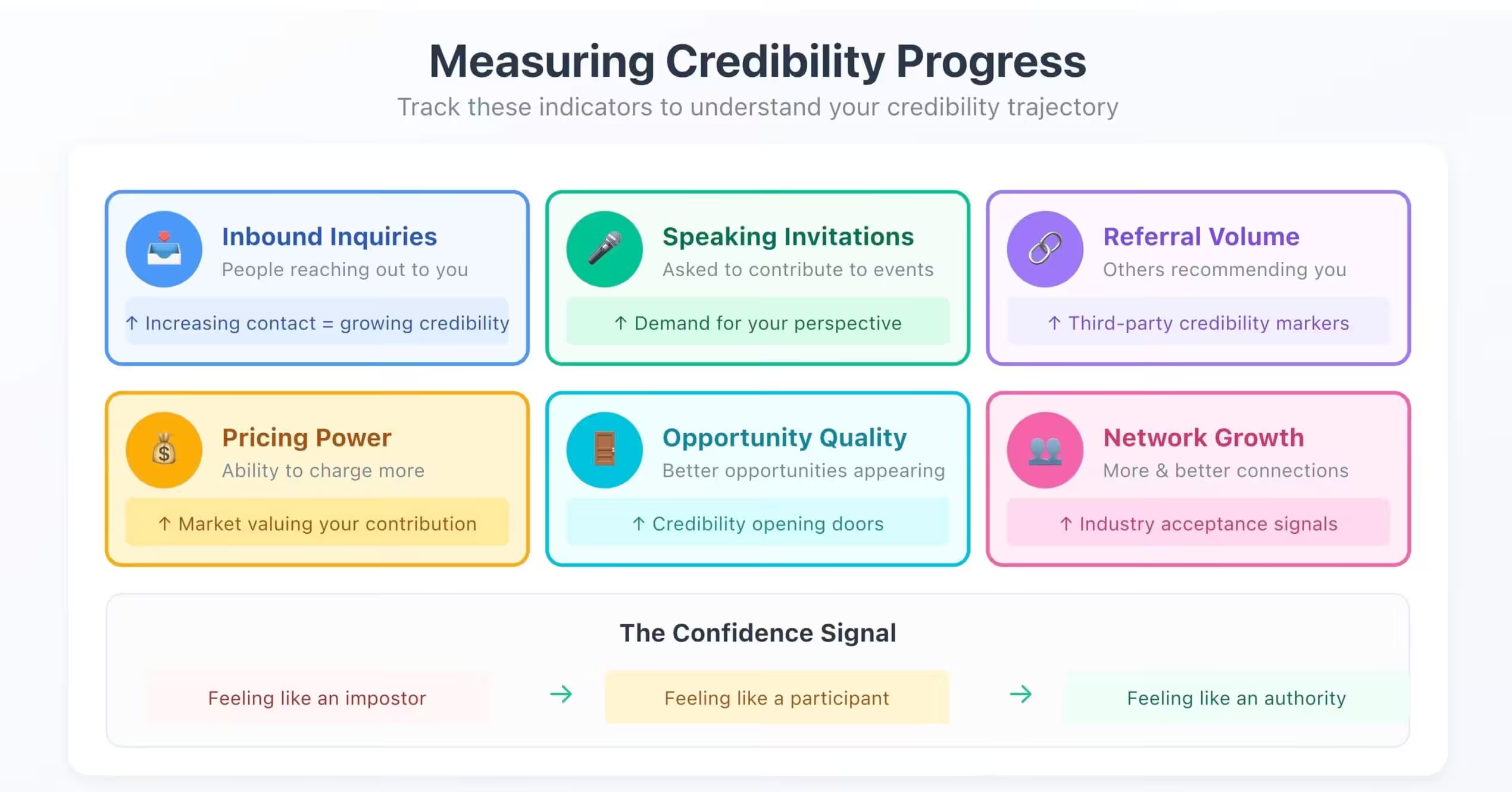
How to track development.
- Inbound inquiries. Are people reaching out to you? Increasing contact is a signal.
- Speaking invitations. Being asked to contribute to events. Growing demand for your perspective.
- Media interest. Publications or podcasts wanting your input.
- Referral volume. Others recommending you. Third-party credibility markers.
- Pricing power. Ability to charge more over time. Market valuing your contribution.
- Opportunity quality. Better opportunities appearing. Credibility opening doors.
- Network growth. More and better connections. Industry acceptance signals.
Track these indicators to understand credibility trajectory.
Quantifying the qualitative
Credibility feels subjective, but its effects are measurable. Track inquiry sources—are more coming from referrals versus cold outreach? Track conversion rates—are people saying yes more often? Track pricing power—can you charge more over time? These proxies reveal underlying credibility even when credibility itself seems intangible.
The confidence signal
Your own confidence in the new industry grows as credibility builds. Notice when you stop feeling like an impostor and start feeling like a participant. When industry conversations feel comfortable rather than anxiety-inducing. When you offer opinions rather than only asking questions. These internal shifts signal external credibility is developing.
Long-Term Credibility Maintenance
Sustaining what you build.
- Continuous learning. Industries evolve. Keep learning. Outdated knowledge erodes credibility.
- Ongoing contribution. Keep creating value. Credibility requires maintenance.
- Relationship nurturing. Stay connected. Relationships fade without attention.
- Integrity protection. One significant integrity failure can destroy years of credibility building.
- Reputation monitoring. Know what’s being said about you. Address problems promptly.
- Giving back. Help others entering the industry. Mentoring others reinforces your own credibility.
Credibility is never fully earned. It’s continuously maintained through consistent action.
Industries change. The credibility you build must evolve with your industry’s evolution. Stay current on emerging practices, new technologies, and shifting expectations. Credibility that was cutting-edge five years ago may be outdated today. Continuous learning isn’t just nice—it’s absolutely essential for sustained long-term credibility.
Making the Transition Work
Practical next steps.
- Assess your starting point. What transferable credibility do you have? What must be built?
- Identify the gap. What specific credibility markers does your target industry value?
- Create a plan. Specific actions to build evidence, relationships, and visibility.
- Start immediately. Credibility building begins now, not when you feel ready.
- Stay consistent. Show up regularly. Consistency builds reputation faster than intensity.
- Be patient. Credibility takes time. Consistent effort compounds.
The industry newcomer faces real challenges, but they’re surmountable. Others have made similar transitions. With strategic, genuine effort, you can build the credibility that opens doors and creates opportunities. The gap between where you are and where you want to be closes one deliberate, consistent action at a time.
Tools for Credibility Building
Technology that supports new industry establishment.
- Portfolio platforms. WordPress, Squarespace, or personal websites showcase your work visibly. Your own domain demonstrates professional commitment. Control over your portfolio presentation matters.
- Content publishing. Substack, Medium, or LinkedIn publishing creates visible expertise documentation. Regular content positions you as someone worth following in your new field.
- Video creation. Loom or YouTube enables expertise demonstration. Video reveals personality and depth that text cannot convey. Speaking on camera builds familiarity faster than writing alone.
- Networking tools. HubSpot or simple spreadsheets track relationship building systematically. When networking is intentional rather than accidental, results compound faster.
- Learning platforms. Coursera, LinkedIn Learning, or industry-specific certifications provide verifiable credentials. Certifications signal commitment and provide conversation starters with established professionals.
- Scheduling. Calendly enables easy virtual coffee scheduling. Lower friction for relationship requests increases acceptance rates from busy industry players.
The Credibility Compound Effect
How consistent action accelerates recognition.
- First months. Individual actions feel small. Each piece of content, each connection, each demonstration of competence seems insignificant against the scale of industry recognition you’re seeking.
- First year. Patterns emerge. Those who’ve seen multiple pieces of your work begin recognizing your name. Connections refer you to other connections. Content accumulates into a body of work.
- Second year. Momentum builds. Inbound inquiries replace outbound efforts. Speaking invitations arrive. Referrals become common. The investment compounds into visible returns.
- Third year and beyond. Authority develops. You’re sought for expertise, not seeking attention. The newcomer disadvantage has inverted—you’re now an established voice, and others are the newcomers.
This timeline isn’t fixed—exceptional results or strategic positioning can accelerate it. But understanding the compound nature prevents discouragement during early stages when effort exceeds visible reward.
FAQs
How long does it take to build credibility in a new industry?
Early credibility takes 3-6 months of consistent activity. Established presence typically requires 1-2 years of consistent value contribution. Authority status takes 3-5+ years. However, exceptional results, major contributions, or high-profile associations can accelerate these timelines significantly.
What skills transfer between industries?
Many capabilities transfer across industries: communication, problem-solving, project management, analysis, professional maturity, work ethic, and learning ability. Pattern recognition from one context helps understand new contexts faster. You’re not starting from zero—you’re applying proven capabilities to new territory.
Should I hide that I’m new to an industry?
No. Honesty about what you’re learning builds trust faster than false claims of expertise. Acknowledge the gap while leading with transferable value. Thoughtful questions show intelligence and genuine interest. Pretending expertise you lack will eventually be exposed and destroy credibility.
How do I overcome impostor syndrome in a new field?
Recognize that everyone entering new fields feels this way—it’s normal, not unique to you. Focus on contribution rather than proving yourself. Document your progress as evidence of growth. Accept discomfort as part of the process. Act despite doubt—confidence follows action, not the reverse.
What are the fastest ways to build industry credibility?
The fastest approaches include: seeking mentorship from established people whose credibility extends to you, creating visible evidence through case studies and content, collaborating with recognized industry players, focusing on a specific niche rather than general positioning, and consistently showing up in industry communities and events.
How important is personal branding for industry transitions?
Over 60% of freelancers in 2025 are investing in personal branding according to HubSpot. With the freelance market exceeding $500 billion globally, standing out requires deliberate effort. Multi-platform visibility combined with niche positioning helps professionals differentiate themselves and command higher rates regardless of industry tenure.
What tools help build credibility in new industries?
Portfolio platforms (WordPress, Squarespace) showcase work visibly. Content publishing (Substack, Medium, LinkedIn) creates expertise documentation. Video tools (Loom, YouTube) demonstrate personality and depth. Networking tools track relationship building. Learning platforms provide verifiable credentials. Scheduling tools enable easy virtual coffee meetings.
Disclaimer: This site is reader-supported. If you buy through some links, I may earn a small commission at no extra cost to you. I only recommend tools I trust and would use myself. Your support helps keep gauravtiwari.org free and focused on real-world advice. Thanks. - Gaurav Tiwari