
 by
byBlogging as a career is still real money in 2026, but it’s harder than it has ever been, and you have to treat it like a business instead of a hobby that pays. I’ve made my living from blogging since 2008, and I’ve watched the easy years end. The short answer to “is blogging a good career” is yes, with conditions: you need genuine expertise, more than one income stream, and the patience to wait roughly two years before it feeds you.

I’m not going to sell you the dream where you write three posts and quit your job. That blogger died around 2023, when Google’s Helpful Content Update and AI Overviews started eating search traffic. What replaced it is a smaller, tougher, more honest version of the same career. The people still winning at it are the ones who know something real and sell it directly. If that sounds like work, good. It is.
Verdict: Blogging is a viable career in 2026 if you treat it as a business, not a side hobby. Roughly 25% of bloggers earn a full-time income and about a third earn nothing at all, so the gap is real. Expect 18 to 24 months before meaningful money arrives. It’s worth it if you have first-hand expertise and the patience to build a real audience. Skip it if you want fast cash, hate consistency, or expect ad revenue to carry you the way it did in 2019.
What changed in 2026: AI search rewrote the rules. Google’s AI Overviews now answer many queries on the results page, so clicks to blogs dropped, and ad-network earners on Mediavine and Raptive watched revenue fall sharply through 2024 and 2025. The flip side: the Helpful Content Update wiped out a lot of content-farm and AI-spam competition, so blogs with original data, real testing, and genuine authority have more room than before. Thin, generic posts lose. First-hand expertise wins.
So, is blogging a good career? The honest numbers
Here’s the part most “start a blog” guides skip. The 2026 Blogging Income Survey found that about a quarter of bloggers earn a full-time income, while over a third earn nothing at all. The average working blogger lands somewhere around $45,000 a year, with most clustered between roughly $38,000 and $52,000. The top end clears six figures, but that’s a minority. And it takes time: the average blogger waits about 22 months before earning meaningful money, and only around 28% reach a full-time blogging income within two years of starting.
I sat with those numbers because they match what I’ve lived. My first year barely covered hosting. The money that matters now comes from affiliate marketing, digital products, and consulting, not from ad impressions. Affiliate income alone accounts for roughly 42% of what bloggers earn today. If you’re picturing blogging income as a banner-ad slot machine, update that picture.
The reason those numbers got tougher is worth understanding before you commit. For most of the 2010s, the path was simple: write helpful posts, rank in Google, run display ads, collect a check tied to pageviews. Then two things hit at once. Google’s Helpful Content Update reshuffled rankings and buried a lot of formerly profitable sites overnight, and AI Overviews started answering questions directly on the search page so readers never clicked through. Ad-network bloggers who’d built their living on search traffic saw earnings fall by half or more. I felt the squeeze on my own analytics. The blogs that held steady were the ones with an email list, a product, and a real reason for people to come back. Traffic you rent from an algorithm can vanish. An audience you own cannot.
| Stage | Realistic timeline | What income looks like |
|---|---|---|
| Months 0 to 6 | Setup, first 30 to 50 posts | Usually $0. You’re building, not earning. |
| Months 6 to 12 | Traffic trickles in, first affiliate sales | $50 to a few hundred per month for many |
| Months 12 to 24 | Authority builds, products launch | $1,000 to $5,000/month if you’re consistent |
| Year 2 and beyond | Diversified income, real audience | $5,000+ for the ~25% who go full-time |
Who should pursue blogging as a career, and who should not
Blogging rewards a specific kind of person. After 18 years and thousands of published pieces, I can usually tell within a conversation whether someone will stick. The career fits you and works against you in equal measure depending on who you are.
Pursue it if you already know something deeply, whether that’s cooking, software, finance, parenting, or repairing motorcycles, and you can write or talk about it for years without running dry. You should enjoy the craft enough to publish when nobody’s reading yet. You need patience measured in years, comfort being your own boss, and a willingness to learn marketing, SEO, and selling, because the writing is only half the job. If you like owning an asset that pays you long after you made it, blogging is one of the few honest ways to build that.
Do not pursue it if you need income this month, because you almost certainly won’t get it. Skip it if you expect to write generic AI-spun posts and rank, because that era is over. Avoid it if you can’t handle long stretches of zero feedback, or if you want a job where someone else sets your tasks and guarantees your paycheck. There’s no shame in that. Blogging just isn’t it.
Multiple income streams make blogging worth it

The single best reason blogging is still worth it: no other career lets one person stack this many income streams from the same body of work. A professional blogger today rarely lives on one source. I earn from affiliate partnerships, sponsored articles, my own digital products, consulting, and content writing services. When one stream dips, the others hold. That’s the resilience that makes it a real career instead of a gamble.
This is also where the 2026 shift bites. The smart bloggers stopped selling their audience to advertisers and started selling to their audience directly: courses, templates, memberships, books. Ad revenue is fragile and tied to traffic you don’t control. A product you own is far sturdier. If you want to make money blogging in a way that survives the next algorithm update, build something only your readers can buy from you.
You own the asset, and it pays for years
A piece of content is close to eternal. Once it’s live and ranking, it can earn for years with little extra work. I have articles from 2014 still bringing in affiliate income today. Think of a strong post like a fixed deposit that quietly pays interest while you sleep. That compounding is the quiet superpower of blogging income, and it’s why patient bloggers eventually pull ahead of people chasing faster, flatter money.
It compounds in skill too. Every post sharpens your writing, your research, and your judgment about what readers actually want. Five years in, you’re not the writer you started as. That growth is real, and it carries into anything else you do.
Freedom, flexibility, and no degree required
Blogging is not a desk job, and it never asks for a diploma. All you need is a device, an internet connection, and something worth saying. I’ve published from trains, hotel rooms, and my kitchen table. Even agencies that hire bloggers rarely care where you sit, as long as the work ships on deadline. For people who can’t or won’t fit into a nine-to-five, that flexibility alone makes blogging worth considering.
No university gatekeeps this field. Anyone with real expertise can start, which is exactly why authenticity matters so much now. Search engines and readers both reward the person who has actually done the thing. If you’ve spent years getting good at something, that experience is your credential. Blogging degrees and most “courses” that promise overnight success are usually a waste of money. The free path of writing, publishing, and learning from your own analytics teaches more.
How to actually start a blogging career in 2026
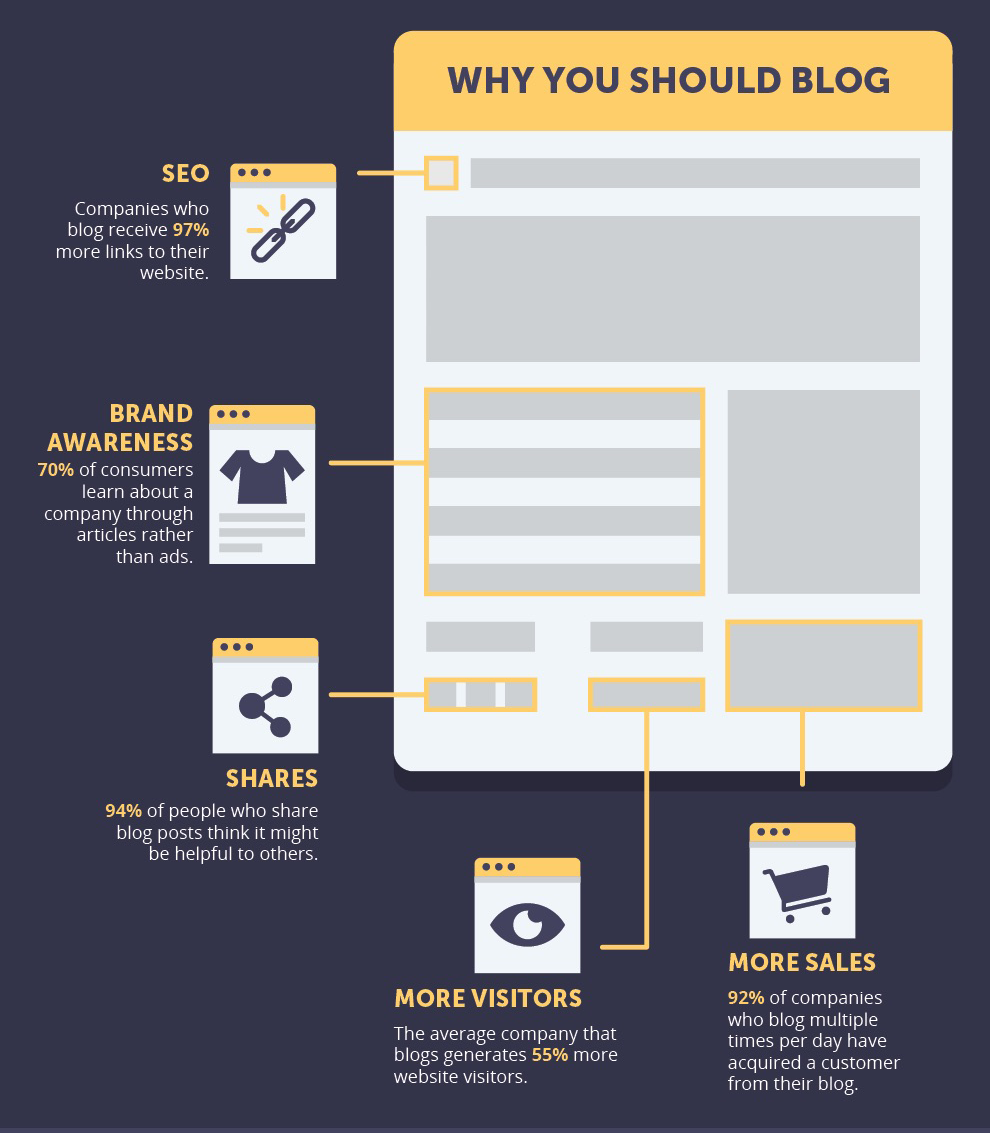
If the honest version still appeals to you, here’s the order I’d follow. Pick a niche you genuinely know, because expertise is now the whole game. Set up a self-hosted WordPress blog so you own the platform outright; I recommend starting on affordable, fast hosting like Hostinger while you’re finding your feet. Then commit to publishing consistently for at least a year before you judge whether it’s working.
Study the people who made it, learn the craft properly, and avoid the rookie traps that kill most blogs early. These guides will save you months: read how the most successful bloggers built their empires, learn to write blog posts faster without losing quality, sidestep the amateur blogging mistakes that sink beginners, and if you’re young, follow this path for blogging for students from zero to your first $100.
The bottom line on blogging as a career
Is blogging a good career in 2026? Yes, but only for the right person doing it the right way. The hobby-that-pays version is gone. What’s left is a legitimate, demanding career where about a quarter of people earn a full living, where it takes roughly two years to get there, and where genuine expertise and owned products beat traffic tricks every time. I’ve made my living this way for 18 years, and I’d choose it again. Just go in with open eyes, treat it as a business from day one, and give it the time it deserves.
That’s the real answer, drawn from my own income and the latest 2026 survey data rather than wishful thinking. Tell me in the comments where you are on the path, and I’ll point you to the next step.
Tell Google you want more of this.
Add Gaurav Tiwari as a preferred sourceOne tap, and this site shows up more often in your own Top Stories, AI Overviews and AI Mode. Remove it any time.