
 by
by
You finished your last paper, your hostel’s emptying out, and the same group chat that’s been planning a trip since February is now a 200-message panic. Here’s the part nobody tells you: this is the only summer of your life when ten friends can clear the same week, when ₹12,000 still goes far, and when “I’ll plan it later” doesn’t mean “never.” If you’re hunting the best places for students to visit during summer vacation in India, this list is built for that exact window between October 2026 and the start of the next semester.
I’ve spent 18 years bouncing between hill stations, riverside towns, and overnight buses with college groups. The destinations below survive every test that matters: a budget under ₹15,000 for a week, doable on Sleeper or 3AC, and the kind of stories you’ll still tell at your alumni meet a decade later. None of this is theoretical. These are trips friends and I have actually run, with current 2026 fares, hostel rates, and food costs from May and June bookings.
Quick jump to any destination:
- Manali, Himachal Pradesh — paragliding and Old Manali cafés
- Leh-Ladakh — the bucket-list ride
- Spiti Valley — high-altitude desert, monk villages
- Kasol & Parvati Valley — riverside backpacker hub
- McLeodganj & Dharamshala — Tibetan culture and trek base
- Rishikesh, Uttarakhand — rafting, yoga, riverside camps
- Jaipur, Rajasthan — palaces, food, Literature Festival circuit
- Goa — monsoon Goa, half the price
- Coorg, Karnataka — coffee plantations, southern misses skip this
- Andaman Islands — actual turquoise water, scuba certified in 4 days
Manali, Himachal Pradesh
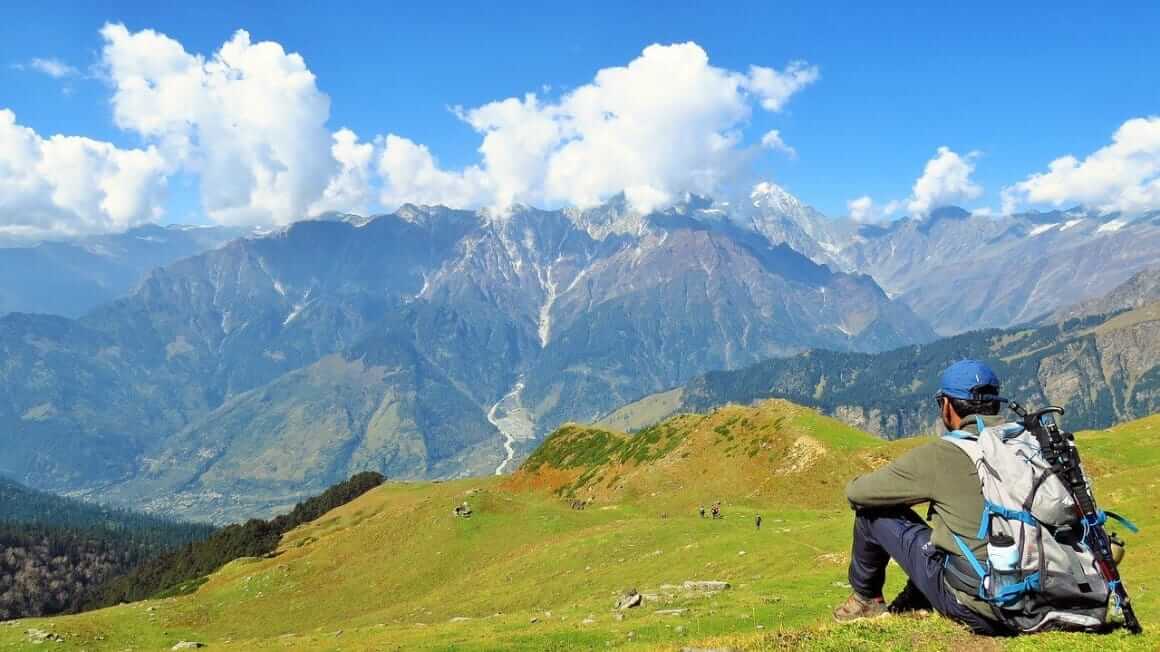
Manali is the default first trip for a reason. A Volvo from Delhi runs ₹1,200 to ₹1,800 one-way (book it on RedBus 10 days out, not at the counter), the ride takes 12 to 14 hours, and you wake up at the Manali bus stand with the Beas River running below you. For most college groups, this is the cheapest way to “feel like you went somewhere” without flying.
Stay in Old Manali, not Mall Road. Hostels like Zostel, The Hosteller, and goSTOPS run dorm beds at ₹450 to ₹700 a night between May and June, with private rooms at ₹1,800 to ₹2,400. Café Drifter’s, Lazy Dog, and Johnson’s Café are the three places every group ends up at. Paragliding at Solang Valley is ₹2,500 for a 15-minute tandem flight (₹3,500 for the longer one — worth it). A day trip to Sissu via the Atal Tunnel runs ₹500 per head if you’re a group of six in a Tempo Traveller.
Honest opinion: skip Hidimba Temple if your group’s just there to chill — it’s a 20-minute selfie stop, not a “destination.” Save your day for the Hampta Pass day trek (₹1,500 with a guide from any Old Manali agency) or just rent Royal Enfields at ₹1,200 a day and ride out to Naggar.
Leh-Ladakh
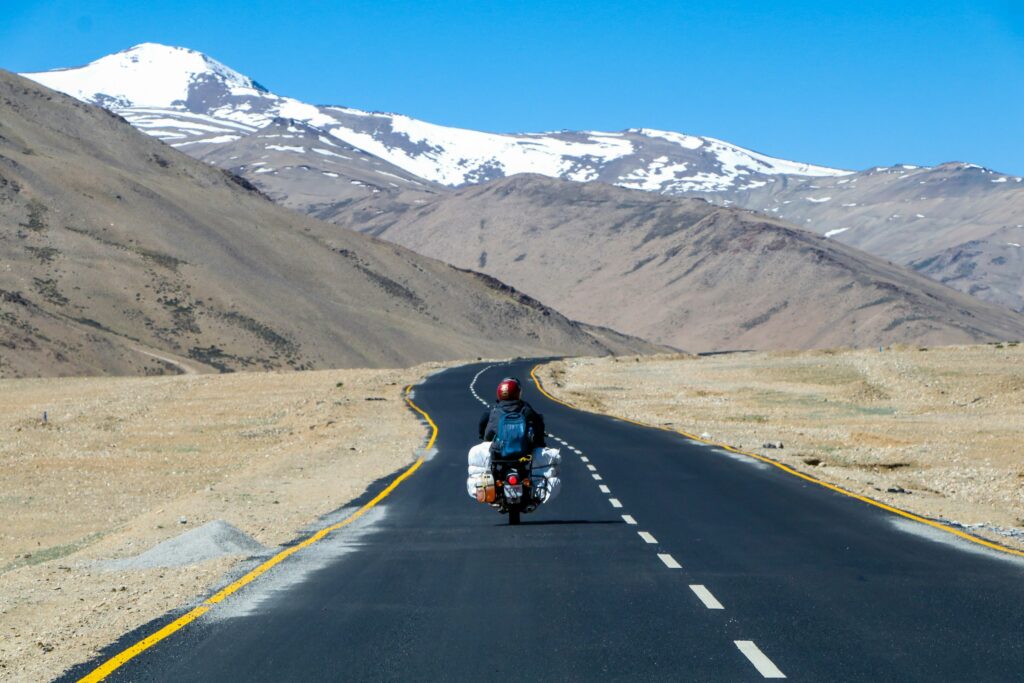
Leh is the trip every Indian college student writes on their list and 70% never actually take. Do it now. Once you’re in a 9-to-5, you won’t get nine consecutive days off until you change jobs.
Two ways in. Fly Delhi to Leh on IndiGo or Air India for ₹6,500 to ₹13,000 round trip if you book by mid-April for June travel. Or ride the Manali-Leh highway: a shared cab is ₹2,500 to ₹3,500, the bus is ₹1,400, and renting a Royal Enfield Himalayan in Manali for the round trip is ₹2,000 a day plus fuel (budget ₹6,000 in petrol). The road opens in late May, every year, depending on snow clearance — confirm with the BRO Twitter handle before you commit.
What you actually do in Leh: a day to acclimatize (do nothing, drink water, this matters — AMS hits even fit 21-year-olds), then Pangong Lake (₹3,500 per head shared SUV round trip), Nubra Valley with the Bactrian camels at Hunder, and Tso Moriri if you have a tenth day. Hostels in Leh Old Town: ₹600 to ₹1,000 dorm, ₹2,500 private. Permits for Pangong and Nubra are mandatory and cost ₹600 per head — get them online via the Leh DC office portal a day before travel.
Pack like you mean it: a windbreaker, gloves, a 30L day pack, lip balm, and Diamox 250mg if your doctor signs off. Phones go BSNL-only beyond Leh city, so download offline maps and tell your parents the rough plan before you lose signal.
Spiti Valley, Himachal Pradesh
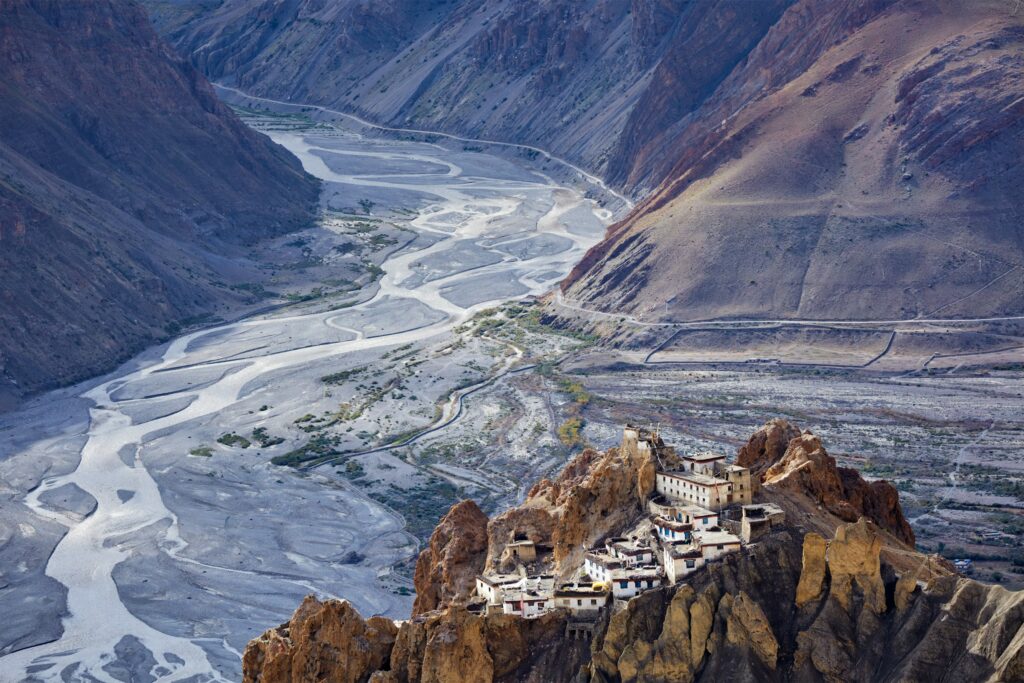
Spiti is what Ladakh was 15 years ago — emptier, harsher, no Royal Enfield convoys, and roughly half the cost. If your group has even one person who’s “done Ladakh,” push them toward Spiti instead. They’ll thank you in Komic.
The full circuit from Shimla via Kinnaur to Kaza and back through Manali takes 8 to 10 days. Most student groups do the shorter Manali-Kaza-Manali loop in 6 days because the Manali side opens by late May. A shared Tempo Traveller from Manali to Kaza is ₹1,800 to ₹2,200 per head one-way, and homestays in Kaza, Tabo, Langza, and Kibber run ₹600 to ₹900 a night with dinner included (this is the actual price, not the inflated booking-portal rate — message Spiti homestays directly on WhatsApp).
Don’t miss Key Monastery at sunrise, the world’s highest post office at Hikkim (₹50 for a postcard home, post it from there — your parents will frame it), and Chandratal Lake on the way back if Kunzum Pass is open. Spiti is high altitude (Kaza sits at 3,800 meters), so the same AMS rules apply. Drink three liters of water a day and skip alcohol the first 48 hours, even if your roommate insists.
Kasol & Parvati Valley
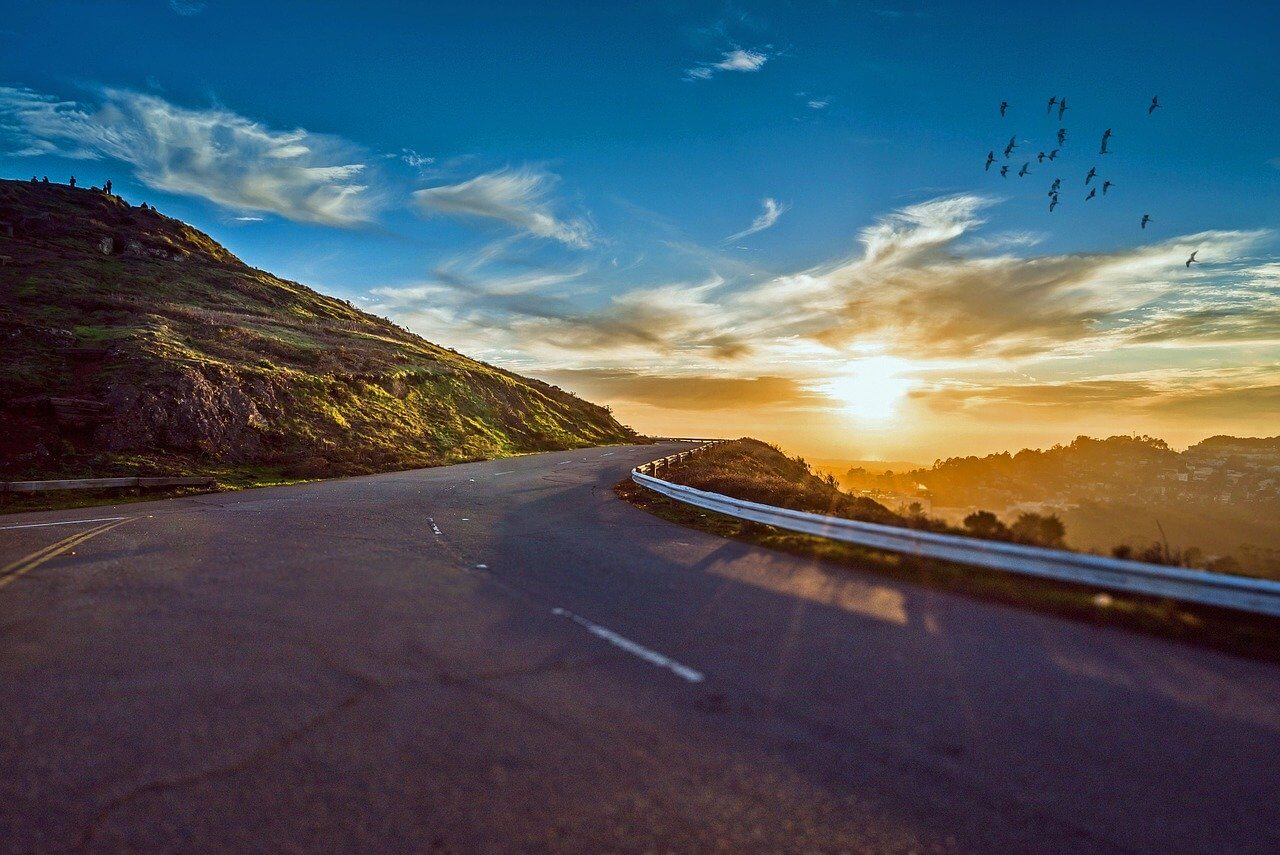
Kasol is loud, cheap, and exactly the right vibe for 21-year-olds with three days off. It’s also one of the easiest hill stations to reach from Delhi — overnight Volvo from Majnu ka Tila to Bhuntar (₹1,000 to ₹1,400), then a ₹150 shared cab up to Kasol. You’re at a riverside café eating Israeli shakshuka by 10 AM the next day.
Stay in Tosh, not Kasol itself. It’s a 45-minute cab from Kasol up a steep road, sits at 2,400 meters, and rooms in family-run guesthouses go for ₹500 to ₹900 with Parvati River views. Kasol is a 2-hour walk back down for nightlife and shopping. The Kheerganga trek is the obvious 2-day add-on — 12 km up, hot springs at the top, tents at ₹600 a head with dinner. Go on a weekday in May, not a Saturday in June, or you’ll be sharing the spring with 200 other people.
Practical warning: Parvati Valley has a serious drug culture and an even more serious “people go missing” reputation. Stay on marked trails, never trek alone, and don’t accept anything from anyone who calls you “bhai” 30 seconds after meeting you. The view, the river, and the Israeli food are worth the trip — the rest isn’t worth your future.
McLeodganj & Dharamshala
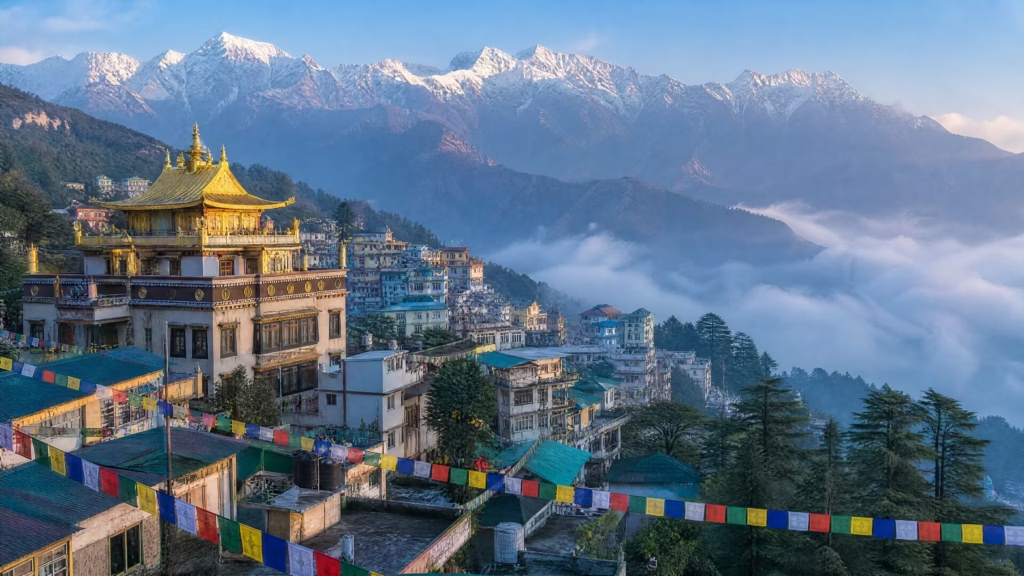
McLeodganj is the trip you take when you want to actually think. The home of the Tibetan government-in-exile sits at 2,100 meters, the air is clean, the cafés have real Wi-Fi, and the Dalai Lama’s Namgyal Monastery is open to visitors most mornings. For a student group that wants quiet over loud, this beats Kasol every time.
Volvo from Delhi to Dharamshala is ₹1,100 to ₹1,500, 12 hours overnight, then a ₹150 cab up the hill to McLeodganj. Hostels like Zostel McLeodganj and Lhasa House run dorms at ₹400 to ₹600 in May and June. The Triund trek is the headline activity — 9 km, 4 to 5 hours up, panoramic Dhauladhar views, and tent camping at the top is ₹700 with dinner. Bhagsu Falls, Dal Lake (the small one, not Kashmir’s), and the Tibetan Library are easy half-day stops in McLeodganj itself.
Eat at Nick’s Italian Kitchen, Tibet Kitchen, and Common Ground Café. A full meal with momos, thukpa, and chai is ₹250 a head. If your group has anyone who journals, paints, or just wants a week of quiet to figure out what to do after college, this is the destination. I’d put it ahead of Manali for “calm” — the same way Rishikesh beats Goa for “reset.”
Rishikesh, Uttarakhand
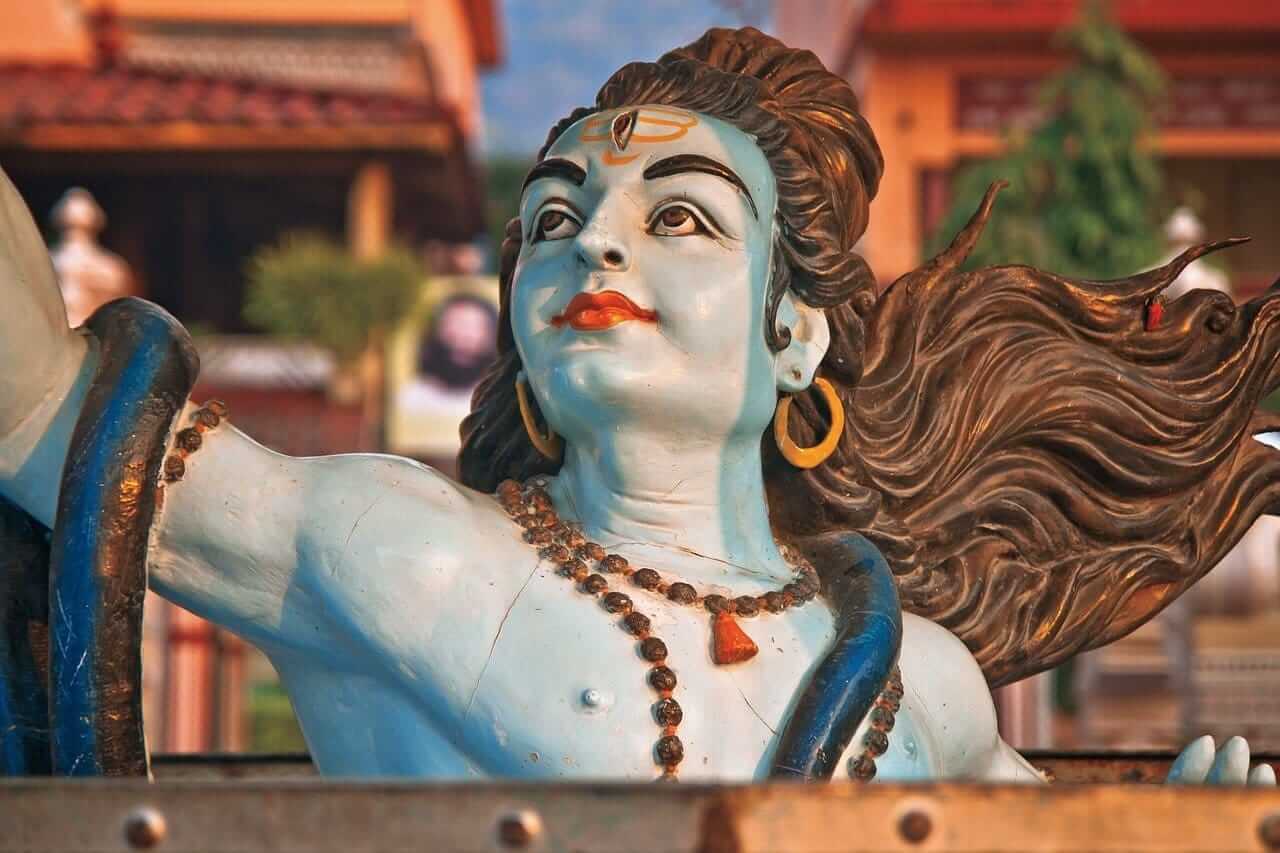
Rishikesh is the most underrated weekend trip on this list. Six hours from Delhi by overnight bus (₹600 to ₹900) or 4 hours from Dehradun, it stacks more activities into 3 days than any other destination here. A 16 km Shivpuri-to-Rishikesh white-water rafting run with two camp options is ₹1,200 to ₹1,800 per head. Bungee jumping at Jumpin Heights is ₹3,750 — yes, it’s a real 83-meter free fall, and yes, your friend will chicken out.
Stay in Tapovan or Laxman Jhula, not Ram Jhula (which is more pilgrim crowd, less student crowd). Live Free Hostel, Bunk Stay, and Moustache Hostel run ₹400 to ₹600 dorm beds with rooftop Ganga views. The riverside camps at Shivpuri are the better play — ₹1,500 to ₹2,500 a night for a tent, all meals, a bonfire, and a rafting session next morning. Book directly with operators like Aquaterra Adventures or Snow Leopard, not through OYO middleman pages where the price doubles.
Bonus play: do the 4-day yoga and meditation drop-in at any Tapovan ashram for ₹3,000 to ₹5,000 including stay and three meals. It’s not a spiritual conversion. It’s a structured 4-day reset that pairs strangely well with the rafting. If you’re trying to build better routines after college, do this once.
Jaipur, Rajasthan
Jaipur is the trip your humanities friends will actually agree to. It’s the city where Hawa Mahal, Amer Fort, City Palace, and Jantar Mantar all sit within a 12 km radius, where a thali at LMB or Rawat Mishthan Bhandar is ₹250, and where 42°C in May is the trade-off for sleeping in a Pink City haveli at ₹1,500 a night.
Train from Delhi: the Double Decker (12985) leaves New Delhi at 5:50 AM, hits Jaipur by 10:30 AM, and a CC ticket is ₹655. Stay at Zostel Jaipur, Moustache Jaipur, or Madpackers — ₹500 dorm, ₹2,000 private. Hire an electric tuk-tuk driver for the day at ₹800 to ₹1,200 — covers Amer, Nahargarh, Jal Mahal, and gets you back to the Old City by sunset.
The Jaipur Literature Festival runs in late January each year, not summer — but the city’s bookstore-and-coffee-shop circuit (Bookwise, Cafe Palladio, Tapri Central) is a year-round student haunt. Add a one-day side trip to Pushkar (4 hours by bus, ₹250) if you have an extra day. It’s the cheapest way to feel like you saw rural Rajasthan without committing to a desert safari.
Goa (the Monsoon Edition)

Everyone tells you not to do Goa in monsoon. They’re wrong. June through August is when Goa is half the price, two-thirds empty, and infinitely more atmospheric than the December tourist crush. The trade-off: water-sports operators close, some shacks shut, and you’ll get rained on for 30 minutes a day. Worth it.
Flights Delhi-Goa drop to ₹3,200 round trip on IndiGo and Akasa in late May. Train: the Goa Express (12780) and the Mandovi Express (12321) both run from Delhi/Mumbai at sleeper rates of ₹600 to ₹900. Stay in North Goa for first-timers (Anjuna, Vagator, Assagao), South Goa if you want quiet (Palolem, Agonda). Zostel Goa, The Hosteller Anjuna, and Roadhouse Hostels run ₹500 to ₹900 dorm beds — half the December rate.
What you do: rent a scooter at ₹350 to ₹500 a day (Activa, not Royal Enfield, in monsoon — trust me), ride to Dudhsagar Falls when it’s at full flow, eat a fish thali at Vinayak Family Restaurant in Assagao, watch the Latin Quarter of Fontainhas turn into a postcard in the rain, and hit Saturday Night Market in Arpora if it’s running. Skip the parasailing-and-jetski package. It’s a December scam dressed up as a monsoon offering.
Coorg, Karnataka
Coorg is the south India answer for a college group that’s tired of the Delhi-Manali-Leh axis. Coffee plantations, 22°C summer days, Abbey Falls in full flow during pre-monsoon, and a coast trip add-on to Mangalore that costs less than two nights in Goa.
Bangalore to Madikeri is 250 km, 5 to 6 hours by KSRTC Airavat at ₹650, or split a Zoomcar at ₹3,500 a day across four people. Stay in Madikeri town for the cafés or in a homestay near Pollibetta for the plantation experience — Coorg homestays are the cheapest “real” experience in Indian travel right now, ₹800 to ₹1,500 per head with three meals included. The Tata Coffee Estate tours run ₹500 with a cup of fresh-roasted coffee.
Day plan: Abbey Falls in the morning, Raja’s Seat for sunset, Dubare Elephant Camp the next day (₹650 for elephant interactions, ethical operator). The Tadiandamol trek is 13 km round trip, the highest peak in Coorg, and you can do it solo in 5 hours with decent shoes. End the trip with two nights in Gokarna or Mangalore on the way back. South India travel is criminally underused by north Indian college students, and Coorg is the gentlest entry point.
Andaman Islands
The Andamans are the closest thing to “abroad” that an Indian student passport can buy without a visa. Turquoise water, white sand, scuba certification courses, and a pace that breaks every “always-online” habit you built during exams.
Flights Delhi-Port Blair (now officially Sri Vijaya Puram) run ₹6,500 to ₹14,000 round trip. Book May or September for the cheapest fares — peak monsoon (June-August) has rough seas, and December-January doubles the price. From Port Blair, take the Makruzz or Green Ocean ferry to Havelock Island (now Swaraj Dweep) for ₹1,200, then the Radhanagar-Elephant-Kalapathar beach circuit. Stay at Emerald Gecko, Coconut Grove, or any of the SSI dive resort dorms — ₹800 to ₹1,500 per head.
The headline experience: a 4-day PADI Open Water dive certification course at Havelock costs ₹22,000 to ₹26,000, includes all gear and four open-water dives, and gives you a license that’s valid worldwide for life. If your group has the budget, do this. If not, a single-day Discover Scuba session is ₹3,500. Either way, you’ll see lionfish, parrotfish, and live coral at 12 meters in water clearer than any swimming pool you’ve ever been in.
Budget reality: Andamans is the most expensive trip on this list at ₹25,000 to ₹40,000 per head for a 7-day trip including the certification course. If you’re comparing how to fund a bigger trip, this is the one worth saving for. The other nine on this list fit under ₹15,000.
Budget and Best Time Comparison
Quick reference for planning. All figures are per-head budgets for a group of four to six, based on May-June 2026 bookings, traveling on Sleeper or 3AC trains and Volvo buses, staying in hostels and homestays, and eating at student-friendly local places (not hotel restaurants).
| Destination | Best Time | Days Needed | Per-Head Budget | Best For |
|---|---|---|---|---|
| Manali | May to early July | 4-5 days | ₹7,000 – ₹10,000 | First trip, paragliding |
| Leh-Ladakh | June to early Sep | 8-10 days | ₹18,000 – ₹28,000 | Bucket-list ride |
| Spiti Valley | Late May to Sep | 6-8 days | ₹12,000 – ₹16,000 | Quiet, high-altitude |
| Kasol & Parvati | April to June | 3-4 days | ₹5,000 – ₹7,500 | Short weekend |
| McLeodganj | March to June | 3-5 days | ₹6,000 – ₹9,000 | Calm, journaling |
| Rishikesh | March to June, Sep-Nov | 2-3 days | ₹4,000 – ₹6,500 | Adventure, yoga |
| Jaipur | Oct to March, also May | 3-4 days | ₹5,500 – ₹8,000 | Culture, food |
| Goa (monsoon) | June to early Sep | 4-5 days | ₹8,000 – ₹12,000 | Cheap beach trip |
| Coorg | March to June, Sep-Nov | 3-4 days | ₹6,000 – ₹9,000 | South India intro |
| Andaman Islands | Oct to May | 6-8 days | ₹25,000 – ₹40,000 | Scuba, splurge trip |
How to Actually Pull This Off (and Not Cancel)
Every college trip dies in the same place: the WhatsApp group, three weeks before the date, when one person says “yaar mera plan change ho gaya.” Here’s the playbook that’s worked for me across 15+ group trips.
- Lock dates first, destination second. Pick a 5-to-9-day window everyone agrees to in writing. Then choose where to go. Most trips collapse because people negotiate destinations before dates.
- Collect ₹3,000 per head upfront. Refundable only if the trip itself is cancelled, not if one person backs out. This single rule kills 80% of last-minute drop-outs.
- One person owns bookings. Volvo, train, hostel — one ID, one card, everyone Venmo/UPI’s their share within 48 hours. Group decisions kill timing on hostels that fill up by mid-April for June.
- Pack light. One 40L backpack, one daypack. Hill-station laundry costs ₹50 per kg, hostel washing machines are usually free. Don’t carry seven outfits for a five-day trip.
- Carry ₹5,000 cash. UPI breaks above 2,500 meters and on island ferries. ATMs in Spiti, Leh, and the Andamans run dry by 4 PM.
- Travel insurance is ₹150 a day. For Leh, Spiti, and Andamans, get it. Acko, Digit, and ICICI Lombard all sell short-term student-friendly plans. A single helicopter evacuation in Ladakh costs ₹4 to ₹7 lakhs without coverage.
One more thing on funding the trip itself. If your parents aren’t covering it and you’re working a part-time gig or running a side income, plan two to three months ahead. The students I know who actually take these trips treat the savings goal the same way they’d treat a tuition payment — automatic, monthly, untouchable. The ones who try to “see if I can swing it next month” are also the ones who never go.
Frequently Asked Questions
What is the cheapest summer destination for Indian college students?
Rishikesh and Kasol are the cheapest options on this list. A 3-day Rishikesh trip from Delhi runs ₹4,000 to ₹6,500 per head including overnight bus, hostel, two meals a day, and one rafting session. Kasol is ₹5,000 to ₹7,500 for the same duration. Both are doable for a student living off a part-time stipend.
Is Leh-Ladakh safe for first-time student travellers?
Yes, with two caveats. Acute Mountain Sickness (AMS) is real above 3,500 meters, so plan a full rest day after landing in Leh and drink three litres of water a day. Roads to Pangong, Nubra, and Tso Moriri close intermittently — confirm with the BRO Twitter handle and your hotel before booking SUVs. Travel insurance covering helicopter evacuation is non-negotiable for this trip.
Should I visit Goa in summer or wait for December?
Visit in monsoon (June to August) if you’re a student on a budget. Hostel rates are 40-50% lower than December, flights drop to ₹3,200 round trip, and the crowd is gone. Trade-offs: water sports shut down, some shacks close, and you’ll get rained on. The atmosphere — empty beaches, full waterfalls, half-price drinks — is worth the trade.
How much should a 7-day budget college trip cost in India?
For most destinations on this list except Andamans and Leh, ₹10,000 to ₹15,000 per head covers a 7-day trip. That includes train or Volvo travel, hostel beds at ₹500-700 a night, three meals a day at ₹200-300 each, and one or two paid activities. Andamans runs ₹25,000 to ₹40,000 because of flights and dive costs. Leh runs ₹18,000 to ₹28,000 because of altitude SUVs and permits.
What is the best time to visit hill stations in India for students?
Mid-April to early July, before peak monsoon. May and early June are the sweet spot — exams are done, hill stations are open, snow has cleared from Manali-Leh and Manali-Spiti routes by late May, and Goa hasn’t fully flooded yet. Avoid mid-July to mid-August in the Himalayas because of landslides on roads to Manali, Kasol, and Spiti.
Can I do Spiti Valley as my first hill-station trip?
Skip it as a first trip. Spiti is high-altitude (Kaza is at 3,800 meters), the food is limited, and the road conditions are harder than Manali. Start with Manali or McLeodganj for your first hill-station trip, then take on Spiti or Leh on your second or third. Your body and your group dynamics both need a warm-up.
Are these destinations safe for solo female student travellers?
Most are. McLeodganj, Rishikesh, Manali (Old Manali side), Coorg, and the Andamans have strong solo female traveller communities and women-only hostel dorms at Zostel and goSTOPS. Kasol and Parvati Valley get mixed reviews because of the drug scene and isolated trails — go in a group, not solo. Leh-Ladakh is generally safe in town and on shared SUV trips, but solo bike trips need more caution.
Just Book the Tickets
The hardest part of any college trip isn’t the budget, the route, or even getting six people to clear the same week. It’s the moment between “we should plan this” and “I just booked the bus.” That gap kills more student trips than monsoon, money, and parental approval combined.
Pick one destination from this list. Open RedBus or IRCTC. Lock the dates this weekend. The trip writes itself after that — every group I’ve travelled with figured out hostels, food, and activities in the last 72 hours, never the first three weeks of “planning.”
You won’t have nine free days like this again until you change jobs in your late twenties. Use them.
Tell Google you want more of this.
Add Gaurav Tiwari as a preferred sourceOne tap, and this site shows up more often in your own Top Stories, AI Overviews and AI Mode. Remove it any time.