
 by
by
GPU prices in India don’t track what Western tech sites quote. The RTX 5090 that sits at $1,999 in the US lands at Rs. 3,15,000 and up here once import duties and GST stack on top. AMD and Intel cards drift in and out of stock without warning. And most forum advice ignores Indian summers, budget PSUs, and the markup that hits mid-range cards during festive season.
India’s GPU market has real quirks. A card that’s “best value” globally can be a poor buy here if it forces a PSU upgrade that blows the rest of your budget. The market in mid-2026 is also wider than it was a year ago. NVIDIA’s full RTX 50-series is on shelves down to the RTX 5060, AMD has filled out RDNA 4 with the RX 9060 XT under the 9070 pair, and Intel’s Arc B-series finally gives budget buyers a third option. That changes the math at every price tier, so this guide is rebuilt around what you can actually order today.
Below are the gaming GPUs that make sense for Indian buyers right now, organized by budget tier. Every card is available on Amazon.in. Target resolution, power requirements, and honest downsides are all included.
Top Picks at a Glance
- RTX 5090: No-limits 4K plus pro workloads, 32GB GDDR7, Rs. 3,15,000+
- RTX 5080: Best high-end 4K card, matches the old RTX 4090 at lower power draw
- RTX 5070 Ti: 1440p/4K crossover with 16GB GDDR7, Rs. 83,000-1,40,000
- RTX 5070: RTX 4090-class rasterization for Rs. 60,000-87,000
- RX 9070 XT: 7-10% faster than RTX 5070 in rasterization, 16GB VRAM
- RX 9070: RDNA 4 with 16GB VRAM, Rs. 55,000-80,000
- RTX 4070 Ti Super: Last-gen bargain with 16GB VRAM when it undercuts the RTX 5070
- RTX 4070 Super: Reliable 1440p card, Rs. 48,000-63,000 on clearance
- RTX 5060 Ti 16GB: Blackwell GDDR7 and DLSS 4 for 1080p/entry 1440p
- RX 9060 XT 16GB: Best new sub-Rs. 50,000 RDNA 4 card, big VRAM
- RTX 5060: Mainstream 1080p Blackwell card with DLSS 4
- RX 7800 XT: 16GB VRAM around Rs. 40,000, top value 1440p clearance card
- RX 7600: Solid budget pick around Rs. 22,000-28,000
- Intel Arc B580: 12GB budget king, best value under Rs. 30,000
How to Choose a Graphics Card in India
Match the GPU to the monitor’s resolution first. Buying a 4K-capable card for a 1080p screen wastes Rs. 20,000-40,000. Here’s the framework that holds for India specifically:
- 1080p gaming (most Indian gamers): Intel Arc B580, RX 9060 XT, RTX 5060, or RX 7600. No need for more unless you’re chasing 144+ FPS in competitive shooters.
- 1440p gaming (the sweet spot in 2026): RTX 5070, RX 9070, or RTX 4070 Super. Best price-to-performance ratio right now.
- 4K gaming: RTX 5080, RTX 5070 Ti, or RX 9070 XT. Anything below this tier struggles with 4K at high settings in modern titles.
- No-compromises 4K: RTX 5090. Only if budget isn’t a concern. The price jump from the 5080 to the 5090 is steep for the performance gain at Indian MRP.
Check the power supply before ordering. Modern GPUs have transient power spikes that trip overcurrent protection on cheap PSUs. Running a GPU at over 80% of the PSU’s rated capacity causes instability that’s harder to diagnose than a dead GPU. That ruins more gaming sessions than the wrong GPU choice does.
One word on the next refresh: NVIDIA’s rumored RTX 50 “Super” cards (a 24GB RTX 5080 Super and RTX 5070 Ti Super, an 18GB RTX 5070 Super) have slipped repeatedly and, as of June 2026, still haven’t launched. Don’t wait on a card that may arrive late in 2026 with India pricing unknown. The lineup below is what you can buy and use today.
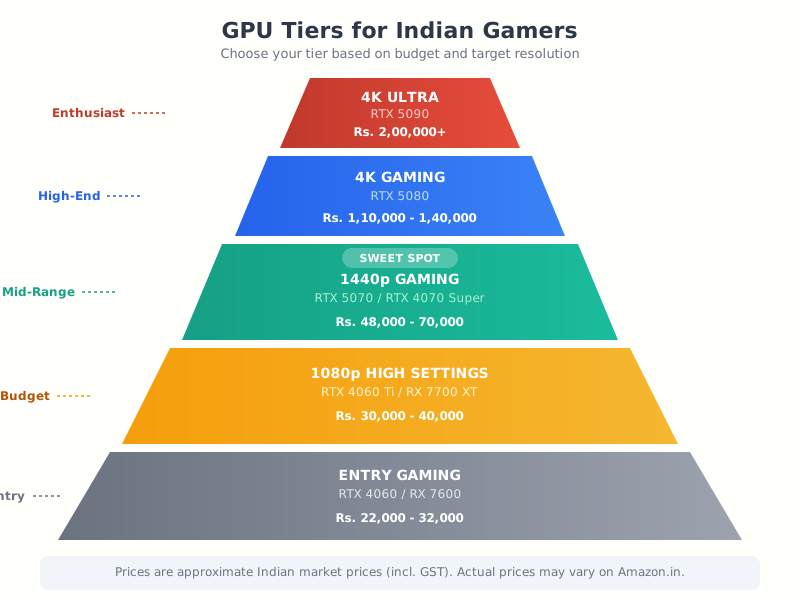
Best Graphics Cards for Gaming in India 2026
These are organized flagship to budget. Every card listed is available on Amazon.in, with target resolution and power requirements included.
NVIDIA GeForce RTX 5090
Best for: 4K ultra gaming with max ray tracing, professional 3D rendering, content creators who also game.
The RTX 5090 is NVIDIA’s absolute flagship, built on the Blackwell GB202 die with 32GB GDDR7 on a 512-bit bus delivering 1.79 TB/s of bandwidth. At 4K it runs roughly 27-35% faster than the old RTX 4090, and its fifth-gen RT cores nearly double ray tracing throughput. At 1440p the gap narrows to around 12% over the 4090, so the value case gets thinner if high-refresh 1440p is the target.
Indian pricing is the main problem. At Rs. 3,15,000 to Rs. 6,17,000 depending on the AIB model, this card sits well above MSRP after import duties and GST. That’s a serious premium on top of an already expensive card. The 575W TDP means a 1000W PSU with a 16-pin power connector is non-negotiable. Many RTX 50-series cards also exceed 330mm in length, so confirm case clearance before ordering.
The honest calculus: unless the workload includes professional 3D rendering, local AI inference, or content creation at 4K alongside gaming, the RTX 5080 delivers roughly 80% of the 5090’s gaming performance at half the price in India. The 5090 is a different category of product, not just a faster gaming card.
NVIDIA GeForce RTX 5080
Best for: 4K 144Hz gaming, high-end builds that don’t need the 5090’s price tag.
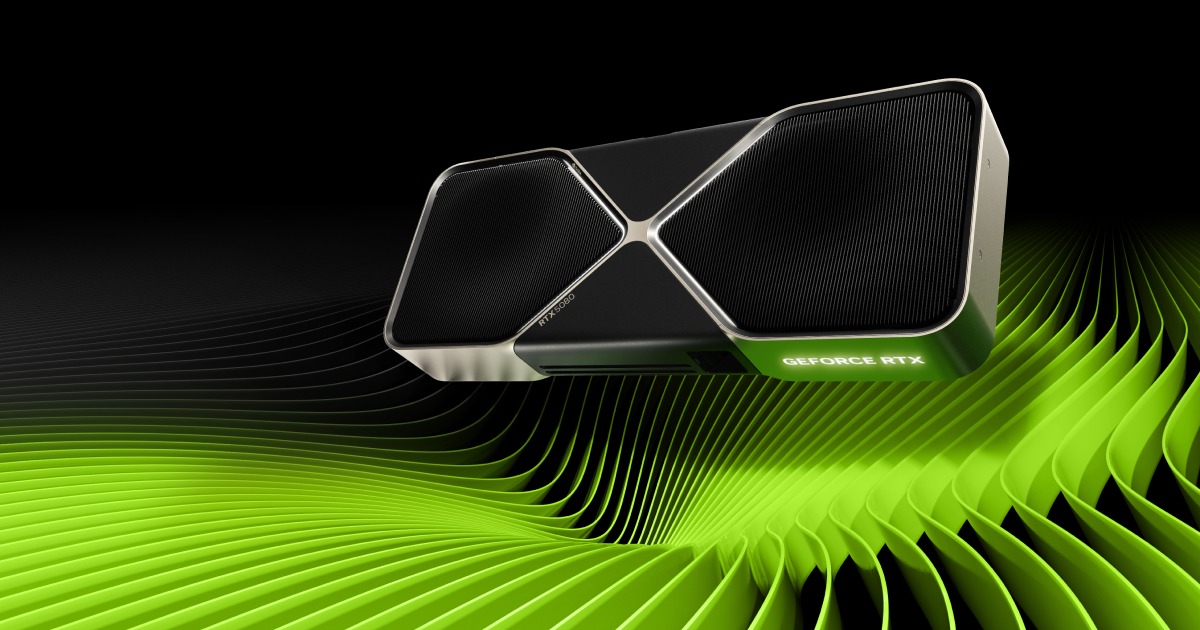
The RTX 5080 sits at the sweet spot for serious 4K gaming. Built on the Blackwell GB203 die with 16GB GDDR7 and a 256-bit bus, it trades blows with the RTX 4090 in most games while drawing 360W instead of 450W. At 4K it runs 14-17% faster than the RTX 5070 Ti, a meaningful gap when pushing high refresh rates at 4K ultra.
Indian pricing lands around Rs. 1,20,000 to Rs. 2,11,000 depending on the AIB model and retailer. A minimum 850W PSU is required. DLSS 4 with Multi Frame Generation pushes frame rates past 100 FPS in most 4K titles with ray tracing enabled, and DLSS 4.5 has tightened image quality further over the last year.
For buyers with a 4K 144Hz monitor, this is the strongest GPU purchase right now. The 5080 delivers about 80% of the 5090’s performance at roughly half the Indian price, making it the best high-end value on this list. The 360W TDP also means it runs cooler and quieter than the 5090, which matters when ambient temps hit 40°C in Indian summers.
NVIDIA GeForce RTX 5070 Ti
Best for: 1440p max settings with headroom for 4K, mid-to-high budget builds.
The RTX 5070 Ti bridges the gap between the 5070 and 5080 with 16GB GDDR7 on a 256-bit bus. It runs roughly 15-20% faster than the RTX 5070 at 1440p and about 12-14% slower than the RTX 5080 at 4K. That puts it in a strong spot for 1440p ultra while staying capable at 4K high settings, and the 16GB buffer gives it more headroom than the 5070’s 12GB.
Indian pricing now ranges from about Rs. 83,000 for budget AIB models to Rs. 1,40,000 for premium variants, having settled a little since launch. The 300W TDP is manageable with a 750W PSU. DLSS 4 Multi Frame Generation is included, which substantially boosts frame rates in supported titles beyond what raw hardware would suggest.
The consideration before buying: check the price gap between the 5070 Ti and 5080 at the time of purchase. If it’s under Rs. 30,000, the 5080 may be the better call for longevity. If it’s Rs. 40,000+, the 5070 Ti with 16GB GDDR7 is the sensible pick for 1440p gaming with occasional 4K use.
NVIDIA GeForce RTX 5070
Best for: 1440p gamers who want near-flagship performance under Rs. 87,000.
The RTX 5070 is where the value equation gets interesting for most Indian gamers. NVIDIA positions it at RTX 4090-level rasterization with DLSS in play, and third-party 1440p benchmarks broadly back the raw-raster case at this tier. The Blackwell architecture with 12GB GDDR7 on a 192-bit bus and a 250W TDP makes this one of the more efficient mid-range cards in years.
Street prices on Amazon.in from AIBs like MSI and Gigabyte now run roughly Rs. 60,000 to Rs. 87,000 depending on the cooling variant, with several models settling near Rs. 67,000-72,000. A 650W PSU handles it comfortably. DLSS 4 Multi Frame Generation turns this mid-range card into a 4K-capable machine in supported titles, with some reviewers reporting 4K 60+ FPS in demanding AAA games.
The 12GB VRAM is the one legitimate concern. Some 4K textures in newer games already push past 12GB. For pure 1440p gaming in 2026 this is a non-issue. If the plan is to game at 4K in two to three years without upgrading, the RTX 5070 Ti or an RX 9070 with 16GB is the safer long-term choice. At current pricing, the gap to the 5070 Ti is often under Rs. 25,000 in India.
AMD Radeon RX 9070 XT
Best for: Native-resolution gamers, anyone who wants 16GB VRAM at mid-range prices.
AMD’s RX 9070 XT is the RDNA 4 flagship that directly challenges the RTX 5070, and it launched on 6 March 2025 alongside the RX 9070. Head-to-head testing shows it running 7-10% faster than the RTX 5070 in rasterization at 1440p and 4K. The 64 Compute Units and 16GB GDDR6 on a 256-bit bus deliver genuine mid-to-high-end performance, with a clearly better price-per-FPS than the RTX 5070 in raw raster.
On Amazon.in and Indian retailers, the card spans roughly Rs. 71,000 for entry models like the Sapphire Pulse up to Rs. 1,31,000 for premium AIB variants. FSR 4 upscaling improved sharply with RDNA 4, though NVIDIA’s DLSS 4 still leads in image quality and frame generation. Real-world gaming load sits closer to 300W, so a 700W PSU is recommended.
For gamers who play mostly at native resolution, the extra 4GB VRAM over the RTX 5070 (16GB vs 12GB) makes this the smarter long-term buy at current Indian prices. The only real caution is AMD’s historical driver stability at launch, though RDNA 4 drivers have matured well over the past year.
AMD Radeon RX 9070
Best for: Team Red fans who want RDNA 4 without paying XT pricing.
The RX 9070 uses the same RDNA 4 Navi 48 die as the XT but with 56 Compute Units instead of 64, targeting 1440p at a lower price. It competes directly with the RTX 5070 while offering 16GB GDDR6, which is 4GB more VRAM than the RTX 5070’s 12GB GDDR7.
Pricing in India runs roughly Rs. 55,000 to Rs. 80,000 depending on the AIB model and availability. At the lower end of that range it’s arguably the best VRAM-per-rupee deal among current-gen GPUs. Pair it with a good 1440p 165Hz monitor and the setup handles every major title at high-to-ultra without compromise. FSR 4 adds AI-assisted upscaling and frame generation for supported titles.
The consideration is the same as with the RX 9070 XT: if ray tracing is a priority or the game library leans heavily on DLSS-enhanced titles like Cyberpunk 2077 or Alan Wake 2, the NVIDIA equivalent at a similar price is more capable in those specific workloads. For everything else, the RX 9070 is a strong mainstream buy.
NVIDIA GeForce RTX 4070 Ti Super
Best for: Buyers who find last-gen stock cheaper than the RTX 5070, VRAM-heavy workloads.
The RTX 4070 Ti Super is last-gen Ada Lovelace, but it’s still an excellent card. The 16GB GDDR6X on a 256-bit bus is more than the RTX 5070 offers, and it delivers competitive 1440p and 4K rasterization. As retailers clear remaining stock, India pricing has dropped to roughly Rs. 55,000 to Rs. 75,000, sometimes undercutting the RTX 5070.
The 285W TDP needs a 700W PSU. DLSS 3 Frame Generation is included, but the card misses out on DLSS 4 Multi Frame Generation, which is a real-world gap in supported titles. For workloads that benefit from VRAM headroom, the 16GB GDDR6X gives it an edge over the RTX 5070’s 12GB GDDR7.
The buying logic is simple: if the RTX 4070 Ti Super is priced Rs. 5,000 or more below the RTX 5070 on Amazon.in, it’s worth considering for workloads that don’t depend on DLSS 4. If prices are within Rs. 5,000, the RTX 5070 wins for its Blackwell architecture and newer feature set. Stock is also thinning, so don’t count on finding one indefinitely.
NVIDIA GeForce RTX 4070 Super
Best for: First serious gaming PC build, 1440p at high-to-ultra settings.
The RTX 4070 Super handles 1440p at high-to-ultra in virtually every game released through early 2026. The Ada Lovelace architecture with 12GB GDDR6X and DLSS 3 makes it one of the most reliable 1440p cards still on shelves in India. Current Amazon.in prices from AIBs like MSI and ASUS run roughly Rs. 48,000 to Rs. 63,000 as older stock moves.
The 220W TDP is efficient enough for a 650W PSU with plenty of headroom. That low power draw also keeps thermals manageable during Indian summers, where ambient temps in a non-AC room can reach 35-40°C and push GPU temps 10-15°C higher than benchmark conditions. Cyberpunk 2077 at 1440p ultra with DLSS Quality delivers 80-100 FPS consistently on this card.
The downside is that DLSS 4 Multi Frame Generation isn’t available here, which matters as more titles add support. If the RTX 5070 is available within Rs. 15,000 more at the time of purchase, spend the extra money. If the gap is Rs. 20,000+, the 4070 Super at Rs. 48,000-55,000 remains excellent value for 1440p gaming in India right now.
NVIDIA GeForce RTX 5060 Ti
Best for: 1080p high-refresh gaming, entry-level 1440p, builders who want DLSS 4 on a budget.
The RTX 5060 Ti is the Blackwell replacement for the old 4060 Ti, and it’s the cheapest way into DLSS 4 Multi Frame Generation. It uses GDDR7 on a PCIe 5.0 interface and comes in 8GB and 16GB versions, with official MSRPs of $379 and $429 respectively. On Amazon.in, 8GB cards run roughly Rs. 40,000 to Rs. 57,500 and 16GB cards roughly Rs. 50,000 to Rs. 77,000 depending on the AIB.
Get the 16GB version if the budget allows. As with the older 4060 Ti, the narrow memory bus limits bandwidth, but the extra VRAM keeps the card usable at 1440p and in newer titles where 8GB now causes texture stutter. The 8GB model is fine for pure 1080p esports, but it’s the variant most likely to feel dated first. Power draw is modest, so a quality 550-650W PSU is plenty.
For anyone moving up from a GTX 1060, GTX 1660, RTX 2060, or RTX 3060 at 1080p, the RTX 5060 Ti is a real generational jump, and DLSS 4 plus the ZOTAC variant’s 5-year warranty make it an easy recommendation in this tier.
AMD Radeon RX 9060 XT
Best for: 1080p and entry 1440p on RDNA 4, anyone who wants 16GB VRAM under Rs. 50,000.
The RX 9060 XT is AMD’s mainstream RDNA 4 card, sitting below the 9070 pair. It comes in 8GB and 16GB versions on a 128-bit bus with GDDR6 and PCIe 5.0, at official MSRPs of $299 and $349. In India it generally lands under Rs. 50,000, which makes the 16GB variant one of the better VRAM-per-rupee buys for a new 1080p or entry-1440p build.
AMD pegs it at up to 31% faster in compute than the older RX 7600 XT, and it effectively replaces the last-gen RX 7700 XT in this slot, with RDNA 4 improvements to ray tracing and FSR 4 upscaling carried down from the 9070 cards. As with the RTX 5060 Ti, the 16GB version is the one to buy in 2026; the 8GB model exists mainly to hit a lower price and will feel cramped sooner.
If your build is NVIDIA-agnostic and you want maximum VRAM for the money in the sub-Rs. 50,000 tier, the RX 9060 XT 16GB is the standout. If your library leans on DLSS or you want stronger ray tracing, the RTX 5060 Ti is the counter-pick, and if you spot leftover RX 7700 XT clearance stock below it, that’s still a fine raw-raster 1440p alternative.
NVIDIA GeForce RTX 5060
Best for: Budget gaming PC builds, 1080p 144Hz, compact cases with limited PSU headroom.
The RTX 5060 is the mainstream Blackwell card and the modern stand-in for the long-running RTX 4060. It delivers 1080p gaming at high-to-ultra in every major title and handles esports games well above 144 FPS, while adding DLSS 4 over the previous generation. Pricing in India generally sits in the low-to-mid Rs. 30,000s depending on the AIB.
Low power draw is the selling point for tight budgets. A quality 550W PSU handles it with room to spare, which keeps total build costs down. Compact ITX builds, mini-tower cases, and systems with existing mid-wattage PSUs can run the RTX 5060 without an upgrade. The 8GB GDDR7 buffer is enough for 1080p; treat this as a 1080p card, not a 1440p one.
The honest caveat is the 8GB VRAM and narrow bus. For 1080p it’s a non-issue, but if you ever plan to push 1440p with maxed textures, step up to the RTX 5060 Ti 16GB or the RX 9060 XT 16GB instead. Pair the 5060 with a gaming headset and a solid 1080p 144Hz monitor and the result is a complete setup well under Rs. 1,00,000 total.
AMD Radeon RX 7800 XT
Best for: Best value 1440p on clearance, gamers who prioritize raw FPS over ray tracing.
The RX 7800 XT with 16GB GDDR6 on a 256-bit bus remains one of the best value 1440p cards in India while RDNA 3 stock lasts. It trades blows with the RTX 4070 Super in rasterization, and Amazon.in pricing has dropped to roughly Rs. 36,500 to Rs. 50,000 as retailers clear inventory. The Sapphire Pure RX 7800 XT Gaming OC 16GB shows up around Rs. 38,000-42,000 with strong buyer reviews.
The 16GB VRAM gives it a genuine edge in VRAM-hungry titles like Star Citizen, Microsoft Flight Simulator 2024, and modded Bethesda games where 12GB cards start compressing textures. Smart Access Memory with a Ryzen CPU adds a free 3-5% boost in supported titles, bringing it even closer to the RTX 4070 Super without paying NVIDIA prices.
The tradeoffs are real. The 263W TDP is high for this tier, needs a 650W PSU, and runs hotter than NVIDIA equivalents. Ray tracing trails the RTX 4070 Super in titles like Cyberpunk 2077 path tracing, and FSR 3 quality sits behind DLSS. But note this is a last-gen card on a runout, so check stock and price before counting on it. For raw FPS at 1440p native, it still offers the most frames-per-rupee here.
AMD Radeon RX 7600
Best for: Tight budgets, first gaming PC with sub-Rs. 30,000 GPU spend.
The RX 7600 costs Rs. 22,000 to Rs. 28,000 on Amazon.in and handles 1080p gaming at high settings in most titles. The SAPPHIRE Pulse RX 7600 8GB shows up around Rs. 22,995 and the ASRock Steel Legend 8GB OC around Rs. 23,000-24,000. Both are reliable AIB options with adequate dual-fan cooling for Indian ambient temps.
The 165W TDP on a 450W PSU is the big selling point for tight-budget builds. It avoids the PSU upgrade that eats into the savings of a cheaper card. RDNA 3 efficiency means it draws less power per frame than older GTX 1060 or RX 580 cards while delivering meaningfully higher frame rates in the same titles. The 8GB GDDR6 on a 128-bit bus is enough for 1080p at high settings.
It now has serious company in this tier from the Intel Arc B580 and the RX 9060 XT 8GB, so compare live prices. Don’t gamble on used RTX 3060 or RX 6600 XT cards at similar money: post-crypto-crash used cards are a gamble on degraded thermal compounds and unknown mining history. A new RX 7600, Arc B580, or RX 9060 XT is the safer answer under Rs. 28,000.
Intel Arc B580
Best for: The tightest budgets, 1080p builds that want 12GB VRAM for the lowest possible price.
The Intel Arc B580 is the value story at the bottom of the stack. Built on Intel’s Battlemage architecture with 12GB GDDR6 and PCIe 5.0, it gives budget 1080p and even entry 1440p buyers more VRAM than the 8GB cards it competes with. Indian retail pricing for AIB models like the ASRock Steel Legend B580 OC lands around Rs. 26,000 to Rs. 38,000, with the cheaper Arc B570 (10GB) sitting near Rs. 25,845.
The B580’s 12GB buffer is its headline advantage at this price, since modern 1080p titles increasingly push past 8GB. Intel’s XeSS upscaling has matured and the drivers are far steadier than the rocky Alchemist launch a couple of years back. Power draw is low enough for a quality 500-550W PSU. Pair it with a Resizable BAR-capable platform; the Arc cards lose a chunk of performance on older systems without it.
The honest caveats: legacy and older DirectX 11 titles still run less consistently on Arc than on GeForce or Radeon, and resale value is weaker. But for a fresh 1080p build on a strict budget, the B580 is now the genuine budget king, and it has finally given India a credible third option below Rs. 30,000.
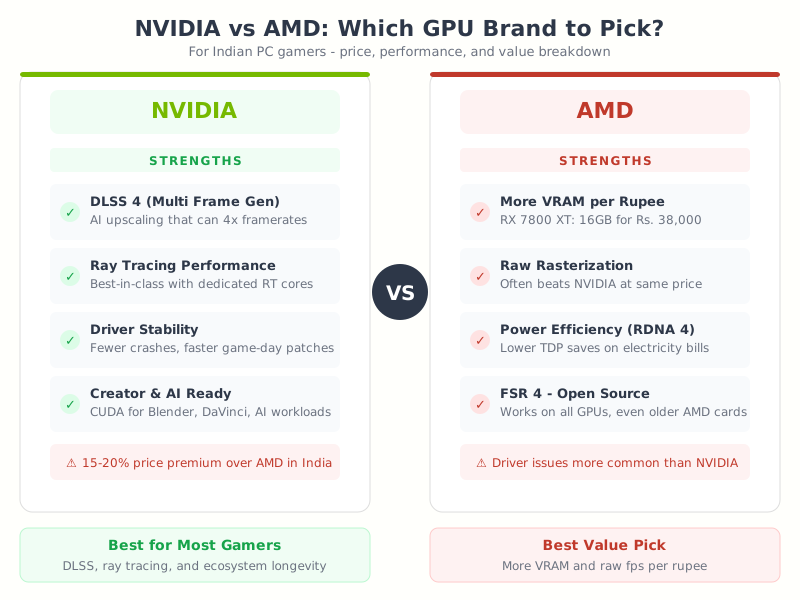
GPU Comparison at a Glance
Here’s a quick reference comparing all GPUs covered above. Prices are approximate Indian street prices as of mid-2026 and will fluctuate on Amazon.in.
| GPU | VRAM | Target Resolution | TDP | Price Range (INR) |
|---|---|---|---|---|
| RTX 5090 | 32GB GDDR7 | 4K Ultra | 575W | Rs. 3,15,000+ |
| RTX 5080 | 16GB GDDR7 | 4K High-Ultra | 360W | Rs. 1,20,000-2,11,000 |
| RTX 5070 Ti | 16GB GDDR7 | 1440p-4K | 300W | Rs. 83,000-1,40,000 |
| RTX 5070 | 12GB GDDR7 | 1440p-4K | 250W | Rs. 60,000-87,000 |
| RX 9070 XT | 16GB GDDR6 | 1440p-4K | ~300W | Rs. 71,000-1,31,000 |
| RX 9070 | 16GB GDDR6 | 1440p | ~220W | Rs. 55,000-80,000 |
| RTX 4070 Ti Super | 16GB GDDR6X | 1440p-4K | 285W | Rs. 55,000-75,000 |
| RTX 4070 Super | 12GB GDDR6X | 1440p | 220W | Rs. 48,000-63,000 |
| RTX 5060 Ti | 8/16GB GDDR7 | 1080p-1440p | ~180W | Rs. 40,000-77,000 |
| RX 9060 XT | 8/16GB GDDR6 | 1080p-1440p | ~160W | Rs. 30,000-50,000 |
| RTX 5060 | 8GB GDDR7 | 1080p | ~145W | Rs. 30,000-37,000 |
| RX 7800 XT | 16GB GDDR6 | 1440p | 263W | Rs. 36,500-50,000 |
| RX 7600 | 8GB GDDR6 | 1080p | 165W | Rs. 22,000-28,000 |
| Intel Arc B580 | 12GB GDDR6 | 1080p | ~190W | Rs. 26,000-38,000 |
What to Know Before Buying a GPU in India
India’s GPU market has quirks that don’t apply to buyers in the US or Europe. Here’s what matters before hitting “Buy Now”:
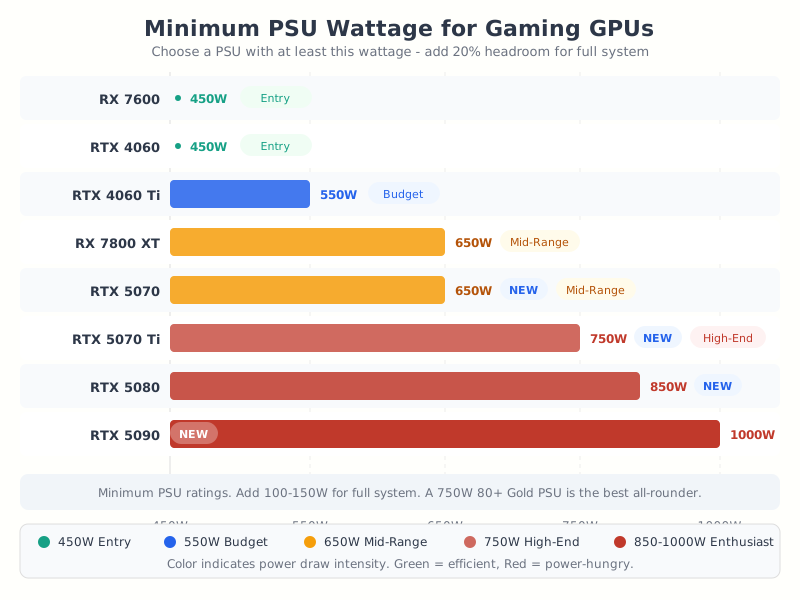
- PSU compatibility: Don’t run a GPU above 80% of the PSU’s rated capacity. Modern GPUs have transient power spikes that can trip overcurrent protection on cheap supplies. A 750W 80+ Gold PSU covers everything up to the RTX 5080.
- Cooling matters: Indian summers push ambient temperatures past 40°C. Cards with dual or triple-fan coolers hold lower thermals and noise. Avoid single-fan blower-style GPUs unless building a compact ITX system.
- Physical fit: Measure case clearance before ordering. Many RTX 50-series cards exceed 330mm in length, while budget cases often max out at 300mm. A proper ATX gaming case solves this.
- Resizable BAR for Arc: Intel Arc cards depend on Resizable BAR (Smart Access Memory) to hit their rated performance. Confirm your motherboard and CPU support it before buying a B580 or B570, or you’ll leave real frames on the table.
- Warranty and support: Buy from authorized sellers on Amazon.in or Flipkart. Grey-market imports save Rs. 2,000-5,000 but void warranty. NVIDIA and AMD both back 3-year warranties through authorized channels in India, and a few AIBs like ZOTAC offer 5 years.
- Price tracking: GPU prices in India swing 10-15% between sales. The big drops hit during the Amazon Great Indian Festival (October), Republic Day sales (January), and Prime Day (July). Set price alerts and buy in those windows.
GPU Recommendations by Budget
If the choice is still unclear, here’s the straightforward answer by price point in India right now:
- Under Rs. 30,000: Intel Arc B580 for the 12GB buffer, or the AMD RX 7600 if you want more mature drivers.
- Rs. 30,000-50,000: RX 9060 XT 16GB or RTX 5060 Ti 16GB for new current-gen cards, or the clearance RX 7800 XT if you find 16GB and solid 1440p at the bottom of this range.
- Rs. 50,000-65,000: RTX 4070 Super or RTX 5070 (whichever is cheaper at purchase). DLSS makes either punch above its weight.
- Rs. 65,000-1,20,000: RTX 5070 Ti or RX 9070 XT. The 16GB buffers make this the 1440p/4K crossover sweet spot.
- Rs. 1,20,000+: RTX 5080. Skip the 5090 unless the workload includes professional 3D or AI alongside gaming.
GPU prices in India won’t stay where they are. NVIDIA and AMD adjust MRP periodically, Intel keeps the budget end honest, and Amazon.in sale events shave 10-15% off any card on this list. Pick the GPU that matches your monitor’s resolution, confirm the PSU can handle it, and buy during the next sale window. Waiting for the “perfect” price costs months of gaming you won’t get back.
Once the GPU is sorted, round out the build with a gaming headset that doesn’t make your ears hurt after two hours, a proper chair for long sessions, and check the computer brands guide if you’re still picking a base system.
Frequently Asked Questions
Which graphics card gives the best value for money in India in 2026?
For 1440p, the RX 9070 and RTX 5070 trade the value crown depending on the week’s pricing, both with strong DLSS or FSR 4 support. For 1080p, the Intel Arc B580 around Rs. 26,000-38,000 and the RX 9060 XT 16GB under Rs. 50,000 are the standout new cards, while the RX 7600 stays the safe sub-Rs. 28,000 pick. If you want NVIDIA’s DLSS 4 on a budget, the RTX 5060 Ti 16GB is the one to get.
Should I buy an NVIDIA, AMD, or Intel graphics card for gaming in India?
Go NVIDIA if you want DLSS 4 upscaling and the strongest ray tracing. Go AMD RDNA 4 if you want more VRAM per rupee and excellent raw rasterization at mid-range prices. Intel Arc is now a real third option at the budget end, where the B580’s 12GB buffer undercuts 8GB rivals. Check live prices when you buy, since Indian GPU pricing swings more than Western markets.
How much should I spend on a graphics card in India?
For 1080p gaming, Rs. 26,000-40,000 is enough (Intel Arc B580, RX 9060 XT, RTX 5060, or RX 7600). For 1440p, budget Rs. 48,000-80,000 (RTX 5070, RX 9070, or RTX 4070 Super). For 4K, you’re looking at Rs. 83,000+ (RTX 5070 Ti, RX 9070 XT, or above). Spending more than 40% of your total PC budget on the GPU alone usually means you’re bottlenecked elsewhere.
Is buying a used GPU in India safe?
It can be, but only from verified sellers. Meet in person, check the original box and bill, and run a GPU stress test (Unigine Superposition for 30 minutes) before paying. Avoid OLX listings with no verifiable history. Post-crypto-crash RTX 3080 and 3090 cards are particularly risky since mining degrades their thermal components, and with new RDNA 4, Blackwell, and Arc cards now cheap, the used premium rarely makes sense.
What PSU wattage do I need for a gaming GPU in India?
An Intel Arc B580, RTX 5060, RX 7600, or RX 9060 XT runs on a quality 500-550W PSU. RTX 5060 Ti, RTX 4070 Super, or RX 7800 XT want 650W. RTX 5070 Ti and RX 9070 XT need 750W. RTX 5080 needs 850W. RTX 5090 needs 1000W with a 16-pin connector. Always buy at least an 80+ Bronze unit. Brands like Corsair, Seasonic, and Deepcool are reliable and available in India. A bad PSU is the fastest way to fry a new GPU.
Tell Google you want more of this.
Add Gaurav Tiwari as a preferred sourceOne tap, and this site shows up more often in your own Top Stories, AI Overviews and AI Mode. Remove it any time.
Disclaimer: This site is reader-supported. If you buy through some links, I may earn a small commission at no extra cost to you. I only recommend tools I trust and would use myself. Your support helps keep gauravtiwari.org free and focused on real-world advice. Thanks. - Gaurav Tiwari