
The Internet Got Fast; People Expect Their Money to Keep Up
Nobody waits three business days for anything anymore. Food arrives with live tracking. Banking apps push transaction alerts before you even close the screen. Sportsbooks and casino apps now advertise withdrawal speed almost as aggressively as promotions because people have
 by
by
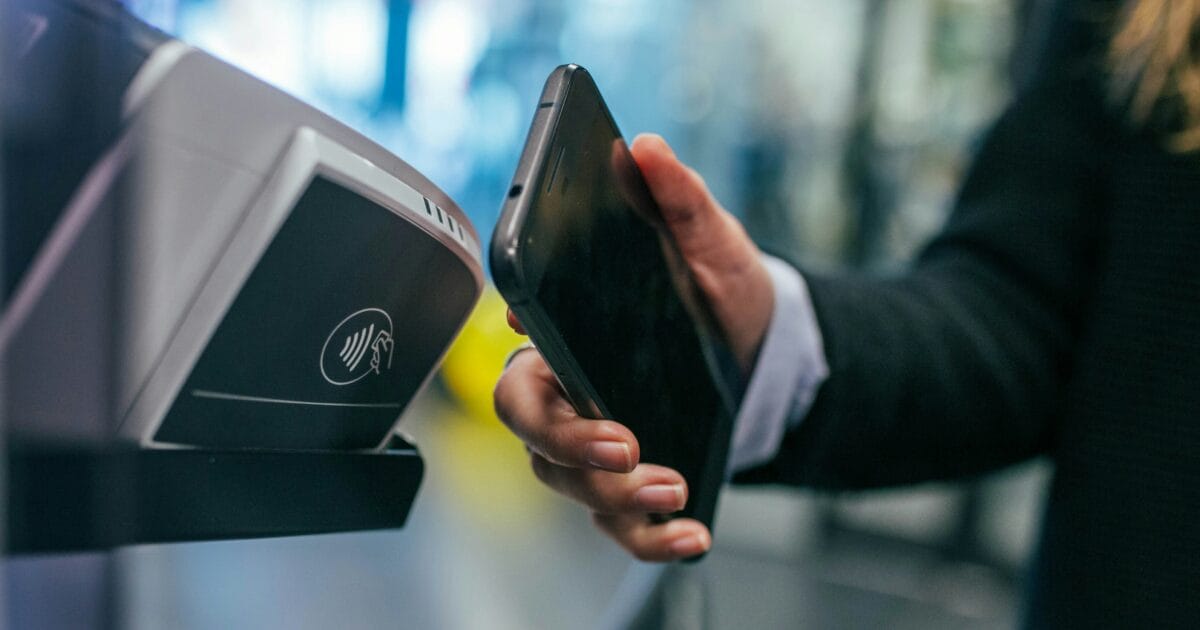
Nobody waits three business days for anything anymore. Food arrives with live tracking. Banking apps push transaction alerts before you even close the screen. Sportsbooks and casino apps now advertise withdrawal speed almost as aggressively as promotions because people have started treating delayed payouts as a technical failure rather than an inconvenience.
Payment Speed Stops Looking Optional
Online casinos spotted this trend earlier than most industries because money movement sits right in front of the customer. A delayed withdrawal is impossible to hide behind branding, slick design, or loyalty programs. Somebody wins money, requests a payout, and immediately starts judging the platform by how quickly the cash arrives.
That same expectation has spread far beyond gambling. FedNow processed 2,130,889 payments during Q2 2025, representing over $245 billion in transaction value. The Federal Reserve figures also showed year-on-year transaction value growth of 405.7%, which tells you the race toward instant movement is accelerating quickly.
Digital businesses have started adapting around that reality. Delayed transfers now create the same reaction as buffering video or a checkout page that stalls halfway through payment. People lose confidence immediately once the platform slows them down.
Delays Create Friction People Remember
The internet trained users to expect speed everywhere. Streaming platforms load instantly. Messaging apps update instantly. Payment systems moved in the same direction once digital wallets became normal behavior.
That changes the way people judge online platforms. Somebody waiting four days for a withdrawal starts questioning the competence of the operator handling the transaction. The actual delay becomes less important than the uncertainty surrounding it.
A lot of modern digital strategy now revolves around trust through consistency. Reliable systems build stronger user confidence because the experience stays predictable from start to finish. Payment handling has become part of that broader trust equation.
The numbers explain why this pressure increased so aggressively. PayPal processed $443.5 billion in payment volume during a single quarter in 2025, while Venmo revenue climbed 20% year-on-year. Once users become accustomed to instant transfers inside one ecosystem, patience disappears elsewhere. Casino operators noticed that early because payout complaints immediately spill into reviews, forums, and affiliate rankings.
Withdrawal Speed Turns Into a Competitive Tool
Casino platforms used to compete heavily through bonuses. That conversation changed once players started comparing operational performance instead. Withdrawal times, verification delays, payment methods, and banking support now influence platform reputation almost as much as promotions.
That trend created an entire comparison ecosystem around fast payouts. Players now turn to independent comparison resources to check withdrawal testing data, payment processing speeds, and verification turnaround when considering legal options for betting. The comparison no longer revolves entirely around game libraries because the payment experience directly affects whether users trust the operator.
The interesting part is how technical these comparisons became. Some operators now promote PayPal withdrawals clearing within an hour. Fanatics reportedly processes certain withdrawals in around five minutes. DraftKings debit-card withdrawals can clear within 24 hours, while crypto rails and instant bank transfer systems increasingly push payout windows even lower.
That competition changes user expectations outside of gambling too. Somebody receiving near-instant withdrawals from a sportsbook stops accepting week-long refund cycles from other digital platforms. The expectation follows the customer into every other online experience.
Search Behavior Changes Alongside User Expectations
Search patterns changed once people realized faster systems existed. Generic searches slowly gave way to highly specific queries around payout times, banking methods, mobile processing, and withdrawal reliability. People now research operational performance before signing up.
That behavior lines up closely with broader changes happening across search and AI-driven discovery systems. Platforms increasingly depend on engagement quality, retention signals, and friction reduction because users abandon weak experiences quickly. The technical layer underneath the platform directly affects visibility once poor experiences start driving users away.
Large payment companies already treat transaction speed as a conversion issue rather than a banking feature. PayPal’s recent AI-commerce research focused heavily on reducing interaction latency and streamlining payment flows because smoother systems improve repeat usage and reduce abandonment during checkout moments.
Casino operators reached the same conclusion through direct customer behavior. Delayed withdrawals increase support complaints, damage review scores, and reduce repeat deposits. Faster systems improve retention because users stop worrying about whether the platform will actually pay them.
The conversation eventually circles back to trust. Fast withdrawals create confidence because users immediately see proof that the platform functions properly.
The Infrastructure Race Happens Behind Closed Doors
Most users never see the systems driving these changes. They only notice the result once money lands instantly or gets trapped inside a pending screen for three days.
Underneath the surface sits a massive infrastructure race involving payment processors, banking APIs, fraud detection systems, verification tools, and real-time settlement rails. The RTP network already processes more than $4 billion daily while reaching over 70% of US demand deposit accounts. Banks are pouring resources into instant settlement because customer expectations changed faster than traditional systems could adapt.
Casino operators ended up acting like a public stress test for this infrastructure. Every delay becomes visible because users discuss payouts openly across Reddit threads, affiliate sites, Discord communities, and comparison platforms. Somebody waiting six days for a withdrawal tells everybody about it.
That visibility pushed operators toward newer rails including Venmo payouts, Skrill processing, instant bank transfer systems, Apple Pay support, and crypto withdrawals. Faster movement became operationally valuable because payout speed now influences acquisition, retention, and customer confidence all at once.
The same logic applies to creator platforms, marketplaces, gig-economy apps, and fintech products. Users expect access to their money immediately once the platform approves the transaction.
Waiting Starts Looking Old
The internet spent twenty years removing friction from digital experiences. Faster internet connections removed buffering. Mobile apps removed desktop dependency. Streaming eliminated downloads. Payment systems followed the same path once instant movement became technically possible.
That changes the way people judge digital businesses in 2026. Slow payouts now stand out immediately because users already know faster systems exist elsewhere. Gambling platforms simply exposed the trend earlier than most industries because withdrawal speed sits directly in front of the customer every single time money changes hands.
Once people get used to immediate access, delays stop looking normal very fast.
Tell Google you want more of this.
Add Gaurav Tiwari as a preferred sourceOne tap, and this site shows up more often in your own Top Stories, AI Overviews and AI Mode. Remove it any time.