
Integrating Recognition Artifacts into Talent Retention and Succession Planning
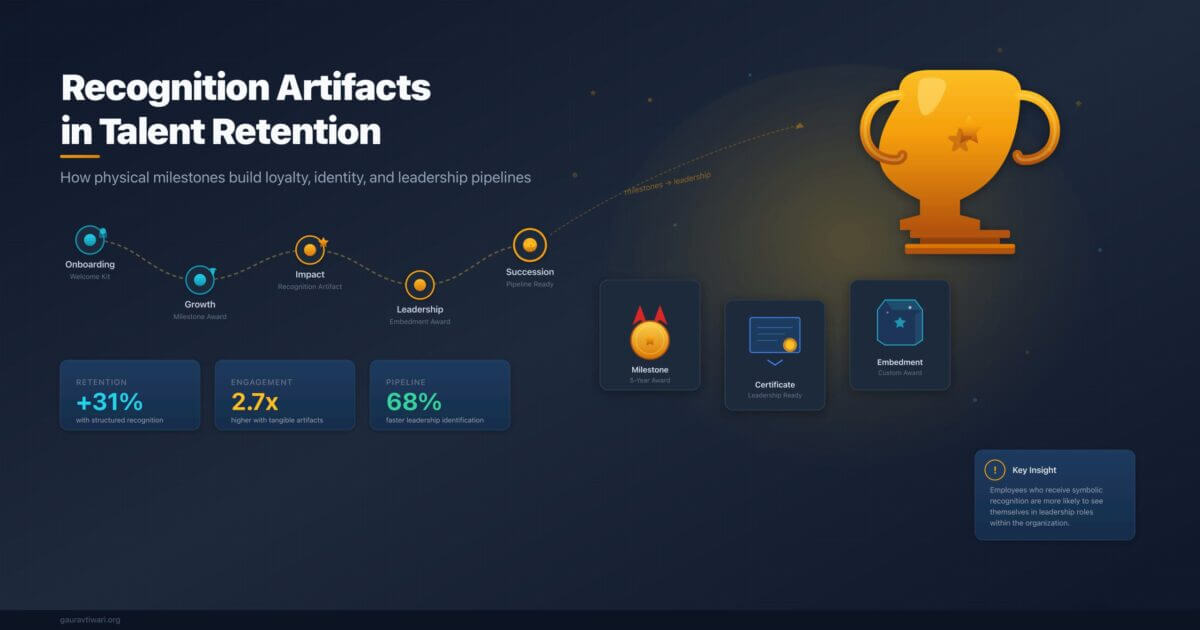
Most companies treat retention like a spreadsheet problem. They throw compensation bumps, training budgets, and performance ratings at it, then wonder why good people still leave.
They’re missing something simpler and more human: symbolic recognition.
Physical artifacts like milestone awards, embedded keepsakes, and personalized trophies aren’t decorations. They reinforce brand identity, belonging, and visibility. Those are three of the biggest psychological drivers behind long-term commitment and leadership readiness.
Why Recognition Artifacts Matter More Than Ever
This isn’t just HR theory. In a recent analysis by Forbes, researchers argued that modern recognition practices directly shape trust, culture, and engagement. That’s the same trio you need when building a strong internal pipeline.
Ignore this and the consequences pile up fast. Loyalty drops, productivity stalls, and morale bleeds out slowly enough that you don’t notice until it’s too late. So the motivation here isn’t just about engagement. It’s about protecting what you’ve already built.
How Recognition Drives Retention and Internal Mobility
Recognition artifacts anchor meaningful moments. They act as physical reminders of progress, impact, and connection. When tied to formal HR systems, they hit even harder.
The Psychology Behind Staying Power
Symbolic rewards tap into motivators that don’t show up in compensation reviews:
- People stay where they feel seen, valued, and remembered.
- Employees who associate personal growth with a company experience stronger loyalty.
- Tangible markers of success reinforce a sense of identity and forward momentum.
Linking Recognition to Career Pathing
When you build recognition into development cycles, two things happen. First, employees stop guessing where they stand. Second, leaders begin to see who consistently shows initiative, collaboration, and resilience. That creates a natural bridge from recognition to mobility.
Personalization is what makes this work. Many companies now use custom embedment milestone awards as lasting symbols of growth. These aren’t participation trophies. They’re career mile markers that help employees picture themselves evolving inside the organization. When someone can hold a physical record of how far they’ve come, the future feels more real and achievable.
Why Recognition Helps Managers Spot Future Leaders
Managers often say leadership potential is hard to define. But patterns show up quickly when recognition is woven into regular workflows. Employees who consistently contribute, take initiative, or shape culture tend to accumulate more peer and manager recognition. Over time, those patterns help you identify high-potential talent organically instead of relying only on ratings or gut instinct.
Building Recognition Into Succession Planning
Succession planning works best when it’s not a one-time exercise but a continuous cycle. Recognition artifacts give that cycle structure by marking achievements tied to each readiness stage.
Creating Milestones That Map to Leadership Development
HR teams can create visual or symbolic touchpoints for each phase of leadership readiness. These milestones don’t replace formal assessments. They build emotional weight around the process. In a study by Harvard Business School, their own recognition framework shows how structured appreciation strengthens belonging and encourages long-term engagement across large institutions. The same principle applies everywhere: when recognition is predictable, intentional, and meaningful, employees feel anchored to the organization’s future.
Strengthening Culture While Developing Leaders
Recognition creates cultural glue. Employees who see others celebrated for leadership behaviors are more likely to mirror those behaviors themselves. Over time, that builds a shared definition of what leadership actually looks like inside the company. It also reduces friction during transitions, because the behaviors of future leaders are reinforced well before they step into new roles.
How to Start Integrating Recognition Into HR Processes
You don’t need to overhaul your entire HR system to make recognition a strategic asset. A few deliberate shifts can make the impact immediate.
Recognition Touchpoints That Support the Whole Talent Cycle
Start by aligning your recognition artifacts with:
- Onboarding milestones
- Development program completions
- Leadership readiness achievements
Avoiding Tokenism
The key is authenticity. Employees can tell the difference between a meaningful artifact and a generic handout. Personalized messages, embedded details, or milestones tied to specific accomplishments, those are what make the artifact stick.
Keeping the Process Scalable
Once recognition becomes part of HR workflows, it replicates across departments without much overhead. Managers get a structured way to appreciate their teams. Employees get a clear narrative of progress. And HR gets real data about who is actively developing, contributing, and leading.
Pair this with your drive toward digital transformation and you’ve got both the intangible recognition culture and the tangible artifacts working together, without sacrificing scalability.
Reframing Recognition as Infrastructure
Recognition artifacts may seem small. But they shape how employees understand their value, how they remember their milestones, and how they imagine their future within the company. When you integrate them into succession planning and retention strategies, they stop being nice-to-haves and become structural supports for stability and continuity.
If you want stronger pipelines and long-term commitment, appreciation isn’t a bonus. It’s a foundation.