
 by
by
The qualities of a great manager are not a mystery, and they are not soft fluff either. After 18 years building Gatilab and leading writers, developers, and project managers across 850+ clients, I can tell you the difference between a manager who lifts a team and one who quietly drains it usually comes down to six or seven habits you can name. This guide breaks down the good manager traits that actually move output, retention, and morale, and the one quality that matters more than all the rest combined.

The short answer: A great manager has vision, communicates clearly, stays confident under pressure, tells the truth, owns outcomes, gives clear direction, and makes sound decisions with incomplete information. But if you make me pick one, it’s trust. Build it and the other six get easier. Lose it and none of them save you. Gallup’s 2026 research puts hard numbers behind this: managers account for 70% of the variance in team engagement.
Not everyone with the title actually has the skill. I’ve watched brilliant individual contributors get promoted into management and fall apart within a quarter, because managing people is a different job, not a reward for being good at the old one. So here’s the honest version of what the role demands, who should run from it, and what changed now that half of us lead hybrid and AI-assisted teams.
What changed: Management in 2026 looks different than it did even three years ago. Gallup found global employee engagement fell to 20% in 2025, and manager engagement itself dropped from 27% to 22% in a single year. With remote and hybrid teams, trust replaced physical presence as the basis of leadership, outcomes replaced hours, and AI literacy joined the core skill list. The qualities below still hold. How you apply them is what moved.
Table of Contents
Here’s the whole list at a glance before we go deep on each one. Use it as a self-check or a hiring scorecard for the qualities of a great manager. If you’re sizing up a candidate for a lead role, score them 1 to 5 on each row, because the management skills in this table predict performance far better than a polished resume does.
| Quality | What it looks like in practice | What it prevents |
|---|---|---|
| Vision | Connects daily tasks to a goal people can repeat back to you | Busywork, drift, teams that ship features nobody asked for |
| Communication | Says the hard thing early and writes it down clearly | Rework, missed deadlines, resentment that festers in silence |
| Confidence | Decides under pressure without faking certainty | Paralysis, panic that spreads to the team in a downturn |
| Honesty | Gives real feedback and admits their own mistakes first | Eroded trust, people who stop telling you the truth |
| Responsibility | Owns the bad outcome, shares the credit for the good one | Blame culture, finger-pointing, talent quietly leaving |
| Direction | Sets clear outcomes and removes blockers, not micromanages | Confusion, duplicated work, people guessing what you want |
| Decision-making | Acts on incomplete data and adjusts fast when wrong | Stalled projects, missed windows, death by committee |
Having a Vision
Vision is the first of the qualities of a great manager because everything else hangs off it. A great manager knows where the team is going and can say it in one sentence that a new hire repeats back without notes. That’s the test I use at Gatilab. If I can’t explain a quarter’s goal to a junior writer in 30 seconds, the goal is too fuzzy to lead with.
Vision isn’t a poster on the wall. It’s the thing that lets someone on your team make a small decision at 6pm on a Friday without pinging you, because they already know what “good” looks like. When I onboard a project manager, I spend the first week making sure they can connect every task back to the client’s actual outcome. Do that well and you stop being the bottleneck. Skip it and you’ll answer the same question 40 times a week. If you’re building a company around this, my breakdown of the essential leadership skills for entrepreneurial success goes deeper on turning vision into a daily operating habit.
Communication Skills
Vision is useless if it stays in your head, which is why communication sits right next to it on every list of what makes a good manager. Gallup’s 2026 data backs this hard. The most controllable engagement drivers are clarity of expectations, frequency of recognition, and the quality of regular one-on-ones. Those are all communication, and they’re free. You don’t need a budget to tell someone exactly what you expect and then notice when they deliver it.
The mistake I see most often is managers who confuse talking with communicating. Great managers say the uncomfortable thing early, in plain words, and they write it down. I’d rather have a slightly awkward five-minute conversation on Monday than a blown deadline on Friday that nobody flagged. On a hybrid team this matters even more, because you lose the hallway. When half your people work async, the manager who writes clearly wins, and the one who relies on “we’ll figure it out in the meeting” slowly loses the thread.
Confidence
Confidence is one of the leadership qualities people misread. It’s not certainty, and it’s definitely not volume. Real confidence is the ability to make a call when the data is incomplete and own it without flinching. Business hands you bad weeks. A launch flops, a client churns, a competitor undercuts you. Your team watches your face in those moments more than they watch the numbers.
I learned this the hard way during a rough stretch at Gatilab when two clients left in the same month. The instinct was to panic out loud. The better move, which took me years to learn, is to be honest about the problem and calm about the plan. Confidence without honesty is bravado, and your team sees through it in a week. Confidence with honesty is the thing that keeps good people from updating their resumes the moment things wobble. If your own venture feels stuck, I wrote about the real reasons a small business struggles to take off, and shaky leadership confidence is near the top of the list.
Honesty is at the core of great business managers
If I had to defend the claim that trust is the single most important quality, this is where I’d start. Honesty is how you build trust, and trust is the foundation everything else stands on. Gallup is blunt about this: trust determines whether employees speak up with ideas, admit mistakes, challenge your assumptions, and collaborate at all. A team that doesn’t trust its manager goes quiet, and a quiet team is a failing team that just hasn’t shown it yet.
Honest managers do two unglamorous things. They give real feedback instead of comfortable feedback, and they admit their own mistakes first. The second one is what actually builds the trust. When I get a decision wrong and say so in front of the team, I’m not losing authority, I’m buying permission for everyone else to be honest too. That’s the trade most insecure managers won’t make, and it’s exactly why their teams stop telling them the truth.
A Great Manager is Responsible
Responsibility is the quality that gets tested only when things go wrong, which is exactly when it matters. The rule I hold myself to is simple: own the bad outcome, share the credit for the good one. A great manager takes the hit for the team’s miss in front of the client and then turns around and hands the win to the people who earned it. Reverse that order and you’ve built a blame culture, where nobody takes risks because the downside lands on them and the upside floats to you.
This is also where management and individual contribution split. As a contributor, you’re responsible for your work. As a manager, you’re responsible for outcomes you can’t fully control, produced by people you can’t fully direct. That’s uncomfortable, and it’s the reason some excellent specialists should never manage. If owning other people’s mistakes sounds unbearable, that’s useful information about yourself, not a flaw to push through. Many projects fail for exactly this reason, because nobody clearly owned the outcome when it started slipping.
A Great Manager Knows How to Command
“Command” is an old-fashioned word for a modern skill: giving clear direction. The 2026 version is not standing over someone’s shoulder. The best managers set outcomes, not hours, and then get out of the way. Gallup found that micromanaging kills the very engagement you’re trying to protect, while inviting people into the decision builds it. Direction means your team knows what done looks like and what to do when they hit a wall, not that you’ve scripted their every move.
Here’s the practical line I walk. I give clear direction on the what and the why, then I delegate the how. If I’m dictating the how, I’ve hired wrong or I’m managing scared. On a remote team this is non-negotiable, because you literally can’t watch people work, so you’re forced to lead through clarity and trust instead of presence. That constraint made me a better manager. The same discipline shows up in the broader set of skills every entrepreneur must have, since founders have to direct people long before they can afford to micromanage anything.
Power of Making the Right Decision
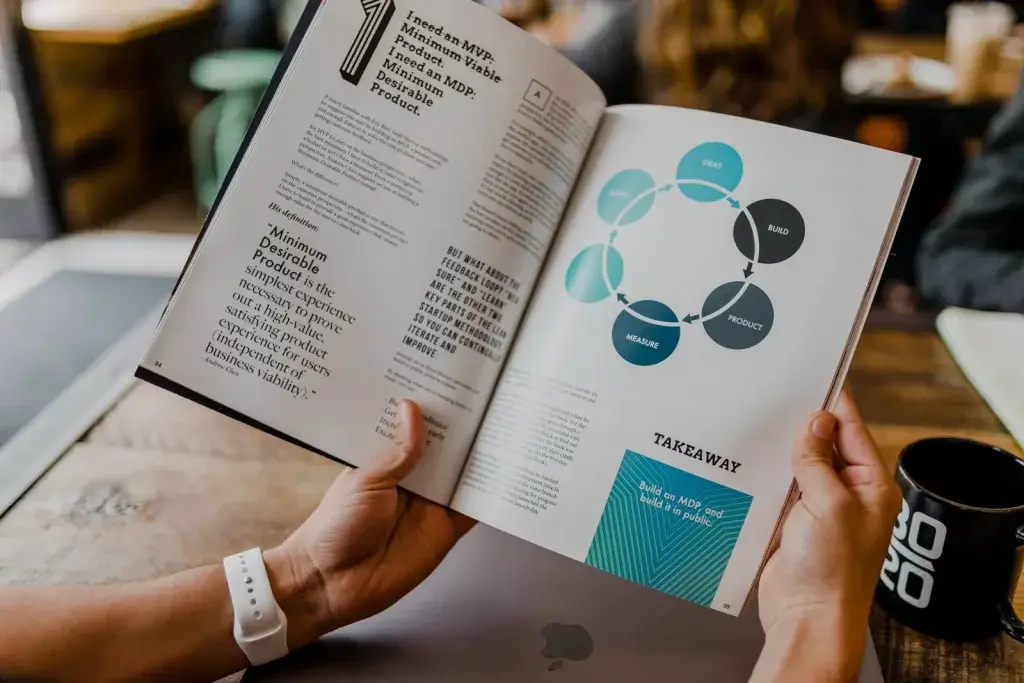
Decision-making is the quality that ties the other six together. Vision tells you the direction, communication carries it, confidence lets you act, honesty keeps you grounded, responsibility makes you own the result, and direction puts it into motion. But none of it happens until somebody decides. An effective manager decides with incomplete information, because complete information arrives only after the window closes. The skill isn’t being right every time. It’s deciding fast, watching the result, and correcting faster than the cost of being wrong.
This is also where 2026 added a genuinely new wrinkle. AI now handles a chunk of the analysis that managers used to do by hand, so the differentiator is no longer crunching the data, it’s knowing which decisions to keep human. Deciding where automation helps and where it becomes a liability is itself a management skill now. The tools changed. The judgment didn’t. If you want the operational side, my notes on tech strategies for project managers cover how to lean on tooling without outsourcing the decision that matters.
Conclusion: who should manage, and who shouldn’t
So those are the qualities of a great manager: vision, communication, confidence, honesty, responsibility, clear direction, and sound decision-making. Hold them up against the Gallup reality, that managers drive 70% of engagement and that engagement is falling, and the stakes are obvious. A good manager isn’t a nice-to-have. They’re the difference between a team that ships and one that quietly checks out.
Here’s my honest closing take after 18 years of it. Don’t manage if you need to be the smartest person in the room, can’t stand owning other people’s mistakes, or want credit more than you want results. Those aren’t fixable with a course. But if you can build trust, tell the truth, and care more about the team’s outcome than your own ego, you already have the one quality that matters most, and the other six are learnable. Start there. Everything else is practice.
Tell Google you want more of this.
Add Gaurav Tiwari as a preferred sourceOne tap, and this site shows up more often in your own Top Stories, AI Overviews and AI Mode. Remove it any time.