
Scaling Digital Excellence: Why Architecture Matters in Custom Software Development
Most software projects don’t fail because of bad code. They fail because nobody thought about what happens when the thing actually works.
I’ve seen it happen dozens of times. A startup builds an MVP that gets traction. Users flood in. And suddenly the whole system crawls to a halt because the architecture was designed for 100 users, not 10,000. The team scrambles to patch things together while customers complain and competitors swoop in.
This isn’t a coding problem. It’s an architecture problem. And it’s entirely preventable. Let’s see how.
The Foundation Problem Nobody Talks About
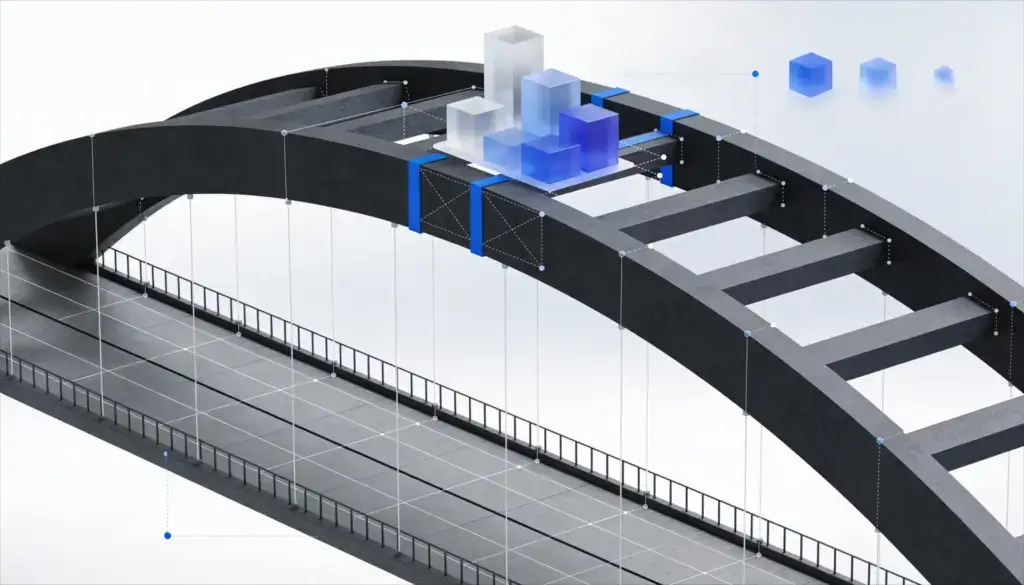
Software architecture is the skeleton of your application. Get it wrong, and everything you build on top becomes unstable. Get it right, and you can scale, pivot, and adapt without tearing everything down.
The challenge is that architectural decisions happen early, when you know the least about what you’re building. You’re making choices that will affect your product for years based on assumptions that might be completely wrong. This is why working with a compliant software development company matters. They’ve made these decisions before. They’ve seen what works at scale and what collapses under pressure.
But here’s the uncomfortable truth.
Most teams skip proper architecture planning because it feels slow. They want to ship features, not draw diagrams. I get it. I’ve been in rooms where the pressure to launch was so intense that anyone suggesting a two-week architecture review was treated like they were sabotaging the project.
Those same projects usually need a six-month rewrite within two years. The math never works out in favor of cutting corners.
What Good Architecture Actually Looks Like
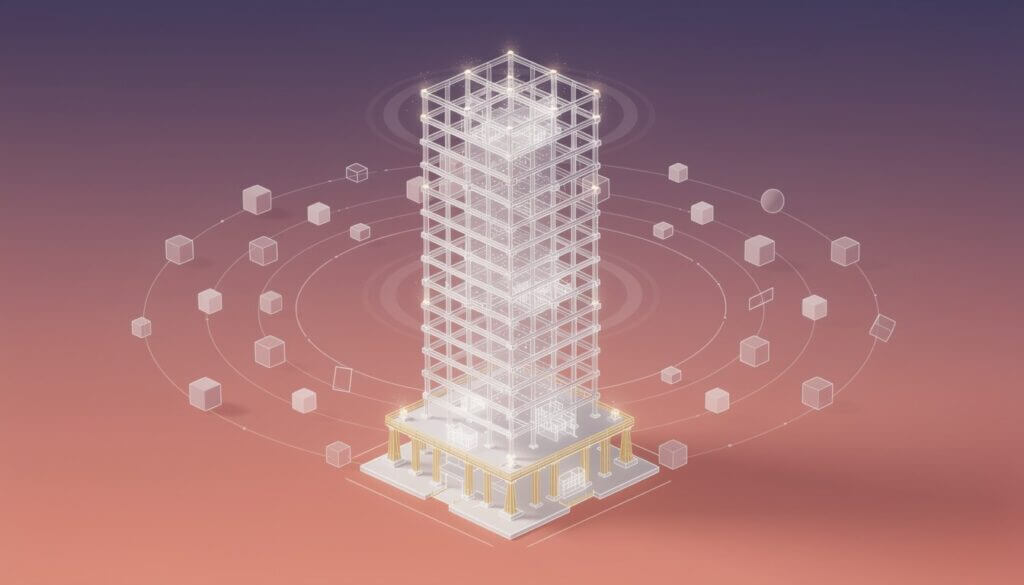
Good software architecture isn’t about using trendy technologies or following the latest framework hype. It’s about making decisions that give you options later.
There are three qualities every solid architecture shares.
Modularity
Modularity means components can change without breaking everything else. When your payment processor changes their API, you shouldn’t need to touch your user authentication system. When you add a new feature, it shouldn’t require modifying code across 47 different files.
I’ve worked on codebases where adding a simple notification feature required changes in the database layer, the API layer, the frontend, and three different microservices. That’s not architecture. That’s a tangled mess pretending to be a system.
Scalability
Scalability means the system can handle growth without fundamental changes. Not just user growth. Data growth. Feature growth. Team growth. Can you add three more developers without them stepping on each other’s code? Can you handle ten times the traffic without rewriting your database queries?
Maintainability
Maintainability means that someone who didn’t build the system can understand and modify it. This is where most teams fail. They build something that works beautifully in the heads of the original developers and becomes incomprehensible to everyone else.
If your architecture requires a two-hour explanation before anyone can make changes, it’s not maintainable. It’s a liability.
The Scalability Trap
Scalability sounds simple until you try to implement it. The trap most teams fall into is either over-engineering for scale they’ll never need or under-engineering for growth that arrives faster than expected.
I’ve seen startups build Kubernetes clusters and microservices architectures for applications that will never have more than 500 users. They spent months on infrastructure that a single server could have handled. Meanwhile, their competitors shipped features and captured the market.
I’ve also seen companies build monolithic applications for “simplicity” that became impossible to scale when they landed their first enterprise client. The rewrite cost them the contract.
The right approach sits somewhere in the middle. You need architecture that’s simple enough to build and maintain with your current team but flexible enough to evolve as requirements change. This is the strategic resource allocation challenge every development project faces.
Why Architecture Decisions Compound
Software decisions compound like interest, both good and bad.
A well-designed database schema makes every feature that touches that data easier to build. A poorly designed one makes every feature harder. And the gap widens with each new feature.
Early architectural choices determine what’s easy and what’s hard for the entire lifetime of the product. Choose a relational database when you needed document storage, and you’ll fight that decision for years. Pick the wrong authentication approach, and security becomes a constant headache.
This is why the discovery phase of software development exists. It’s not bureaucratic overhead. It’s the period where you make decisions that will either enable or cripple everything that comes after.
The teams that skip discovery don’t save time. They borrow it at a very high interest rate.
The Real Cost of Technical Debt

Technical debt is the gap between how your system is built and how it should be built. Every shortcut creates debt. Every “we’ll fix it later” adds to the balance.
Small amounts of technical debt are fine. Sometimes you need to ship fast and clean up later. But debt compounds. A few shortcuts become standard practice. New code builds on top of shaky foundations. Before long, simple changes take weeks because nobody can trace through all the dependencies and workarounds.
I’ve inherited codebases where adding a single feature required understanding seventeen different “temporary” solutions that had become permanent. The original team had moved on. The documentation was nonexistent. Every change risked breaking something unrelated.
This is what architecture prevents. Good structure makes the codebase self-documenting. Components have clear responsibilities. Changes stay contained. New developers can become productive in days instead of months.
Building for Change
The only constant in software is change. Requirements shift. Markets evolve. Users want features you never anticipated.
Architecture that fights change is architecture that fails. The goal isn’t to predict the future. It’s to build systems flexible enough to adapt when the future arrives.
This means favoring composition over inheritance. Small, focused components over sprawling mega-classes. Clear interfaces between systems so they can evolve independently.
It also means resisting the urge to optimize prematurely. The architecture that handles a million users isn’t the same as the one that handles a thousand. Build for what you need now, with clear paths to what you might need later. Don’t build for what you imagine you’ll need in five years.
I’ve watched teams spend months building “scalable” systems that never scaled because the product didn’t find market fit. All that architecture work wasted. A simpler system would have let them iterate faster and maybe find the right product before the money ran out.
The Integration Challenge
Modern software doesn’t exist in isolation. Your application talks to payment processors, analytics platforms, email services, cloud providers, and probably a dozen other systems.
Every integration is a potential point of failure. Every API dependency is a risk. Good architecture treats external systems with appropriate suspicion.
This means abstraction layers that isolate your code from third-party changes. Fallback behaviors when services are unavailable. Monitoring that tells you when dependencies are degrading before your users notice.
The mobile app architecture trends worth watching all emphasize this point: resilience matters more than raw performance. A fast system that falls apart when any external service hiccups isn’t a system you can depend on.
When to Invest in Architecture
Not every project needs sophisticated architecture. A simple marketing site doesn’t need microservices. A proof-of-concept doesn’t need horizontal scaling. Matching complexity to requirements is itself an architectural skill.
The time to invest in architecture is when:
- The system will be maintained for more than a year
- Multiple developers will work on it simultaneously
- It handles sensitive data or critical business processes
- Growth is expected or hoped for
- The cost of downtime or data loss is significant
If none of these apply, keep it simple. Build the minimum that works. You can always add complexity later if needed.
But if any of these apply, architecture isn’t optional. It’s the difference between a system that grows with your business and one that holds it back.
The Human Element
Architecture isn’t just about code. It’s about teams.
The best architecture in the world fails if the team can’t execute it. Microservices don’t work if your team of three can’t manage the operational complexity. Event sourcing creates more problems than it solves if nobody understands how to debug it.
Match your architecture to your team’s capabilities. Push boundaries gradually. Build expertise alongside systems.
And document everything. Not the code itself. The decisions. Why did you choose this database? What alternatives did you consider? What tradeoffs did you accept? That context is invaluable when future team members need to modify or replace components.
Moving Forward
Software architecture isn’t glamorous. It doesn’t demo well in investor meetings. It’s invisible when it’s working and painfully obvious when it’s not.
But it’s the foundation everything else rests on. The features, the scale, the reliability, the speed of development. All determined by architectural decisions made early and lived with forever.
The projects that succeed long-term almost always share one trait: someone thought carefully about structure before writing code. They made hard decisions early. They accepted short-term slowness for long-term velocity.
That’s what scaling digital excellence actually requires. Not just better code. Better foundations.
Frequently Asked Questions
What is software architecture and why does it matter?
Software architecture is the high-level structure of a software system, including the components, their relationships, and the principles guiding design decisions. It matters because architectural choices determine how easy or difficult it is to scale, maintain, and modify your software over time. Poor architecture leads to technical debt, slow development, and systems that can’t grow with your business.
How do I know if my current software architecture is a problem?
Warning signs include: simple features take weeks instead of days to implement, new developers take months to become productive, the system frequently breaks in unexpected places when you make changes, performance degrades as user count grows, and your team spends more time fixing bugs than building features. If any of these sound familiar, your architecture likely needs attention.
Should startups invest in architecture or just ship fast?
Both. The goal is finding the right balance for your stage. Early startups should avoid over-engineering but still make thoughtful foundational decisions. Build simple systems with clear boundaries so you can evolve them later. The worst outcome is building something so rigid it can’t adapt when you learn what customers actually want, or so sloppy it collapses when growth arrives.
What’s the difference between scalability and performance?
Performance is how fast your system responds to individual requests. Scalability is how well your system handles increased load. A system can be fast but not scalable (it responds quickly to one user but crashes with a thousand). Or scalable but not fast (it handles millions of users, but everyone waits five seconds for pages to load). Good architecture addresses both, but they require different solutions.
How often should software architecture be reviewed or updated?
Architecture should be reviewed whenever major changes occur: significant growth in users or data, new product directions, team size changes, or performance problems. Many teams do quarterly architecture reviews to catch issues early. The goal isn’t constant change but ensuring your architecture still fits your current reality and near-term plans.