
7 Pocket-Friendly Marketing Tips for Your Startup
I’ve watched startups burn through $10,000 a month on paid ads before they even figured out their messaging. Then I’ve seen bootstrapped founders with $200 budgets outperform them using nothing but hustle and the right tactics. The money you spend on marketing matters far less than where you spend it. If you’re running a startup with limited cash, these strategies actually work.
You don’t need a massive budget to build a brand. You need consistency, creativity, and a willingness to do what your well-funded competitors won’t. Here’s what that looks like in practice.
Referral Marketing: Turn Customers Into Salespeople
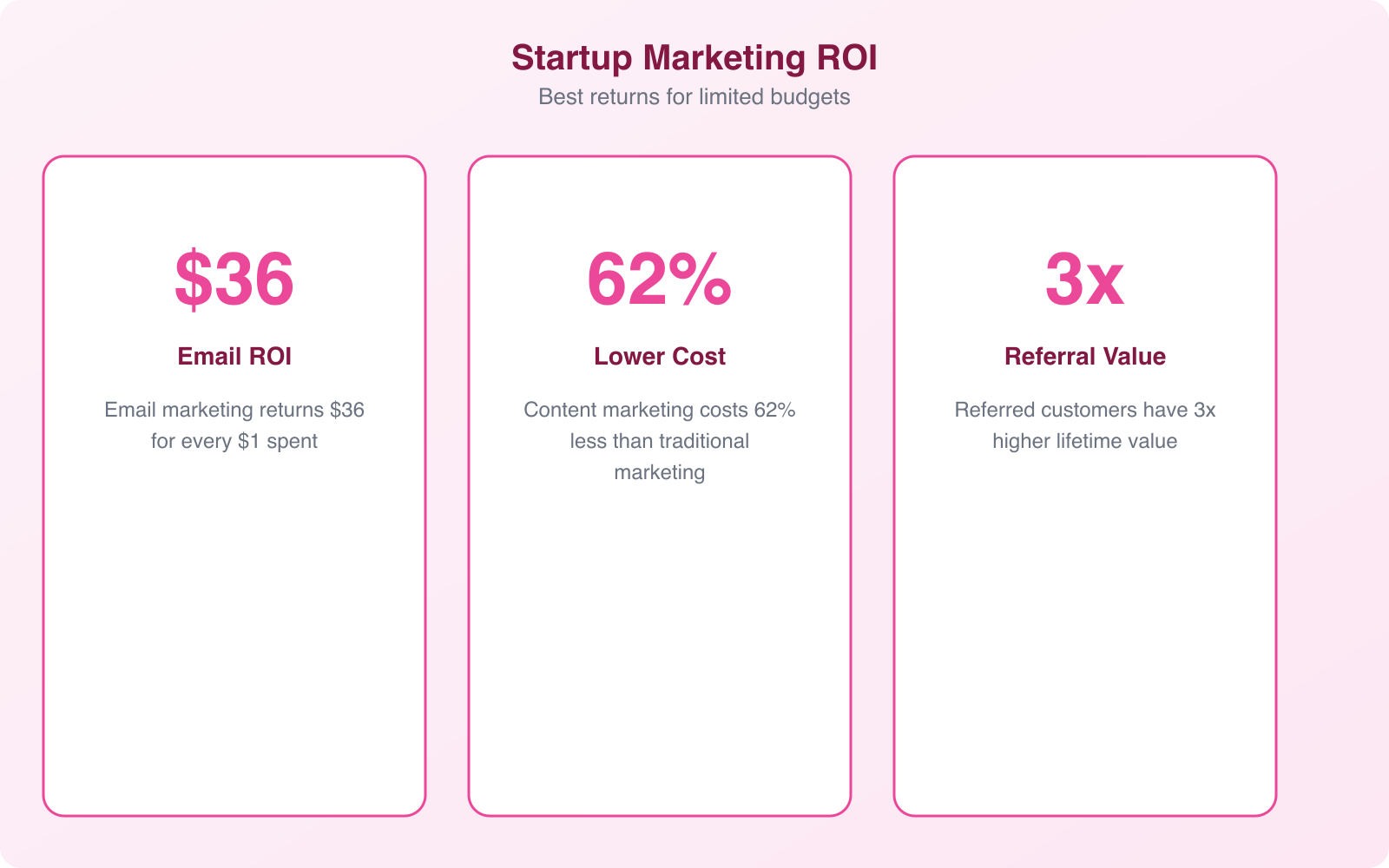
Your best marketing channel is the customers you already have. Referral marketing costs almost nothing to set up and produces leads that convert 30% better than leads from any other channel. That’s because people trust recommendations from friends and family far more than they trust ads.
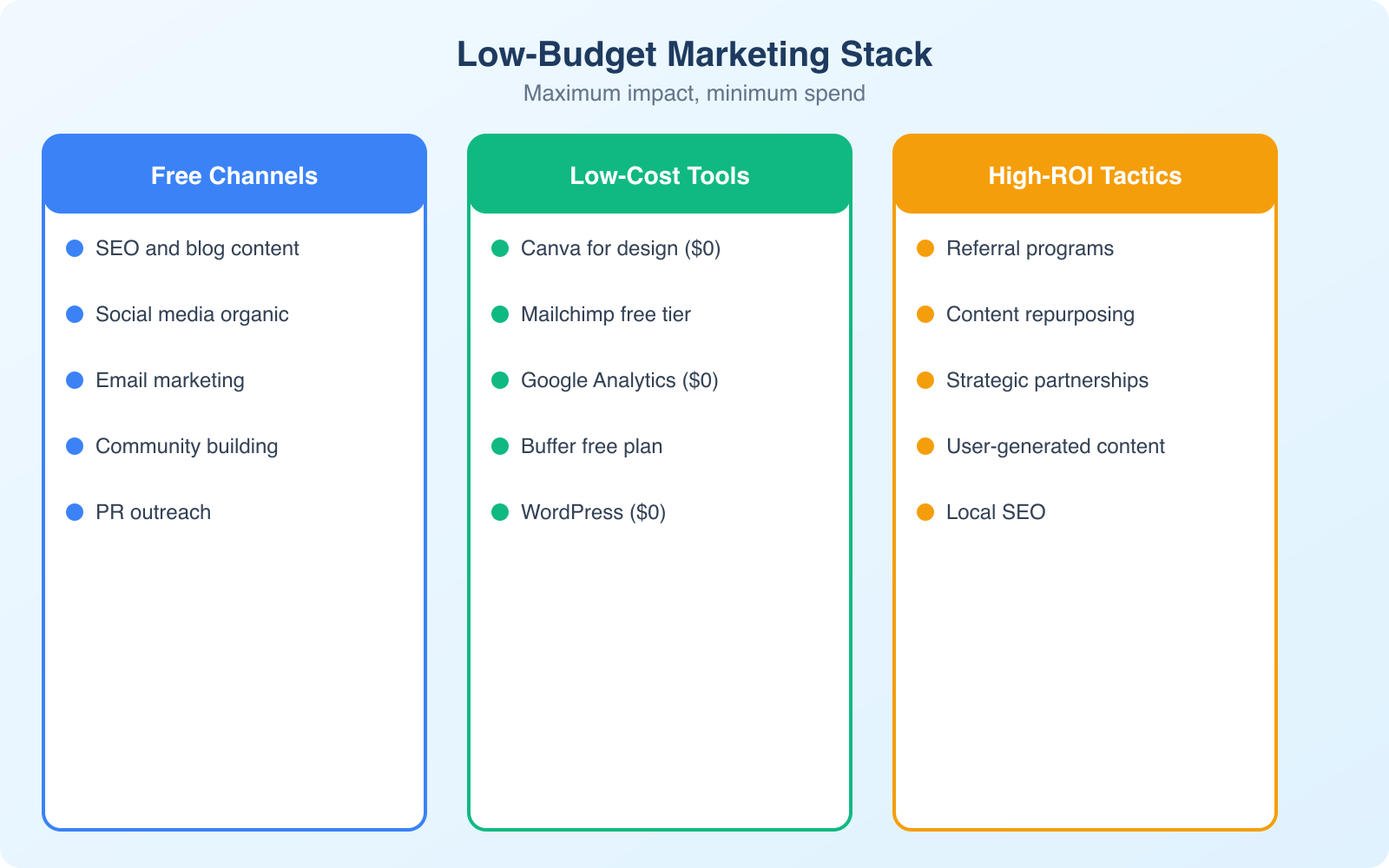
The setup is simple. Offer existing customers a discount, free month, or store credit for every new customer they bring in. Give the referred customer a welcome incentive too, so both sides win. Tools like ReferralCandy or even a basic coupon system in WooCommerce can handle the tracking automatically.
Dropbox grew from 100,000 to 4 million users in 15 months primarily through their referral program. They gave extra storage space to both the referrer and the new user. It cost them virtually nothing in real terms and created a viral growth loop that no amount of advertising could match. You don’t need to be Dropbox to make this work. Even a local service business can implement a “refer a friend, get $25 off” program in an afternoon.
Free SEO: The Long Game That Pays Off
SEO is the best marketing investment a startup can make because the returns compound over time. A blog post that ranks on page 1 of Google sends you free traffic every single day for years. Paid ads stop the moment you stop paying. SEO doesn’t.
Start with keyword research. Use free tools like Google Search Console, Google’s “People Also Ask” boxes, and Ubersuggest’s free tier to find keywords your target audience actually searches for. Focus on long-tail keywords (3-5 words) because they’re less competitive and more likely to convert. “Best CRM for freelancers” converts better than “CRM software” because the searcher is further along in their buying journey.
Write one in-depth article per week targeting a specific keyword. Make it genuinely useful, not keyword-stuffed fluff. Google’s algorithm in 2026 rewards content that actually answers the searcher’s question. After 20-30 solid articles, you’ll start seeing organic traffic that would cost thousands per month in ad spend. For a complete SEO strategy, check my local SEO guide.
Don’t spread yourself thin across 10 marketing channels. Pick 2-3 that match where your customers actually spend time, then go deep. A startup with $500/month does better dominating one channel than doing mediocre work across five.
Organic Social Media: Build an Audience Without Ads
Social media marketing doesn’t have to mean paying for ads. Organic reach is harder to get in 2026 than it was 5 years ago, but it’s far from dead. The trick is understanding what each platform rewards and giving it exactly that.
LinkedIn rewards long-form posts with personal stories and professional insights. Post 3-4 times per week with content that teaches, shares lessons learned, or offers genuine opinions. Instagram rewards Reels and Stories, so invest your time there instead of polished grid posts. X (formerly Twitter) rewards consistent engagement, quick takes, and threads that provide real value.
The biggest mistake startups make on social media is treating it like a billboard. Nobody follows a brand to see product announcements. They follow because the content is entertaining, educational, or relatable. Share behind-the-scenes moments. Talk about what’s working and what isn’t. Show the human side of building a business. Buffer grew their early user base almost entirely through transparent blog posts and social media content about their startup journey.
Post consistently. Respond to every comment. Engage with other accounts in your industry. Social media is a networking event, not a megaphone.
Content Marketing: Your 24/7 Sales Team
Content marketing is how startups compete with established brands that have 10x the budget. While they’re spending $50 per click on Google Ads, you can publish content that ranks for the same keywords organically and generates leads while you sleep.
The content doesn’t have to be blog posts. Podcasts, YouTube videos, email newsletters, free tools, templates, and checklists all count as content marketing. The format matters less than the value. Whatever you create should answer a question, solve a problem, or teach something your target customer cares about.
HubSpot built a multi-billion dollar company on content marketing. They gave away free courses, templates, and tools that their target customers (marketers and sales teams) genuinely needed. That free value built trust, drove organic traffic, and created a pipeline of qualified leads. You can do the same at a smaller scale with consistent output and genuine expertise in your niche.
Email List Building: Own Your Audience
Social media algorithms change. Google updates shift rankings. But your email list is yours. Nobody can take it away or reduce your reach with an algorithm update. Building an email list is the single most important marketing asset a startup can create.
Start with a lead magnet. This is something valuable you give away in exchange for an email address. It could be a free template, a checklist, a mini-course, or an exclusive discount. The key is that it solves a specific problem for your target audience. A generic “subscribe to our newsletter” form converts at maybe 1-2%. A specific lead magnet like “Free SEO audit checklist for e-commerce stores” converts at 5-15%.
Use free email tools to get started. MailerLite offers 1,000 subscribers free. Brevo gives you 300 emails per day on their free plan. That’s plenty for a startup. Once you have subscribers, send them genuinely useful content weekly. Don’t just pitch products. Share tips, insights, behind-the-scenes updates, and occasional promotions. Email marketing returns $36 for every $1 spent on average, making it the highest ROI channel available to any business.
Google Business Profile: Free Local Visibility
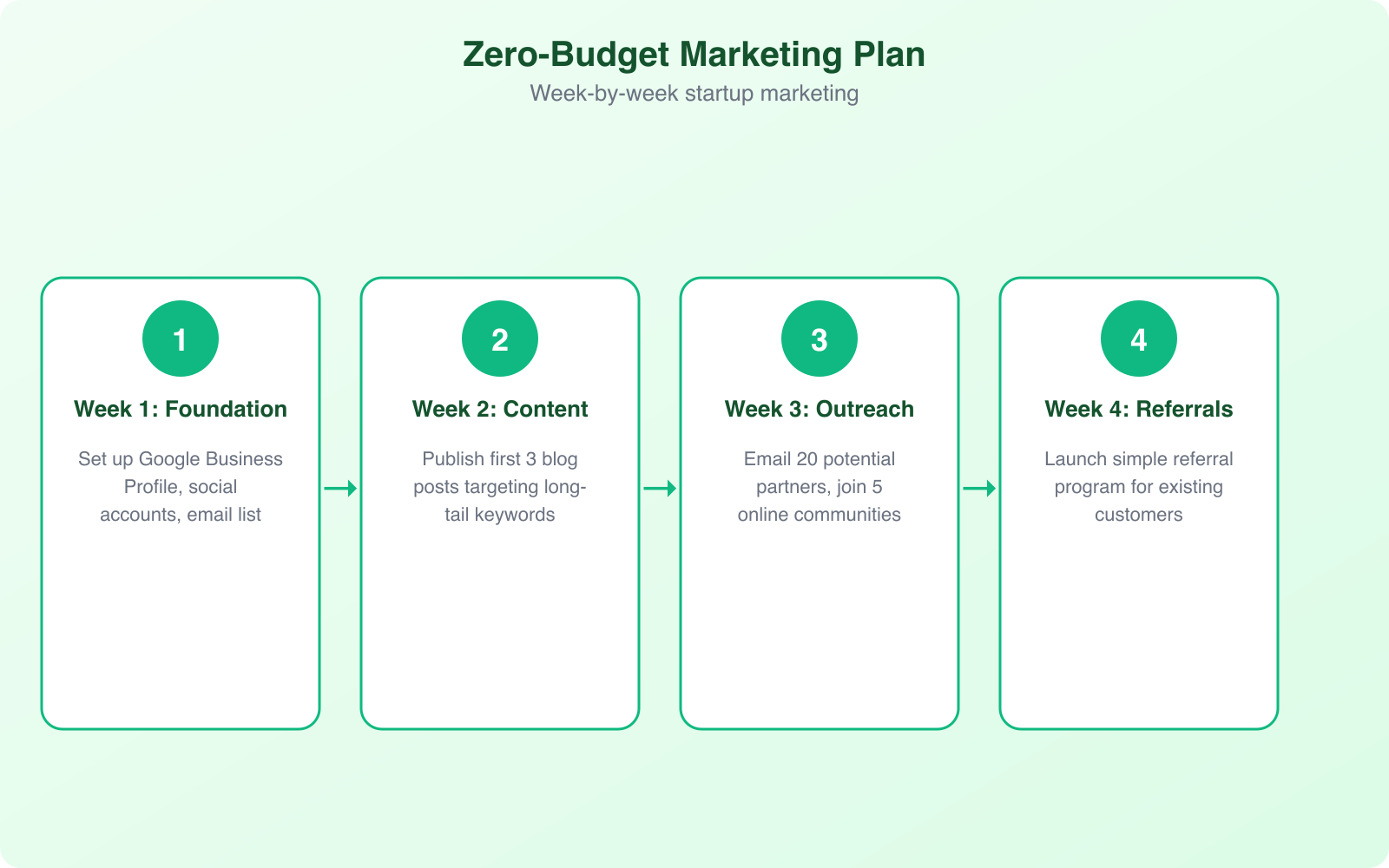
If you serve local customers, a Google Business Profile is non-negotiable. It’s completely free, takes 20 minutes to set up, and puts your business in front of people who are actively searching for what you offer in your area.
Claim your profile, fill out every field completely, add high-quality photos (businesses with photos get 42% more direction requests), and start collecting reviews. Reviews are the single biggest factor in local search rankings. Ask every happy customer for a review and make it easy by sending them a direct link. Even 10-15 genuine reviews put you ahead of most local competitors.
Post updates to your profile regularly. Google rewards active profiles with better visibility. Share weekly updates about promotions, new products, events, or helpful tips related to your industry. It takes 5 minutes and signals to Google that your business is active and engaged.
Strategic Partnerships: Leverage Someone Else’s Audience
One of the fastest ways to grow with zero budget is to partner with businesses that serve the same audience but don’t compete with you. A web designer partners with a copywriter. A personal trainer partners with a meal prep service. A SaaS tool partners with a complementary tool for a joint webinar.
The value exchange is simple: you promote them to your audience, they promote you to theirs. Both parties get access to new potential customers without spending a dollar on advertising. Guest posts on each other’s blogs, co-hosted webinars, bundled offers, and joint social media content are all effective partnership formats.
When reaching out to potential partners, lead with what you can do for them, not what you want from them. “I’d love to feature your product in my next newsletter (5,000 subscribers)” is a much better opening than “Can you promote my startup to your audience?”
Guerrilla Marketing: Creative Tactics That Cost Almost Nothing
Guerrilla marketing is about creativity over budget. It’s the art of getting attention through unconventional methods that your competitors wouldn’t think to try. Here are tactics that actually work for startups.
Community engagement: Answer questions on Reddit, Quora, and industry-specific forums where your target customers hang out. Don’t pitch your product directly. Provide genuinely helpful answers and include a subtle mention of your business when it’s naturally relevant. This builds trust and drives targeted traffic.
Free workshops or webinars: Host a free 30-minute workshop on something your target audience cares about. It positions you as an expert, builds your email list, and creates direct relationships with potential customers. Use free tools like Zoom or Google Meet. No budget required, just your expertise and time.
User-generated content: Encourage customers to share photos or stories about using your product. Feature their content on your social channels. People love being featured by brands, and it creates authentic social proof that’s more convincing than anything you could create yourself.
Apply for business awards: Many industry awards are free to enter and the PR value of winning (or even being nominated) is enormous. It gives you credibility, media coverage, and a badge you can display on your website that builds instant trust with new visitors.
Your employees are your most underutilized marketing asset. Encourage team members to share company content on their personal LinkedIn and social media profiles. Employee posts get 8x more engagement than company page posts on average. Give them clear guidelines and pre-written content they can customize, and you’ve turned your entire team into brand ambassadors at zero additional cost.
Tracking Your Marketing ROI on a Budget
Every marketing activity you do should be measurable. Without tracking, you’re guessing which tactics work and wasting time on ones that don’t. Here’s a simple framework for tracking ROI without expensive analytics tools.
Use UTM parameters on every link you share. Google Analytics (free) can then show you exactly which social media post, email, or partnership drove the most traffic and conversions. Set up goals in Google Analytics to track newsletter signups, contact form submissions, and purchases.
Review your numbers weekly. Which blog posts get the most traffic? Which social media posts get the most engagement? Which email subject lines get the highest open rates? Double down on what works and cut what doesn’t. Marketing on a budget means being ruthlessly efficient with your time and money.
Frequently Asked Questions
What is the best free marketing strategy for startups?
SEO and content marketing combined offer the best free marketing strategy for startups. Writing in-depth blog posts targeting specific keywords your audience searches for builds compounding organic traffic over time. Unlike paid ads that stop when you stop paying, a well-optimized blog post can drive free traffic for years. Pair this with email list building and you have a complete marketing funnel that costs nothing but your time.
How much should a startup spend on marketing?
Most marketing experts recommend startups allocate 12-20% of revenue to marketing, but the real answer depends on your growth stage. Pre-revenue startups should focus on free channels (SEO, social media, referrals) and invest time instead of money. Once you have revenue, start with $200-$500/month on the channel that shows the best organic results, then scale from there based on proven ROI. The key is never spending more than you can afford to lose for 3 months straight.
How do I market my startup with zero budget?
Focus on tactics that cost time but not money: create valuable content (blog posts, social media, YouTube), build an email list with a free lead magnet, engage actively in online communities where your target customers hang out (Reddit, Quora, industry forums), launch a referral program, form partnerships with complementary businesses, and optimize your Google Business Profile for local search. These methods have helped startups grow from zero to thousands of customers without spending a dollar on advertising.
Is social media marketing still effective for startups in 2026?
Yes, but organic reach requires more effort than it did 5 years ago. The key is choosing 1-2 platforms where your audience actually spends time and posting consistently (3-5 times per week). LinkedIn works best for B2B startups, Instagram and TikTok for consumer brands, and X (Twitter) for tech and SaaS companies. Focus on content that educates, entertains, or tells authentic stories rather than promotional posts. Engagement (responding to comments, joining conversations) matters more than follower count.
What is the fastest way for a startup to get customers?
The fastest low-cost method is direct outreach combined with a referral program. Identify 50-100 people who fit your ideal customer profile, reach out personally (email, LinkedIn, or in-person), and offer them a compelling reason to try your product. Once you have happy customers, immediately activate a referral program to turn each customer into a lead source. This approach can generate your first 50-100 customers within 30-60 days with virtually no marketing budget.
Final Thoughts
Marketing a startup on a tight budget isn’t a disadvantage. It’s a forcing function that makes you smarter about where you invest your limited resources. The startups that grow fastest aren’t always the ones with the biggest budgets. They’re the ones that find the right channels early, double down on what works, and stay consistent when everyone else gives up after two weeks.
Start with two or three tactics from this list. Give each one at least 90 days before judging results. Track everything so you know what’s working. And remember: the best marketing doesn’t feel like marketing to the person receiving it. It feels like genuine value. For more ideas on growing your business online, check out my guides on customer acquisition strategies and the best online businesses to start.
Disclaimer: This site is reader-supported. If you buy through some links, I may earn a small commission at no extra cost to you. I only recommend tools I trust and would use myself. Your support helps keep gauravtiwari.org free and focused on real-world advice. Thanks. - Gaurav Tiwari