
Bingo Around the World: How Does It Differ
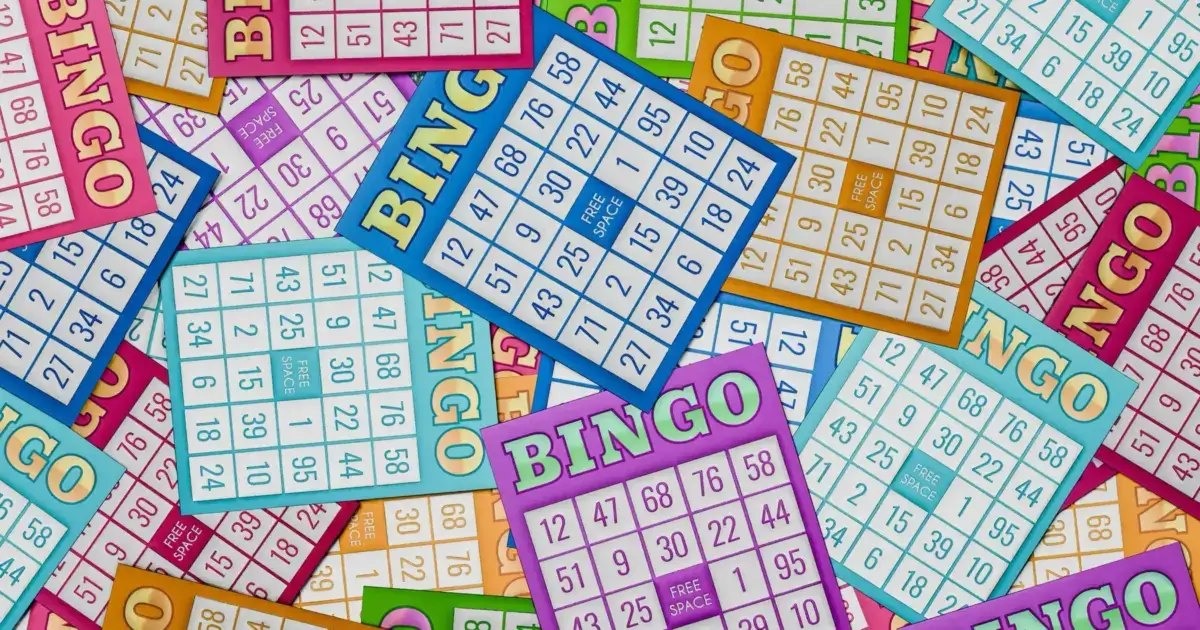
Bingo might feel like a simple numbers game, but once you look beyond your local hall or usual online game, it turns into something much bigger. Step outside your own country, and things start to look different. Different rules, different calls, different vibes. That same familiar thrill when your numbers start lining up.
Here’s how the same game ends up feeling totally different depending on where you play it.
Bingo’s European Roots
Bingo’s story starts in Europe, and Italy usually gets credit as its birthplace. As far back as the 16th century, Italians were playing a lottery-style game known as Gioco del Lotto. From there, the game evolved and spread.
Italy didn’t stop with one version either. Tombola arrived later, in the 18th century, and is still a Christmas tradition today. It feels like bingo, but with extra personality. 90 numbers, each with its own nickname and illustration. Colorful cards. Wooden coins instead of dabbers. It’s more social, and a big part of family celebrations.
Across Europe, bingo found its own rhythm. In France, it’s often called lotto and is commonly played as a way to raise money for schools or local groups. Players mark reusable cards using tokens, and instead of shouting bingo, they call out carton or quine. Prizes aren’t always cash either. Sometimes it’s goods donated by sponsors or supporters.
Germany embraced bingo in the late 19th century, originally calling it der Lottospiel. Winners shout volltreffer, and the game has become more than entertainment. It’s used as an educational tool, helping teach math, spelling, history and more. That has helped bingo appeal to all ages.
Romania’s bingo story is much newer. After the fall of the Ceaușescu regime, bingo halls exploded in popularity. The country quickly became one of Europe’s biggest bingo markets, with both online and land-based games drawing huge crowds.
The UK and Ireland
In the UK, bingo has deep roots. During World War One, soldiers played a version known as Housey-Housey, which later shaped the modern game. South East London became famous for it, and that’s where many of the classic calls and Cockney rhyming slang came from.
For decades, bingo halls were everywhere. Then something interesting happened. Bingo found a new audience. Club nights with DJs, dancing on tables, challenges mid-game. Drag bingo hosted by queens who bring humor and glam. It’s loud, fast, and very different from the image many people still have in their heads.
Ireland has its own strong bingo culture too, especially in rural areas where halls and social clubs remain popular with older players. Online bingo has grown, but the land-based scene still matters. Government regulation has caused some debate, but bingo continues to be a big part of community life.
Nordic Twists
Scandinavian countries have fully embraced bingo, with Sweden leading the way. Swedish bingo uses a 75-ball format, but without a free middle square. Instead of just one prize, players can win five prizes for one line, two lines, all the way up to a full house.
One of the more unique developments is drive-in bingo. Players head to rural spots and play from inside their cars. It’s social, but also laid-back, and has become popular with younger players looking for something a bit different.
Australia’s Housie
Australia’s version, Housie, feels familiar but tougher. No free middle space means more numbers are needed to win. There are no nicknames for numbers either. The caller sticks to B-I-N-G-O to identify columns, keeping things simple.
When players complete a full house, they don’t shout bingo. They shout housie. It’s a small change, but it gives the game its own identity.
Bingo Goes Online in Japan
Japan couldn’t be more different. Physical bingo halls aren’t allowed, but online bingo is perfectly legal and hugely popular. The country holds the record for the largest online bingo game ever played, with nearly 500,000 players joining.
Japan’s Bingo 5 blends bingo and lottery mechanics. Players choose numbers on a 3×3 grid and wait for weekly draws, winning based on completed lines. Online bingo in Japan feels familiar yet different, similar to visiting your favorite online bingo site while still discovering new formats and ideas.
Bingo in the Americas
The United States transformed bingo in the 20th century. It became popular in churches and charities, used to raise money for local causes. 75-ball bingo is standard, and while casinos host games in some states, community bingo is still more common. Online bingo hasn’t taken off in the same way due to strict gambling laws, but some states are beginning to open up.
South America has mixed feelings about the game. Argentina and Chile have embraced bingo halls, while Brazil’s relationship with bingo has been complicated by changing laws and political debates.
Same Game, Different Energy
Opera bingo in Denmark. Drive-in bingo in Sweden. Educational bingo in Germany. Party bingo in UK nightclubs. Bingo shows in Romania. Wherever you go, bingo adapts.
Where did bingo originate?
Bingo originated in Italy, dating back to the 16th century. Italians played a lottery-style game known as Gioco del Lotto, which evolved and spread across Europe over time.
What is Tombola and how is it different from bingo?
Tombola is an Italian variation of bingo that emerged in the 18th century and remains a Christmas tradition today. It uses 90 numbers, each with its own nickname and illustration, colorful cards, and wooden coins instead of dabbers. It’s more social and is a big part of family celebrations.
What is Housie in Australia?
Housie is Australia’s version of bingo. It has no free middle space, which means more numbers are needed to win. There are no nicknames for numbers, and players shout “housie” instead of “bingo” when they complete a full house.
Is bingo legal in Japan?
Physical bingo halls aren’t allowed in Japan, but online bingo is perfectly legal and hugely popular. Japan holds the record for the largest online bingo game ever played, with nearly 500,000 players joining.
What is drive-in bingo?
Drive-in bingo is a Swedish innovation where players head to countryside spots and play from inside their cars. It’s social but laid-back, and has become popular with younger players looking for something different.
How is bingo played in the United States?
The United States uses 75-ball bingo as the standard format. Bingo became popular through churches and charities as a fundraising tool. While casinos host games in some states, community bingo remains more common.
What do players shout when they win bingo in different countries?
It varies by country. In France, players call out “carton” or “quine.” In Germany, winners shout “volltreffer.” In Australia, they shout “housie.” In most English-speaking countries, the traditional “bingo” call is used.
How is bingo used in Germany?
In Germany, bingo (originally called der Lottospiel) has become more than entertainment. It’s used as an educational tool, helping teach math, spelling, history, and more, which has helped the game appeal to all ages.
The numbers stay the same. The feeling changes. And that’s what makes bingo around the world so interesting.
Disclaimer: This article is for information only, not legal or financial advice. Online betting and iGaming are regulated, and rules vary by location. Make sure you are allowed to play where you live. Gambling involves real financial risk and can be addictive. Only play with money you can afford to lose, and get help if it stops being fun.