
 by
by
The best productivity books are not interchangeable. The test is not whether an idea sounds motivating on Sunday. It is whether the system still works on a crowded Wednesday. This guide gives knowledge workers and solo builders who want systems that survive a normal workweek a clear first choice, 9 useful alternatives, and the limitation that should move you away from each pick.
My top pick is Essentialism for deciding what not to do. Choose Slow Productivity for knowledge workers near overload, or The ONE Thing for people with too many priorities. The rest of the guide explains why those jobs should not be collapsed into one bestseller ranking.
Important: Do not install five productivity systems at once. Pick one constraint, test one method for two weeks, and keep only what reduces friction.
Quick verdict
If you want one answer, start with Essentialism. Its main strength is clear: Builds a practical case for fewer commitments and clearer tradeoffs. The comparison table links every recommendation directly, including Slow Productivity and The ONE Thing.
| Recommendation | Verdict | Best for | Starting level |
|---|---|---|---|
| Essentialism | Top Pick | deciding what not to do | No prerequisite |
| Slow Productivity | Best for Sustainable Work | knowledge workers near overload | No prerequisite |
| The ONE Thing | Best for Focus | people with too many priorities | No prerequisite |
| The 12 Week Year | Best for Execution | turning annual goals into weekly action | Best with weekly review |
| Feel-Good Productivity | Best for Motivation | readers fighting burnout and avoidance | No prerequisite |
| Atomic Habits | Best for Habit Systems | readers who need small behaviors to become automatic | No prerequisite |
| Deep Work | Best for Focus | knowledge workers protecting time for demanding work | No prerequisite |
| Getting Things Done | Best for Complete Workflow | readers who need a trusted system for commitments and next actions | No prerequisite |
| Four Thousand Weeks | Best for Time Realism | readers trapped by impossible productivity expectations | No prerequisite |
| The Productivity Project | Best for Tested Experiments | readers who want evidence from practical productivity trials | No prerequisite |

If you are still building the surrounding skills or setup, use business productivity apps and productivity tools for freelancers. Those published guides cover adjacent decisions without forcing another overlapping purchase.
How I built this shortlist
I shortlisted these books by daily usability, decision clarity, focus protection, project follow-through, and burnout risk. I also separated the job each book does from the reputation attached to its title. A famous advanced text is not automatically the right first book.
The best productivity books for different needs
Start with the broad productivity foundation, then move to the specialist gap you need to close.
1. Essentialism: Deciding what not to do
Essentialism by Greg McKeown is my top pick for deciding what not to do. Builds a practical case for fewer commitments and clearer tradeoffs.
The entry point is no prerequisite. Readers can turn it into vague minimalism unless they make explicit choices.
Buy it if: Deciding what not to do. Skip it if: You won’t make explicit choices about what to drop. Check Amazon.com or Amazon.in for the exact edition, format, and current seller terms.
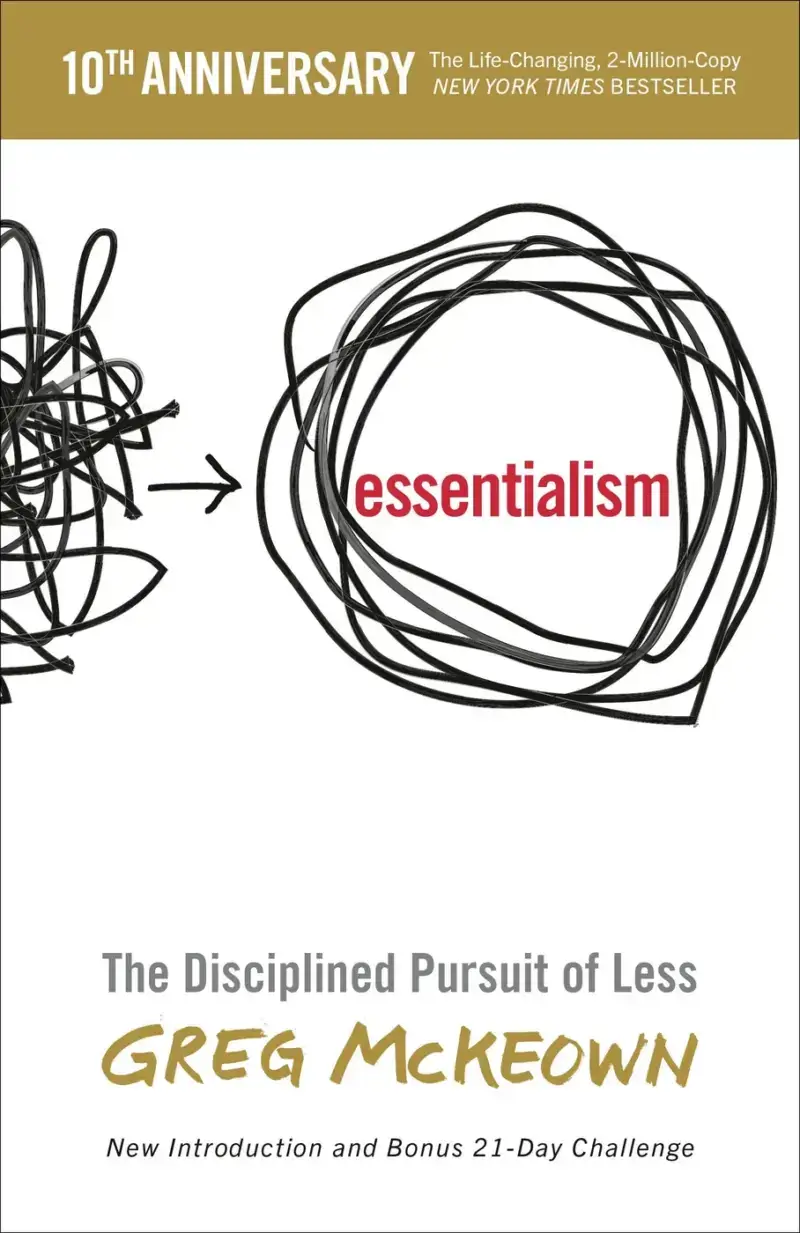
- By Greg McKeown
- Best for: deciding what not to do
- Level: No prerequisite
- Main strength: Builds a practical case for fewer commitments and clearer tradeoffs.
- Watch-out: Readers can turn it into vague minimalism unless they make explicit choices.
- Verify the exact edition, format, and seller
- Published: Crown Currency, 2020 edition
- Pairs well with: Getting Things Done, to run what survives the cut
2. Slow Productivity: Knowledge workers near overload
Slow Productivity by Cal Newport is my best for sustainable work for knowledge workers near overload. Reframes output around fewer priorities, natural pace, and quality.
The entry point is no prerequisite. The principles need translation into your own calendar and workload.
Buy it if: Knowledge workers near overload. Skip it if: You want a ready-made calendar system. Check Amazon.com or Amazon.in for the exact edition, format, and current seller terms.
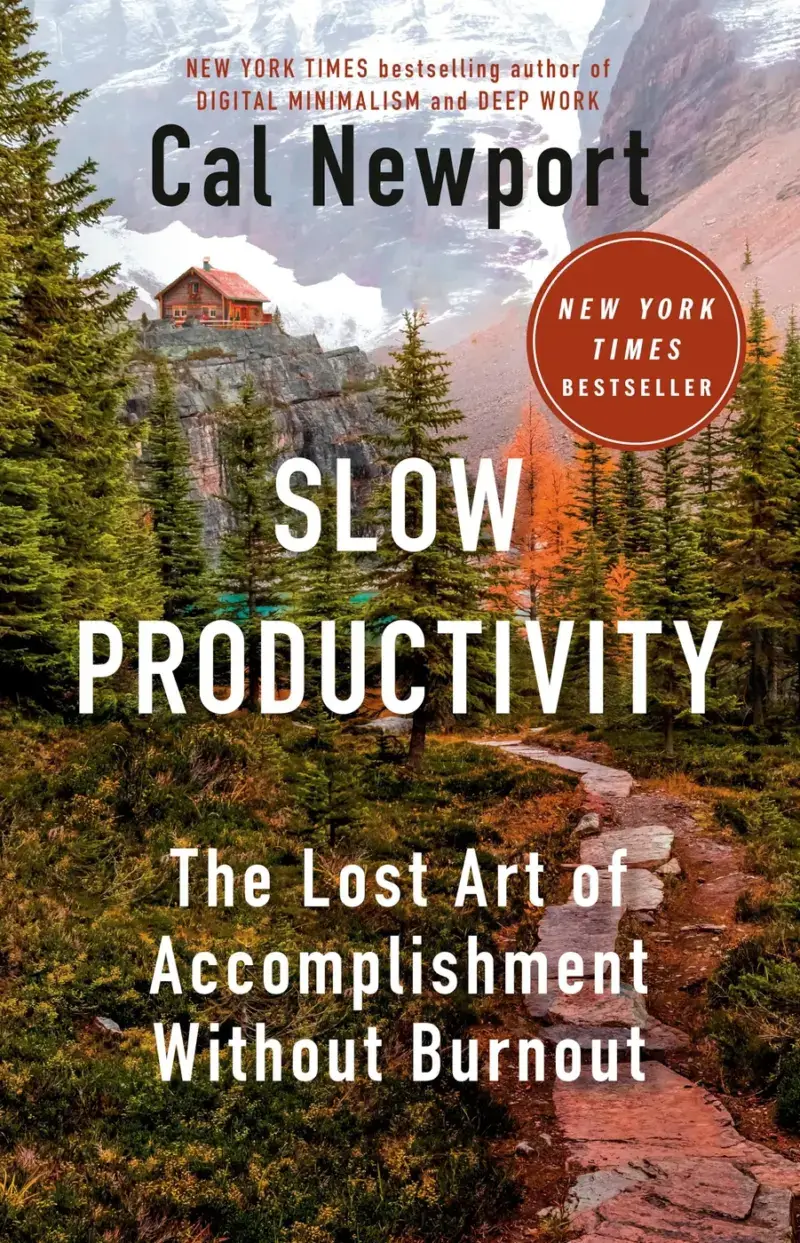
- By Cal Newport
- Best for: knowledge workers near overload
- Level: No prerequisite
- Main strength: Reframes output around fewer priorities, natural pace, and quality.
- Watch-out: The principles need translation into your own calendar and workload.
- Verify the exact edition, format, and seller
- Published: Portfolio, 2024
- Pairs well with: Four Thousand Weeks, for the same argument taken further
3. The ONE Thing: People with too many priorities
The ONE Thing by Gary Keller and Jay Papasan is my best for focus for people with too many priorities. Uses a simple focusing question to expose the work that matters most.
The entry point is no prerequisite. A single-priority lens needs care when your role includes unavoidable maintenance work.
Buy it if: People with too many priorities. Skip it if: Your role is mostly unavoidable maintenance work. Check Amazon.com or Amazon.in for the exact edition, format, and current seller terms.
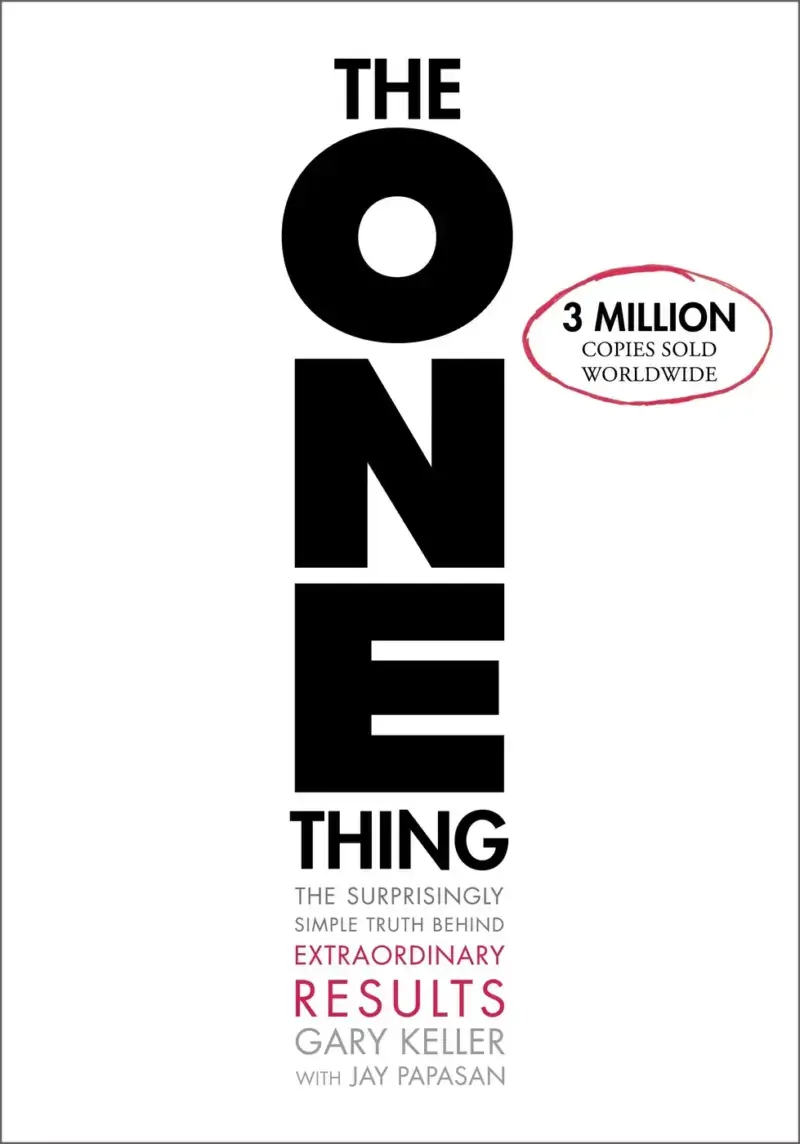
- By Gary Keller and Jay Papasan
- Best for: people with too many priorities
- Level: No prerequisite
- Main strength: Uses a simple focusing question to expose the work that matters most.
- Watch-out: A single-priority lens needs care when your role includes unavoidable maintenance work.
- Verify the exact edition, format, and seller
- Published: Bard Press, 2013
- Pairs well with: Deep Work, for protecting the block the one thing needs
4. The 12 Week Year: Turning annual goals into weekly action
The 12 Week Year by Brian P. Moran and Michael Lennington is my best for execution for turning annual goals into weekly action. Short cycles make progress visible and force weekly commitments.
The entry point is best with weekly review. The system creates pressure if you overpack the 12-week plan.
Buy it if: Turning annual goals into weekly action. Skip it if: You’d overpack the 12-week plan. Check Amazon.com or Amazon.in for the exact edition, format, and current seller terms.
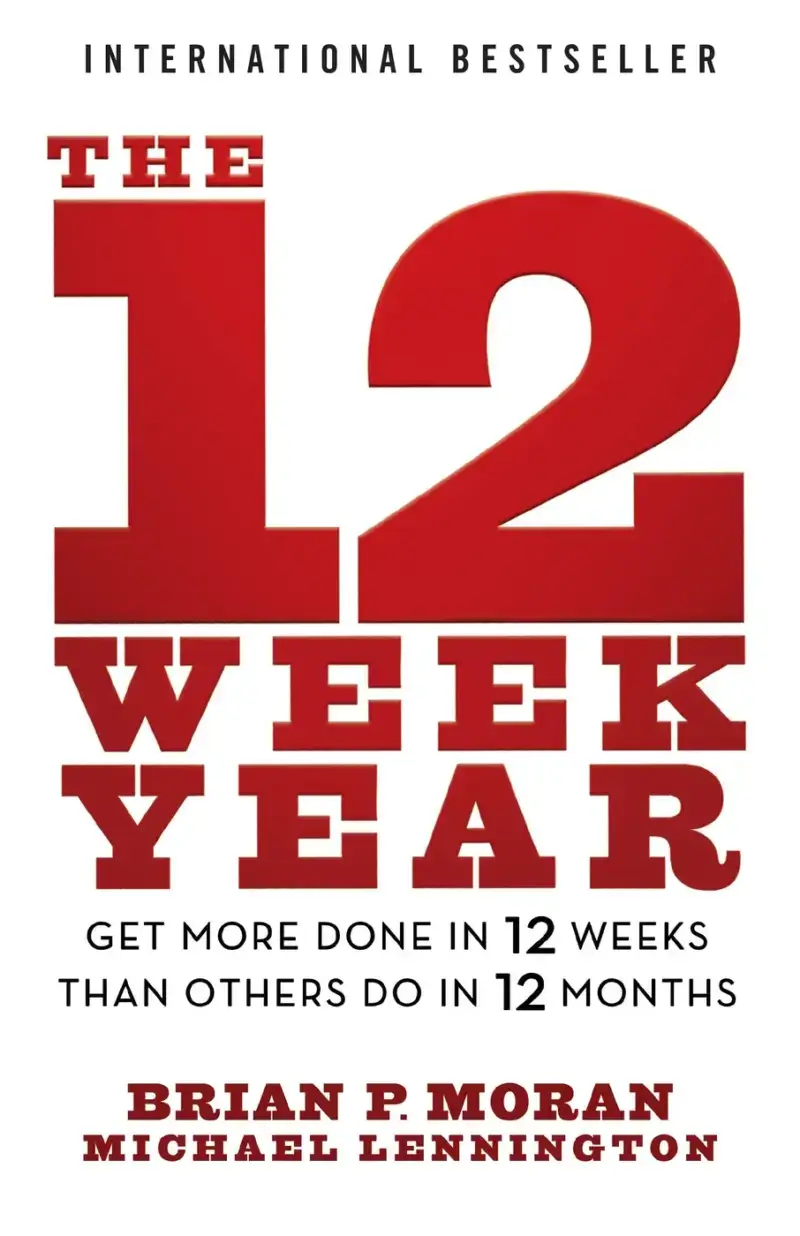
- By Brian P. Moran and Michael Lennington
- Best for: turning annual goals into weekly action
- Level: Best with weekly review
- Main strength: Short cycles make progress visible and force weekly commitments.
- Watch-out: The system creates pressure if you overpack the 12-week plan.
- Verify the exact edition, format, and seller
- Published: Wiley, 2025 edition
- Pairs well with: Getting Things Done, for the capture layer underneath the cadence
5. Feel-Good Productivity: Readers fighting burnout and avoidance
Feel-Good Productivity by Ali Abdaal is my best for motivation for readers fighting burnout and avoidance. Connects energy, play, and sustainable action with practical experiments.
The entry point is no prerequisite. It is broader and more personal than a strict project-management system.
Buy it if: Readers fighting burnout and avoidance. Skip it if: You want a strict project-management system. Check Amazon.com or Amazon.in for the exact edition, format, and current seller terms.
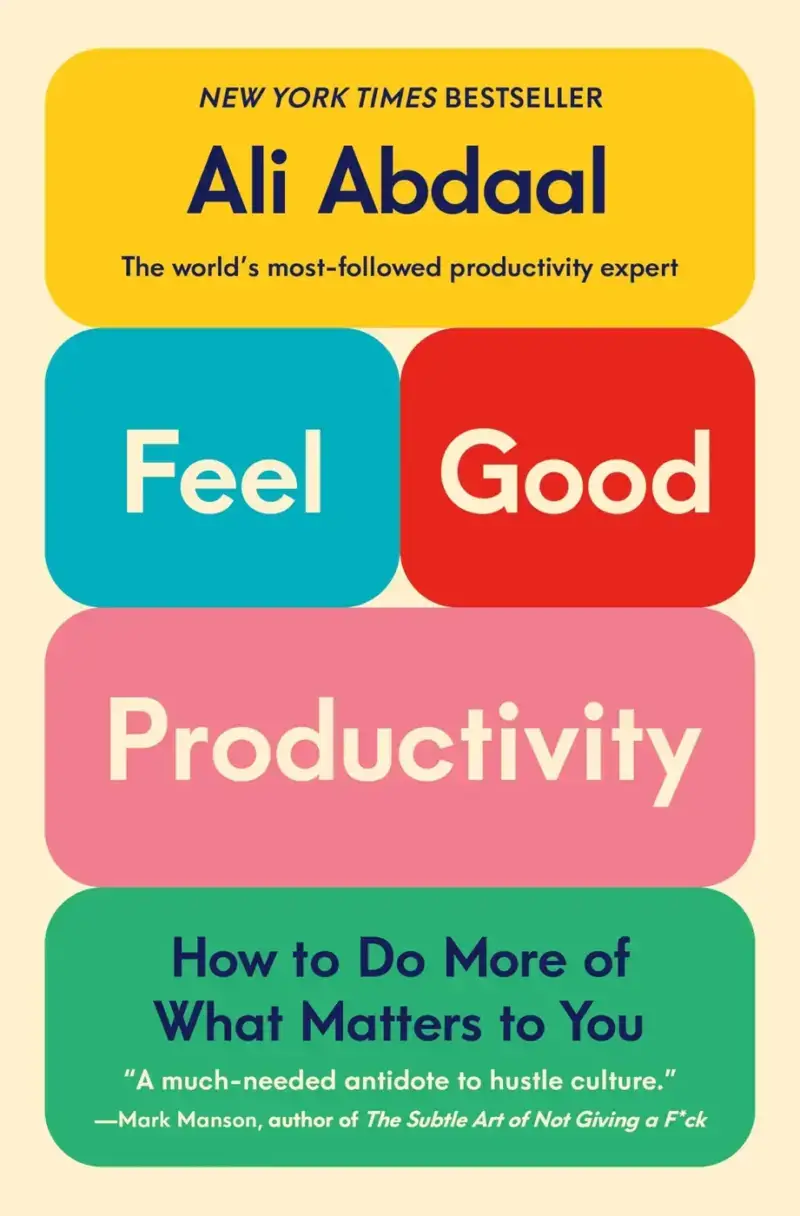
- By Ali Abdaal
- Best for: readers fighting burnout and avoidance
- Level: No prerequisite
- Main strength: Connects energy, play, and sustainable action with practical experiments.
- Watch-out: It is broader and more personal than a strict project-management system.
- Verify the exact edition, format, and seller
- Published: Celadon Books, 2025 edition
- Pairs well with: Slow Productivity, for the burnout argument in a calmer register
6. Atomic Habits: Readers who need small behaviors to become automatic
Atomic Habits by James Clear is my best for habit systems for readers who need small behaviors to become automatic. Turns habit change into a practical loop built around cues, environment, repetition, and visible progress.
The entry point is no prerequisite. It improves recurring behavior but does not replace a system for choosing the right projects.
Buy it if: Readers who need small behaviors to become automatic. Skip it if: You need help choosing the right projects. Check Amazon.com or Amazon.in for the exact edition, format, and current seller terms.
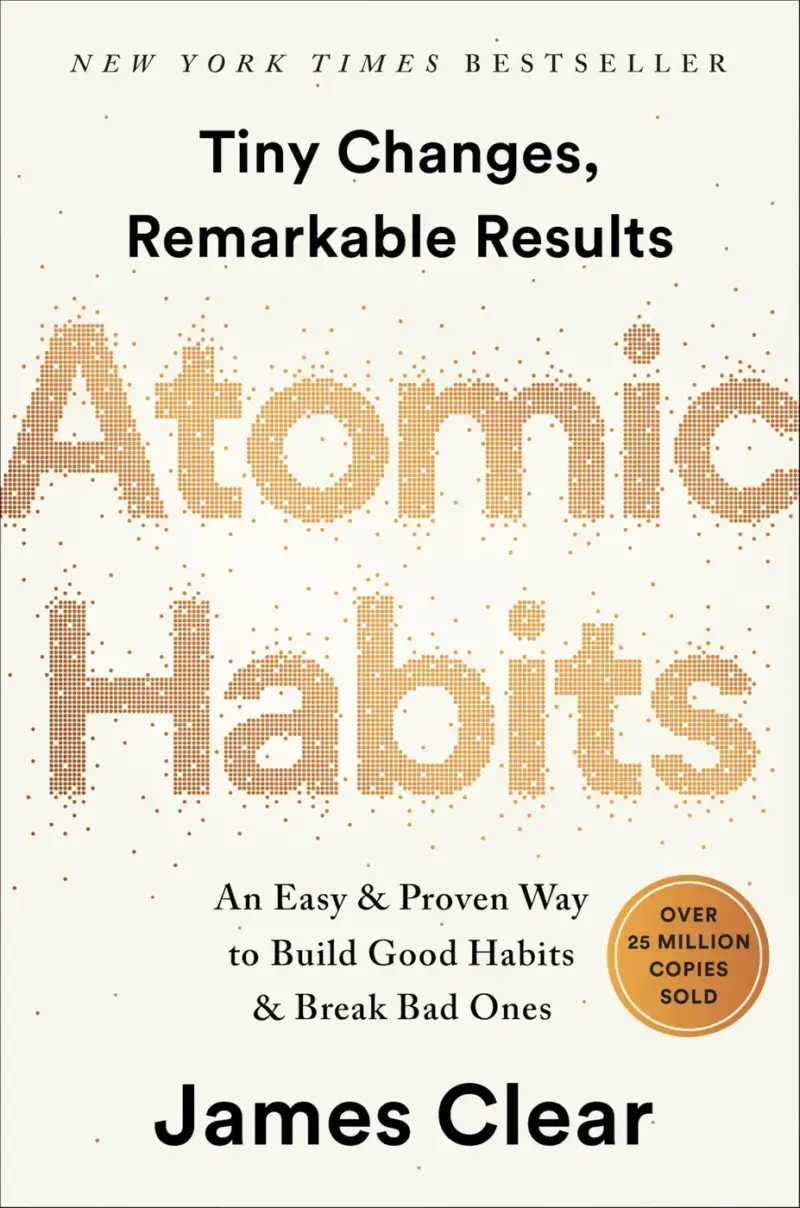
- By James Clear
- Best for: readers who need small behaviors to become automatic
- Level: No prerequisite
- Main strength: Turns habit change into a practical loop built around cues, environment, repetition, and visible progress.
- Watch-out: It improves recurring behavior but does not replace a system for choosing the right projects.
- Verify the exact edition, format, and seller
- Published: Avery, 2018
- Pairs well with: The ONE Thing, which handles choosing rather than doing
7. Deep Work: Knowledge workers protecting time for demanding work
Deep Work by Cal Newport is my best for focus for knowledge workers protecting time for demanding work. Explains why distraction-free concentration is valuable and gives several workable ways to schedule it.
The entry point is no prerequisite. Its routines are easier to apply when you control at least part of your calendar.
Buy it if: Knowledge workers protecting time for demanding work. Skip it if: You don’t control any part of your calendar. Check Amazon.com or Amazon.in for the exact edition, format, and current seller terms.
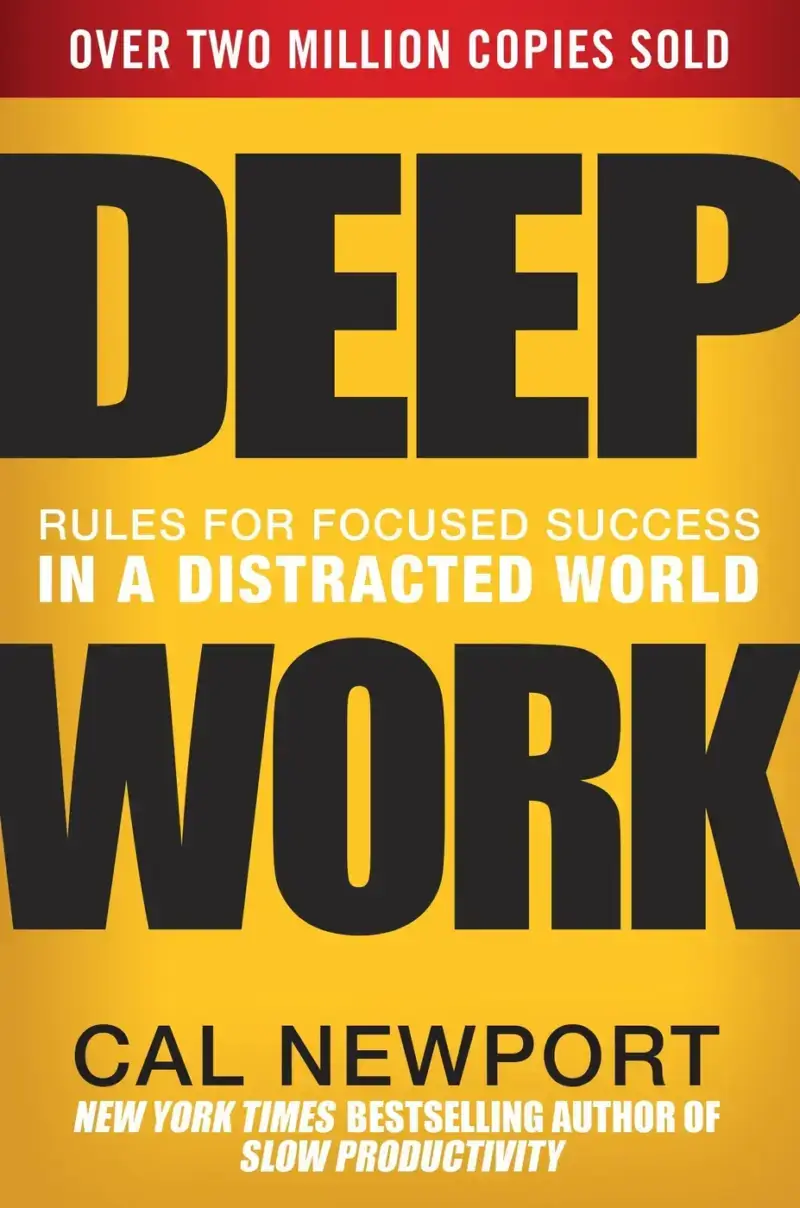
- By Cal Newport
- Best for: knowledge workers protecting time for demanding work
- Level: No prerequisite
- Main strength: Explains why distraction-free concentration is valuable and gives several workable ways to schedule it.
- Watch-out: Its routines are easier to apply when you control at least part of your calendar.
- Verify the exact edition, format, and seller
- Published: Grand Central Publishing, 2016
- Pairs well with: Atomic Habits, for starting the block you protected
8. Getting Things Done: Readers who need a trusted system for commitments and next actions
Getting Things Done by David Allen and James Fallows is my best for complete workflow for readers who need a trusted system for commitments and next actions. Provides a full capture, clarify, organize, review, and engage workflow for reducing mental clutter.
The entry point is no prerequisite. The system has more moving parts than a simple daily-priority method.
Buy it if: Readers who need a trusted system for commitments and next actions. Skip it if: You want a simple daily-priority method. Check Amazon.com or Amazon.in for the exact edition, format, and current seller terms.
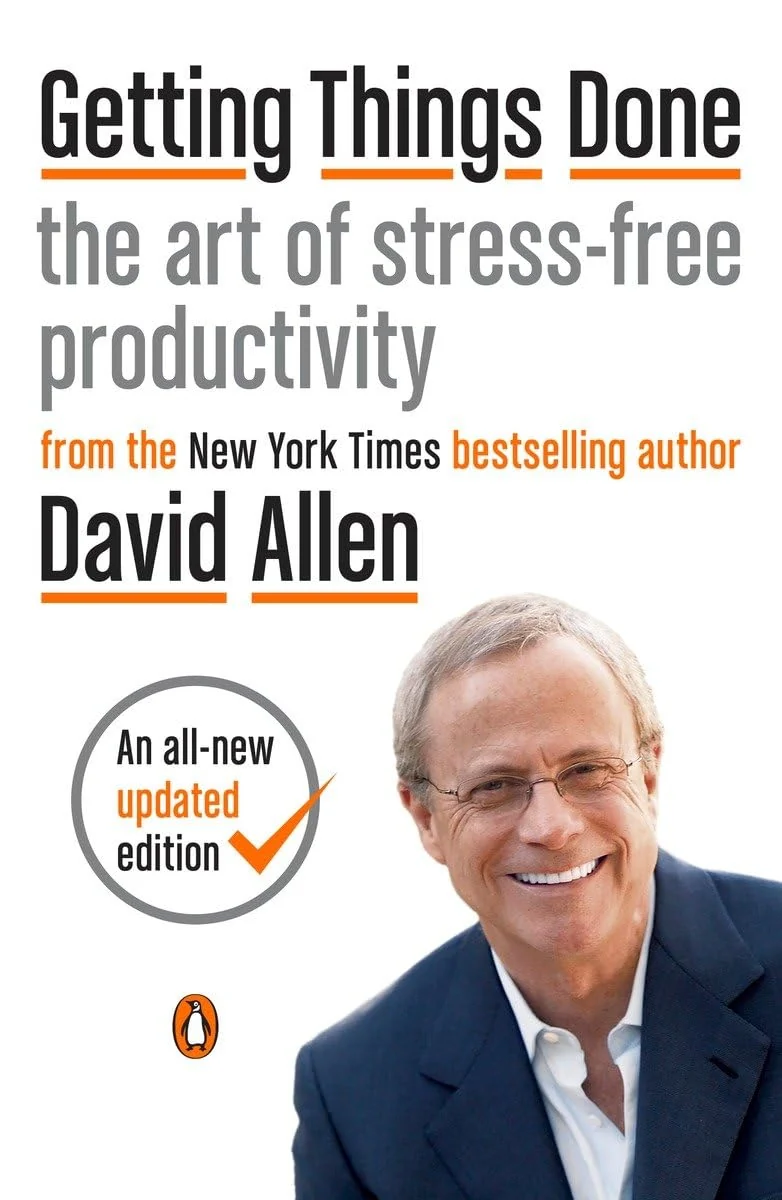
- By David Allen and James Fallows
- Best for: readers who need a trusted system for commitments and next actions
- Level: No prerequisite
- Main strength: Provides a full capture, clarify, organize, review, and engage workflow for reducing mental clutter.
- Watch-out: The system has more moving parts than a simple daily-priority method.
- Verify the exact edition, format, and seller
- Published: Penguin Books, 2015 revised edition
- Pairs well with: The 12 Week Year, to give the next actions a deadline
9. Four Thousand Weeks: Readers trapped by impossible productivity expectations
Four Thousand Weeks by Oliver Burkeman is my best for time realism for readers trapped by impossible productivity expectations. Reframes productivity around limited time, meaningful commitments, and deciding what deserves to remain undone.
The entry point is no prerequisite. It changes how you think about time more than it specifies a daily workflow.
Buy it if: Readers trapped by impossible productivity expectations. Skip it if: You want a specified daily workflow. Check Amazon.com or Amazon.in for the exact edition, format, and current seller terms.
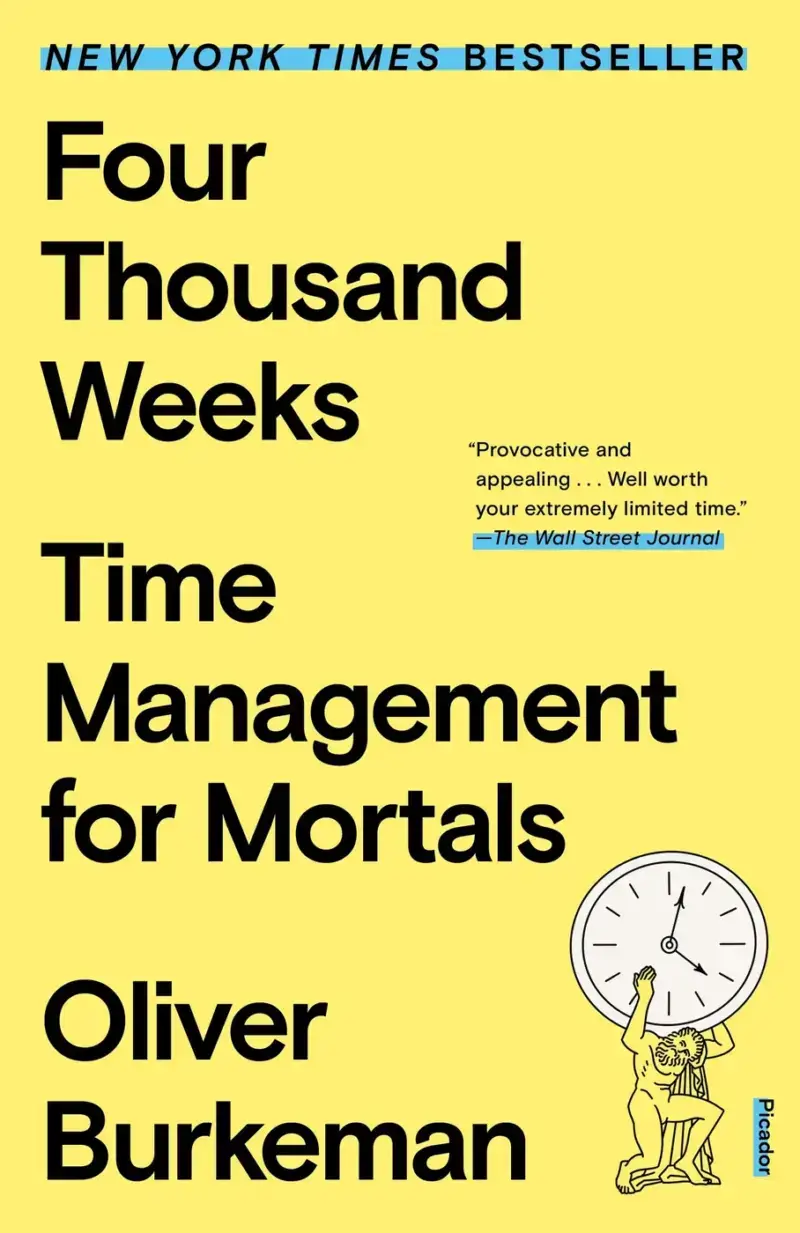
- By Oliver Burkeman
- Best for: readers trapped by impossible productivity expectations
- Level: No prerequisite
- Main strength: Reframes productivity around limited time, meaningful commitments, and deciding what deserves to remain undone.
- Watch-out: It changes how you think about time more than it specifies a daily workflow.
- Verify the exact edition, format, and seller
- Published: Picador Paper, 2023 edition
- Pairs well with: Essentialism, for the practical version of the same conclusion
10. The Productivity Project: Readers who want evidence from practical productivity trials
The Productivity Project by Chris Bailey is my best for tested experiments for readers who want evidence from practical productivity trials. Compares experiments involving attention, energy, time, meditation, email, and deliberate work habits.
The entry point is no prerequisite. The experiment-led structure is less systematic than a single end-to-end method.
Buy it if: Readers who want evidence from practical productivity trials. Skip it if: You want a single end-to-end method. Check Amazon.com or Amazon.in for the exact edition, format, and current seller terms.
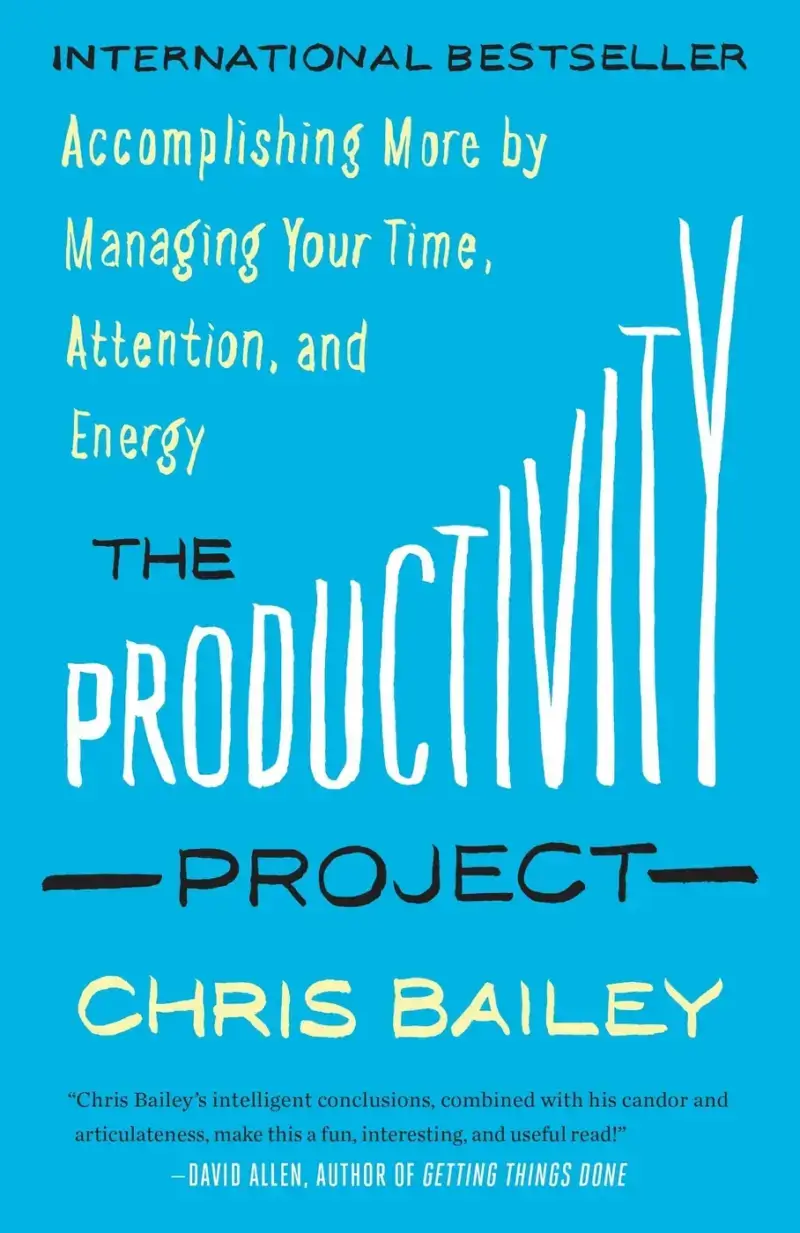
- By Chris Bailey
- Best for: readers who want evidence from practical productivity trials
- Level: No prerequisite
- Main strength: Compares experiments involving attention, energy, time, meditation, email, and deliberate work habits.
- Watch-out: The experiment-led structure is less systematic than a single end-to-end method.
- Verify the exact edition, format, and seller
- Published: Crown Currency, 2017 edition
- Pairs well with: Feel-Good Productivity, for the energy side in more depth
Free options to use before you buy
Start with the free material below and pay only for the gap it exposes.
- How to Live on 24 Hours a Day: Arnold Bennett's public-domain short book on attention and time.
- Todoist Productivity Methods: free practical summaries of widely used planning systems.
How to choose among the best productivity books
Start with the failure condition, not the bestseller rank. For this topic, daily usability, decision clarity, and focus protection change the decision faster than a longer feature list.
Check daily usability
Write down what you already know, what the next course, project, or workday demands, and what would make the purchase unusable. A recommendation that ignores daily usability can be technically excellent and still waste your time or money. Use decision clarity only after the basic fit is clear.
Check decision clarity
More decision clarity often brings extra cost, weight, complexity, or prerequisite load. Decide how much of it the next six months actually require. Then compare that need with focus protection instead of paying for a larger promise you may never use.
Check focus protection
Look for evidence of focus protection in the sample, specification, table of contents, or exact model details. Marketing language is not enough. If the evidence is unclear, let project follow-through decide the tie or choose a seller with safer return terms.
Check project follow-through
Treat project follow-through as a practical test of long-term value. A product can feel impressive for ten minutes and still become frustrating during repeated work. Compare it with burnout risk, because support, fit, and depth usually matter after the novelty is gone.
Check burnout risk
Check burnout risk last, but do not skip it. This is where edition problems, missing access, poor fit, weak support, and the wrong use case become expensive. Save the exact listing details before checkout so you can verify what arrives.

A practical reading plan
One core text is enough; let practice expose when you need a second.
- Start with Essentialism if its level and use case match your goal.
- Use Slow Productivity only when you need its specific strength: reframes output around fewer priorities, natural pace, and quality.
- Schedule practice, notes, exercises, or applied work after every reading block.
- Review errors and unclear terms once a week instead of highlighting more pages.
- Move to The ONE Thing when its specialization becomes the next bottleneck.
For adjacent material, use personal productivity Chrome extensions and ways to be more productive as an entrepreneur. Those guides can fill prerequisite or application gaps without turning this list into a pile of overlapping purchases.
Common buying mistakes
Most bad purchases in this category are predictable.
- Buying for reputation: A famous advanced text can be the wrong first teacher.
- Ignoring the edition: Exam formats, software libraries, examples, and bundled access can change.
- Collecting instead of practicing: A smaller book completed with exercises beats a shelf of unread references.
- Skipping free material: Use the open resources below to test the level and your interest first.
- Confusing scope with quality: A concise review book and a full textbook solve different problems.
Use this five-minute decision worksheet
Before choosing from the best productivity books, answer these questions in writing. The exercise makes hidden assumptions visible and gives you a reason for the final choice. Keep the answers beside the comparison table, because a product that cannot satisfy them should leave the shortlist even when its reviews look impressive.
- Outcome: Write the exact course, project, exam section, or skill you want the book to support.
- Starting point: Name the mathematics, coding, proof, science, or business knowledge you already have.
- Practice: Decide whether you need worked examples, exercises, solutions, projects, or a compact reference.
- Format: Check whether print, ebook, used, rental, or bundled access fits the way you study.
- Stop rule: Do not buy Slow Productivity until Essentialism or a free resource exposes a specific gap.
Use the worksheet to turn browsing into one defensible purchase.

Which option should you choose?
Choose Essentialism when deciding what not to do is the main job. Move to Slow Productivity for knowledge workers near overload. Pick The ONE Thing only when people with too many priorities is the real requirement.
The shortest useful decision is this: match the best productivity books to your next task, confirm the exact edition or model, and keep the limitation visible. A well-matched second choice is better than a famous top pick aimed at someone else.
Frequently asked questions
What are the best productivity books?
Essentialism is the top pick for deciding what not to do. Slow Productivity is better for knowledge workers near overload, while The ONE Thing suits people with too many priorities. Match the prerequisite and teaching style before choosing.
How many of the best productivity books should I buy?
Buy one main book first. Add a second only when it fills a specific gap such as extra problems, visual explanation, technical depth, or exam practice. More books do not create more study time.
Is an older edition worth buying?
An older edition can be good value when the core theory is stable and you do not need online access. Avoid old editions for changing exams, software libraries, platform instructions, or assignments tied to a current course.
Should I buy print, ebook, or used?
Choose print for heavy annotation and equation work, ebook for search and portability, and used for stable textbooks without required access codes. Always match the ISBN or ASIN to the edition you intend to study.
Are there good free alternatives?
Yes. How to Live on 24 Hours a Day and Todoist Productivity Methods are legal free starting points for this topic. Use them to test the level and build a foundation before paying for a specialized book.
How were these books shortlisted?
The shortlist compares daily usability, decision clarity, focus protection, project follow-through, and burnout risk. It does not use unverified ratings, fixed prices, or claims that every title was personally completed.
Tell Google you want more of this.
Add Gaurav Tiwari as a preferred sourceOne tap, and this site shows up more often in your own Top Stories, AI Overviews and AI Mode. Remove it any time.
Disclaimer: This site is reader-supported. If you buy through some links, I may earn a small commission at no extra cost to you. I only recommend tools I trust and would use myself. Your support helps keep gauravtiwari.org free and focused on real-world advice. Thanks. - Gaurav Tiwari