
Will Instant Verification Replace Traditional Sign-Ups in iGaming?
Online services have spent years trying to reduce friction at the point where interest turns into action. Lengthy registration forms, repeated identity checks, and email confirmations often interrupt that moment. In competitive digital markets, those delays matter more than many operators expect.
The iGaming sector highlights this tension clearly. While it is not the core focus of most digital publishers, its onboarding challenges mirror those faced by fintech tools, SaaS platforms, and subscription products. The real question is whether instant verification systems can genuinely replace traditional sign-ups without creating new risks.
The Friction Problem In User Registration
Traditional registration flows were built around control. Users create accounts, upload documents, wait for approval, and then return later to complete the process. From a compliance perspective, this structure made sense, but from a user perspective, it introduced uncertainty and delay.
Digital audiences in 2026 behave differently. They expect onboarding to feel as smooth as logging into an existing app. When sign-up feels like paperwork, abandonment rates rise quickly. This matters because the first interaction often shapes how trustworthy and modern a platform feels.
Instant verification tools aim to remove that pause. Instead of manual data entry, they rely on existing banking or identity infrastructure. For many users, that feels less like registering and more like confirming who they already are.
Analyzing Market Adoption And Player Trends
Adoption of instant verification has accelerated where speed and trust intersect. Users increasingly favour platforms that let them move from intent to action in seconds, not minutes. That behaviour is visible across payments, authentication, and content access.
In the iGaming context, this has led to the rise of so-called “no-account” experiences. Instead of usernames and passwords, access to no-account casinos, like those reviewed by CasinoBeats, is tied directly to verified banking credentials. This approach reshapes expectations around onboarding speed and simplicity. The emphasis is less on creating an account and more on confirming identity once, securely.
For digital businesses outside of gambling, the lesson is transferable. When onboarding aligns with tools users already trust, resistance drops.
How BankID Integration Secures Player Data
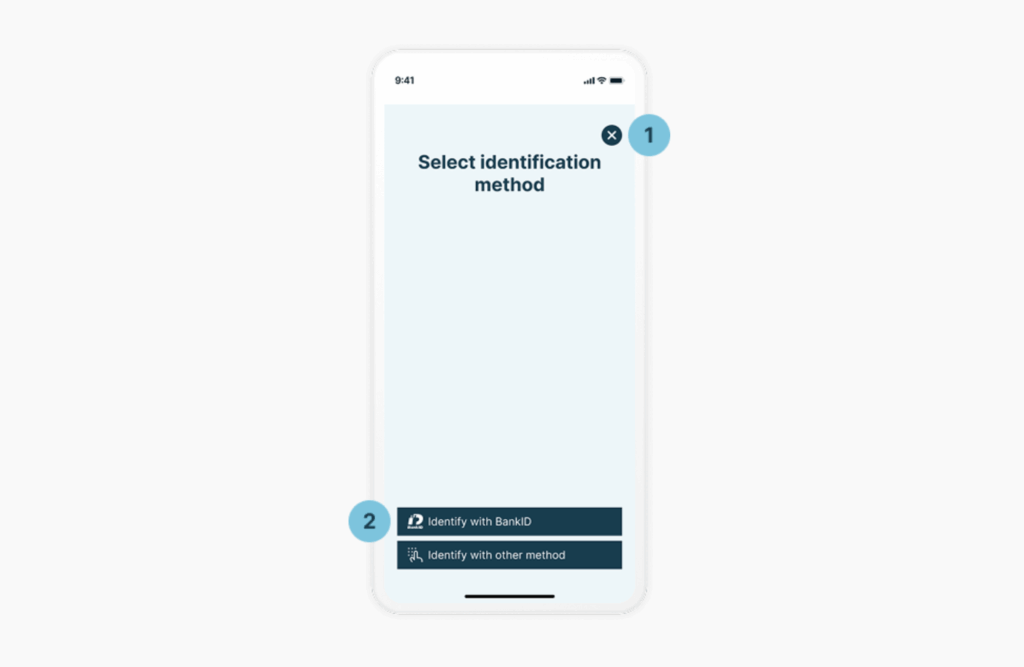
BankID-style systems work because they leverage trusted institutions. Rather than handing personal details to multiple platforms, users authenticate through their bank, which already holds verified information. For example, in Sweden, about 80% of citizens have BankID, and it is used on average twice per day to verify one’s identity. The platform receives confirmation, not raw data.
This approach changes the security model. Sensitive details are not stored across dozens of services, reducing exposure if a breach occurs. It also shortens the attack surface for fraud, since identities are verified against live banking records.
There is a trade-off, however. Instant verification requires tight technical integration and ongoing compliance with financial regulations. For developers and product teams, this shifts effort from form design to infrastructure and security architecture.
Balancing Speed With Regulatory Requirements
Speed alone cannot be the goal. Regulated industries still need clear audit trails, age verification, and fraud prevention. Instant verification systems succeed only when they satisfy regulators as well as users.
The balance lies in invisible compliance. When checks happen in the background, platforms meet their obligations without forcing users through visible hurdles. Achieving that balance requires careful design and constant monitoring.
For marketers, developers, and educators watching these trends, the takeaway is broader than iGaming. Instant verification is not about cutting corners. It is about rethinking where trust lives in a digital journey, and how much friction is truly necessary.
Disclaimer: This article is for information only, not legal or financial advice. Online betting and iGaming are regulated, and rules vary by location. Make sure you’re allowed to play where you live. Gambling involves real financial risk and can be addictive. Only play with money you can afford to lose, and get help if it stops being fun.