
 by
by
The best chess books for beginners do something a thousand YouTube videos can’t: they teach you to think, not just memorize. I learned the game from books before engines and apps existed, and I still believe a well-chosen book, worked through with a real board, builds deeper understanding than passively watching others play. The trick is reading the right book for your stage instead of drowning in advice meant for masters.
There’s a natural order to improving: first the rules and basic mates, then tactics (the forks, pins, and skewers that win most beginner games), then strategy and whole-game understanding. Read in that sequence and each book makes the next one click. Skip ahead to grandmaster strategy before you can spot a fork, and you’ll just get discouraged.
Best picks at a glance
Start with the use case, not the brand. The shortlist below separates the strongest recommendations by the job they do best, then shows the one detail you should verify before buying.
| Use case | Recommendation | Why it stands out | What to check |
|---|---|---|---|
| 1. Bobby Fischer Teaches Chess: best for absolute beginners | Bobby Fischer Teaches Chess | Programmed-learning format | Check the edition, prerequisite level, and whether you need an answer manual. |
| 2. Chess For Dummies: best for learning the rules | Chess For Dummies | Explains all the rules clearly | Check the edition, prerequisite level, and whether you need an answer manual. |
| 3. How to Win at Chess (GothamChess): best modern beginner guide | How to Win at Chess (GothamChess) | By the web's top chess teacher | Check the edition, prerequisite level, and whether you need an answer manual. |
How I assessed the shortlist: I compared intended use, practical specifications, current availability, and value. I have not put every item through a standardized laboratory test, so I do not present synthetic benchmark scores. The detailed sections below explain fit, limitations, and alternatives.
Free options worth using
You do not need to buy every book on this list. Start with these legal, free resources, then pay for a book when you know which teaching style or depth you still need.
- Lichess Chess Basics: free interactive lessons covering movement, captures, check, and checkmate.
- Lichess Practice: free guided practice for tactics, patterns, and essential endgames.
So here are the chess books I’d actually put in a beginner’s hands, ordered roughly from first steps to first real strategy, each with who it’s for. Work through them with a board and a habit of daily puzzles and you’ll climb faster than you’d think. If you love a good reading list, see my books every programmer must read and gift ideas for book lovers too.
1. Bobby Fischer Teaches Chess: best for absolute beginners
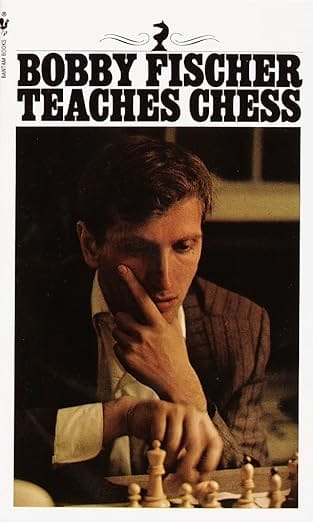
- Programmed-learning format
- Teaches checkmating patterns
- Gentle, beginner-friendly
- Timeless first chess book
If you’ve never played a serious game, start here. Bobby Fischer Teaches Chess uses a clever programmed-learning format, small questions that build on each other, to drill the most important pattern in chess: the checkmate. It’s gentle, addictive, and gets you spotting mating patterns almost without effort. Decades old and still one of the best first chess books ever written.
♟️ Read if you’re brand new and want to learn to attack the king. Skip if you already know the rules and want strategy.
2. Chess For Dummies: best for learning the rules
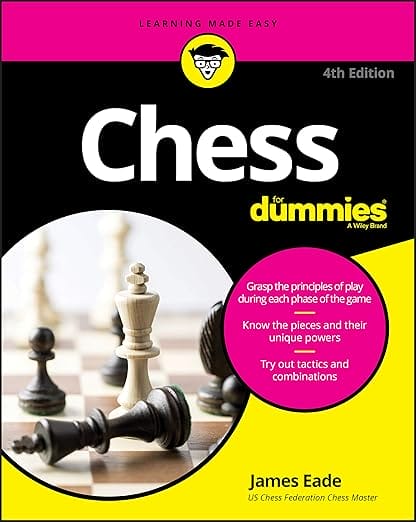
- Explains all the rules clearly
- Covers notation and tactics
- Plain, approachable language
- Zero to full game
Don’t even know how the knight moves? Chess For Dummies is the friendliest possible introduction, covering the board, the pieces, notation, basic tactics, and etiquette in plain language. It’s the book to hand someone who’s curious but intimidated. Comprehensive without being dry, it takes you from zero to confidently playing a full game.
♟️ Read if you’re starting from scratch and want the rules explained clearly. Skip if you already play and want to improve.
3. How to Win at Chess (GothamChess): best modern beginner guide
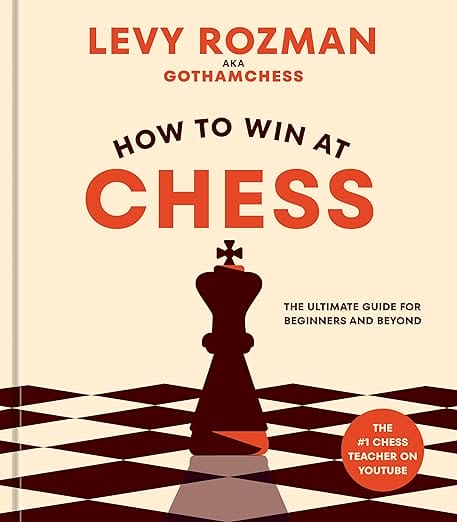
How to Win at Chess (GothamChess)
- By the web's top chess teacher
- Openings, tactics, and blunders
- Modern, practical advice
- One-book improvement plan
Levy Rozman’s How to Win at Chess is the modern beginner bible, written by the internet’s most popular chess teacher. It’s clear, funny, and built for today’s online player, covering openings, tactics, common blunders, and a practical plan to improve. If you want one current, all-in-one book that meets beginners where they actually are, this is it.
♟️ Read if you want one modern, practical guide to get good fast. Skip if you prefer classic, formal instruction.
4. 1001 Chess Exercises for Beginners: best for tactics
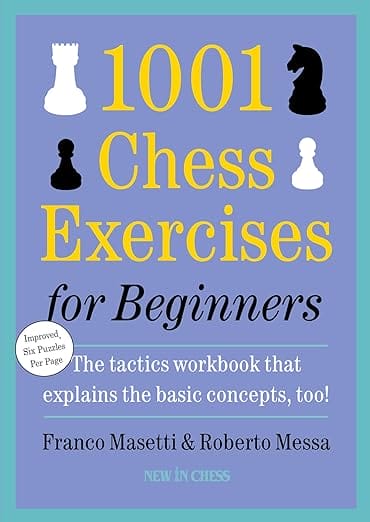
1001 Chess Exercises for Beginners
- 1,001 puzzles by theme
- Trains essential tactics
- Just 10 minutes a day
- Fastest practical gains
Tactics win beginner games, full stop. This workbook gives you 1,001 puzzles sorted by theme, forks, pins, skewers, discovered attacks, so you train the patterns that actually decide games. Spend ten minutes a day with it and your results climb noticeably. It’s the single most effective improvement tool a beginner can own.
♟️ Read if you want the fastest practical rating gains. Skip if you haven’t learned the rules yet, start with a primer first.
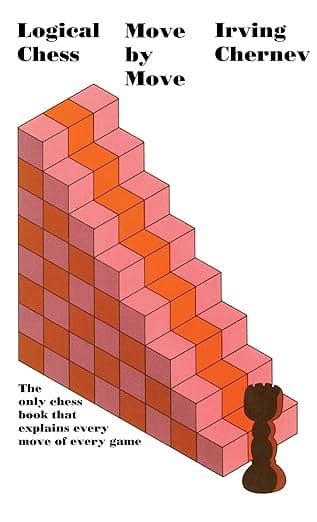
5. Logical Chess: Move by Move: best for whole games
- Every move explained
- 33 complete games
- Teaches thinking in plans
- The book that makes chess click
Irving Chernev’s classic explains the reason behind every single move of 33 complete games, the book that teaches you to think in plans rather than one move at a time. It’s the bridge from knowing the rules to understanding why good players do what they do. Generations of players credit this book with the moment chess finally made sense.
♟️ Read if you know the basics and want to understand whole games. Skip if you’re still learning how the pieces move.
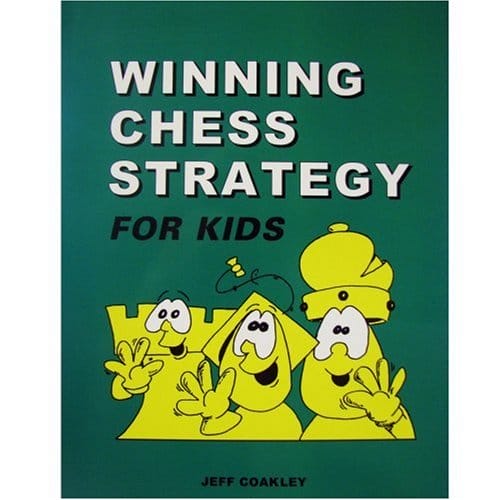
6. Winning Chess Strategy for Kids: best for young players
Winning Chess Strategy for Kids
- Clear diagrams, simple words
- Plenty of exercises
- Builds real understanding
- Great next step for kids
For young learners, this book makes strategy approachable with clear diagrams, simple language, and plenty of exercises. It builds real understanding without overwhelming, perfect for a child who’s outgrown the basics and wants to actually win games. Parents and chess coaches reach for it again and again as the next step after learning the rules.
♟️ Read if you’re teaching a child who knows the rules. Skip if you’re an adult who wants denser material.
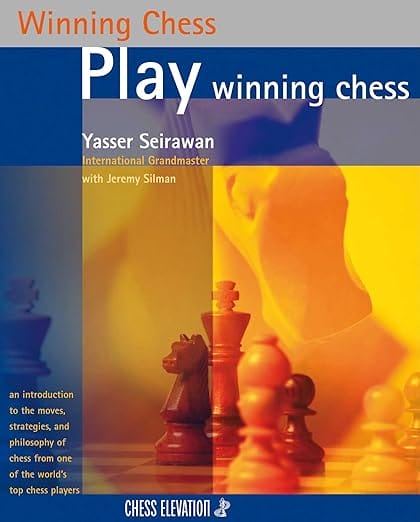
7. Play Winning Chess: best step-by-step improver
- Four core principles
- Warm, readable teaching
- Start of an acclaimed series
- Structured improvement path
Yasser Seirawan’s Play Winning Chess introduces the four principles, force, time, space, and pawn structure, that underpin strong play, in warm, readable prose. It’s the start of an acclaimed series, so it gives you a clear path to keep improving. A great choice if you want structured, principle-based learning from a grandmaster who teaches beautifully.
♟️ Read if you want a structured improvement path from the basics up. Skip if you only want puzzles or a quick guide.
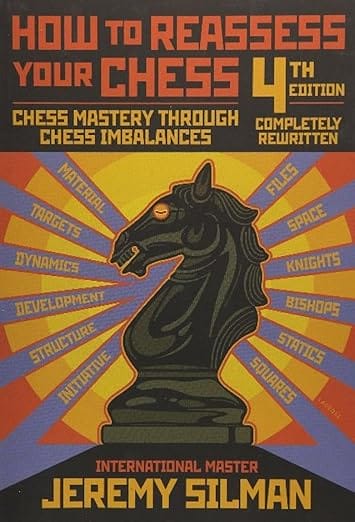
8. How to Reassess Your Chess: best for real strategy
How to Reassess Your Chess (Silman)
- Teaches positional thinking
- Reading imbalances
- Forming real plans
- Turns tacticians into thinkers
Once you’ve got tactics down, Jeremy Silman’s How to Reassess Your Chess teaches positional thinking, how to read a position’s imbalances and form a real plan. It’s a step up in difficulty and the book that turns a tactical beginner into a thinking player. Widely regarded as one of the best strategy books for improving amateurs.
♟️ Read if you’ve learned tactics and want genuine strategic depth. Skip if you’re still a total beginner, it’ll be too advanced.
9. Chess Fundamentals: best classic primer
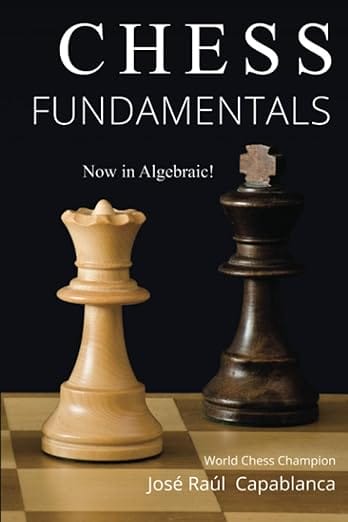
Chess Fundamentals (Capablanca)
- By a world champion
- Timeless fundamentals
- Strong on endgames
- Short, classic read
Written by world champion Jose Raul Capablanca, Chess Fundamentals is a timeless guide to clear, efficient play from one of the most natural talents the game has seen. Its lessons on endgames and simple, strong moves have aged remarkably well. A short, classic read that rewards beginners and improvers alike with a master’s clarity.
♟️ Read if you want timeless fundamentals from a world champion. Skip if you prefer a modern, beginner-paced format.
10. My System: best advanced classic
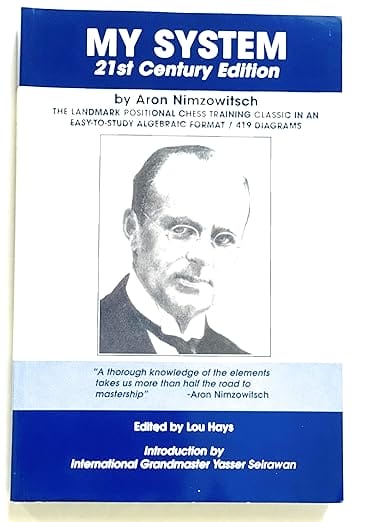
- The positional-chess classic
- Deep strategic ideas
- For post-beginner improvers
- Most influential ever written
Aron Nimzowitsch’s My System is the most influential strategy book ever written, the foundation of modern positional chess. It’s demanding and best saved for when you’ve outgrown beginner material, but it’s the book serious improvers eventually must read. Consider it the goal at the end of the beginner road: tackle it once the others have done their job.
♟️ Read if you’ve mastered the basics and want the deepest classic. Skip if you’re just starting, come back to this one later.
How to use chess books to actually improve
Owning chess books isn’t the same as improving from them. Here’s how to get real value.
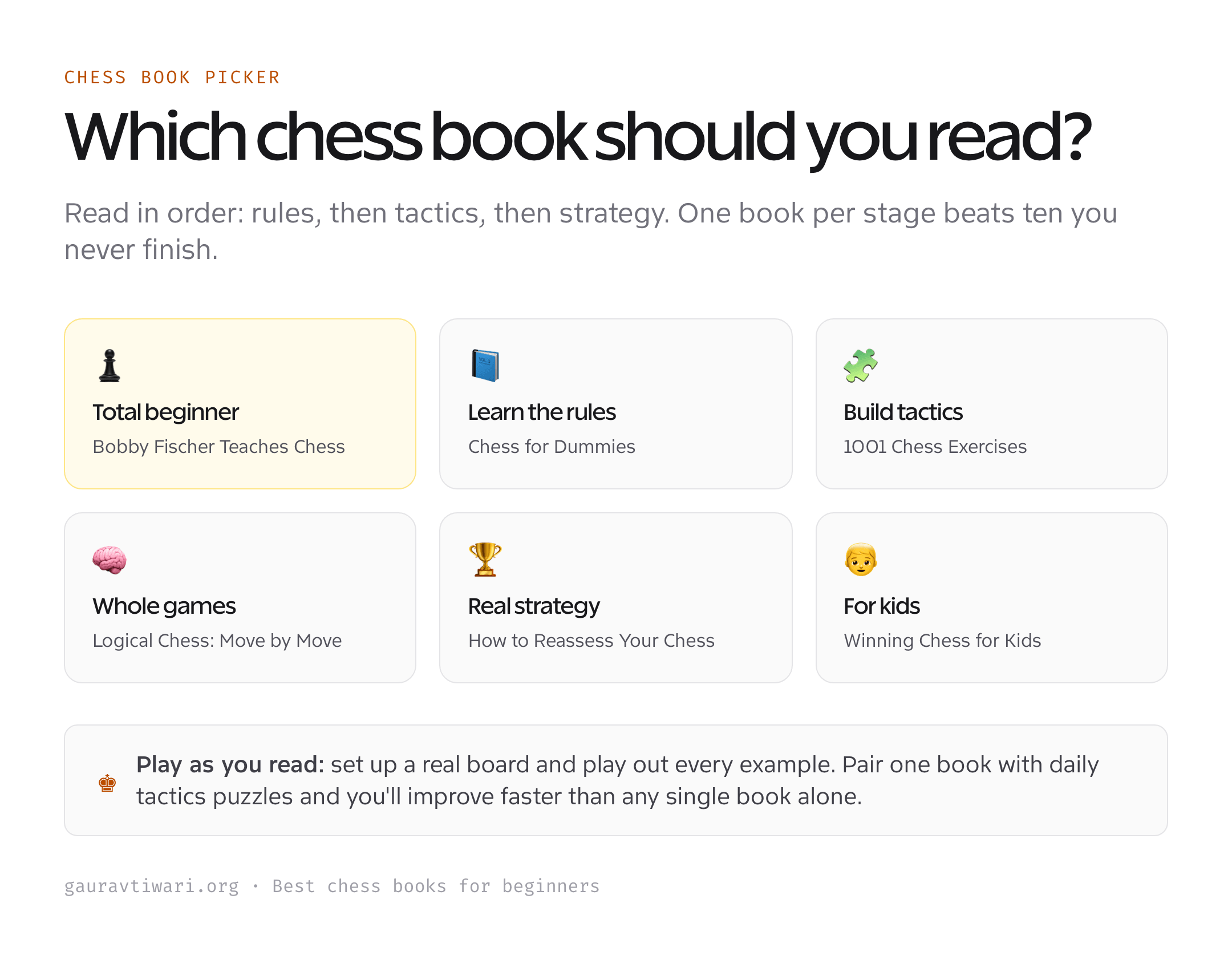
- Read in order. Rules first, then tactics, then strategy. Don’t jump to grandmaster theory before you can spot a fork.
- Use a real board. Play out every example move by move. Passive reading teaches almost nothing; active replaying builds memory.
- Do daily tactics. One book plus ten minutes of puzzles a day beats five books read once. Pattern recognition is everything for beginners.
- Finish one before buying the next. A half-read shelf helps no one. Work a book through, then move up a level.
- Play real games. Apply what you read against real opponents and review your losses. Books plus practice is the whole formula.
Pair the right book with daily practice and the improvement is genuinely fast. The book teaches the idea; the board makes it stick.
Which chess book should you read first?
If you’re brand new, start with Bobby Fischer Teaches Chess or Chess For Dummies to lock in the rules and basic mates, then add the 1001 Chess Exercises workbook for daily tactics. For a single modern all-rounder, How to Win at Chess by GothamChess is the best current pick. Once tactics feel natural, graduate to Logical Chess and then How to Reassess Your Chess for real strategy. Read in order, use a board, and play.
Frequently asked questions
What is the best chess book for a complete beginner?
Bobby Fischer Teaches Chess is the classic answer, its programmed-learning format drills checkmating patterns gently and effectively. If you don’t even know the rules yet, start with Chess For Dummies first. For a single modern book that covers everything a new online player needs, How to Win at Chess by Levy Rozman (GothamChess) is the best current choice.
Can you really get good at chess from books?
Yes, but only with active practice. Reading alone does little; playing out every example on a real board, doing daily tactics puzzles, and reviewing your own games is what turns book knowledge into rating points. Books teach the ideas and explain the why far better than passively watching videos. Combine one good book with regular play and you’ll improve quickly.
Should beginners study openings, tactics, or strategy first?
Tactics, by a mile. Most beginner games are decided by simple tactical mistakes, hanging pieces and missed forks, not by opening theory. Learn the rules, then drill tactics with a workbook, then study whole games and strategy. Memorizing deep openings is the least valuable thing a beginner can do; spend that time on tactics instead.
What chess book is best for kids?
Winning Chess Strategy for Kids is a strong pick once a child knows the rules, with clear diagrams, simple language, and exercises that build real understanding. For learning the rules in the first place, Chess For Dummies or a dedicated kids’ primer works well. Keep sessions short and fun, and pair reading with plenty of actual games.
How many chess books do I need?
Fewer than you think. One beginner primer, one tactics workbook, and one whole-games or strategy book will carry you a long way, if you actually finish them. A shelf of half-read books helps no one. Work through one book completely, apply it in real games, then move up a level. Depth beats breadth, especially early on.
Are old chess books still worth reading?
Absolutely. Classics like Logical Chess, Chess Fundamentals, and My System teach principles that never go out of date, the engine era hasn’t changed how humans should think about most positions. Modern books add up-to-date openings and online-friendly advice, but the timeless strategy classics remain some of the best teachers available. Read both old and new.
The bottom line
The best chess book is the one that matches your level and that you’ll actually finish. Beginners should start with Bobby Fischer Teaches Chess or How to Win at Chess, drill tactics with the 1001 Exercises workbook, then graduate to Logical Chess and How to Reassess Your Chess for strategy. Read in order, play out every move on a real board, do daily puzzles, and the climb from beginner to confident club player is genuinely within reach.