
10 Best Physics Textbooks for College Students
Are you hot and fresh to the college and chose physics as a subject? Yes, I have been there as a Physics major.
When I came to the first years of college, Physics was my favorite subject. But the lack of good books damaged my interest a lot.
It was only the second year when I found some great books and my love for physics flourished back — and been an integral part since.
Best physics books, as I say, don’t only help you prepare for the exams but also help you be on the right track.
Innovative ideas, thought-provoking questions and simple & lucid language are key features that the best physics textbooks have.
While there is no such thing as a bad book, some books may mislead you with content errors, poor pedagogy and, above all, a wrong approach.
So, it is important to pick what suits your syllabus and interests best. Now, since all general physics books cover the universal syllabus of Physics, their style of writing makes the difference.
If you can only buy one book, get The Feynman Lectures on Physics. It’s the single best investment you’ll make as a physics student. I’ve gone back to it dozens of times over the years, and it still teaches me something new.
Best Physics Textbooks
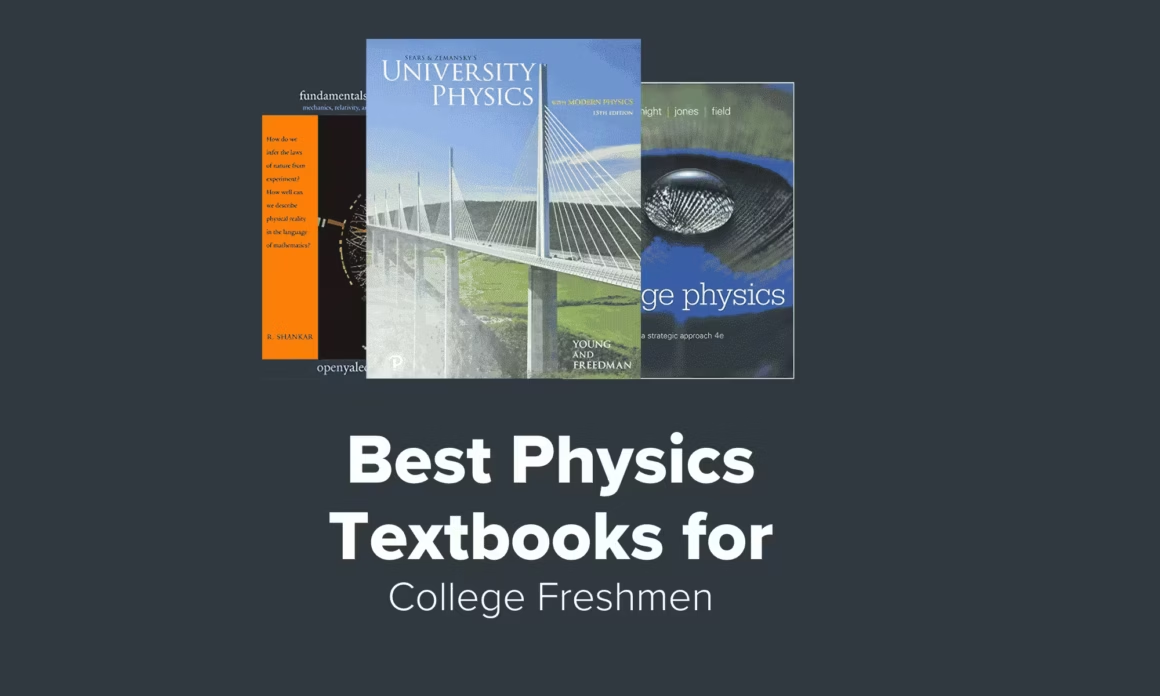
Based on my own experiences during my undergraduate and postgraduate years, I have listed some of the best physics textbooks for college freshmen. If you are fresh into the first year (or even sophomore; the second year) these books can benefit you a lot.
I would take much of your precious time, so let’s just skip to the list of the best physics books.
Quick summary of the best physics textbooks:
- Fundamentals of Physics: Mechanics, Relativity, and Thermodynamics by R. Shankar
- Basic Physics: A Self-Teaching Guide by Karl F. Kuhn
- The Feynman Lectures on Physics by Richard Feynman
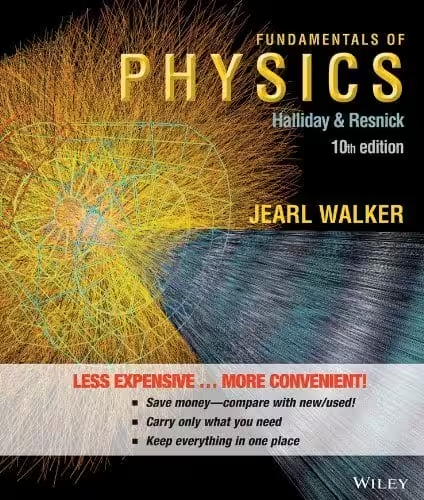
- Fundamentals of Physics by Halliday, Resnick & Walker
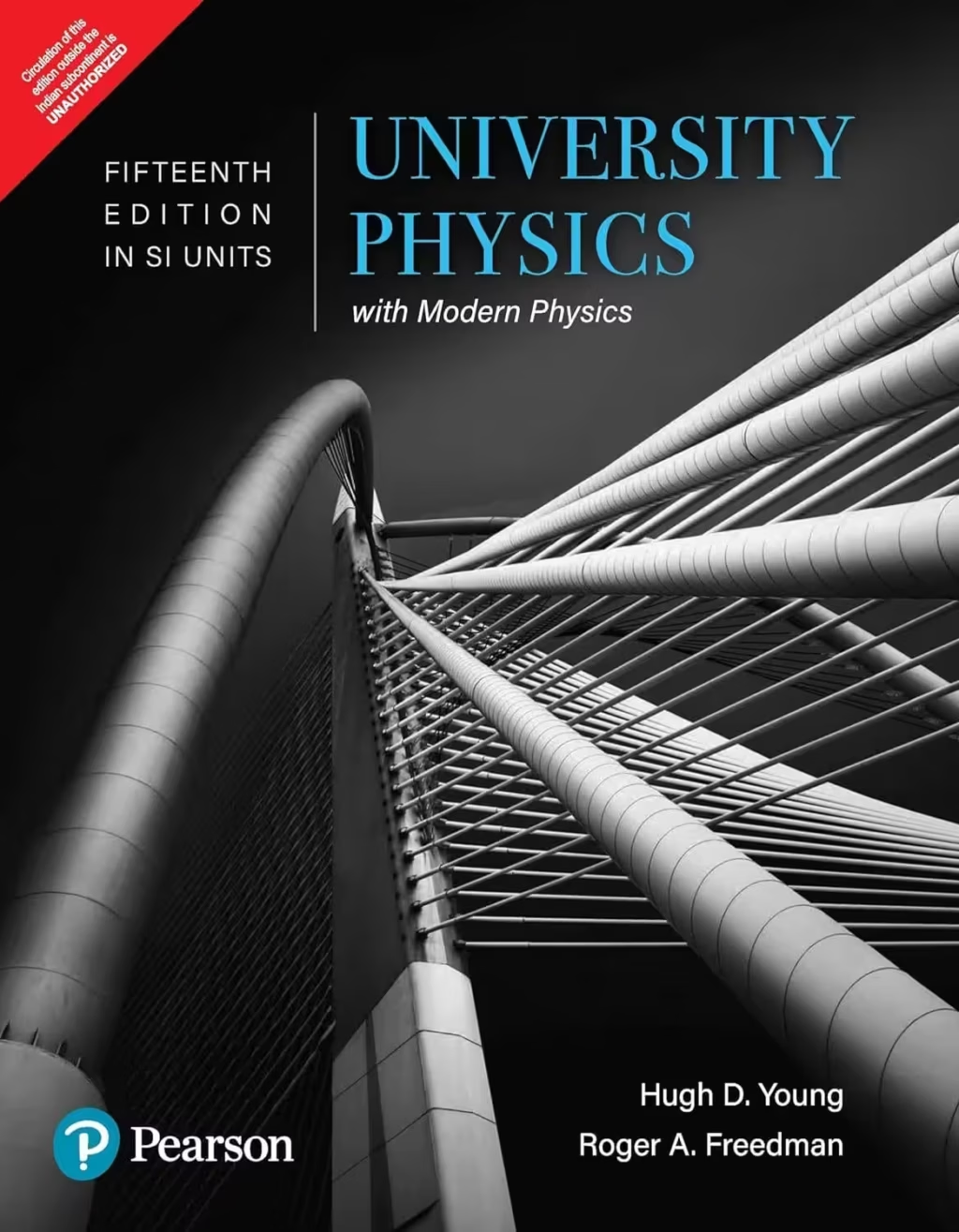
- University Physics with Modern Physics by Freedman & Young
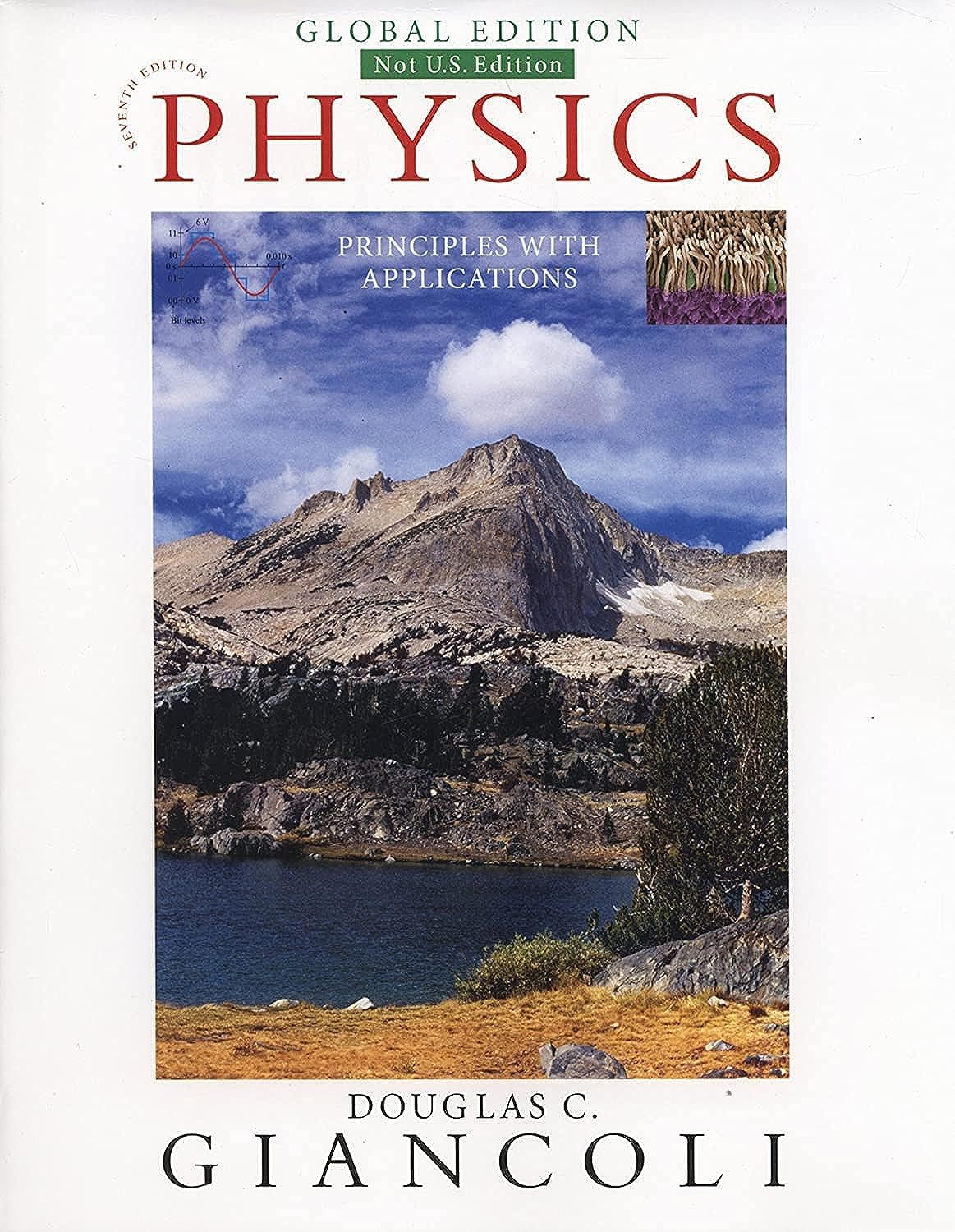
- Physics: Principles with Applications by Douglas C. Giancoli
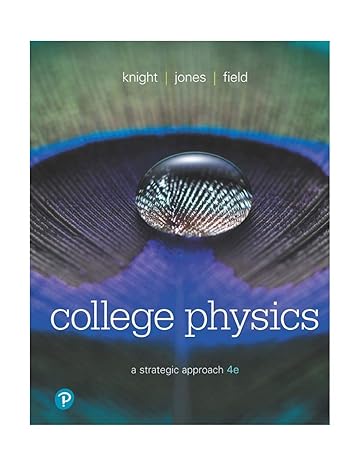
- College Physics: A Strategic Approach by Knight, Jones & Field
- Basic Physics for Beginners by Ason & Wright
- Physics by Inquiry by Lillian C. McDermott
- Physics Essentials for Dummies by Steven Holzner
Related resources: Physics YouTube Channels · Quantum Physics Channels · Calculus Books
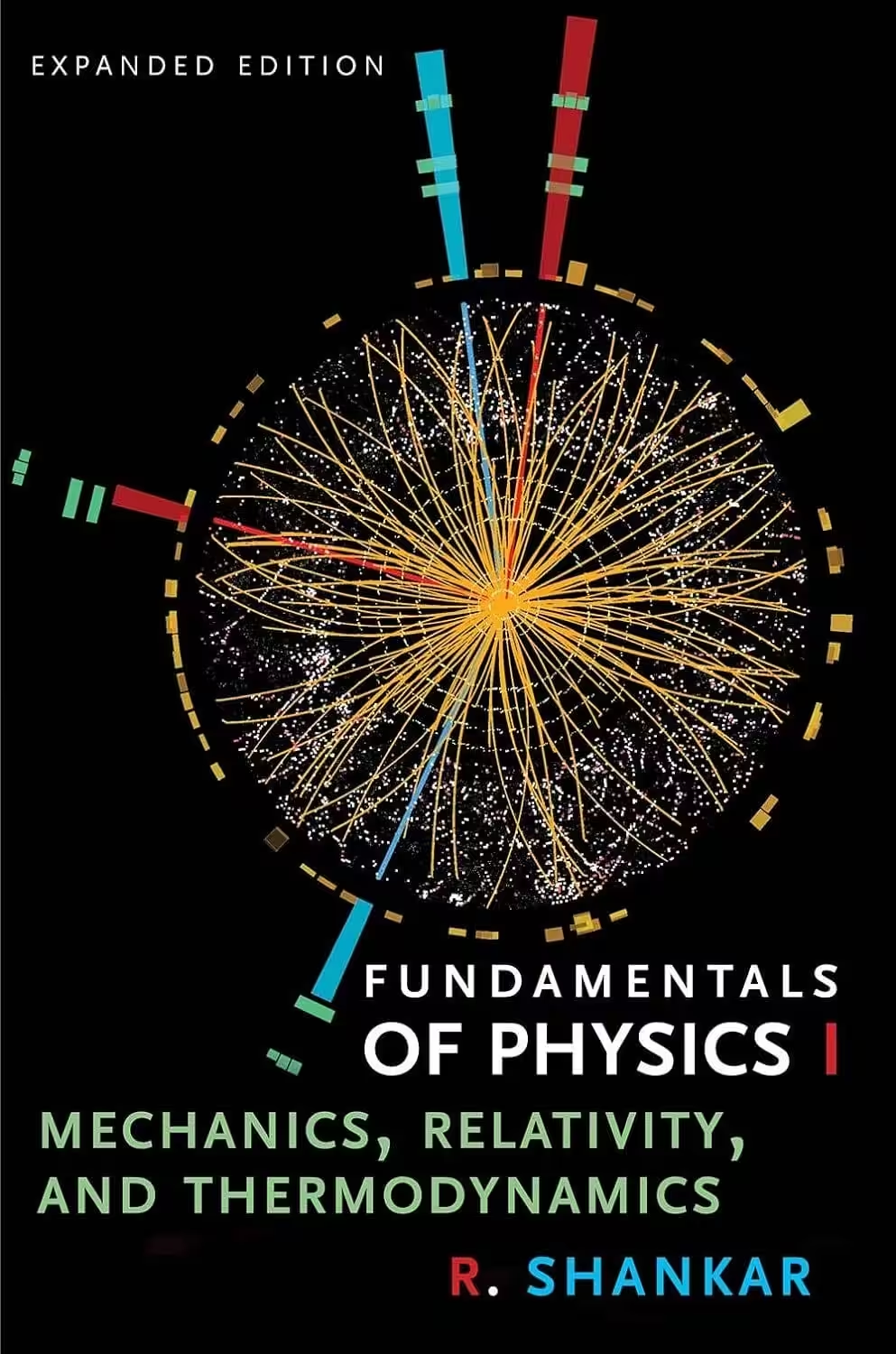
Fundamentals of Physics: Mechanics, Relativity, and Thermodynamics
Author: R. Shankar (Prof.)
Fundamentals of Physics: Mechanics, Relativity, and Thermodynamics
- Based on Yale's Open Course lectures with millions of views
- Covers mechanics, relativity, and thermodynamics from the ground up
- Ideal for AP Physics, chemistry, and engineering students
- Builds strong conceptual foundations for advanced courses
- Pairs perfectly with the free Open Yale video lectures
- Written by a globally respected physics educator
- Covers core topics with depth and clarity
- Includes practice problems and worked solutions
Fundamentals of Physics is a collection of online teachings by the well-known professor R. Shankar. He is greatly respected all across the globe for being a most dedicated educator.
He was also one of the first to be involved in the innovative Open Yale course program. (Must try and the book should be read along with the free course!)
The video lectures which form the basis of this book have received millions of views from enthusiastic students.
In this book, he puts forth introductory physics in a very approachable and understandable manner. He aims to help students understand the basics of physics – everything from the discoveries of Galileo and Newton to the modern era. The book creates a strong foundation that allows students to progress to more complex levels of physics. It is especially useful to students of AP physics, chemistry, and engineering. Readers hoping to gradually develop their knowledge in their own time will find it appealing as well.
Although the book deviates slightly from the norm at some points, it is nevertheless a great introduction to college physics that reinforces and develops fundamentals admirably.
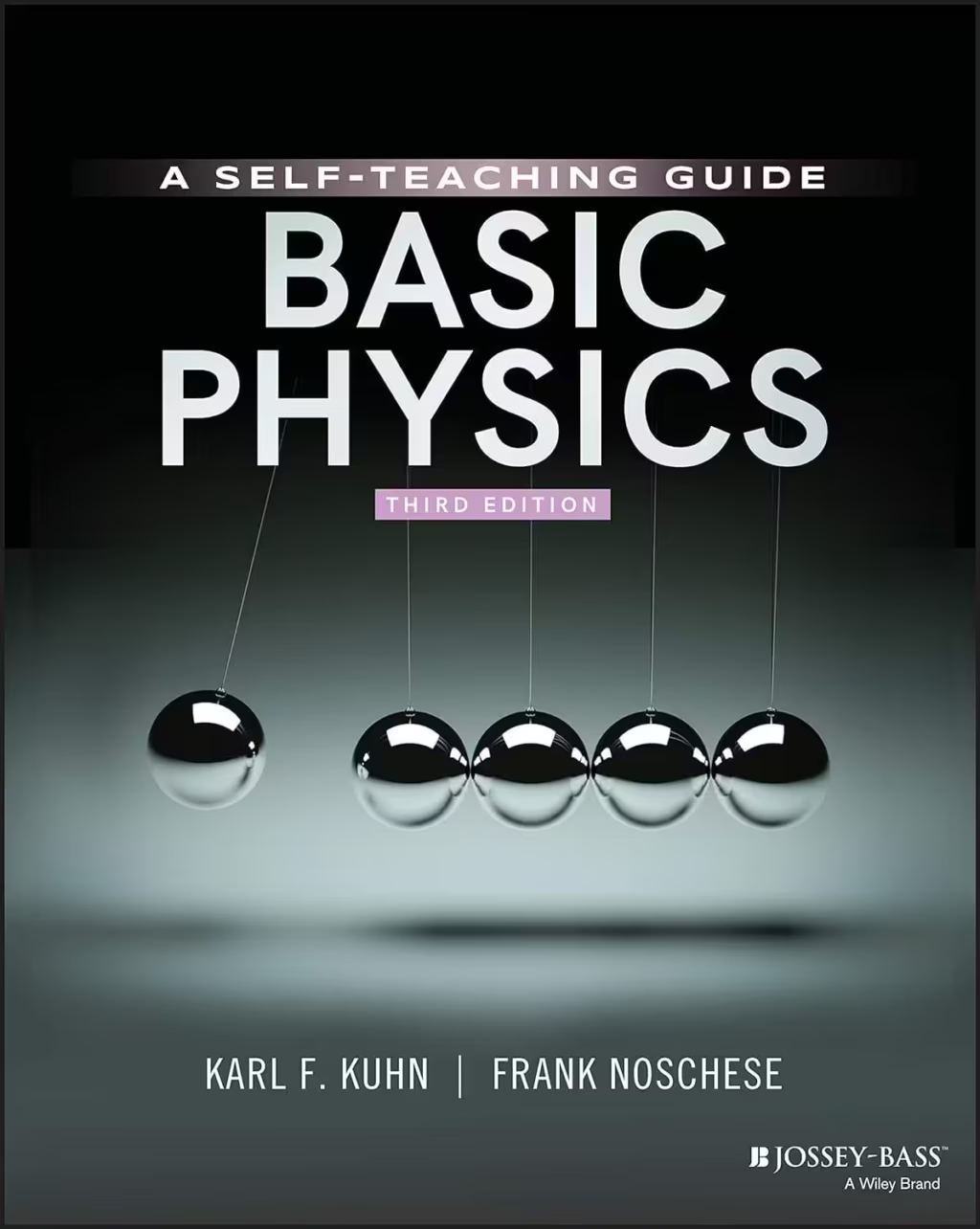
Basic Physics: A Self-Teaching Guide
Author: Karl F. Kuhn
Basic Physics: A Self-Teaching Guide
- Self-teaching format with built-in self-evaluation
- Flexible mathematical or non-mathematical approach
- Clear learning objectives for every module
- Self-tests after every chapter for progress tracking
- Ideal for beginners and non-science students
- Second edition with improved content and exercises
- Covers core topics with depth and clarity
- Includes practice problems and worked solutions
Authored by Karl F. Kuhn, Basic Physics is widely regarded as one of the simplest physics books available in the market for both students and readers who wish to learn physics out of interest. Kuhn presents a simplified look at physics that should be easy to grasp and understand for even the least scientifically-minded person out there.
The second edition of Basic Physics aims to:
- Help the reader teach themselves physics with great ease.
- Allow the reader to take a mathematical or non-mathematical approach as per their convenience.
- Give readers the freedom to learn in their own place. It comes with a simple question-answer format for self-evaluation.
- Display a list of objectives that the reader must achieve in every module. Doing so allows them to assess whether they have grasped the content of each chapter or not.
- Offer self-tests after every chapter.
The author has presented a highly practical approach to studying physics, helping the reader grasp core concepts as quickly and easily as possible.
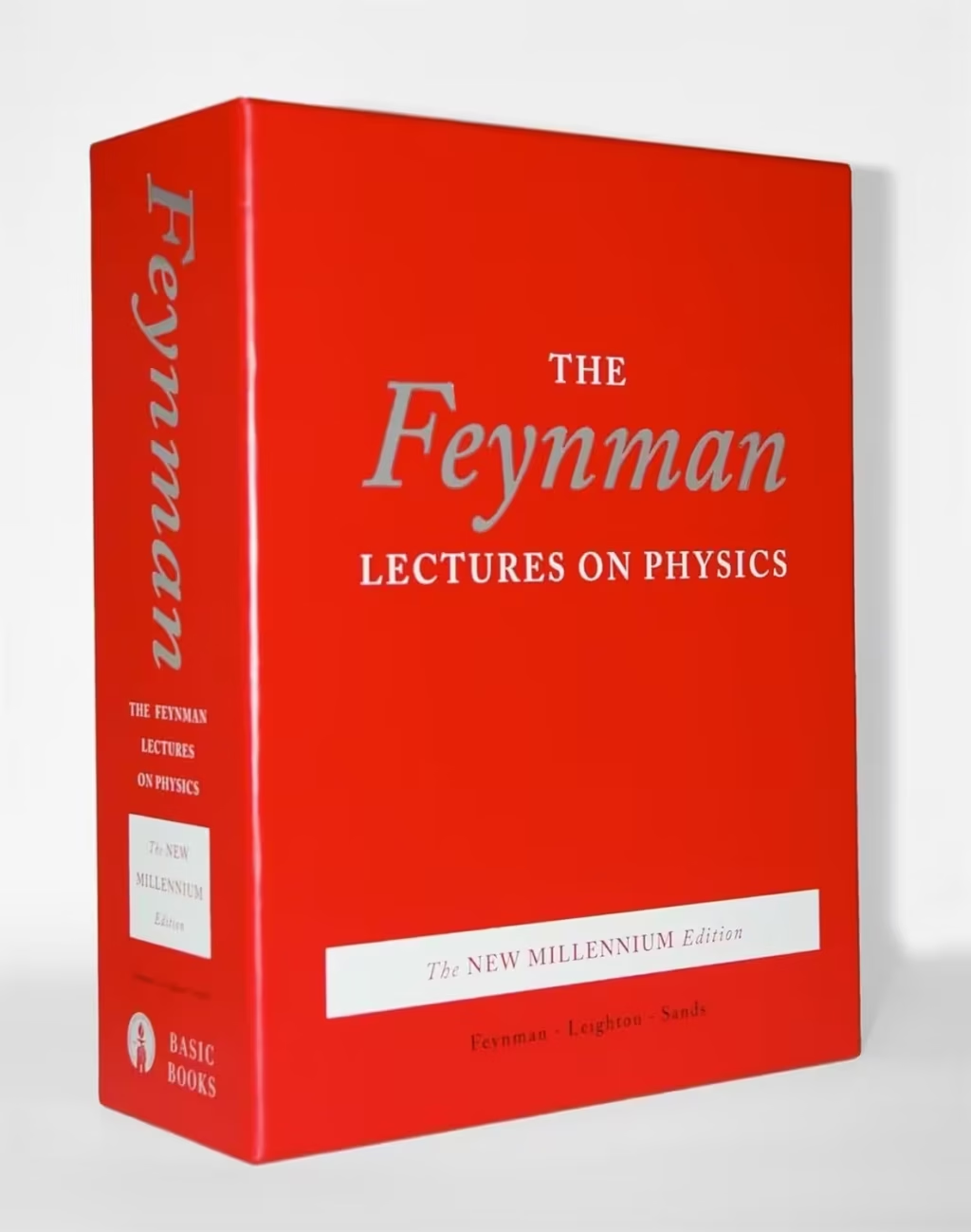
The Feynman Lectures on Physics
Author: Richard Feynman
The Feynman Lectures on Physics
- Written by Nobel Prize-winning physicist Richard Feynman
- Covers Newton's laws through quantum mechanics and relativity
- Regarded as the gold standard for introductory physics
- Three-volume set covering all of undergraduate physics
- Engaging narrative style that makes physics intuitive
- Timeless resource for physics and non-physics students alike
- Covers core topics with depth and clarity
- Includes practice problems and worked solutions
Whether you are an avid physics enthusiast or not, you are likely to have heard of Richard Feynman somewhere or the other. He is widely considered to be one of the greatest teachers of physics in history.
As its name suggests, this book is a wholesome compilation of Feynman’s lectures. In his own words, each of these lectures begins as an experiment – which, in turn, served as the foundation of this book. The Feynman Lectures on Physics is popularly regarded as the gold standard for how physics should be introduced.
In the book, Feynman discusses various important concepts such as:
- The fundamental concepts of Newton’s laws and principles.
- Theories related to general relativity and quantum mechanics.
- Several other topics.
The Feynman Lectures are a genuinely ageless collectible that both physics and non-physics students will find captivating.
Fundamentals of Physics
Author: David Halliday, Robert Resnick, and Jearl Walker
- Industry-standard calculus-based physics textbook since 1960
- 10th edition with multimedia and video illustrations
- Vector drawing questions for conceptual testing
- Covers all foundational physics topics comprehensively
- Ideal for engineering entrance exam preparation
- Develops quantitative problem-solving skills
- Covers core topics with depth and clarity
- Includes practice problems and worked solutions
Written by Robert Resnick, David Halliday and Jearl Walker, Fundamentals of Physics is a calculus-based physics textbook.
First published in 1960 under the title Physics for Students of Science and Engineering, it is widely regarded as one of the best textbooks for teaching math-based physics courses and engineering entrance examinations.
It aims to teach students how to understand and answer scientific questions, read scientific data, and identify the basic concepts of physics. It also strives to improve their ability to solve quantitative problems.
The new and improved 10th edition of Fundamentals of Physics includes extra features that bring the subject matter to life by stimulating critical thinking and making the learning experience more engaging. These features include multimedia resources, video illustrations, and vector drawing questions to test the reader’s understanding of each concept. They seek to provide an alternative pathway for students who face a hard time reading scientific exposition. I highly recommend it to every student of physics out there.
University Physics with Modern Physics
Author: Roger A. Freedman and Hugh D. Young
University Physics with Modern Physics
- Teaches principles through clear narrative technique
- Extensive worked examples for concept mastery
- MasteringPhysics integration for online homework
- 15th edition with improved visual learning methods
- Learning Catalytics for interactive problem-solving
- Praised for simple and approachable presentation
- Covers core topics with depth and clarity
- Includes practice problems and worked solutions
Every edition of University Physics with Modern Physics is renowned for teaching the basic principles of physics and how to apply them via a narrative technique. The authors have provided worked examples to help students understand the concepts better and develop the ability to apply them. It provides all the necessary tools for the development of problem-solving skills.
The fifteenth edition of University Physics (not available in India yet) includes a multitude of improvements in the original features of the book. Apart from the improved text, these features have been designed to leave a lasting impact on educational research. Also, the book lays special emphasis on more visual methods for learning. Moreover, it includes MasteringPhysics for a better learning experience, providing students with assessment questions, online homework, Learning Catalytics, and tutorials.
The authors have received widespread praise from readers for their simple and approachable presentation of physics. The practical examples included in the book make the subject all the more relatable.
Physics: Principles with Applications
Author: Douglas C. Giancoli
Physics: Principles with Applications
- Connects physics principles to real-world experiences
- Elegant explanations of formal physics concepts
- Strong focus on practical application of theories
- Comprehensive coverage of introductory physics
- Ideal for students who want applied understanding
- One of the most popular college physics textbooks
- Covers core topics with depth and clarity
- Includes practice problems and worked solutions
Physics: Principles with Applications is one of the leading physics textbooks available in the market today. Upon reading it, you can clearly feel the amount of effort author Douglas Giancoli put in to make this book what it is. It judiciously makes use of observations that help the student connect to everyday experiences, allowing them to understand the actual practice of science. After all, physics isn’t just about theoretical understanding but applying them to whatever we see around ourselves.
Arguably, the most important element behind this book’s success is its simplicity. It reaches its zenith at the more formal aspects of physics, allowing the reader to appreciate the application of the subject in their day-to-day life. However, some students have suggested that the description and language have scope for improvement for better understanding.
Nevertheless, it is a comprehensive and reader-friendly book that will take you beyond the mundane realms of rote reading.
College Physics: A Strategic Approach
Author: Randy Knight, Brian Jones, and Stuart Field
College Physics: A Strategic Approach
- Defines new standards for algebra-based physics education
- Mastering Physics feature for personalized learning
- Improved biomedical and life science applications for MCAT prep
- Strategic problem-solving tactics and frameworks
- Media tools for lecture preparation
- Innovative diagrams for complex concept explanation
- Covers core topics with depth and clarity
- Includes practice problems and worked solutions
College Physics: A Strategic Approach serves as an introductory book for algebra-based physics. People widely claim that the book has defined a whole new set of standards when it comes to this field of physics. Thus, it is greatly recommended by most students and professors alike. It aims to help students view the bigger picture and acquire the required skills and confidence for problem-solving.
The third edition of the book introduces new changes based on student feedback. It includes the following features:
- Mastering Physics feature for personalized learning.
- Media tools to help students prepare for their upcoming lectures ahead of time.
- Improved biomedical and life science applications for the benefit of MCAT aspirants.
- Tactics and strategies for the development of problem-solving skills.
- Efficient learning tools to help students view the bigger picture.
The book also does an admirable job explaining complicated concepts of physics using elegant explanations and innovative diagrams.
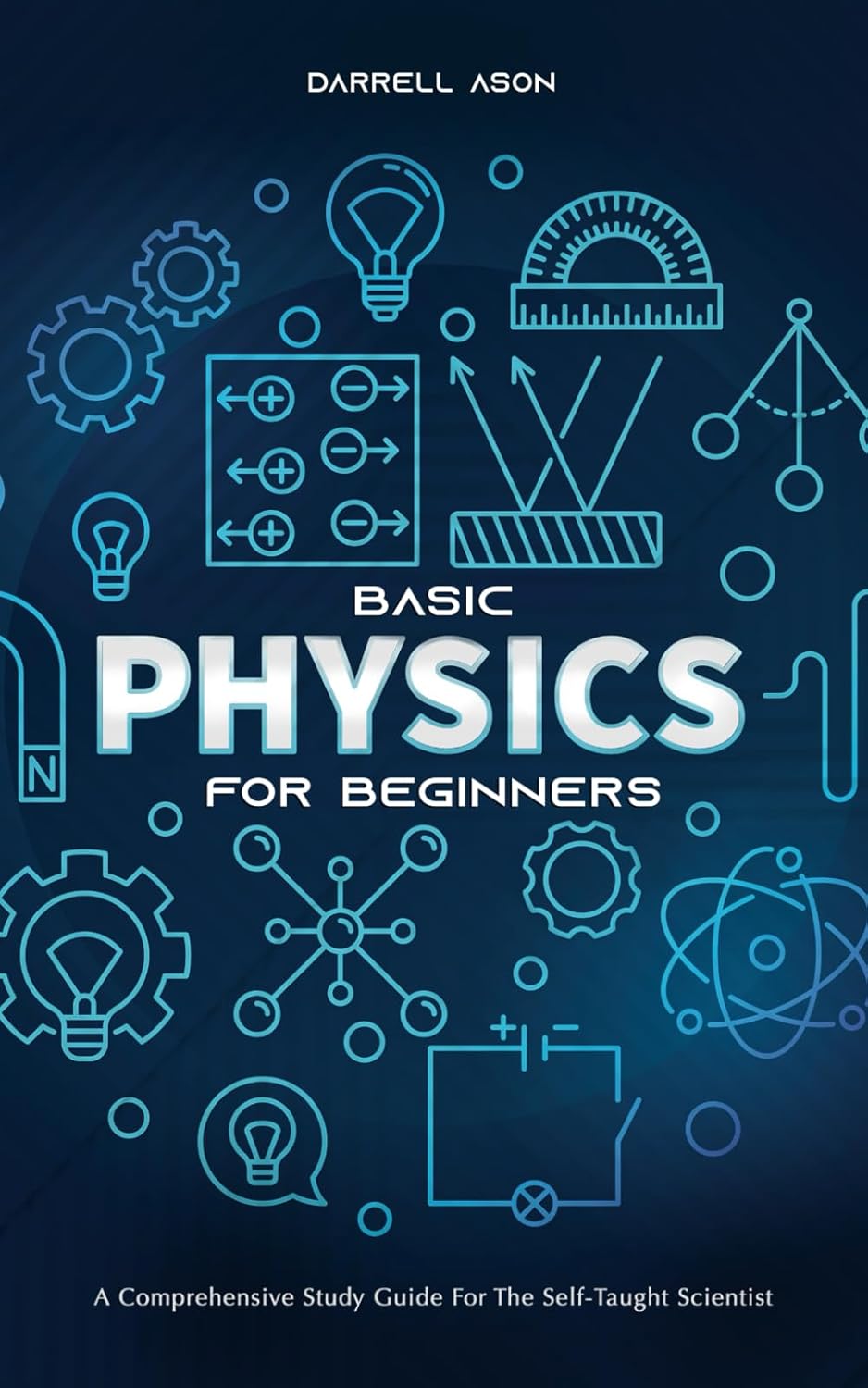
Basic Physics for Beginners
Author: Darrell Ason and Jerry Wright
- Also available as an audiobook on Audible
- Covers physics history through modern applications
- Interactive activities and hands-on experiments
- Uses common household objects for demonstrations
- Clears up common physics misconceptions
- Simplifies complicated formulas and topics
- Covers core topics with depth and clarity
- Includes practice problems and worked solutions
Comes as an audiobook as well. You can get it for free using an Audible subscription.
If you’ve been seeking a way to learn the basic concepts of physics in the easiest possible manner, then you needn’t look any further.
Basic Physics for Beginners is a truly comprehensive yet easy-to-follow book on the principles of physics that aims to help readers master the subject in the easiest possible way. It covers everything you need to know – right from the history of the fundamental concepts of physics to the application of the rules and logic.
With simplified explanations of these concepts, you won’t have to worry about your learning process anymore.
The authors have included highly interactive and engaging activities to help the readers test everything they learn. They even suggest simplified experiments that use common objects found in every house to help students understand various concepts in physics with much greater ease.
The book clears up commonly held misconceptions about physics and makes it easier to learn seemingly complicated formulas and topics.
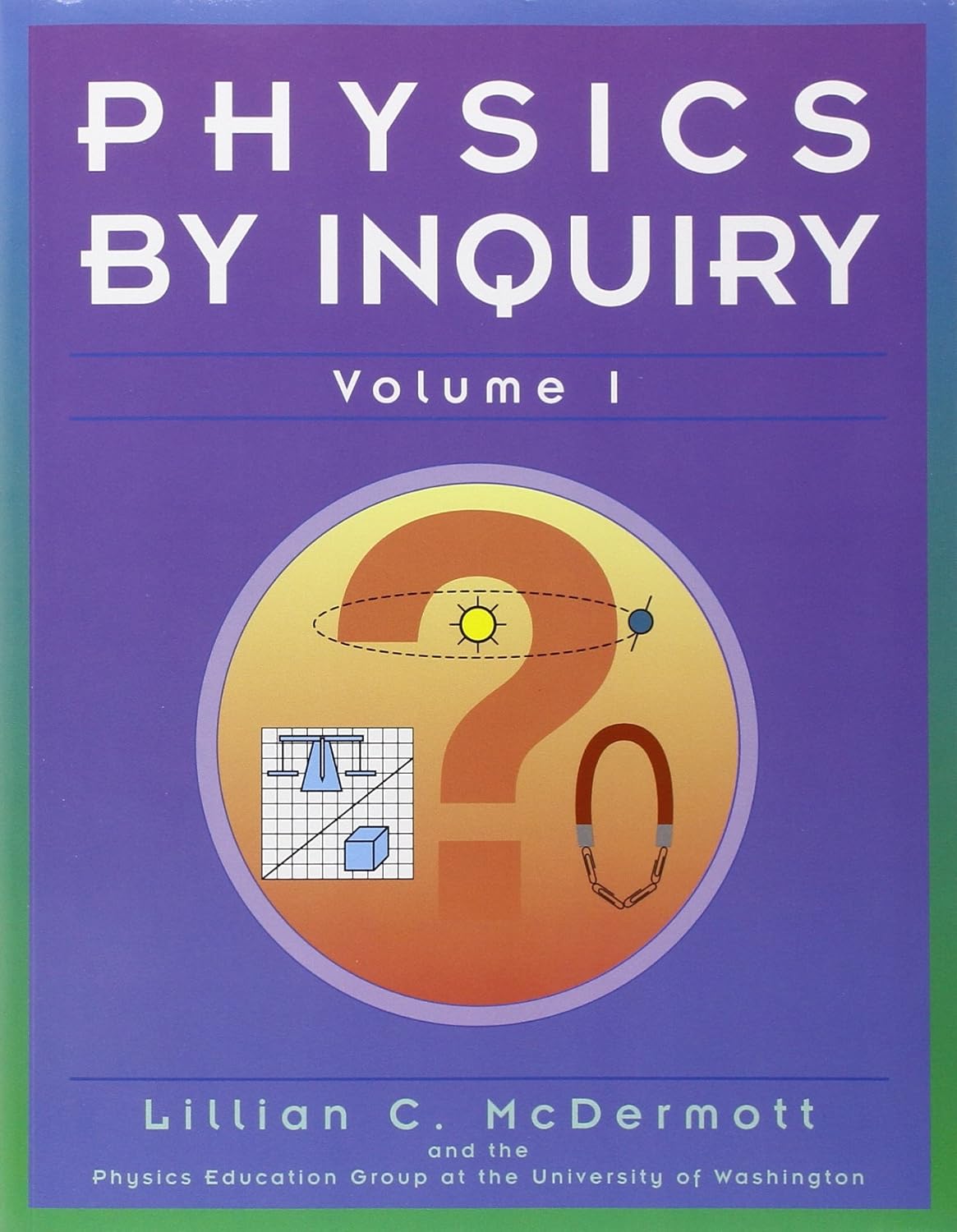
Physics by Inquiry
Author: Lillian C. McDermott and the Physics Education Group at the University of Washington
- Based on 20+ years of physics education research
- Laboratory-based modules for hands-on learning
- Extensively tested in classroom environments
- Develops scientific reasoning skills systematically
- Available in two volumes for stepwise introduction
- Used for K-12 teacher training and liberal arts courses
- Covers core topics with depth and clarity
- Includes practice problems and worked solutions
Physics by Inquiry is a product of over twenty years of dedicated research and teaching experience. It is a set of laboratory-based modules developed by the Physics Education Group at the University of Washington that have been extensively tested in the classroom. With the help of comprehensive discussions on physical systems and their interactions, it helps students gain direct experience with the process of science.
The authors have specifically designed the modules to develop scientific reasoning skills and provide practice in relating scientific concepts, models, and representations to real-world phenomena. The set is presently available in two different volumes which provide a stepwise introduction to the basic concepts and fundamental reasoning skills vital to physical sciences.
It is being used to successfully train K-12 teachers for teaching science as a process of inquiry, helping underprepared students succeed in mainstream science courses, and providing liberal arts students with direct experience in the scientific process.
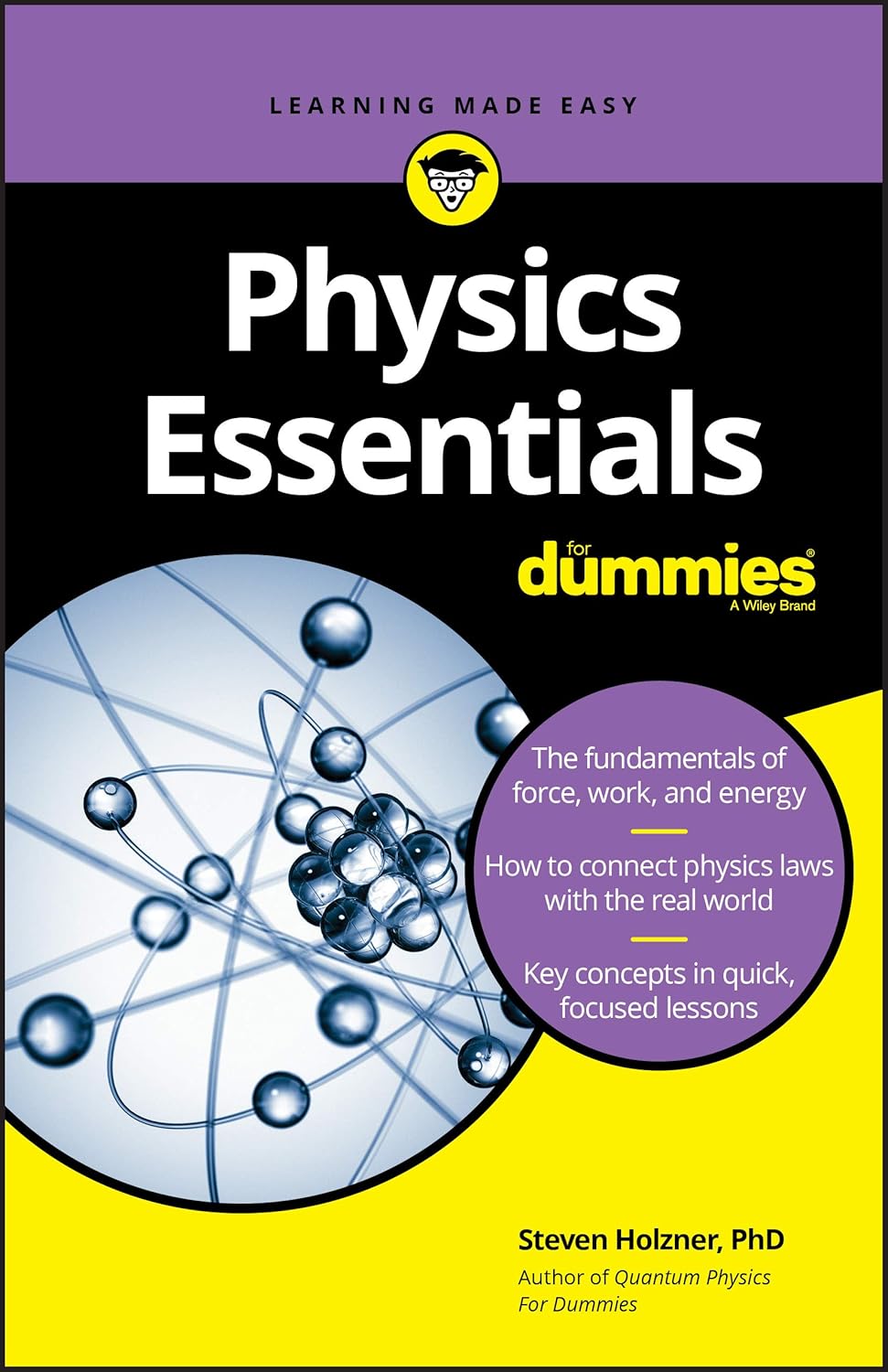
Physics Essentials for Dummies
Author: Steven Holzner
Physics Essentials for Dummies
- Focused on the most essential physics concepts only
- Clear explanations from motion and force to momentum
- Real-world examples for relatable understanding
- Great reference for parents helping with physics homework
- Covers vectors, circular motion, gravity, and relativity
- Perfect for exam preparation and quick refreshers
- Covers core topics with depth and clarity
- Includes practice problems and worked solutions
Physics Essentials for Dummies is a must-have guide for students who are just aiming to learn the most essential concepts of physics – whether for exam preparation, as a refresher, or as a reference. It excludes ancillary material and features content focused solely on important topics. It provides clear-cut explanations of key concepts taught in introductory courses – from motion and force to kinetics and momentum. It is also a good reference for parents who need to review important concepts of physics as they help high school students with homework assignments.
The author uses several real-world examples to explain key concepts in a more approachable and relatable manner. Topics covered in the book include:
- Vectors and how to work them
- Discussion on circular motion
- Friction and gravity
- Force and Newton’s laws of motion
- Work, energy, and power
- Simple harmonic motion
- Interesting insights on the theory of relativity
So, these were my picks for the best physics textbooks for college freshmen. Be sure to couple these with books suggested by your teacher if these books don’t cover your entire syllabus. Good luck.
Don’t just read physics textbooks passively. Work through every problem set. Physics understanding comes from solving problems, not from reading solutions. Budget 2-3 hours of problem-solving for every hour of reading.
Statistical and Thermal Physics Books
Statistical mechanics and thermal physics are the courses that separate physics students who memorize from those who understand. These books go deep into the statistical foundations, and they’re used in graduate-level courses at MIT and Caltech.
Even if your physics program doesn’t require statistical mechanics, these are worth reading. They connect thermodynamics to quantum mechanics in a way that makes both subjects click. For the math you’ll need, see my calculus textbook recommendations.
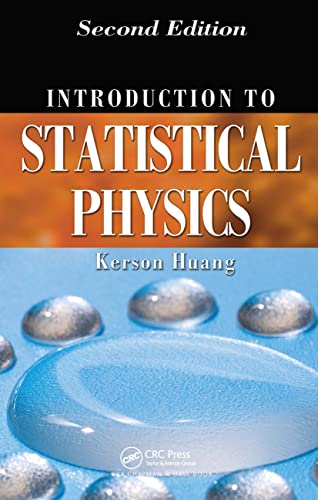
Introduction to Statistical Physics
- Used Book in Good Condition
- Covers core topics with depth and clarity
- Includes practice problems and worked solutions
- Suitable for self-study and university courses
- Written by a recognized authority in the field
- Used in university courses worldwide
- Clear explanations supported by illustrative examples
- Comprehensive index and references for further study
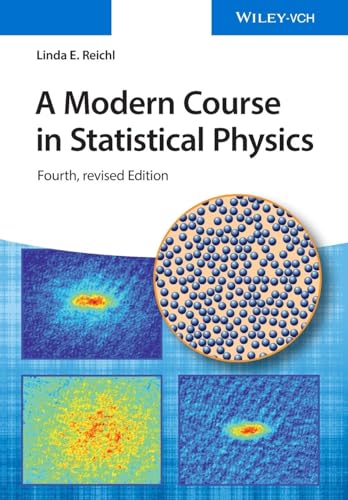
A Modern Course in Statistical Physics
- Covers core topics with depth and clarity
- Includes practice problems and worked solutions
- Suitable for self-study and university courses
- Written by a recognized authority in the field
- Used in university courses worldwide
- Clear explanations supported by illustrative examples
- Comprehensive index and references for further study
- Available in paperback and Kindle editions
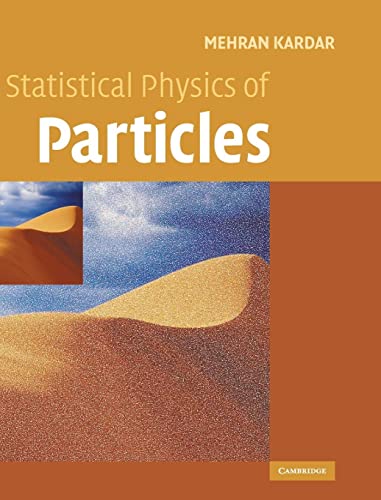
Statistical Physics of Particles
- Used Book in Good Condition
- Covers core topics with depth and clarity
- Includes practice problems and worked solutions
- Suitable for self-study and university courses
- Written by a recognized authority in the field
- Used in university courses worldwide
- Clear explanations supported by illustrative examples
- Comprehensive index and references for further study
- 30 filters per box
- Does not affect taste of cigarette
- Removes over 90% of the tar and reduces nicotine
- Gradually lower the nicotine level in the blood
- Use Nic-Out untill you quit
- Covers core topics with depth and clarity
- Includes practice problems and worked solutions
- Suitable for self-study and university courses
Frequently Asked Questions
What is the best physics textbook for college freshmen?
For most college freshmen, Fundamentals of Physics by Halliday, Resnick, and Walker is the standard choice. It’s calculus-based, comprehensive, and used at hundreds of universities worldwide. If you want something more conceptual before diving into the math, start with The Feynman Lectures on Physics.
Can I learn college physics from a textbook without a professor?
Yes. Basic Physics: A Self-Teaching Guide by Karl Kuhn was specifically designed for self-study. Pair it with R. Shankar’s Fundamentals of Physics, which comes with free Open Yale video lectures that walk you through every chapter.
Which physics textbook is best for engineering students?
Engineering students should go with University Physics with Modern Physics by Young and Freedman or Fundamentals of Physics by Halliday and Resnick. Both are calculus-based and cover the physics topics you’ll need in engineering coursework.
What physics book should I read before starting college?
Basic Physics for Beginners by Ason and Wright is a solid pre-college read. It covers fundamentals without heavy math and includes hands-on experiments using household objects. Physics Essentials for Dummies is another great option for a quick foundation.
Are Feynman’s lectures too advanced for beginners?
The Feynman Lectures start from basic concepts and build up gradually. While some later chapters are advanced, the first volume is accessible to any motivated student. I’d recommend reading it alongside a more traditional textbook so you get both the conceptual depth and the problem sets.
How many physics textbooks do I actually need for college?
You need one primary textbook that matches your course syllabus and one supplementary book for a different perspective. Most students do well with a Halliday/Resnick or Young/Freedman as their main text and Feynman’s Lectures as a companion for deeper understanding.
Is it worth buying physics textbooks or should I use free resources?
Textbooks are worth the investment because they provide structured problem sets you won’t find in free resources. Buy Kindle editions to save 40-60%. The Feynman Lectures are available free online at feynmanlectures.caltech.edu.
What’s the difference between algebra-based and calculus-based physics textbooks?
Algebra-based textbooks like College Physics: A Strategic Approach use basic algebra and trigonometry. Calculus-based books like University Physics use derivatives and integrals for more precise descriptions. Physics, engineering, and math majors need calculus-based. Pre-med and biology students typically use algebra-based.
Best E-Readers for Physics Students
Physics textbooks are some of the most expensive books in any college bookstore. Kindle editions save you 40-60%, and the search function is a lifesaver when you’re hunting for that one equation from chapter 3. If you’re also studying chemistry, check out my physical chemistry book guide.

- Our fastest Kindle ever – The next-generation 7“ Paperwhite display has a higher contrast ratio and 25% faster page turns.
- Ready for travel – The ultra-thin design has a larger glare-free screen so pages stay sharp no matter where you are.
- Escape into your books – Your Kindle doesn’t have social media, notifications, or other distracting apps.
- Battery life for your longest novel – A single charge via USB-C lasts up to 12 weeks.
- Read in any light – Adjust the display from white to amber to read in bright sunlight or in the dark.
- Covers core topics with depth and clarity
- Includes practice problems and worked solutions
- Suitable for self-study and university courses

- The lightest and most compact Kindle – Now with a brighter front light at max setting, higher contrast ratio, and faster page turns for an enhanced reading experience.
- Effortless reading in any light – Read comfortably with a 6“ glare-free display, adjustable front light—now 25% brighter at max setting—and dark mode.
- Escape into your books – Tune out messages, emails, and social media with a distraction-free reading experience.
- Read for a while – Get up to 6 weeks of battery life on a single charge.
- Take your library with you – 16 GB storage holds thousands of books.
- Covers core topics with depth and clarity
- Includes practice problems and worked solutions
- Suitable for self-study and university courses