
20 Best Tech Blogs That You Should Follow in 2026
Tech moves fast. Over 7,000 tech blogs publish new content every single day. Most of it is recycled press releases, SEO filler, or affiliate-driven “reviews” written by people who never touched the product. Following the wrong sources doesn’t just waste your time. It fills your head with bad recommendations that cost real money.
The bigger problem? You can’t tell the good from the bad until you’ve already wasted weeks reading mediocre coverage. A wrong laptop recommendation from a low-quality review site can cost you $1,200 and months of frustration. Bad security advice can leave your data exposed. And outdated takes on AI tools can put you months behind competitors who read better sources.
I’ve followed over 100 tech sites in my RSS reader for the past 16 years. These 20 blogs are the ones that consistently deliver accurate reporting, honest reviews, and original analysis. They’ve earned their spots by being right more often than they’re wrong.
I follow over 100 tech sites in my Feedly account. These 20 are the ones I actually read every week. They’ve stayed consistent, stayed honest, and stayed useful.
The best tech blogs in 2026

- TechCrunch — startup and venture capital news
- Wired — technology meets culture and storytelling
- Ars Technica — deep technical analysis and long-form reporting
- CNET — practical product reviews and buying guides
- Gizmodo — tech, science, and pop culture with attitude
- Engadget — fast gadget news and hands-on coverage
- Mashable — tech intersecting with digital culture
- The Verge — design-forward tech journalism and multimedia
- ZDNet — enterprise IT and business technology
- TechRadar — detailed product reviews with benchmarks
- GigaOM — emerging tech trends and industry research
- VentureBeat — AI, startups, and tech business
- Digital Trends — consumer tech and lifestyle gadgets
- Tom’s Hardware — PC components, benchmarks, and build guides
- Lifehacker — tech tips, productivity hacks, and how-tos
- 9to5Mac — Apple ecosystem news and leaks
- Android Authority — Android phones, apps, and ecosystem
- PCMag — authoritative product ratings and comparisons
- Slashdot — community-driven tech discussions
- ReadWrite — IoT, emerging tech, and future trends
TechCrunch
Website: techcrunch.com

TechCrunch is the single best source for startup coverage on the internet. They break funding announcements, product launches, and acquisition news before most other outlets even notice. If you’re tracking which companies are raising Series A rounds or which startups just got acquired by Google, this is where you find out first.
They’ve got a strong track record of spotting trends early. Their reporters build genuine relationships with founders and VCs, which means the analysis goes deeper than press release rewrites. The interviews with key figures in the tech industry are consistently worth reading.
Their annual TechCrunch Disrupt event is a major highlight, attracting tech enthusiasts, investors, and entrepreneurs from around the globe. It’s a launchpad where startups compete for funding and attention on a global stage.
Wired
Website: wired.com

Wired is where technology meets storytelling. It’s not just about the latest gadgets. It’s about how innovations affect our culture, politics, and even art.
Wired stories often read like a glimpse into the future, exploring topics like artificial intelligence, virtual reality, and how technology is changing human interaction. They also put complex tech concepts into words that anyone can understand, making it a great read for tech experts and novices alike. The magazine version of Wired is equally impressive, known for its bold design and thought-provoking covers. If you’re interested in how AI is reshaping content marketing and publishing, Wired covers that angle better than most.
Ars Technica
Website: arstechnica.com

Ars Technica is built for people who want the technical details that other blogs skip. They combine thorough technical analysis with engaging writing. Whether it’s the latest in quantum computing or a 5,000-word breakdown of a new operating system kernel, they cover it with expertise that’s hard to match. Ars Technica also has a vibrant community of readers, making its comment sections genuinely informative. This is the blog I recommend if you care about understanding the “how” and “why” behind technology, not just the “what.”
CNET
Website: cnet.com

CNET is one of the most accessible tech blogs out there. Their product reviews are thorough, giving you a clear picture of what to buy and what to skip. They test everything from the latest smartphones to smart home devices, offering practical advice you can act on immediately. CNET also covers tech news, but what sets them apart is their focus on how tech can improve your everyday life. Their how-to guides are particularly useful, making technology approachable for everyone.
Gizmodo
Website: gizmodo.com

Gizmodo is a blend of technology, science, and pop culture. You can read about the latest iPhone launch and then jump straight into a piece about a new scientific discovery. Their style is witty, sometimes irreverent, but always engaging. Gizmodo doesn’t just report on tech. They analyze it, poke fun at it, and examine its impact on our society. They also cover space exploration, environmental technology, and digital rights, making it a diverse and interesting read.
Engadget
Website: engadget.com

Engadget is your fast track to gadget news. They’re incredibly quick at reporting the latest devices and tech innovations. Whether it’s a new smartphone launch or the latest VR headset, Engadget covers it all. They do it in a way that’s both informative and easy to digest. They also feature podcasts and videos, offering a more dynamic way to stay current with tech.
Mashable
Website: mashable.com

Mashable covers tech but also goes deep into digital culture, entertainment, and social media trends. It’s the right site if you appreciate tech but also want to see how it intersects with other aspects of life. Mashable’s articles are engaging and often have a light-hearted tone, making complex topics more approachable. If you’re a blogger or content marketer, their social media coverage is particularly useful.
The Verge
Website: theverge.com

The Verge stands out with its sleek design and captivating content. It goes beyond reporting tech news into telling stories that matter. The Verge covers how technology influences our lives, culture, and the environment. They also produce high-quality videos and podcasts, adding a multimedia dimension to their coverage. Their product reviews are visually polished and surprisingly opinionated, which I appreciate.
ZDNet
Website: zdnet.com

ZDNet is built for IT professionals and business leaders. It provides in-depth coverage of enterprise technology, cybersecurity, cloud computing, and digital transformation. Their content goes beyond headlines into understanding the real impact of technology on businesses and industries. If you run a company or manage IT infrastructure, ZDNet is essential reading.
TechRadar
Website: techradar.com
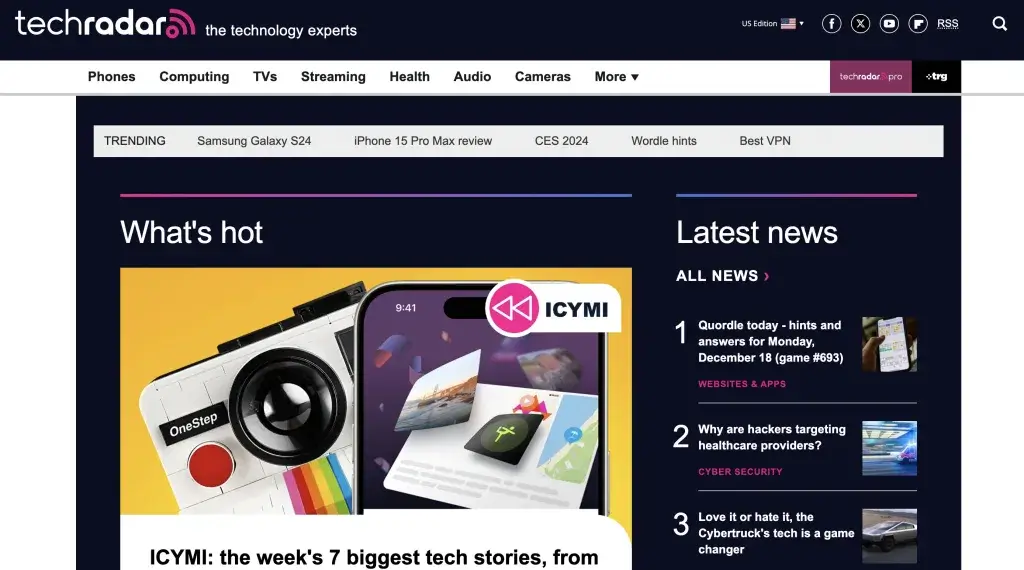
TechRadar excels in product reviews, offering detailed analyses with actual benchmark data for the latest tech gadgets. They help you understand the pros and cons of each product, making it easier to make informed purchasing decisions. TechRadar also covers a wide range of topics, from gaming to home entertainment systems. Their “best of” lists are particularly well-researched.
GigaOM
Website: gigaom.com

GigaOM offers a unique perspective on how technology impacts businesses and society. They focus on emerging tech trends and how they affect sectors like energy, telecommunications, and media. Their research reports are particularly valuable if you’re making strategic decisions about technology adoption. Founded by Om Malik, the site maintains an analytical edge that’s hard to find elsewhere.
VentureBeat
Website: venturebeat.com

VentureBeat is the strongest source for AI industry coverage and tech business analysis. They offer deep reporting on startups, venture capital, and the tech industry at large. Their GamesBeat section also provides solid gaming industry coverage. If you care about the economics and business strategy behind technology, VentureBeat delivers consistently. Their AI coverage, in particular, is some of the most detailed you’ll find anywhere.
Digital Trends
Website: digitaltrends.com
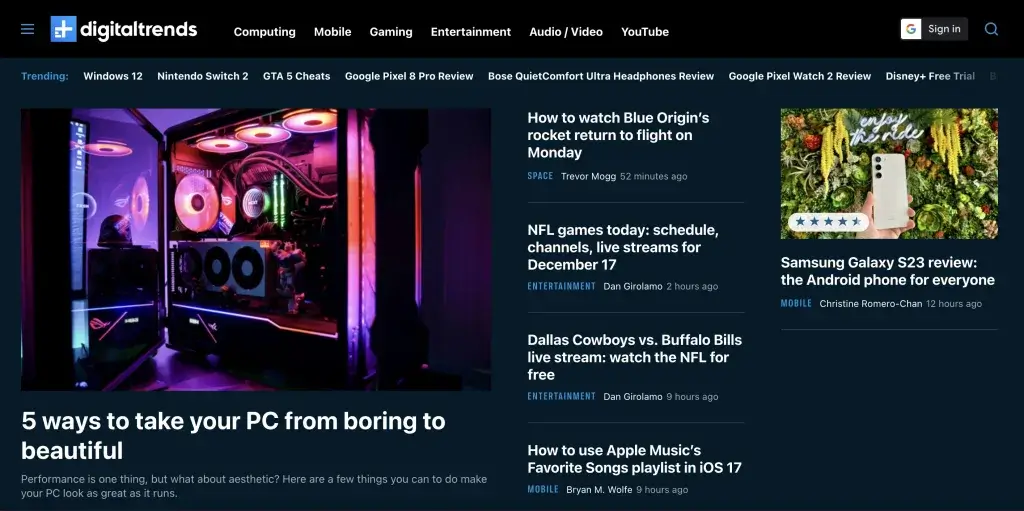
Digital Trends makes technology relatable to everyday life. They review consumer tech products and explore how gadgets fit into your daily routine. Their approach is straightforward and practical, which makes them a solid choice for staying informed about lifestyle tech. They also cover smart home setups, automotive tech, and outdoor gear with a tech angle.
Tom’s Hardware
Website: tomshardware.com

Tom’s Hardware is the definitive resource for PC enthusiasts. They provide detailed reviews, real benchmark numbers, and build guides for computer components. If you’re building or upgrading a PC, this is where you go for GPU comparisons, CPU benchmarks, and motherboard breakdowns. Their testing methodology is transparent and repeatable, which is rare in the hardware review space.
Lifehacker
Website: lifehacker.com

Lifehacker is all about using technology to make life easier. They provide tips, tricks, and practical hacks for productivity, software, and everyday tech challenges. Their content often includes step-by-step guides that you can follow immediately. If you’re looking for the best blogging tools or ways to automate repetitive tasks, Lifehacker covers that territory well.
9to5Mac
Website: 9to5mac.com
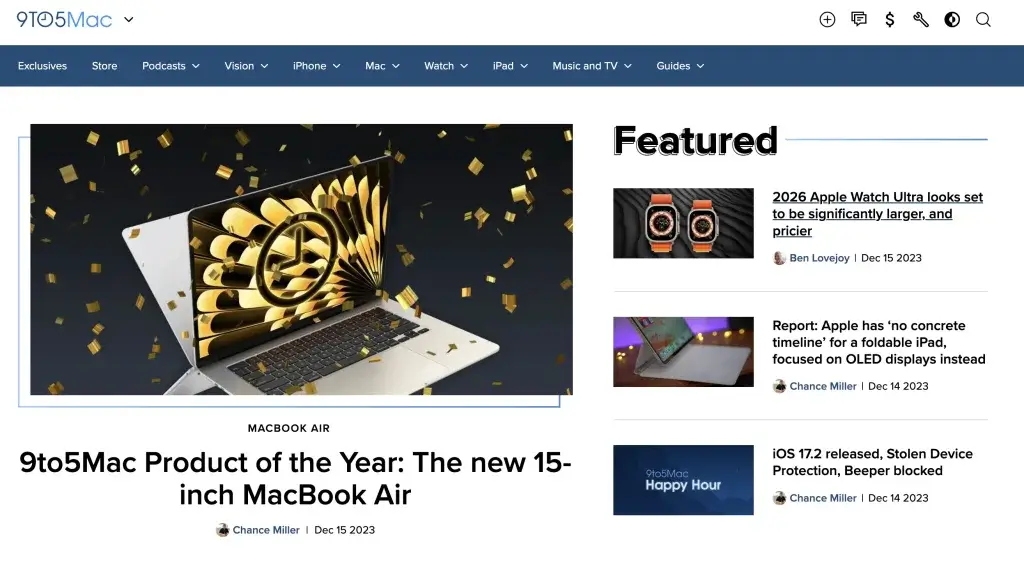
9to5Mac is an essential resource for Apple enthusiasts. They break Apple news faster than most mainstream outlets and regularly surface leaks about upcoming products. Their coverage spans iPhones, Macs, iPads, Apple Watch, and the broader Apple ecosystem. Whether you’re a casual iPhone user or a Mac power user, 9to5Mac has something for you.
Android Authority
Website: androidauthority.com

Android Authority covers every corner of the Android ecosystem. From smartphone reviews and app recommendations to Android development tutorials, they’re the most comprehensive Android-focused publication online. Their content is both informative and user-friendly, making complex Android topics accessible to regular users and developers alike.
PCMag
Website: pcmag.com

PCMag has been reviewing tech products since 1982, longer than most tech blogs have existed. Their rating system is standardized and consistent, which makes it easy to compare products across categories. Besides reviews, they provide helpful how-to articles and tech news updates. When I need a quick, reliable verdict on whether a product is worth buying, PCMag is usually my first stop.
Slashdot
Website: slashdot.org
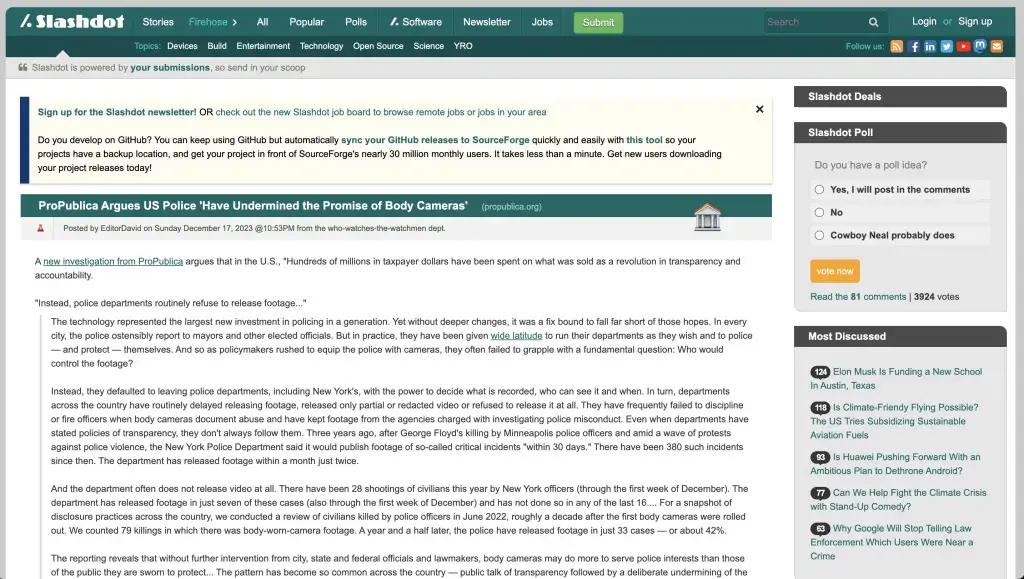
Slashdot is unique because it’s community-driven. Readers submit and discuss tech news and issues, offering diverse perspectives you won’t find on editorial-driven sites. The comment moderation system surfaces genuinely insightful analysis from engineers, sysadmins, and developers. It’s a great platform for engaging with other tech enthusiasts who actually build things.
ReadWrite
Website: readwrite.com

ReadWrite takes a forward-looking approach to technology. They cover emerging tech trends, IoT developments, and their potential impacts on how we live and work. Their content is insightful, focusing on innovation and where technology is heading next. If you’re interested in formatting blog posts for AI search or understanding how GEO vs SEO is reshaping content, ReadWrite often covers those intersections.
Summary
Here is a summary of all the best tech blogs listed above.
| Blog Name | URL | Started in | Covering Niche | Founded by |
|---|---|---|---|---|
| TechCrunch | techcrunch.com | 2005 | Startups, Tech News | Michael Arrington |
| Wired | wired.com | 1993 | Technology, Culture | Louis Rossetto, Jane Metcalfe |
| Ars Technica | arstechnica.com | 1998 | Tech Analysis, Reviews | Ken Fisher |
| CNET | cnet.com | 1994 | Tech Reviews, News | Halsey Minor, Shelby Bonnie |
| Gizmodo | gizmodo.com | 2002 | Gadgets, Tech News | Peter Rojas |
| Engadget | engadget.com | 2004 | Consumer Tech | Peter Rojas |
| Mashable | mashable.com | 2005 | Tech, Digital Culture | Pete Cashmore |
| The Verge | theverge.com | 2011 | Technology, Culture | Multiple Founders (Vox Media) |
| ZDNet | zdnet.com | 1991 | Business Technology News | Dan Farber |
| TechRadar | techradar.com | 2008 | Tech Product Reviews | Nick Merritt |
| GigaOM | gigaom.com | 2006 | Tech Impact on Business, Society | Om Malik |
| VentureBeat | venturebeat.com | 2006 | Tech Business, Startups | Matt Marshall |
| Digital Trends | digitaltrends.com | 2006 | Lifestyle Tech | Ian Bell, Dan Gaul |
| Tom’s Hardware | tomshardware.com | 1996 | PC Hardware | Thomas Pabst |
| Lifehacker | lifehacker.com | 2005 | Tech Tips, Tricks | Gina Trapani |
| 9to5Mac | 9to5mac.com | 2007 | Apple Products, News | Seth Weintraub |
| Android Authority | androidauthority.com | 2007 | Android Ecosystem | Unknown |
| PCMag | pcmag.com | 1982 | Tech Product Reviews, News | David Bunnell, Cheryl Woodard |
| Slashdot | slashdot.org | 1997 | Tech News, Community | Rob Malda |
| ReadWrite | readwrite.com | 2003 | Emerging Tech, IoT | Richard MacManus |
Most tech blogs make money through ads and affiliate links. That doesn’t make them unreliable, but always cross-reference claims about products with hands-on testing when possible.
Frequently Asked Questions
What is the most popular tech blog in 2026?
TechCrunch and The Verge consistently rank as the most-read tech blogs globally. TechCrunch dominates startup and VC coverage, while The Verge leads in consumer tech and culture. If I had to pick one, I’d say The Verge for general readers and TechCrunch if you’re in the startup world.
Are tech blogs still relevant with social media and YouTube?
Absolutely. YouTube and social media are great for quick takes, but tech blogs provide depth that short-form content can’t match. A 3,000-word Ars Technica analysis gives you context, benchmarks, and nuance that a 10-minute video skips. I use both, but blogs are where I go when I need to make actual decisions.
How do I choose which tech blogs to follow?
Start with your specific interests. If you care about Apple products, 9to5Mac is non-negotiable. For PC hardware, Tom’s Hardware. For business tech, ZDNet. Pick 3-5 blogs that match your needs, add them to an RSS reader like Feedly, and read daily for two weeks. You’ll quickly figure out which ones deserve your time.
What’s the difference between a tech blog and a tech news site?
The line has blurred significantly. Traditional tech blogs like Gizmodo started with informal, opinion-driven posts. Tech news sites like CNET operated more like traditional media. Today, most sites on this list blend both approaches: original reporting plus opinionated analysis. The label matters less than the quality of their coverage.
Which tech blog is best for product reviews?
PCMag and TechRadar are the strongest for product reviews. PCMag has a standardized rating system they’ve refined since 1982, making comparisons easy. TechRadar includes real benchmark data. For smartphones specifically, Android Authority and 9to5Mac provide the deepest platform-specific reviews.
Which tech blogs cover AI and machine learning?
VentureBeat has the most dedicated AI coverage, with their VentureBeat AI section publishing multiple articles daily. Ars Technica provides deeper technical analysis of AI research papers. Wired covers AI’s cultural and societal implications. For practical AI tool coverage, CNET and Digital Trends have ramped up significantly.
Are these tech blogs free to read?
Most of these tech blogs are free with ads. Wired and Ars Technica offer premium subscriptions that remove ads and unlock some exclusive content, but their core articles remain free. The Verge, TechCrunch, CNET, and the rest are completely free to read.
How often should I read tech blogs to stay updated?
I scan headlines daily (takes about 10 minutes via RSS) and do deep reads 2-3 times per week. You don’t need to read every article. Focus on topics relevant to your work or interests. Setting up keyword alerts in Feedly or Google Alerts helps you catch important stories without doom-scrolling tech sites all day.