
15 Most Successful Bloggers Who Built Empires From Scratch
Every blogger starts with the same dream: quit the day job, write about what you love, and watch the money roll in. The reality? Most blogs die within six months. The ones that survive past year three look nothing like what their creators originally imagined.
I’ve been blogging since 2008 and building websites since 2009. In that time, I’ve watched hundreds of bloggers launch, grow, flame out, pivot, and occasionally build something that lasts decades. The pattern is always the same. The bloggers who survive aren’t the most talented writers or the smartest marketers. They’re the ones who treat blogging like a business from day one.
So who actually qualifies as a successful blogger in 2026? Not someone with a big Twitter following or a viral post. A successful blogger builds something that generates revenue, creates real value, and compounds over time. Here are 15 bloggers who did exactly that, what they got right, and the traits that separate lasting success from a lucky break.
1. Syed Balkhi
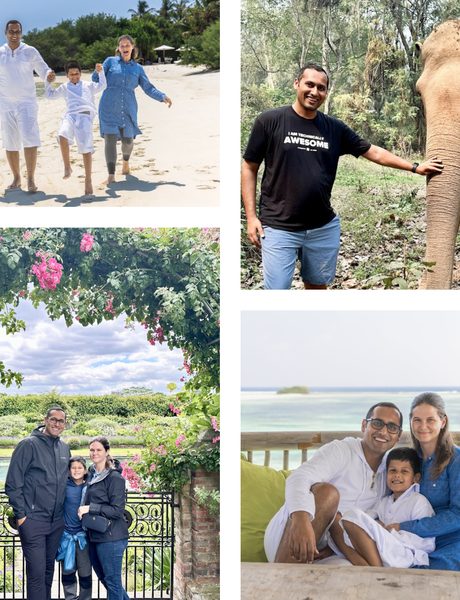
Syed Balkhi
- Founded WPBeginner (2009) – largest free WordPress resource site
- Awesome Motive: $46.5M revenue, 270-person team, zero outside funding
- Products power 25M+ websites (WPForms, AIOSEO, MonsterInsights, OptinMonster)
- Acquired aThemes, launched 6 new products in 2025 alone
- WordPress Core Contributor and philanthropist (Charitable plugin)
Founder of WPBeginner and CEO of Awesome Motive. Built a $46.5M/year WordPress software empire from a tutorial blog, all bootstrapped.
Syed Balkhi started WPBeginner in 2009 as a simple WordPress tutorial blog. Today, his company Awesome Motive powers tools used by over 25 million websites. That’s not a typo. Twenty-five million.
What makes Syed’s story remarkable isn’t the scale. It’s the strategy. He identified a gap (WordPress was confusing for beginners), filled it with genuinely helpful content, and then built products that solved the exact problems his readers kept asking about. WPForms, MonsterInsights, OptinMonster, All in One SEO, SeedProd, WP Mail SMTP. Each plugin grew directly from reader pain points.
By 2026, Awesome Motive has hit $46.5 million in annual revenue with a 270-person team, all bootstrapped with zero outside funding. In 2025 alone, Syed launched six new products (WPConsent, WPChat, SugarCalendar Bookings, RewardsWP, WPFilters, and Duplicator Cloud), acquired aThemes (makers of the Sydney and Botiga themes powering 130,000+ websites), and completed the largest stock buyback in Awesome Motive’s history.
The lesson from Syed? Content is the top of the funnel, not the product. His blog posts rank for thousands of WordPress-related keywords, driving millions of monthly visitors who eventually become customers. He turned a blog into a SaaS empire without raising a single dollar of venture capital.
2. Arianna Huffington
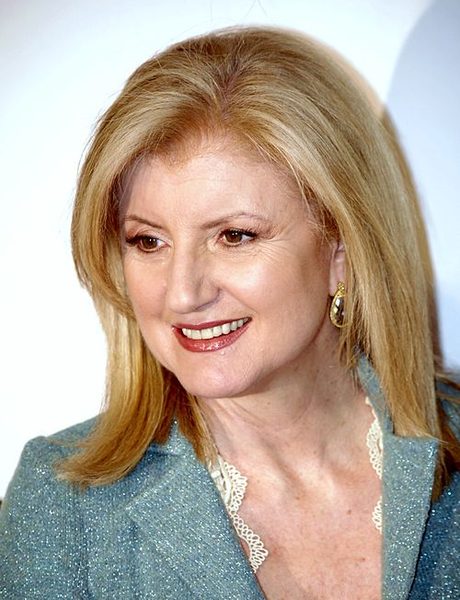
Arianna Huffington
- Co-founded HuffPost (2005) – first digitally native outlet to win a Pulitzer Prize
- Sold HuffPost to AOL for $315 million in 2011
- Now CEO of Thrive Global, a B2B behavior change platform
- Author of 15 books including bestsellers 'Thrive' and 'The Sleep Revolution'
- Named to TIME's 100 Most Influential People list
Co-founded The Huffington Post and sold it to AOL for $315 million. Now runs Thrive Global, an enterprise wellbeing platform.
Arianna Huffington co-founded The Huffington Post in 2005 and transformed online journalism. HuffPost became the first digitally native outlet to win a Pulitzer Prize in 2012 and was reaching hundreds of millions of readers monthly at its peak.
AOL acquired HuffPost in 2011 for $315 million. Arianna owned roughly 30% of the company, netting approximately $100 million pre-tax from the deal. She left HuffPost in 2016 to build Thrive Global, a B2B behavior change platform focused on corporate wellbeing and productivity.
What makes Arianna’s story relevant for bloggers? She proved that online publishing could command serious acquisition value. She also demonstrated that the founder’s personal brand can be worth more than the publication itself. After HuffPost, her name and credibility opened every door for Thrive Global. Author of 15 books, named to TIME’s 100 Most Influential People list, and still running a growing company in her 70s.
3. Matt Mullenweg

Matt Mullenweg
- Co-created WordPress at age 19, now powering 42.6% of all websites
- CEO of Automattic ($7.5B valuation), runs WordPress.com and WooCommerce
- Personal blog ma.tt running since 2002
- Fully distributed company across 90+ countries
- WordPress Foundation founder, open-source advocate
Co-creator of WordPress and CEO of Automattic. His blogging platform powers 42.6% of all websites on the internet.
Matt Mullenweg co-created WordPress when he was 19 years old. His personal blog, ma.tt, has been running since 2002. WordPress now powers 42.6% of all websites on the internet and holds 59.9% of the CMS market.
Matt’s journey from blogger to CEO of Automattic (valued at $7.5 billion in 2021) is one of the most consequential stories in tech. Automattic runs WordPress.com, WooCommerce, Tumblr, Pocket Casts, and dozens of other products with a fully distributed team across 90+ countries.
The past two years have been turbulent. His public dispute with WP Engine over WordPress trademark usage escalated into lawsuits, 159 employee buyouts, 280 layoffs (16% of Automattic), and prominent community members having their WordPress.org accounts deactivated. Through it all, WordPress itself kept growing. He proved that a blog can be the seed of something that changes the entire internet.
4. Gary Vaynerchuk
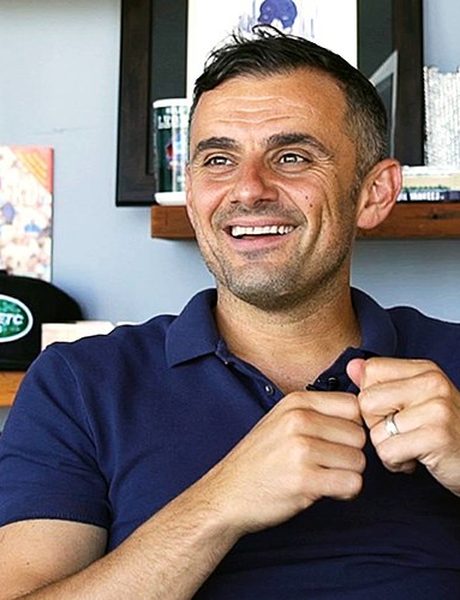
Gary Vaynerchuk
- Grew family wine business from $3M to $60M through Wine Library TV
- VaynerMedia: ~$200M annual revenue, 800+ employees globally
- Early investor in Facebook, Twitter, Uber, Snapchat, and Coinbase
- Exited Resy (to American Express) and Empathy Wines (to Constellation Brands)
- NYT bestselling author: 'Crush It!', 'Jab Jab Jab Right Hook'
Grew his family wine store from $3M to $60M via video blogging. Now runs VaynerMedia ($200M/year revenue) and invested early in Facebook, Twitter, and Uber.
Gary Vaynerchuk started Wine Library TV in 2006, a daily video blog reviewing wines. It was rough, unpolished, and completely authentic. Within five years, he grew his family’s wine business from $3 million to $60 million in annual revenue purely through the power of content.
That was just the beginning. Gary founded VaynerMedia, which now generates approximately $200 million in annual revenue with 800+ employees across multiple countries. He was an early investor in Facebook, Twitter, Uber, Snapchat, Venmo, and Coinbase. He sold Empathy Wines to Constellation Brands and Resy to American Express.
Love him or find him exhausting, Gary proved something important: attention is the asset. His blog and social content created a personal brand so powerful that it opened doors to investments, agencies, and businesses that have nothing to do with wine. He’s now estimated to be worth $200-245 million. All because he started talking about Chardonnay on camera.
5. Tim Ferriss
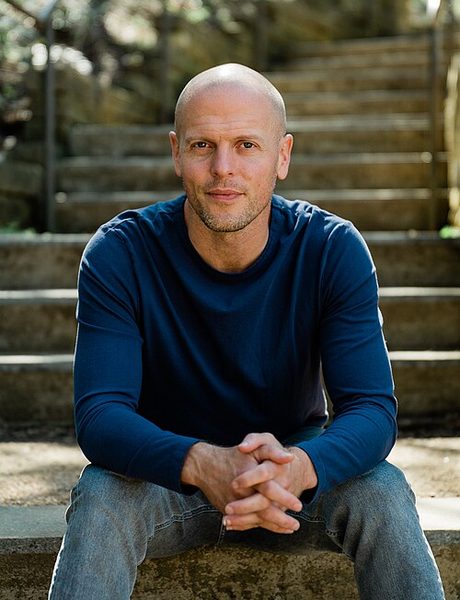
Tim Ferriss
- 'The 4-Hour Workweek' spent 7+ years on NYT bestseller list, 40+ languages
- The Tim Ferriss Show podcast: 1 billion+ downloads
- Early investor in Uber, Shopify, Twitter, Duolingo, and Alibaba
- Five #1 NYT bestselling books
- Donated millions to psychedelic science research at Johns Hopkins
Author of The 4-Hour Workweek and host of the #1 business podcast. Early investor in Uber, Shopify, Twitter, and Duolingo.
Tim Ferriss launched his blog alongside “The 4-Hour Workweek” in 2007. The book spent over seven years on the New York Times bestseller list and was translated into 40+ languages. It redefined how an entire generation thought about work, productivity, and lifestyle design.
His blog (tim.blog) became a testing ground for ideas, book excerpts, and experiments. But his biggest content move was The Tim Ferriss Show podcast, which has now surpassed 1 billion downloads, making it one of the most-listened business podcasts in history.
Tim used his content platform to become one of Silicon Valley’s most connected angel investors, with early stakes in Uber, Shopify, Twitter, Duolingo, and Alibaba. His estimated net worth is around $100 million. He’s also donated millions to psychedelic science research at Johns Hopkins. Tim proved that a blog can be the launchpad for essentially any career you want.
6. Seth Godin

Seth Godin
- 8,000+ consecutive daily blog posts and counting (since 2002)
- Author of 21 bestsellers: 'Purple Cow', 'Linchpin', 'This Is Marketing', 'Tribes'
- Sold Yoyodyne to Yahoo for $30 million in 1998
- Inducted into both Direct Marketing and Marketing Hall of Fame
- Runs altMBA and The Marketing Seminar online workshops
Published 8,000+ consecutive daily blog posts since 2002. Author of 21 bestsellers including ‘Purple Cow’ and ‘This Is Marketing’. Marketing Hall of Fame inductee.
Seth Godin has published a blog post every single day since 2002. That’s over 8,000 consecutive daily posts. No breaks. No vacations. No guest posts. Just Seth, every morning, sharing a thought worth spreading.
He’s the author of 21 bestselling books including “Purple Cow,” “Linchpin,” “Tribes,” and “This Is Marketing.” He sold Yoyodyne (one of the first internet marketing companies) to Yahoo for $30 million in 1998. He’s been inducted into both the Direct Marketing Hall of Fame and the Marketing Hall of Fame.
Seth’s blog doesn’t generate revenue directly. It generates something more valuable: authority. Every consulting gig, every speaking fee, every book sale, every enrollment in altMBA traces back to the daily habit of showing up and writing something worth reading. His estimated net worth is $50-60 million, built almost entirely on the back of consistent, thoughtful content.
7. Neil Patel
Neil Patel
- NP Digital generates ~$100M/year in revenue (bootstrapped, no VC)
- Co-founded Crazy Egg, KISSmetrics, acquired Ubersuggest + AnswerThePublic
- NeilPatel.com is one of the most-visited marketing blogs globally
- Named top influencer by Wall Street Journal, Forbes top-10 marketer
- UN top-100 entrepreneur under 35
Co-founded Crazy Egg and KISSmetrics. Runs NP Digital, a $100M/year marketing agency, and one of the world’s most-visited marketing blogs.
Neil Patel co-founded Crazy Egg and KISSmetrics before turning NeilPatel.com into one of the most-visited marketing blogs on the planet. His site attracts millions of monthly visitors looking for SEO, content marketing, and digital advertising advice.
But the blog is just the front door. Neil’s real business is NP Digital, a performance marketing agency that now generates approximately $100 million in annual revenue, all bootstrapped with no venture capital. He also acquired Ubersuggest and AnswerThePublic, turning them into accessible SEO tools for small businesses.
The Wall Street Journal named him a top web influencer. Forbes put him on their top-10 marketer list. The UN recognized him as a top-100 entrepreneur under 35. Neil’s approach is simple but hard to replicate: produce an absurd volume of genuinely helpful content, rank for everything, and convert that traffic into agency clients and software subscriptions.
Notice the pattern? Syed, Neil, Brian, and Rand all followed the same playbook: create authoritative content, build an audience, then sell products or services to that audience. If you’re starting out, begin with a solid content marketing strategy and work backward from what you’ll eventually sell.
8. Michael Arrington

Michael Arrington
- Founded TechCrunch (2005) – shaped which startups got funded in Silicon Valley
- Sold TechCrunch to AOL for $25-40M in 2010
- Arrington Capital manages $1B+ in digital assets with 4 unicorns in portfolio
- Top holdings: Bitcoin, Ethereum, XRP, Solana, Immutable
- Leveraged blog influence into proprietary deal flow for investing
Founded TechCrunch and turned it into Silicon Valley’s most influential startup blog. Now manages $1B+ in crypto assets through Arrington Capital.
Michael Arrington launched TechCrunch in 2005 and turned it into the most influential startup blog in Silicon Valley. TechCrunch didn’t just cover startups. It shaped which startups got funded, which got attention, and which founders became household names.
AOL acquired TechCrunch in 2010 for approximately $25-40 million. Michael left in 2011 and pivoted fully to investing. His firm Arrington Capital now manages over $1 billion in digital assets, with significant positions in Bitcoin, Ethereum, XRP, Solana, and Immutable. The fund’s portfolio includes four unicorns. TechCrunch itself changed hands again in March 2025, sold by Yahoo to private equity firm Regent.
Arrington’s story is the ultimate example of leveraging blog authority into deal flow. TechCrunch gave him first access to every hot startup in the Valley. That access translated directly into investment opportunities worth billions.
9. Brian Clark

Brian Clark
- Founded Copyblogger (2006) – the definitive content marketing resource
- Built StudioPress/Genesis Framework, sold to WP Engine (2018)
- Copyblogger reached 8 figures in annual revenue, all bootstrapped
- Now runs Further.net newsletter and Digital Commerce Partners agency
- Multiple exits: StudioPress, Rainmaker Platform, Copyblogger ownership
Founded Copyblogger and wrote the playbook every content marketer still follows. Built and exited multiple businesses including StudioPress (sold to WP Engine).
Brian Clark founded Copyblogger in 2006, and it became the definitive resource for content marketing and copywriting. At its peak, Copyblogger was getting millions of monthly readers and essentially wrote the playbook that every content marketer still follows today.
Brian built Copyblogger Media (later Rainmaker Digital), which created the Genesis Framework and StudioPress WordPress themes. In 2018, WP Engine acquired StudioPress. In 2019, Nimble Worldwide acquired the Rainmaker Platform. In 2023, Brian sold his remaining Copyblogger ownership. Copyblogger reached eight figures in annual revenue, all bootstrapped.
In 2026, Brian focuses on Further (a midlife personal growth newsletter), Unemployable (a freelancer community), and Digital Commerce Partners (a content marketing agency). His genius? A blog about writing better content attracted exactly the audience that would buy content marketing tools.
10. Ramit Sethi

Ramit Sethi
- NYT bestselling author of 'I Will Teach You To Be Rich'
- Netflix series 'How to Get Rich' (2023) brought mainstream visibility
- Premium course business: $2K-$12K per enrollment, millions annually
- Co-founded PBworks and runs GrowthLab for entrepreneurs
- Pioneered high-ticket online education in the personal finance niche
Started blogging about personal finance as a Stanford student in 2004. Built a multi-million dollar course business and landed a Netflix series.
Ramit Sethi started blogging about personal finance as a Stanford student in 2004. “I Will Teach You To Be Rich” became a blog, then a New York Times bestselling book, then a Netflix series (2023), then a multi-million dollar education empire.
What separates Ramit from most personal finance bloggers? He sells premium. His courses range from $2,000 to $12,000 per enrollment. While most bloggers race to the bottom on pricing, Ramit proved that high-ticket digital products work when the content builds enough trust and the transformation is real.
He also co-founded PBworks and runs GrowthLab, which teaches entrepreneurs to build online businesses. His estimated net worth is around $25 million. Ramit’s approach is the opposite of “hustle culture.” He teaches systems, automation, and spending extravagantly on things you love while cutting costs ruthlessly on things you don’t.
11. Pete Cashmore

Pete Cashmore
- Founded Mashable (2005) – reached 45M+ monthly unique visitors at peak
- TIME's Most Influential People list, CNN's most influential in tech
- Sold Mashable to Ziff Davis for $50M (previously valued at $250M)
- Now working on Masterverse.io (Web3/crypto platform)
- Turned a bedroom blog into a global media brand before age 30
Founded Mashable at age 19 from his bedroom in Scotland. Built it into one of the world’s most-read tech blogs before selling to Ziff Davis.
Pete Cashmore started Mashable in 2005 from his bedroom in Aberdeen, Scotland. He was 19. Within a decade, Mashable became one of the most-read tech and social media blogs on the planet, reaching over 45 million monthly unique visitors at its peak.
In 2017, Ziff Davis acquired Mashable for $50 million, a brutal markdown from its $250 million valuation just two years earlier. Pete stepped away at the end of 2018 and launched Masterverse.io (a Web3 platform) in 2022. Mashable continues declining under Ziff Davis, with an 18% revenue drop in Q4 2025.
Pete’s story is a cautionary tale wrapped inside a success story. He built something massive, but the pivot from blog to video-first media company diluted what made Mashable special. Still, he turned a bedroom blog into a globally recognized brand before age 30.
12. Pat Flynn

Pat Flynn
- Founded Smart Passive Income after getting laid off in 2008
- Pioneered transparent monthly income reports (peaked at $170K+/month)
- SPI Podcast: 47 million+ downloads
- 4M+ YouTube subscribers teaching online business strategies
- One of the first bloggers to normalize open income reporting
Got laid off as an architect in 2008 and built Smart Passive Income into one of the most transparent and trusted online business blogs.
Pat Flynn got laid off from his architecture job in 2008 and started Smart Passive Income as a way to document his journey building an online business from scratch. What made Pat different? Total transparency. He published detailed monthly income reports showing exactly how much he earned and from where.
Those income reports peaked at over $170,000 in a single month and became the most-read content on SPI. The SPI Podcast has been downloaded over 47 million times. Pat’s YouTube channel has 4 million+ subscribers. He was one of the first bloggers to prove that being openly honest about money could itself be a business model.
Pat now runs SPI Media with courses, community programs, and a growing YouTube presence focused on teaching others to build online businesses. His approach, being genuinely helpful and transparent, remains the gold standard for creator-educators.
13. Rand Fishkin

Rand Fishkin
- Built Moz from family side project to $47M+ annual revenue
- Created the Domain Authority metric used across the entire SEO industry
- Co-founded SparkToro (2018), bootstrapped audience research tool
- Author of 'Lost and Founder', a candid startup field guide
- Raised only $1.3M on unconventional terms (no board seats for investors)
Built Moz from a mother-and-son consultancy to $47M+ annual revenue. Created the Domain Authority metric. Now runs SparkToro, a bootstrapped audience intelligence tool.
Rand Fishkin started the Moz blog (originally SEOmoz) in 2004 as a mother-and-son SEO consultancy that was $500,000 in debt. He built it into the most authoritative SEO resource on the internet, with Moz reaching over $47 million in annual revenue.
Rand created the Domain Authority metric, which became an industry standard used by virtually every SEO professional on the planet. His “Whiteboard Friday” video series on the Moz blog was appointment viewing for the entire SEO community for over a decade.
After leaving Moz, Rand co-founded SparkToro in 2018, an audience research tool. He raised only $1.3 million on deliberately unconventional terms (no board seats for investors). He wrote “Lost and Founder,” one of the most honest books ever written about startup life. Rand proved that you don’t need venture capital or explosive growth to build a meaningful business from content.
14. Darren Rowse
Darren Rowse
- One of the world's first full-time professional bloggers (since 2004)
- Digital Photography School attracts millions of monthly visitors
- Combined audience: 5M+ monthly visitors and 1M+ subscribers
- Author of 'ProBlogger: Secrets for Blogging Your Way to a Six-Figure Income'
- Coined and popularized 'ProBlogger' as a career identity
One of the world’s first full-time professional bloggers. Founded ProBlogger in 2004 and Digital Photography School, proving blogging could be a real career.
Darren Rowse is the OG professional blogger. He founded ProBlogger in 2004, at a time when most people didn’t even know blogging could be a career. He quite literally coined the term “problogger” and proved that it was a legitimate profession.
His second site, Digital Photography School (launched 2006), became his bigger business, attracting millions of monthly visitors and generating the majority of his income through affiliate marketing, courses, and ebooks. Combined, his sites reach over 5 million monthly visitors with more than 1 million subscribers.
Darren’s book “ProBlogger: Secrets for Blogging Your Way to a Six-Figure Income” became the handbook for aspiring bloggers worldwide. He’s still running both sites from Melbourne, Australia. Darren represents the quiet, consistent approach to blogging success, no flash, no controversy, just steady value creation over two decades.
15. Marie Forleo

Marie Forleo
- B-School: 80,000+ students across 650+ industries over 14 years
- Named by Oprah as 'a thought leader for the next generation'
- NYT bestselling author of 'Everything Is Figureoutable'
- MarieTV YouTube show reaches millions of entrepreneurs
- Built a multi-million dollar education business from blogging
Named by Oprah as ‘a thought leader for the next generation’. Built B-School into an 80,000+ student online business school.
Marie Forleo built her blog and YouTube show (MarieTV) into a platform that Oprah Winfrey herself called her “a thought leader for the next generation.” That kind of endorsement doesn’t come from luck. It comes from years of consistent, high-quality content that genuinely helps people.
Marie’s primary business is B-School, an online business school that has enrolled over 80,000 students from 650+ industries over 14 years. Enrollments cost $1,999, which means B-School alone has likely generated well over $100 million in total revenue over its lifetime.
Her book “Everything Is Figureoutable” became a New York Times bestseller. Her estimated net worth ranges from $14-40 million depending on the source. Marie proved something important for aspiring bloggers: you don’t need to be in tech or finance to build a massive content-driven business. Personality, authenticity, and genuine helpfulness scale just as well.
Every year brings new “blogging is dead” predictions. Ignore them. Blogging isn’t dead. Lazy blogging is dead. If you’re adding real value, building genuine expertise, and diversifying your income streams, blogging remains one of the best businesses you can build with almost zero startup cost.
7 Traits These Successful Bloggers Share
After watching these 15 bloggers (and hundreds of others) over the years, clear patterns emerge. Success in blogging isn’t random. It follows a surprisingly consistent formula.
- They treat content as a business asset, not a creative outlet. Every post serves a strategic purpose: attract traffic, build authority, or convert readers into customers.
- They build products, not just audiences. Syed built plugins. Brian built themes. Matt built an entire CMS. Ramit built courses. Marie built B-School. The blog is the top of the funnel, not the business itself.
- They pick one niche and go deep. WPBeginner is WordPress. TechCrunch is startups. Copyblogger is content marketing. Moz is SEO. None of them tried to be everything to everyone.
- They show up consistently for years. Not months. Years. Seth has posted daily since 2002. Syed has been publishing since 2009. Darren since 2004. There are no overnight successes in blogging.
- They give away their best stuff. Every one of these bloggers publishes high-value content for free. The free content builds trust. Trust converts to revenue.
- They adapt without losing identity. Successful bloggers evolve their format (video, newsletters, podcasts) while keeping their core value proposition intact. Tim went from blog to podcast. Gary went from wine blog to social media empire. Pat went from blog to YouTube.
- They think in systems, not posts. A single blog post is worth almost nothing. A system that produces, distributes, and monetizes content consistently is worth millions.
If you’re serious about blogging as a career, these traits aren’t optional. They’re the minimum bar for building something that lasts.
Blogging in 2026: What’s Changed
Blogging in 2026 looks nothing like blogging in 2010. The fundamentals haven’t changed. But the landscape has shifted dramatically. There are now roughly 600 million blogs worldwide, and the content marketing industry is valued at over $107 billion.
AI has changed content creation. About 80% of professional bloggers now use AI tools in their workflow. But Google’s December 2025 Core Update specifically targeted mass-produced AI content (87% negative impact on those sites). The bloggers who win are the ones adding genuine expertise and original perspectives that AI can’t replicate.
Search is fragmenting. AI overviews reduce clicks by 58% for affected queries. Smart bloggers are diversifying into newsletters, YouTube, podcasts, and social platforms. The newsletter economy is booming: over 50 Substack authors now earn $1 million or more annually.
Monetization has evolved. About 42% of professional blogger income comes from affiliates and 33% from ads. The real money is in digital products, courses, SaaS tools, and proven monetization strategies that don’t depend on pageviews.
Personal brand matters more than ever. Readers trust people, not websites. Every successful blogger on this list built a recognizable personal brand alongside their site. Anonymous content farms are dying.
Frequently Asked Questions
Who is the most successful blogger in 2026?
By revenue and business impact, Syed Balkhi (Awesome Motive, $46.5M/year) and Gary Vaynerchuk (VaynerMedia, $200M/year) are among the most commercially successful. By broader influence, Matt Mullenweg’s WordPress powers 42.6% of all websites. Arianna Huffington’s $315M HuffPost exit remains one of the largest blog-to-acquisition stories in history.
How long does it take to become a successful blogger?
Every blogger on this list took 3-5 years to build significant traction. WPBeginner started in 2009 and took several years before generating serious revenue. TechCrunch launched in 2005 and was acquired in 2010. Expect at least 2-3 years of consistent work before meaningful income, and 5+ years before building something substantial.
Can you still make money blogging in 2026?
Yes, but the playbook has changed. The content marketing industry is valued at over $107 billion. Successful bloggers monetize through digital products, courses, SaaS tools, affiliate marketing (about 42% of pro blogger income), consulting, and memberships. The key is building genuine expertise in a niche and creating products that solve real problems.
What niche should I blog about to be successful?
Pick a niche where you have genuine expertise, where people spend money, and where you can produce content consistently for years. Technology, personal finance, health and fitness, B2B software, and education consistently perform well. Food blogging is currently the most profitable niche (median $9,169 per month). But depth of knowledge matters more than niche selection.
Is blogging dead because of AI?
No. Google’s December 2025 Core Update hit mass-produced AI content with 87% negative impact. But AI can’t replicate personal experience, original research, or genuine opinions. Bloggers who add authentic expertise will benefit as AI floods the internet with mediocre content, because readers will seek out trusted human voices.
Do I need to build products to be a successful blogger?
Not necessarily, but the most successful bloggers eventually do. You can earn well through affiliate marketing and consulting. But building your own product (course, SaaS tool, membership) gives you the highest margins. Over 50 Substack newsletter authors now earn $1 million or more annually, proving that content itself can be the product.
Who are the richest bloggers in the world?
Matt Mullenweg (~$400M from Automattic/WordPress), Gary Vaynerchuk ($200-245M from VaynerMedia and investments), Michael Arrington ($200M+ from Arrington Capital), Arianna Huffington (~$100M from HuffPost exit and Thrive Global), and Tim Ferriss (~$100M from books, podcast, and angel investments) are among the wealthiest people who started as bloggers.
The Bottom Line
A successful blogger isn’t someone with the most pageviews or the biggest social following. It’s someone who builds something durable: a business, a community, a body of work that compounds over time.
These 15 bloggers started with nothing but a blank page. Syed turned tutorials into a $46.5 million software empire. Arianna turned online journalism into a $315 million exit. Gary turned wine reviews into a $200 million media company. Seth turned daily writing into a Hall of Fame career. Pat turned layoff despair into a transparent income machine. Marie turned self-help content into an 80,000-student school.
The tools have changed. The fundamentals haven’t. Pick your niche, start publishing, and give it at least three years before you judge the results. The bloggers on this list didn’t get lucky. They got consistent.
If you’re just getting started, read about why blogging is a career worth having. And check out the best tech blogs for inspiration on what consistent, high-quality blogging looks like in practice.