
Chemists Who Died for Science: 5 Stories of Discovery and Sacrifice
Chemistry has always been dangerous. Before fume hoods, Safety Data Sheets, and OSHA regulations, chemists worked with lethal substances using methods that would get a modern lab shut down instantly. They inhaled unknown gases to test their effects. They tasted compounds to classify them. They handled radioactive materials with bare hands.
Some of the greatest discoveries in chemistry came at the cost of the discoverer’s health or life. These aren’t cautionary tales about carelessness. Most of these scientists knew the risks. They accepted them because the alternative was not knowing. That calculation, the willingness to risk your body to expand human knowledge, deserves to be remembered alongside the discoveries themselves.
Carl Wilhelm Scheele (1742-1786): the chemist who tasted everything
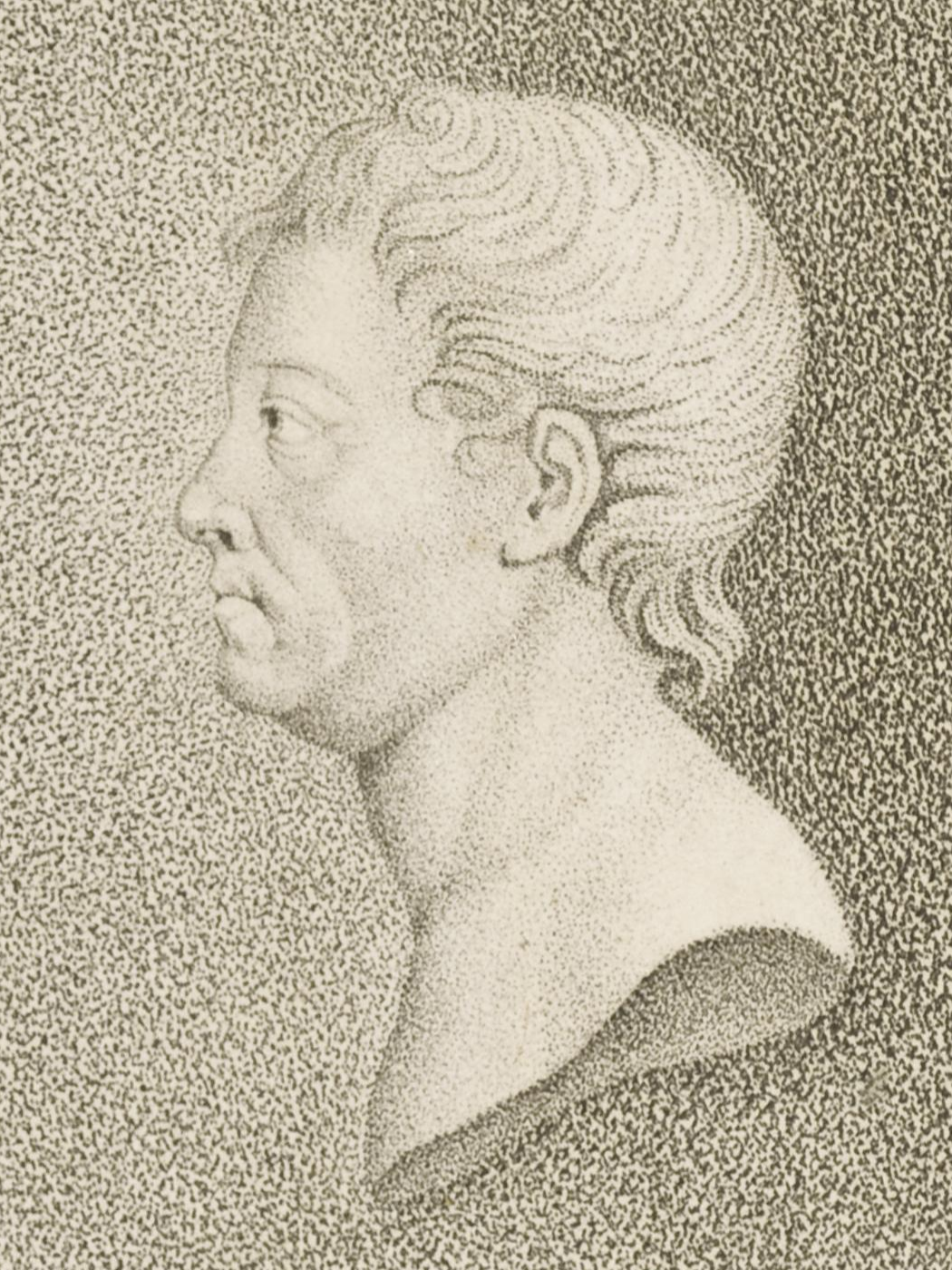
Scheele was a Swedish-German pharmaceutical chemist who discovered oxygen (independently of Priestley), chlorine, barium, manganese, tungsten, and molybdenum. He also developed a process remarkably similar to pasteurization, decades before Pasteur. By any measure, one of the most productive chemists who ever lived.
His method of analysis had one fatal flaw: he tasted every compound he isolated. This was common practice in the 18th century, but Scheele took it further than most. He tasted hydrogen cyanide (HCN) and survived. He tasted mercury compounds. He tasted arsenic-based compounds.
He died at 43 from symptoms strongly resembling mercury poisoning. The very habit that made him such a thorough experimentalist killed him. His legacy includes more element discoveries than almost any other chemist in history, and a cautionary lesson about the gap between bravery and recklessness.
Robert Bunsen (1811-1899): lost an eye, changed fields, changed science
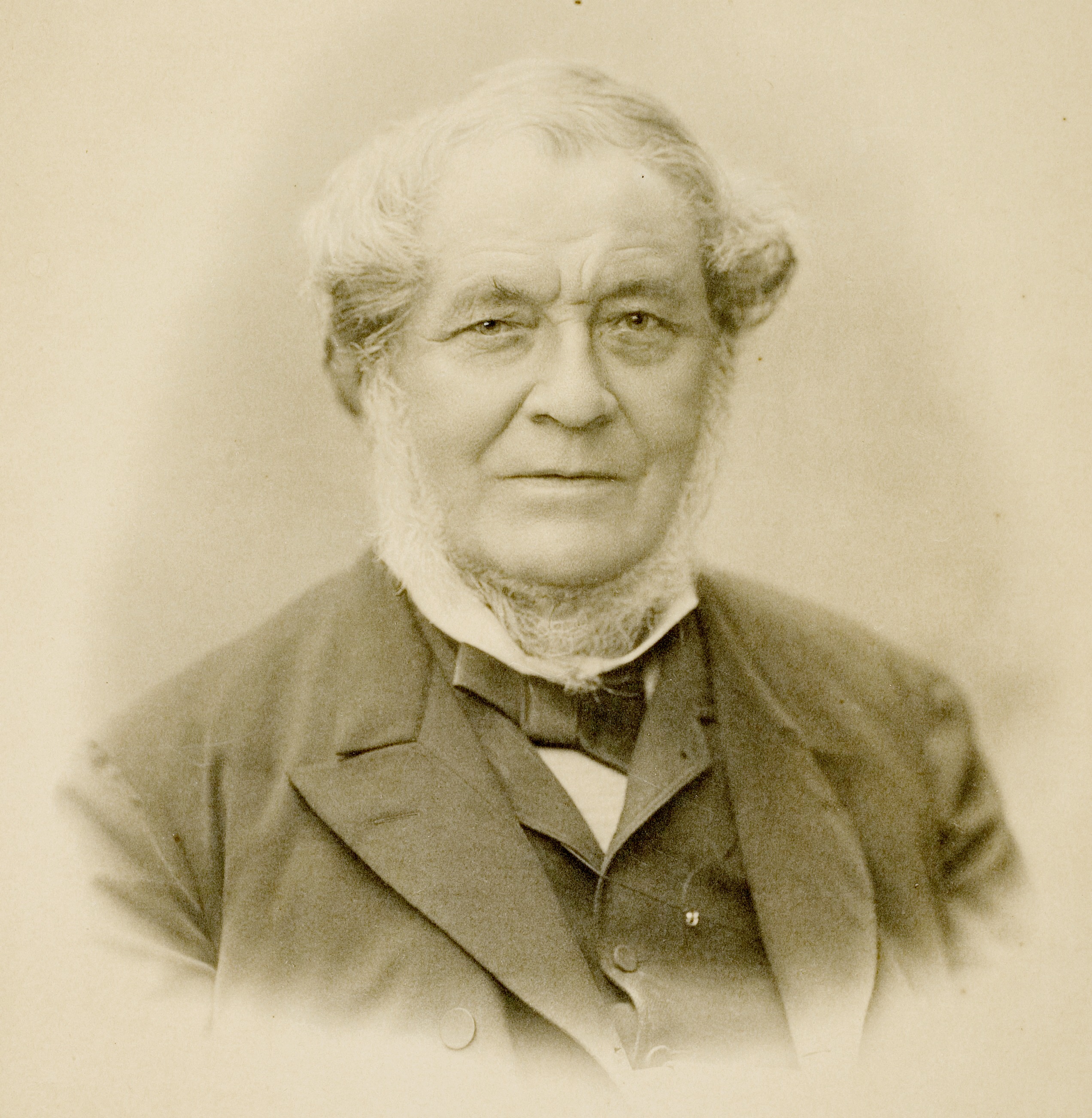
Robert Bunsen is best known for the Bunsen burner, but his actual contributions to chemistry run far deeper. He started in organic chemistry, where he nearly died twice from arsenic poisoning while studying cacodyl compounds (organoarsenic). Then an explosion of cacodyl cyanide destroyed the sight in his right eye.
Most people would have quit. Bunsen switched to inorganic chemistry and went on to co-develop spectroscopy with Gustav Kirchhoff. Their spectroscopic method led to the discovery of cesium and rubidium, and provided the technique that would eventually reveal the composition of stars. Bunsen’s worst day in the lab redirected him toward his greatest work.
Humphry Davy (1778-1829): the man who couldn’t stop inhaling things
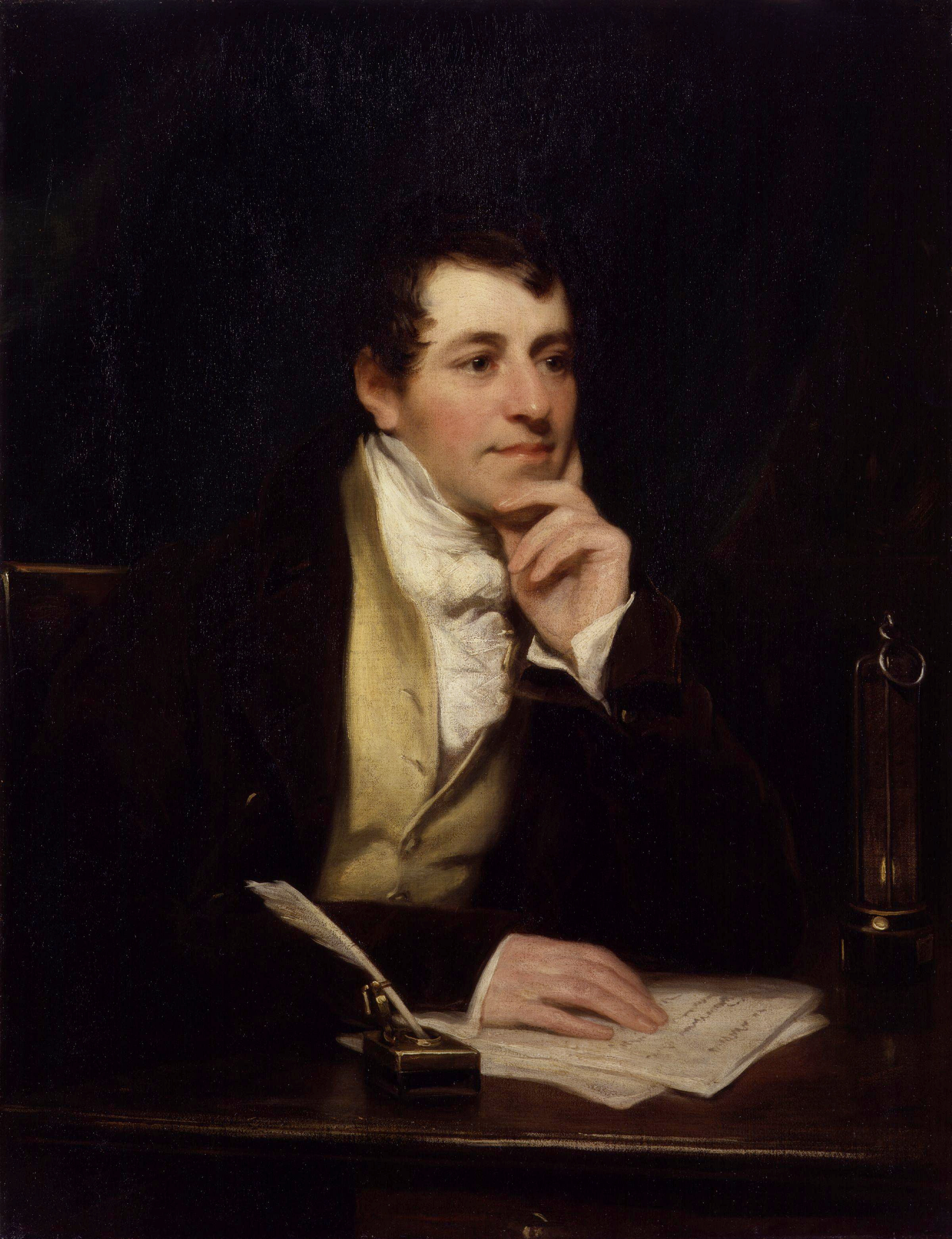
Humphry Davy was fired from his first apprenticeship at an apothecary because he caused too many explosions. This should have been a warning sign. It wasn’t.
At the Pneumatic Institution in Bristol, Davy developed a habit of inhaling every gas he encountered to document its effects. Nitrous oxide (laughing gas)? Inhaled it, discovered its anesthetic properties, nearly died from oxygen deprivation. Carbon monoxide? Inhaled it, nearly died. Hydrogen? Inhaled it. Various chlorine compounds? Inhaled them all.
In 1812, a nitrogen trichloride explosion permanently damaged his eyesight. The chronic poisoning from years of gas inhalation left him an invalid for the last two decades of his life. Despite this, he discovered sodium, potassium, calcium, barium, boron, and magnesium through electrolysis. He also invented the Davy lamp, which saved thousands of miners’ lives by preventing methane explosions underground.
When his eyesight failed, he hired a young lab assistant to help him. That assistant was Michael Faraday, who would go on to become one of the greatest scientists in history, and who also suffered chemical poisoning in the same lab.
Marie Curie (1867-1934): two Nobel Prizes and a radioactive legacy
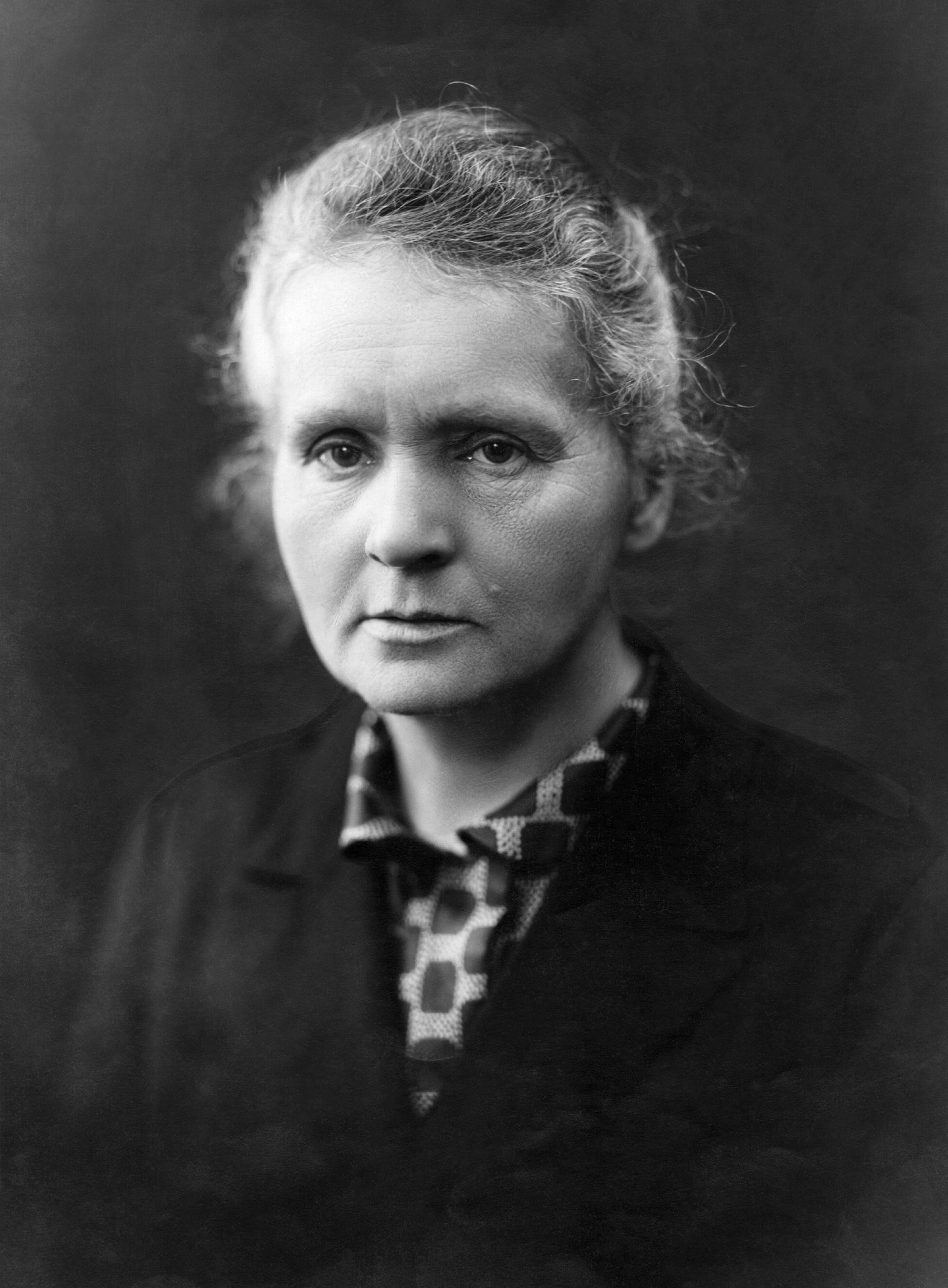
Marie Curie shared the 1903 Nobel Prize in Physics (with Pierre Curie and Henri Becquerel) for research on radioactivity, then won the 1911 Nobel Prize in Chemistry for discovering polonium and radium. She remains the only person to win Nobel Prizes in two different sciences.
She spent decades handling radioactive materials without any protective equipment. Radiation’s health effects weren’t understood. She carried test tubes of radioactive isotopes in her pockets and stored them in her desk drawer. She described the faint blue glow of radium as “beautiful.”
She died of aplastic anemia, a direct result of chronic radiation exposure, on July 4, 1934. Her personal belongings, including her notebooks, clothing, and even her cookbook, remain dangerously radioactive. They’re stored in lead-lined boxes at the Bibliotheque nationale de France. Visitors must sign a liability waiver and wear protective equipment to view them. The half-life of radium-226 is 1,600 years. Her contributions to physics are literally still radiating.
Karen Wetterhahn (1948-1997): a few drops changed lab safety forever
This one is the most unsettling because it’s the most modern.
Karen Wetterhahn was a chemistry professor at Dartmouth College studying how mercury compounds interact with DNA repair mechanisms. On August 14, 1996, she spilled a few drops of dimethylmercury onto her latex glove. She followed standard safety protocols. She was wearing gloves. She cleaned up immediately.
It didn’t matter. Dimethylmercury penetrates latex gloves in approximately 15 seconds. The compound crossed her skin barrier and entered her bloodstream. Five months later, in January 1997, she began experiencing balance problems and slurred speech. Tests revealed her blood mercury level was 80 times the lethal threshold. She fell into a coma in February and died on June 8, 1997.
Her death transformed lab safety worldwide. Dimethylmercury now requires Silver Shield or laminate gloves, not latex. Many laboratories have stopped using it entirely. Dartmouth established the Karen Wetterhahn Memorial Fund for student research. The protocols that protect every chemistry student today exist, in part, because Karen Wetterhahn died following protocols that turned out to be inadequate.
What their deaths taught us
Modern laboratory safety didn’t emerge from theory. It emerged from deaths. Every regulation has a story behind it. Fume hoods exist because Humphry Davy inhaled everything. Radiation dosimeters exist because Marie Curie didn’t know what was killing her. Silver Shield gloves exist because Karen Wetterhahn’s latex gloves failed.
Today’s chemists work under OSHA-regulated standards with Safety Data Sheets (SDS) for every compound, mandatory Personal Protective Equipment (PPE) tiered by hazard level, institutional review for experiments involving particularly dangerous substances, and emergency protocols for exposure incidents. These aren’t bureaucratic inconveniences. They’re the hard-won lessons from scientists who solved problems at the cost of their own lives.
The chemistry students who complain about wearing goggles in labs where nothing dangerous is happening are standing on the shoulders of people who didn’t have goggles at all. That’s not a metaphor. That’s the history of the field.
Frequently Asked Questions
Why are Marie Curie’s notebooks still radioactive?
Curie handled radium and polonium daily without protective equipment. Her notebooks, clothing, and personal belongings absorbed radioactive contamination. Radium-226 has a half-life of 1,600 years, so the contamination is still dangerous. The notebooks are stored in lead-lined boxes at the Bibliothèque nationale de France, and visitors must sign a liability waiver.
How did Karen Wetterhahn die from a few drops of mercury?
Dimethylmercury penetrates standard latex gloves in approximately 15 seconds. A few drops on her glove crossed her skin and entered her bloodstream. Five months later, her blood mercury was 80 times the lethal threshold. She died in June 1997. Her death led to worldwide changes in lab glove requirements and many labs stopping use of dimethylmercury entirely.
Did Carl Scheele really taste hydrogen cyanide?
Yes. Scheele routinely tasted compounds as a method of chemical analysis, which was common practice in the 18th century. He tasted hydrogen cyanide (HCN) and survived. He eventually died at 43 from chronic mercury and arsenic poisoning accumulated through years of tasting experiments.
What did Humphry Davy discover?
Davy discovered sodium, potassium, calcium, barium, boron, and magnesium through electrolysis. He identified the anesthetic properties of nitrous oxide (laughing gas) and invented the Davy lamp for safe mining. He hired Michael Faraday as his lab assistant after his eyesight was damaged by explosions.
How many Nobel Prizes did Marie Curie win?
Two. The 1903 Nobel Prize in Physics (shared with Pierre Curie and Henri Becquerel) for research on radioactivity, and the 1911 Nobel Prize in Chemistry for discovering polonium and radium. She remains the only person to win Nobel Prizes in two different sciences.
What modern lab safety protocols exist because of these deaths?
OSHA-regulated safety standards, chemical fume hoods (preventing gas inhalation), Safety Data Sheets (SDS) for every compound, tiered PPE requirements by hazard level, radiation dosimeters, Silver Shield/laminate gloves for organomercury compounds, and institutional review for dangerous experiments. Each regulation has a specific death or injury behind it.